Integrated Steel Structure Manufacturing and Fabrication Services
Manufacturing and Fabrication Under One Production System
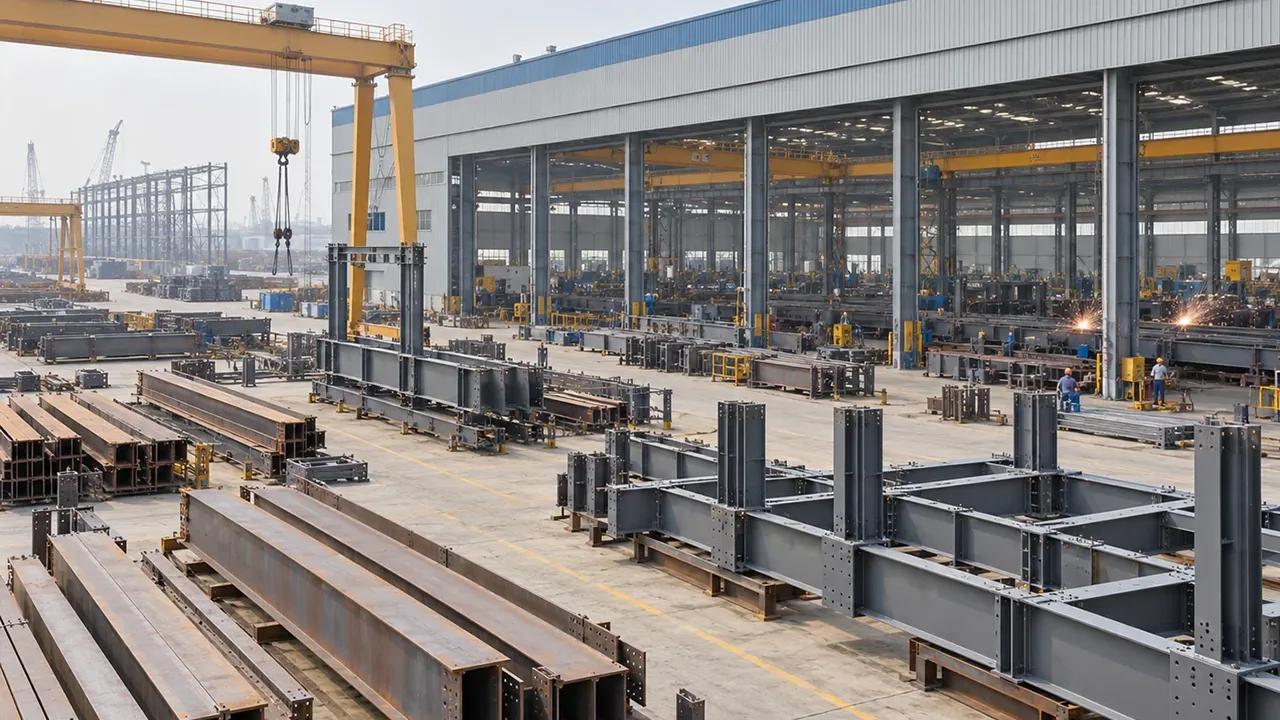
Combining manufacturing and fabrication under one production workflow helps maintain continuity from raw steel preparation to finished structural components. Material receiving, cutting, drilling, assembly, welding, inspection, coating, identification, and packing can be organized according to the same project documentation and production schedule.
This approach reduces unnecessary transfers between separate factories and allows related components to be coordinated before shipment. It is particularly useful for projects containing multiple structural packages that must ultimately connect accurately on site.
Project-Specific Production
Every project has different dimensions, structural loads, connection requirements, environmental conditions, and installation constraints. Production therefore needs to follow approved project drawings rather than a single standardized configuration.
The manufacturing workflow can be adapted to accommodate conventional portal frames, heavy industrial structures, long-span trusses, multi-storey systems, and customized components with non-standard geometry.
Scope of Steel Structure Manufacturing and Fabrication
Raw Material Preparation
Production begins with the preparation and verification of steel plates, structural sections, and other required materials. Material grades, dimensions, certificates, and identification requirements are reviewed according to project specifications before processing starts.
CNC Cutting and Drilling
CNC equipment supports accurate cutting, drilling, profiling, and preparation of steel components. Digital processing improves repeatability while reducing manual layout errors, particularly for connection plates, stiffeners, bolt-hole patterns, and repetitive structural members.
Welding and Structural Assembly
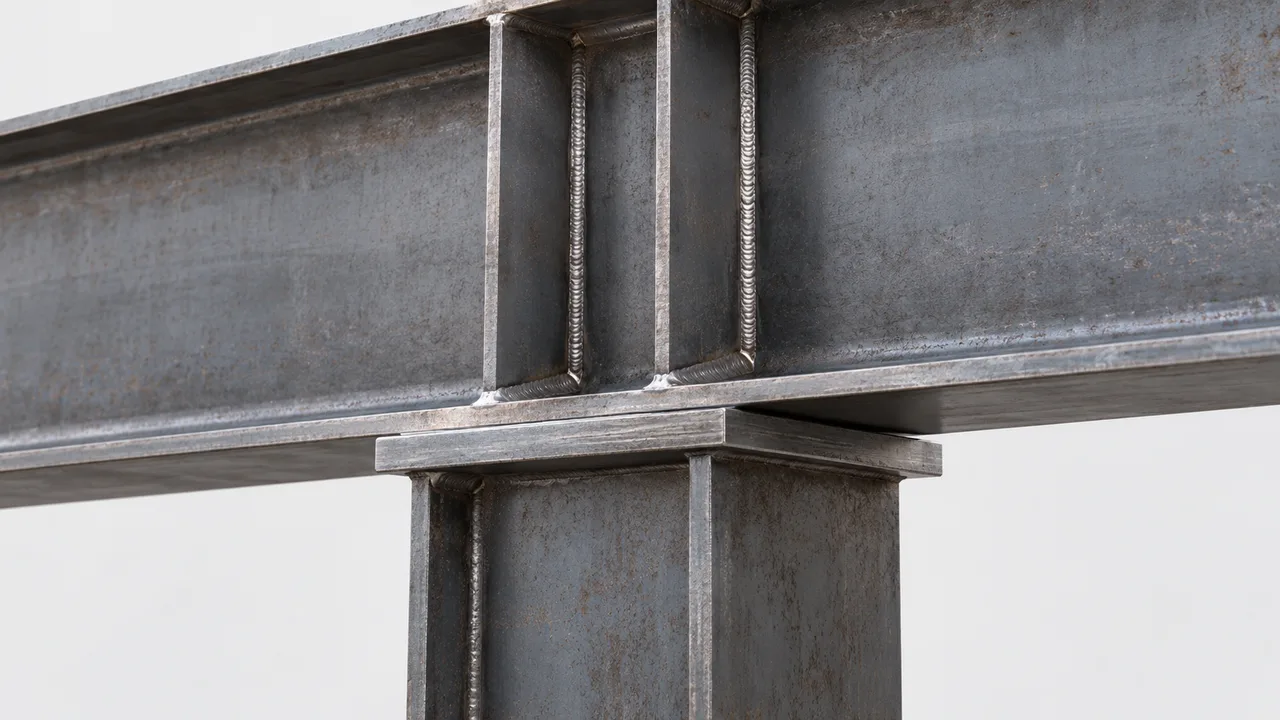
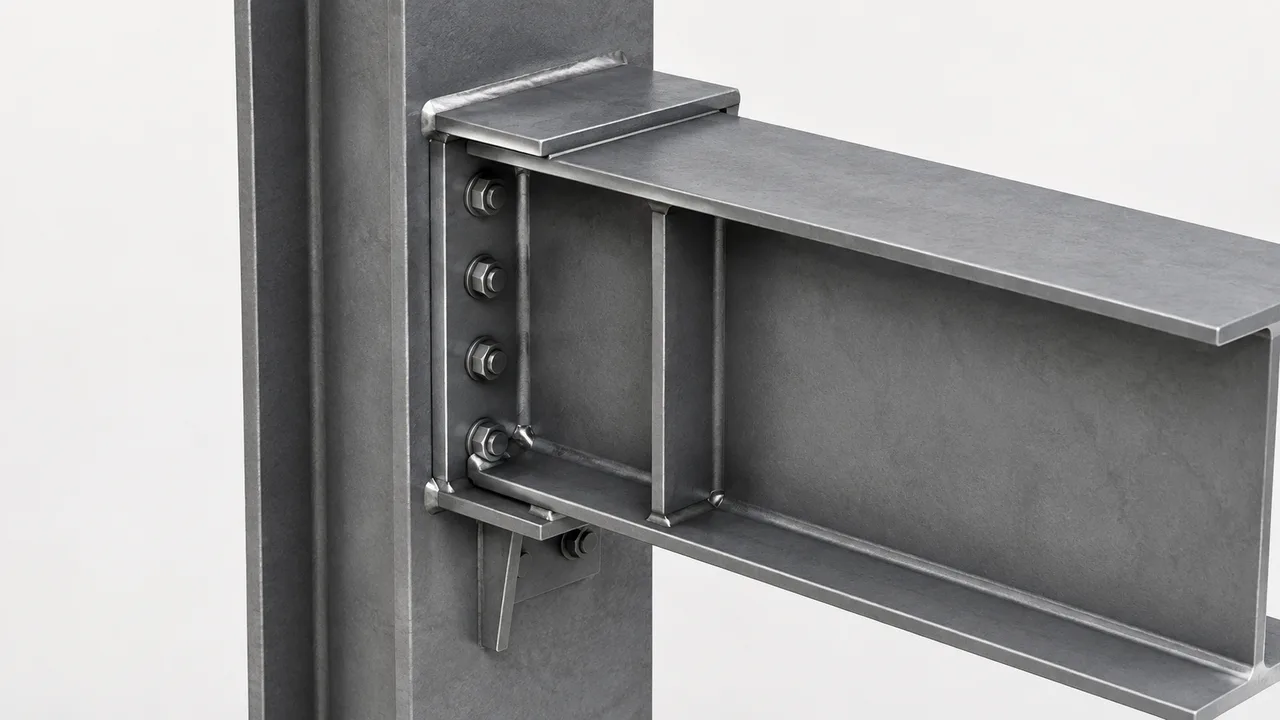
Processed materials are assembled into structural members such as welded beams, columns, trusses, brackets, and connection assemblies. Controlled fit-up and welding procedures help maintain geometry and connection compatibility throughout production.
Surface Treatment
Depending on project conditions, structural components may receive shot blasting, industrial primers, multi-layer protective coatings, or hot-dip galvanizing where appropriate. The selected system should reflect environmental exposure and contractual requirements.
Packing and Delivery Preparation
Finished components are identified according to project schedules and organized into delivery packages. Clear member marking and coordinated packing simplify unloading, storage, and erection once materials arrive at the construction site.
Steel Structure Products We Manufacture and Fabricate
Steel Warehouse Structures
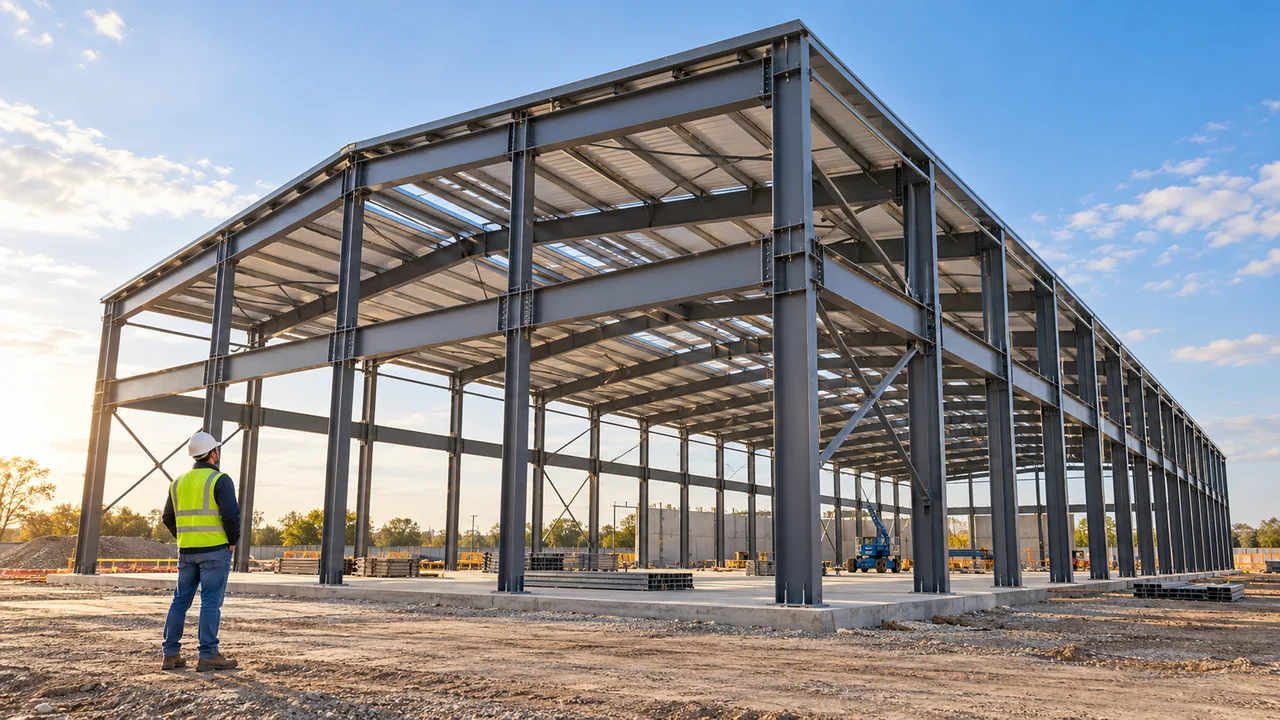
Warehouse structural packages may include portal frames, columns, rafters, bracing systems, purlins, wall members, connection plates, and supporting components for logistics centers, distribution buildings, and storage facilities.
Steel Factory Structures
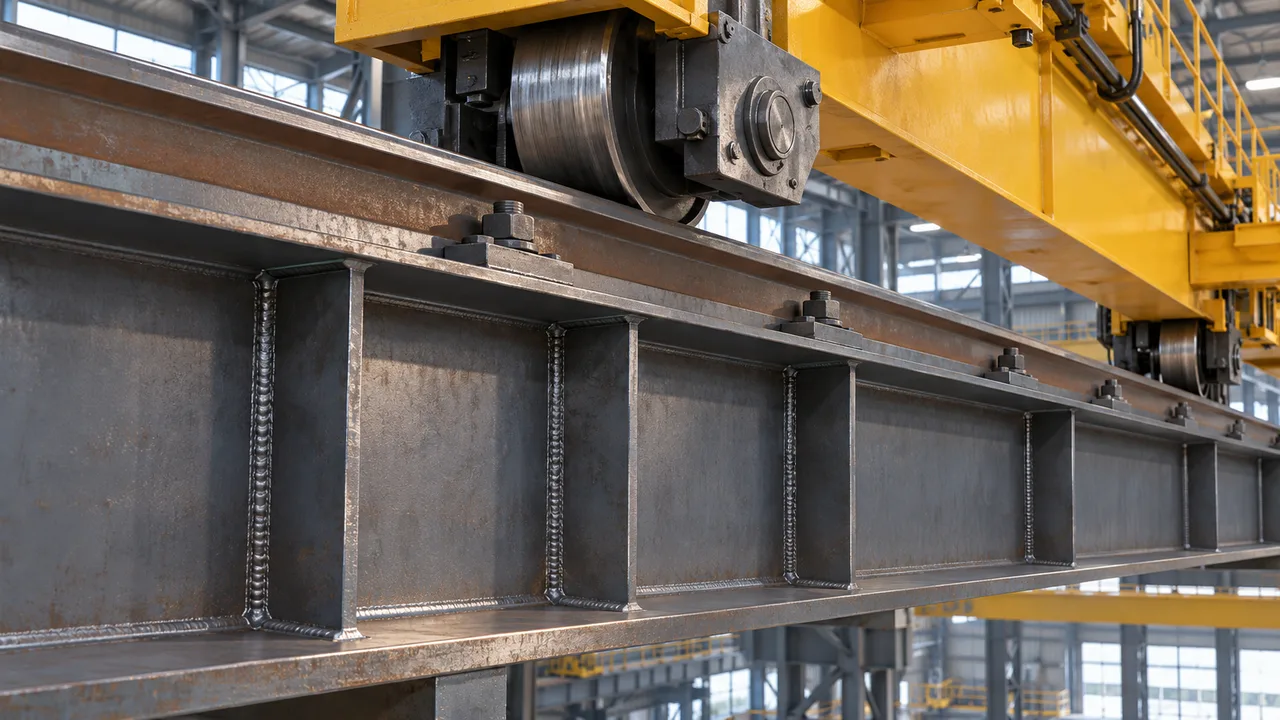
Factory projects often require higher clearances, heavy structural members, crane-support systems, equipment interfaces, and large-span production spaces. Fabrication can be coordinated according to manufacturing layouts and operational requirements.
Steel Workshop Structures
Workshop structures can support manufacturing, maintenance, assembly, vehicle servicing, and industrial operations. Flexible frame configurations allow internal layouts to adapt to equipment and workflow requirements.
Commercial Steel Structures
Commercial projects may include offices, retail buildings, showrooms, exhibition facilities, and mixed-use developments requiring structural flexibility and coordination with architectural systems.
Agricultural Steel Structures
Agricultural packages can support machinery storage, livestock facilities, grain warehouses, processing buildings, and other rural infrastructure requiring economical and durable structural systems.
Large-Span and Truss Structures
Large-span roofs, industrial trusses, transfer trusses, and spatial assemblies require careful control of geometry, splice locations, welding sequences, transportation dimensions, and erection interfaces.
Customized Industrial Steel Structures
Custom fabrication can include equipment support frames, industrial platforms, process structures, utility buildings, heavy assemblies, and other project-specific steel components.
Heavy and Light Steel Structure Fabrication Capability
Heavy Steel Components
Heavy fabrication may include large built-up columns, fabricated beams, thick connection plates, heavy industrial frames, and members designed for concentrated operational loads.
These components require suitable workshop handling capacity, controlled welding procedures, dimensional inspection, and coordinated lifting arrangements.
Light Steel Components
Secondary structural systems such as purlins, girts, small braces, supporting frames, and lightweight members can be produced alongside primary steelwork.
Mixed Structural Packages
Manufacturing both primary and secondary structures through one coordinated workflow can simplify procurement and reduce the need for clients to manage multiple suppliers for related building components.
Manufacturing According to Customer Drawings
Engineering Drawing Review
Before production begins, drawings are reviewed for member dimensions, material grades, connection configurations, welding requirements, tolerances, and project-specific instructions.
Potential fabrication issues should be identified before materials are processed so that clarification can occur without disrupting the production line.
Shop Drawing Coordination
Shop drawings provide workshop-level information including member identification, plate dimensions, hole patterns, welding symbols, assembly orientation, and related component references.
Accurate coordination helps ensure that components manufactured at different stages ultimately connect correctly during erection.
Fabrication Optimization
Production review can identify details that may be structurally valid but difficult to manufacture, transport, or install. Where appropriate, fabrication sequences, component segmentation, and assembly methods can be coordinated without changing the approved structural intent.
Precision CNC Steel Processing
Automated Cutting
CNC cutting improves component consistency and supports efficient material utilization. Accurate processing is particularly valuable for irregular plates, repeated parts, and components that depend on tight connection geometry.
CNC Drilling
Precise hole positioning helps maintain bolt alignment between mating members and reduces the need for field drilling or adjustment during erection.
Profiling and Edge Preparation
Structural members may require beveling, coping, end profiling, or weld preparation before assembly. Correct preparation improves fit-up quality and supports efficient downstream welding.
Welding and Assembly Capabilities
Structural Welding
Welding is performed using controlled procedures suitable for the relevant material, thickness, and joint configuration. Production sequencing is planned to maintain connection quality and dimensional stability.
Built-Up Steel Sections
Welded H-sections, variable-depth members, heavy columns, and custom fabricated profiles can be produced where standard rolled sections do not meet structural or geometric requirements.
Complex Connection Assemblies
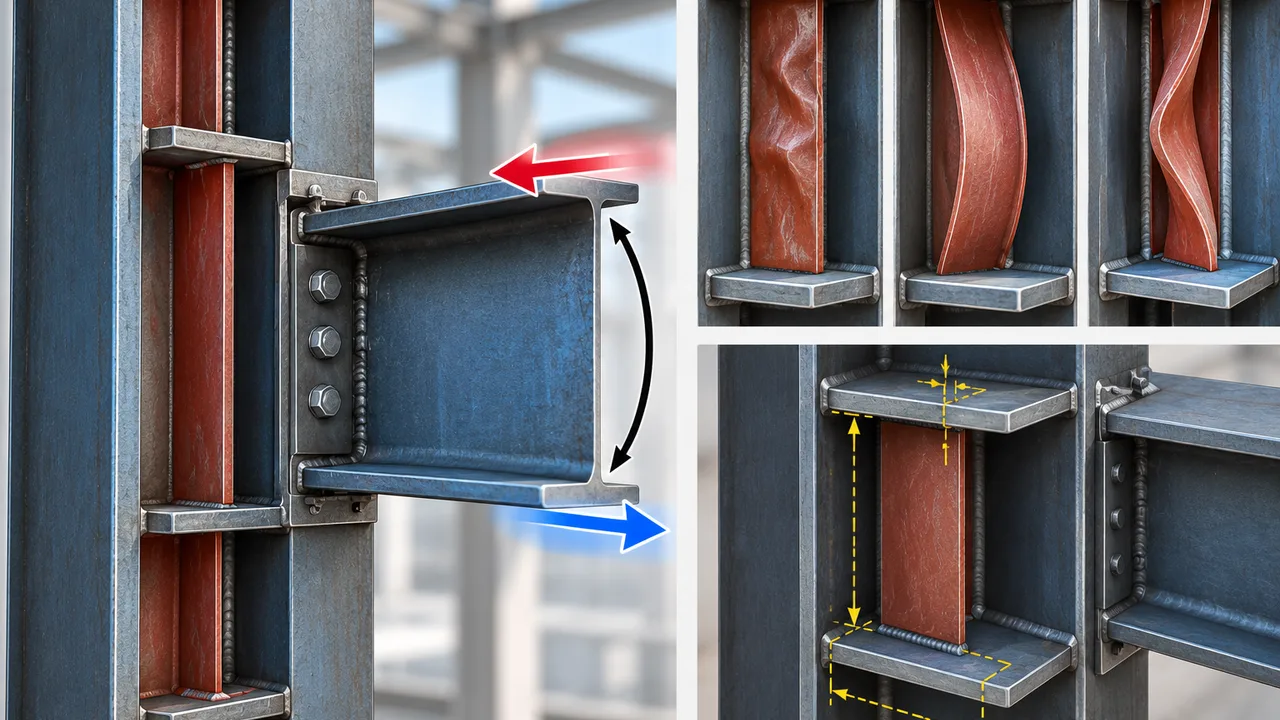
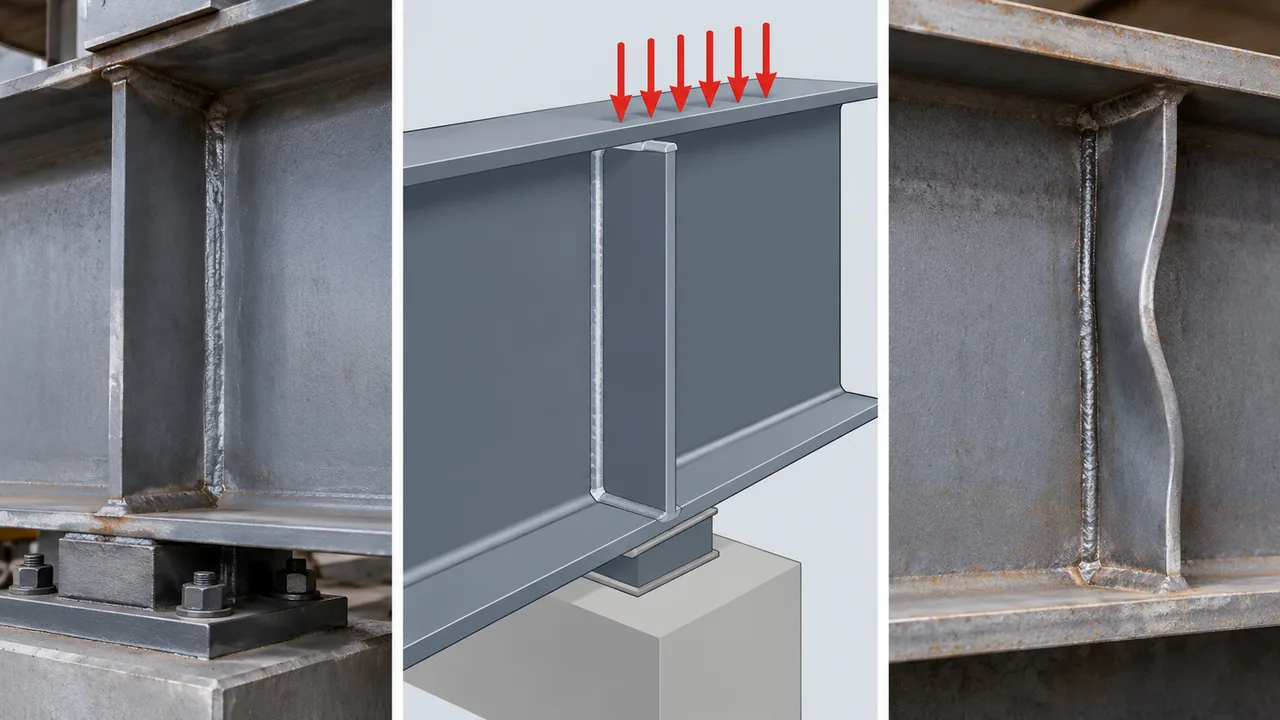
Connection zones may contain base plates, stiffeners, gusset plates, brackets, and multiple intersecting members. These areas require careful fit-up to preserve alignment and provide adequate access for welding and inspection.
Trial Assembly Where Required
Large trusses, multi-segment structures, complex nodes, and critical interfaces may be trial assembled in the workshop where appropriate. This provides an opportunity to confirm fit before components are shipped to site.
Quality Control Throughout Manufacturing
Material Verification
Material grades and documentation are reviewed according to project requirements. Traceability can be maintained where required to connect individual materials with production and inspection records.
Dimensional Inspection
Important dimensions such as overall member length, bolt-hole positions, diagonals, connection geometry, and mating interfaces are monitored during fabrication.
Welding Inspection
Visual inspection is performed as part of normal quality control, with additional non-destructive testing carried out where specified by the project.
Surface Treatment Inspection
Surface preparation, coating application, and final finish conditions are checked before components are released for packing.
Final Factory Inspection
Final checks verify quantities, identification, component condition, documentation, and readiness for shipment.
Manufacturing Capacity for Large Projects
High-Volume Production
Large industrial and construction projects may involve significant quantities of repeated columns, beams, braces, and secondary members. Coordinated scheduling allows production to progress according to construction priorities rather than treating every component independently.
Multiple Production Packages
Different building zones or construction phases can be manufactured in parallel when project schedules require it. Clear package identification helps maintain control over components produced through different workshop stages.
Customized and Non-Standard Production
Production capacity must also accommodate projects involving heavy members, special geometries, complex nodes, or structural assemblies that require additional handling and inspection.
Industries We Serve
Industrial Manufacturing
Steel structures support production plants, factories, workshops, crane systems, equipment areas, and future expansion requirements.
Logistics and Warehousing
Large-span warehouse systems provide flexible storage layouts, high clearances, loading zones, and compatibility with modern logistics operations.
Commercial Construction
Commercial steel structures can support retail developments, offices, exhibition halls, service facilities, and other projects requiring adaptable building layouts.
Agriculture
Agricultural steel buildings are used for storage, machinery, livestock, processing, and related farming infrastructure.
Mining and Energy
Mining and energy projects may require process structures, heavy equipment supports, platforms, workshops, and utility buildings.
Infrastructure
Transport-related buildings, public facilities, large-span roofs, and specialized infrastructure can require coordinated fabrication of both standard and non-standard steel components.
International Manufacturing and Export Services
Export-Oriented Fabrication
International projects require fabrication planning that considers transportation dimensions, packing methods, component identification, and installation sequencing before components leave the factory.
Container and Breakbulk Shipping
Shipping methods are selected according to component dimensions and weight. Standardized packages may fit within containers, while oversized structural elements may require breakbulk or specialized transportation.
Documentation and Project Coordination
Packing lists, component schedules, quality records, shipping information, and related project documentation support organized international delivery and site identification.
Advantages of Working With One Manufacturer and Fabricator
- One coordinated production responsibility
- Better engineering-to-fabrication communication
- Consistent quality management across structural packages
- Simplified procurement for primary and secondary steelwork
- Reduced interface risk between separate suppliers
- More coordinated production scheduling
- Organized packaging and delivery preparation
- Support for complete or partial structural packages
Using one steel structure manufacturer and fabricator can simplify technical coordination because the same production system manages material processing, fabrication, inspection, and delivery preparation.
Why Choose XTD Steel Structure?
Manufacturing Experience
Experience across warehouse, factory, commercial, agricultural, large-span, and customized projects supports flexible manufacturing for different structural requirements.
Advanced Fabrication Equipment
CNC cutting, drilling, welding, assembly, and related manufacturing equipment support both repetitive production and customized structural packages.
Engineering Coordination
Technical review helps identify manufacturing interfaces, connection requirements, transportation limitations, and production priorities before fabrication begins.
Quality Management
Inspection checkpoints are integrated throughout material processing, assembly, welding, surface treatment, and final delivery preparation.
International Project Capability
XTD Steel Structure combines manufacturing capacity with export packing, logistics planning, documentation, and coordination for international steel construction projects.
Frequently Asked Questions
What is the difference between a steel structure manufacturer and fabricator?
A manufacturer typically manages the broader production process, while fabrication refers specifically to converting steel materials into project-defined components and assemblies. A company covering both scopes can coordinate material preparation, fabrication, inspection, and delivery within one workflow.
Can you manufacture according to our structural drawings?
Yes. Production can be carried out according to customer drawings and technical specifications after engineering and fabrication review.
Can you fabricate both heavy and light steel structures?
Yes. Manufacturing can include heavy primary members such as columns and beams together with lighter secondary components such as purlins, girts, and supporting frames.
Can you supply a complete steel structure package?
Yes. Depending on project scope, the package can include primary structural members, secondary framing, connection components, and specified project accessories.
Can you manufacture for international projects?
Yes. Export-oriented projects can include component identification, quality documentation, international packing, container or breakbulk planning, and coordinated shipping preparation.
Request a Steel Structure Manufacturing and Fabrication Quote
If you need a reliable steel structure manufacturer and fabricator for a complete project package or selected structural components, submit your drawings, bill of materials, material specifications, quantities, coating requirements, project destination, and expected schedule. Our team can review the manufacturing scope and develop a production plan aligned with your technical and delivery requirements.