Turnkey Steel Structure Manufacturing for Complete Project Delivery
Turnkey steel structure manufacturing is designed to reduce communication gaps between design intent, factory production, and construction site requirements. The process begins with a clear review of project information, including building size, use, span, height, load conditions, local climate, delivery schedule, and installation expectations.
From there, the manufacturer coordinates engineering interpretation, fabrication drawings, material planning, production sequence, surface treatment, packaging, and delivery support. When these tasks are managed under one coordinated system, the project becomes easier to control and easier to execute.
For buyers who need more than simple steel supply, turnkey service provides a practical way to reduce project risk, improve schedule planning, and keep responsibility clearer throughout the project cycle.
What Turnkey Service Means in Steel Structure Projects
Engineering and Technical Coordination
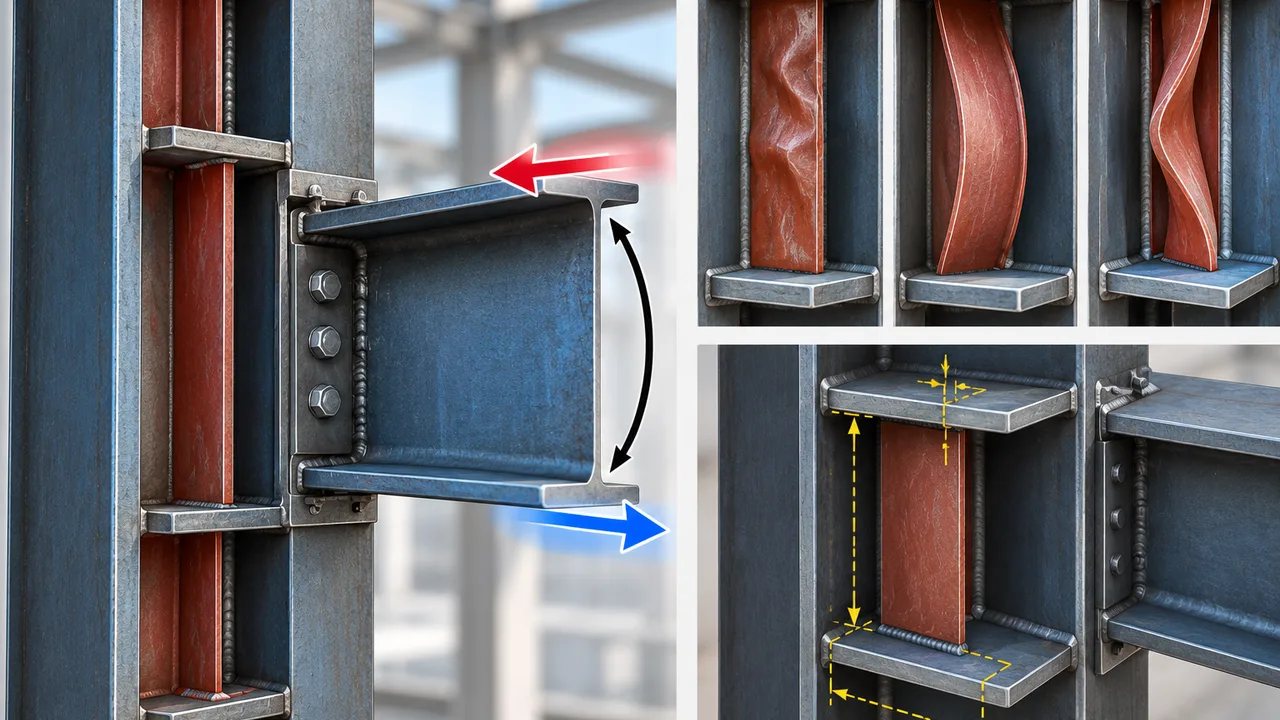
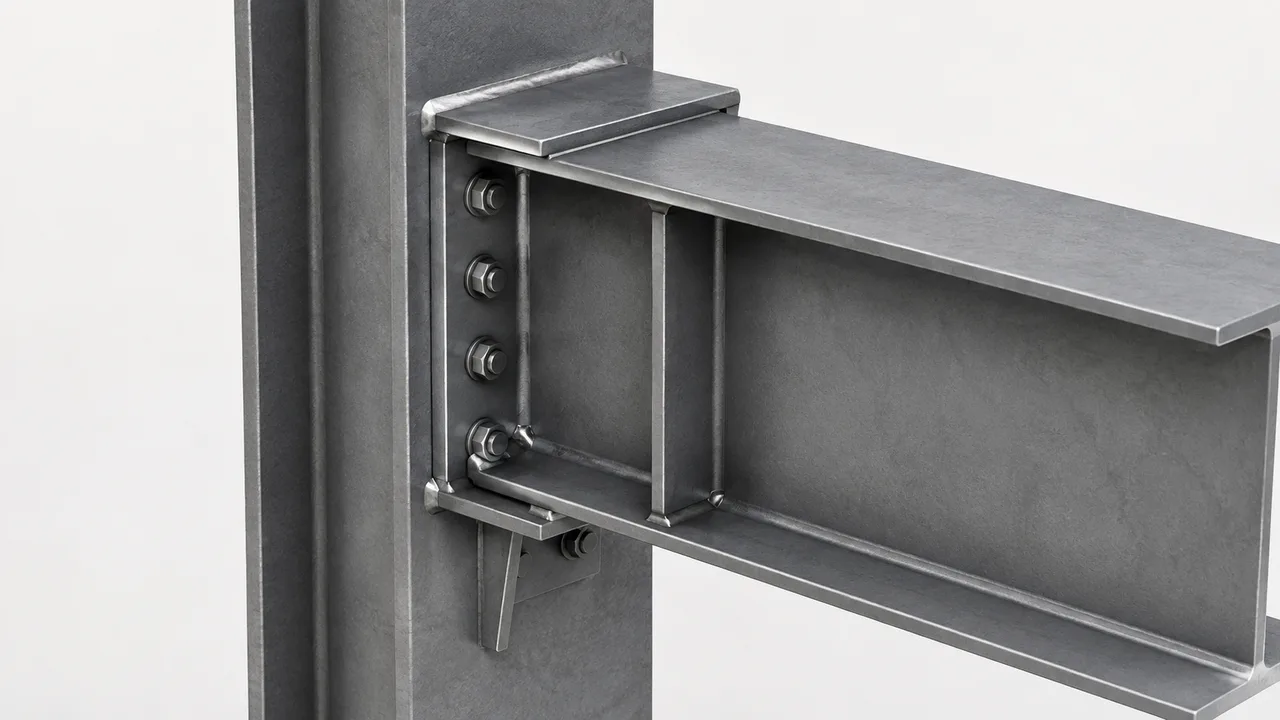
Technical coordination is the foundation of a successful steel structure project. Before production begins, the manufacturer should review drawings, design requirements, connection logic, material specifications, load conditions, roof and wall systems, and installation constraints.
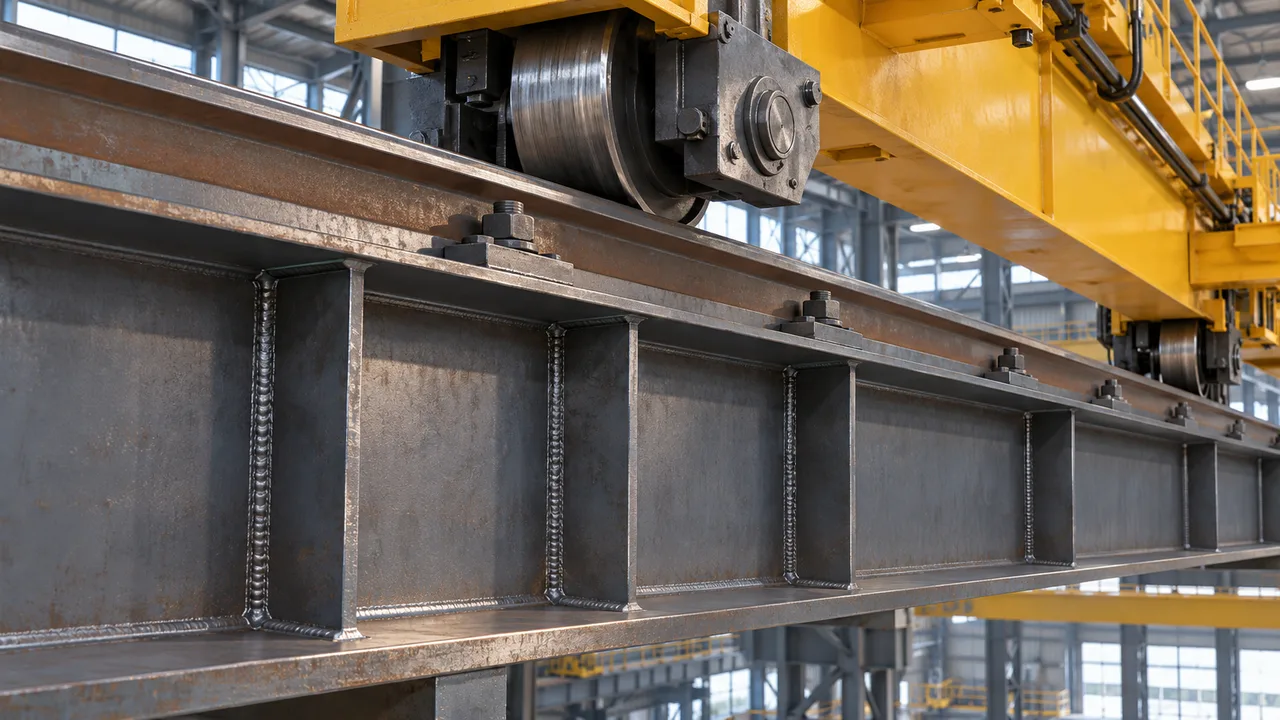
This step helps identify potential conflicts before they become site problems. For example, column spacing, crane requirements, mezzanine loads, door openings, bracing layout, and anchor bolt positions must all be coordinated carefully before fabrication.
Fabrication and Quality Control
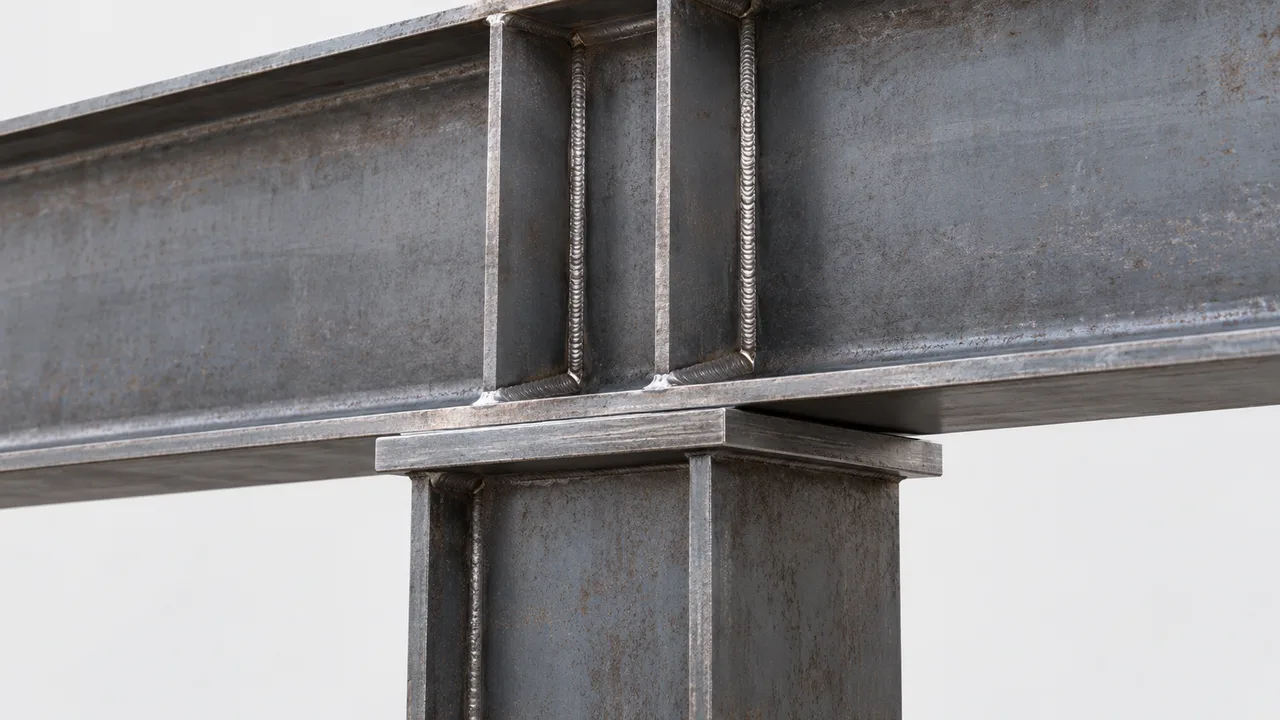
After the technical direction is confirmed, fabrication begins under controlled factory conditions. Steel components are cut, drilled, welded, assembled, inspected, marked, and prepared according to approved production information. CNC processing, welding control, dimensional checks, and surface preparation all affect how smoothly the structure can be installed later.
Quality control is not only about checking finished products. It should be built into the entire manufacturing process, from material procurement to final release before shipment.
Packing, Delivery, and Installation Support
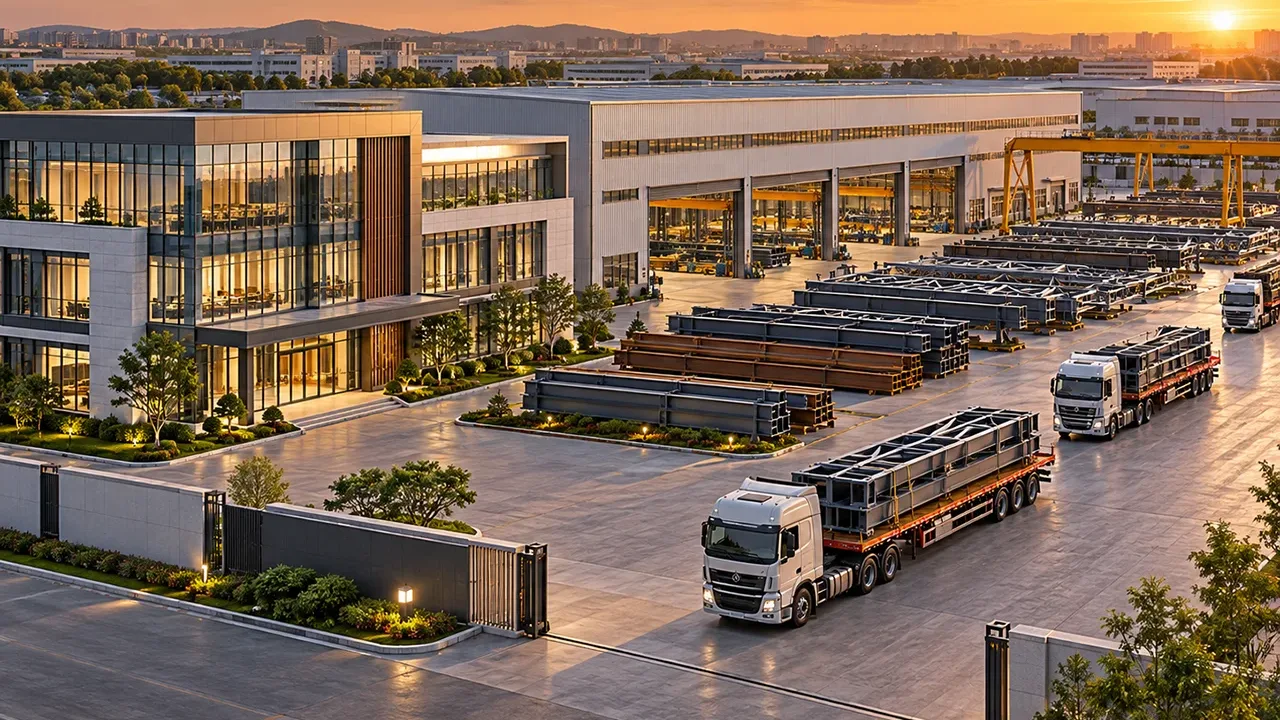
Turnkey service also includes organized packing, delivery planning, and installation support. Components should be marked clearly, packed according to transport requirements, and grouped in a way that supports the erection sequence. For export projects, container loading, packing lists, part identification, and drawing clarity become especially important.
Installation support may include guidance drawings, technical communication, erection sequence suggestions, and coordination with the client’s local construction team.
Why Work with a Manufacturer Instead of Separate Suppliers?
Working with separate suppliers can be practical for simple projects, but larger steel structure buildings often require stronger coordination. When design interpretation, fabrication, coating, packing, and delivery are handled separately, responsibility can become unclear. One team may blame another, and the owner may need to solve technical conflicts between different parties.
A turnkey manufacturer provides a more integrated path. The same project logic connects technical review, material preparation, production, inspection, packaging, and delivery support. This reduces the chance of missing parts, mismatched components, unclear drawings, or delayed communication.
- Clearer accountability: one coordinated manufacturing partner manages the main steel structure delivery scope.
- Better interface control: drawings, components, coatings, and packing can be reviewed together.
- Fewer site delays: accurate marking and organized delivery help the installation team work more efficiently.
- More predictable planning: production and shipping can be scheduled around actual project priorities.
Project Types Suitable for Turnkey Steel Structure Service
Industrial Buildings and Workshops
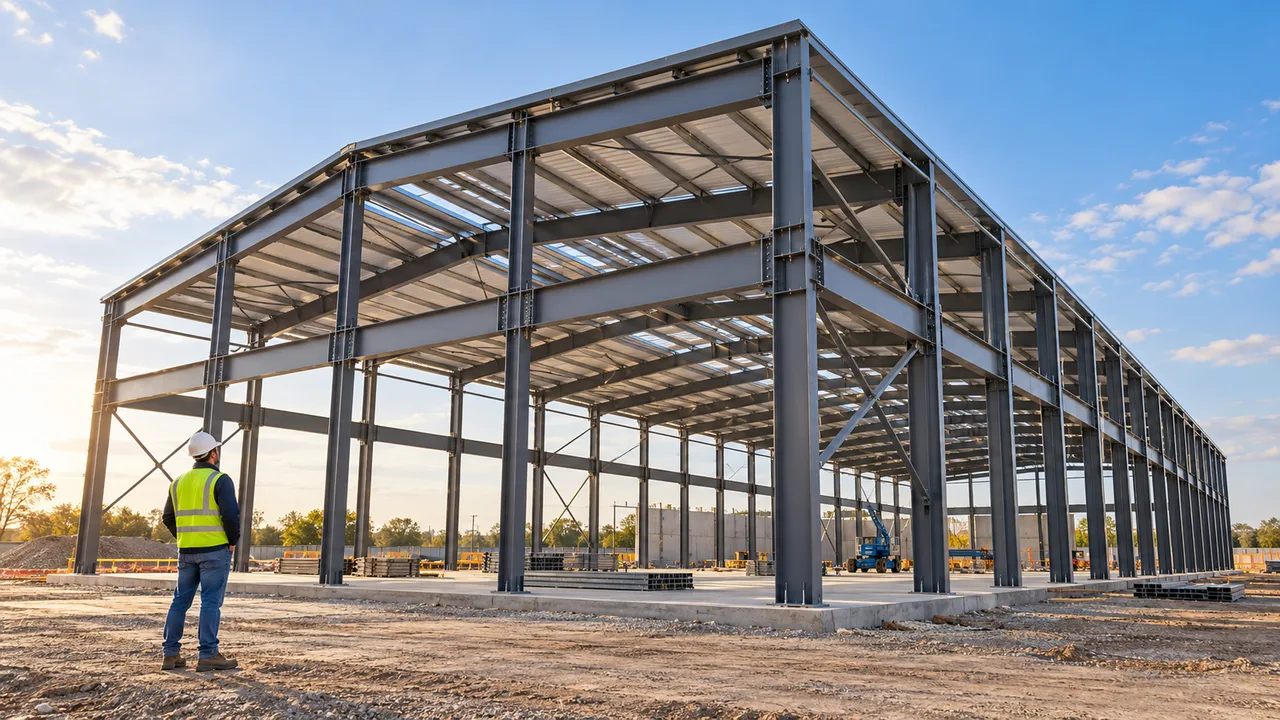
Factories, production halls, machine workshops, processing facilities, and industrial plants often need customized steel structures based on production flow, equipment layout, crane use, ventilation, and future expansion. A turnkey service helps coordinate these requirements before the steel members enter production.
Warehouses and Logistics Facilities
Warehouses and logistics buildings may require large spans, high clear height, loading docks, racking coordination, roof drainage, wall cladding, and efficient installation schedules. Turnkey manufacturing helps align structural fabrication with the building’s storage and logistics requirements.
Agricultural and Commercial Steel Buildings
Agricultural sheds, livestock buildings, market halls, showrooms, and commercial steel buildings need structures that match both function and budget. These projects may involve ventilation, corrosion protection, roof insulation, customer-facing façades, or flexible internal layouts.
Overseas Prefabricated Steel Structure Projects
Export projects benefit strongly from turnkey coordination because the buyer may not have direct access to the factory during production. Clear drawings, accurate part marking, export packing, container planning, and installation documentation help reduce confusion after the steel structure arrives on site.
Key Capabilities of a Turnkey Steel Structure Manufacturer
Custom Structural Design Support
Every project has different requirements. A manufacturer should be able to support project-specific dimensions, structural spans, column spacing, roof slope, building height, crane loads, wind loads, snow loads, seismic requirements, and expansion plans.
The goal is not to force every buyer into a standard building model, but to develop a steel structure solution that fits the project’s real conditions.
Integrated Steel Fabrication
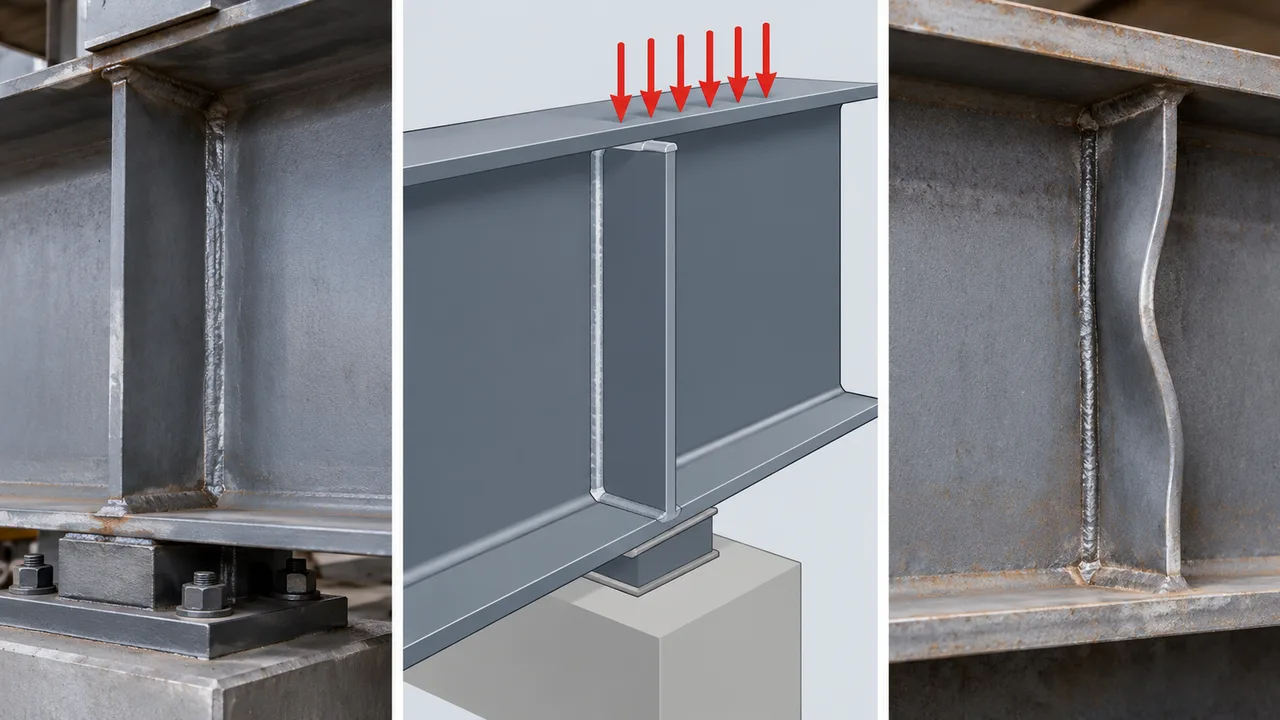
Integrated fabrication includes cutting, drilling, welding, plate preparation, fitting, component assembly, and dimensional inspection. When these processes are managed together, the final components are more likely to fit correctly during installation.
For complex buildings, trial assembly or special inspection may be required for critical components, connection zones, or large fabricated sections.
Surface Protection and Coating Options
Surface protection should match the project environment. Options may include blasting, primer, anti-corrosion coating, finish painting, or galvanizing for selected components. A building in a dry inland area may need a different protection system from a project in a coastal, humid, or industrial environment.
International Project Coordination
For overseas projects, manufacturing is only part of the delivery challenge. Documentation, packing list preparation, container loading, shipping sequence, component marking, and installation reference drawings all need to be organized clearly.
Recommended Scope of Turnkey Service
The table below shows a practical turnkey scope for steel structure projects. The exact scope can be adjusted based on project size, contract requirements, and installation responsibility.
| Service Stage | What Is Included | Project Benefit |
|---|---|---|
| Requirement Review | Building use, size, layout, loads, location, and schedule review | Clarifies project direction before detailed work begins |
| Engineering Coordination | Structural concept, connection logic, roof and wall coordination | Reduces conflicts between design and fabrication |
| Shop Drawing and Detailing | Fabrication drawings, member details, bolt positions, part lists | Improves production accuracy and installation clarity |
| Material Procurement | Steel plate, sections, bolts, cladding, and related materials | Helps align material supply with production schedule |
| Steel Fabrication | Cutting, drilling, welding, fitting, and component assembly | Creates project-ready steel members under factory control |
| Surface Treatment | Blasting, coating, painting, or galvanizing where required | Improves corrosion protection and long-term durability |
| Quality Inspection | Material checks, dimensional inspection, welding review, coating checks | Reduces production errors before delivery |
| Packing and Delivery | Component marking, export packing, loading plan, delivery sequence | Supports easier unloading and installation on site |
| Installation Guidance | Erection drawings, sequence advice, technical communication | Helps the local team assemble the structure more efficiently |
| After-Delivery Support | Clarification of drawings, component identification, technical response | Provides continued support after materials arrive |
How Turnkey Manufacturing Helps Control Cost and Schedule
Cost and schedule problems often come from unclear scope, repeated drawing revisions, missing components, late material decisions, or poor installation planning. Turnkey manufacturing helps reduce these risks by connecting project stages earlier.
When engineering coordination, production planning, inspection, packing, and delivery are managed together, the manufacturer can arrange work according to project priority. Critical components can be produced first, packing can follow the erection sequence, and documentation can be prepared before shipment.
A steel structure manufacturer with turnkey service also helps reduce hidden costs caused by rework, site waiting time, emergency modification, and unclear technical responsibility.
Quality Control from Factory to Site
Material and Dimensional Checks
Material certificates, steel grades, member sizes, plate thicknesses, bolt hole positions, and component markings should be checked before shipment. These details directly affect installation efficiency and structural reliability.
Welding and Assembly Inspection
Welding quality, connection fit, component tolerance, and assembly accuracy are important for both safety and installation speed. Inspection during production helps identify problems before the components leave the factory.
Coating and Packing Review
Surface finish, coating thickness, drying condition, damaged coating areas, packing protection, and labeling should be reviewed before delivery. Good packing reduces transport damage and makes the installation team’s work easier.
Why Choose XTD Steel Structure
XTD Steel Structure supports steel structure projects with engineering coordination, steel processing, fabrication, quality inspection, surface treatment, export packing, and installation support. This makes the company suitable for clients who need more than basic steel member supply.
As a steel structure manufacturer with turnkey service, XTD Steel Structure can help coordinate project information from early technical review to organized delivery. The focus is on practical manufacturing, accurate components, clear documentation, and smoother project execution.
For overseas buyers, this coordinated approach can be especially valuable because fabrication quality, packing clarity, and installation guidance all influence how efficiently the building can be assembled after arrival.
Project Workflow with a Turnkey Steel Structure Manufacturer
Requirement Collection and Technical Proposal
The process begins with project drawings, building function, dimensions, load requirements, site location, climate conditions, delivery expectations, and installation needs. Based on this information, the technical team can prepare a practical project proposal.
Design Coordination and Production Planning
After the main direction is confirmed, drawings, connection details, material lists, coating requirements, and production sequence are coordinated. This stage helps prepare the project for controlled factory fabrication.
Fabrication, Inspection, and Surface Treatment
Steel members are processed, welded, drilled, assembled, inspected, and treated according to project requirements. Quality checks are carried out before components are released for packing and shipment.
Packing, Delivery, and Installation Support
Finished components are marked, packed, and delivered according to the project plan. Installation guidance and technical communication can support the local team during site erection.
Steel Structure Manufacturer with Turnkey Service FAQs
What does turnkey service include in a steel structure project?
Turnkey service can include requirement review, engineering coordination, shop drawings, material procurement, fabrication, surface treatment, quality inspection, packing, delivery, and installation guidance. The final scope depends on the project agreement.
Can the manufacturer support both design and fabrication?
Yes. A qualified manufacturer can support design coordination, detailing, fabrication planning, and production. For some projects, local code approval or licensed structural design may still need to be handled according to local regulations.
Is turnkey service suitable for overseas projects?
Yes. Turnkey service is especially useful for export projects because packing, marking, documentation, container loading, and installation clarity are critical when the project site is far from the factory.
Does turnkey service include installation?
It can include installation guidance, technical support, and erection documentation. Full on-site installation depends on the project location, contract scope, and local construction arrangement.
How does turnkey manufacturing reduce project risk?
It reduces risk by connecting engineering, production, inspection, packing, delivery, and installation support under one coordinated workflow. This helps prevent missing parts, drawing conflicts, unclear responsibility, and avoidable site delays.
Start a Coordinated Steel Structure Project
Choosing a steel structure manufacturer with turnkey service can make project delivery more organized, especially when the building involves custom engineering, overseas delivery, strict schedule control, or complex installation requirements.
To begin, share your drawings, building use, dimensions, load requirements, project location, delivery schedule, coating needs, and installation expectations. With coordinated planning from the start, your steel structure project can move from technical review to fabrication, delivery, and site assembly with fewer risks and clearer execution.