Steel Structure Business
Product Description

The global steel structure business has evolved beyond material supply into a fully integrated industry combining engineering, manufacturing, and project execution. Today, companies no longer seek raw steel alone—they require complete structural solutions that support efficiency, scalability, and long-term operational performance.
Modern steel business solutions focus on delivering engineered systems that simplify construction while maintaining structural reliability. From industrial buildings to infrastructure facilities, steel-based solutions enable faster project timelines, predictable costs, and adaptable design frameworks across multiple sectors.
With extensive experience serving international markets, XTD Steel Structure operates at the intersection of engineering expertise and global supply capability, supporting clients who require dependable steel structure systems for complex construction projects.
What We Build
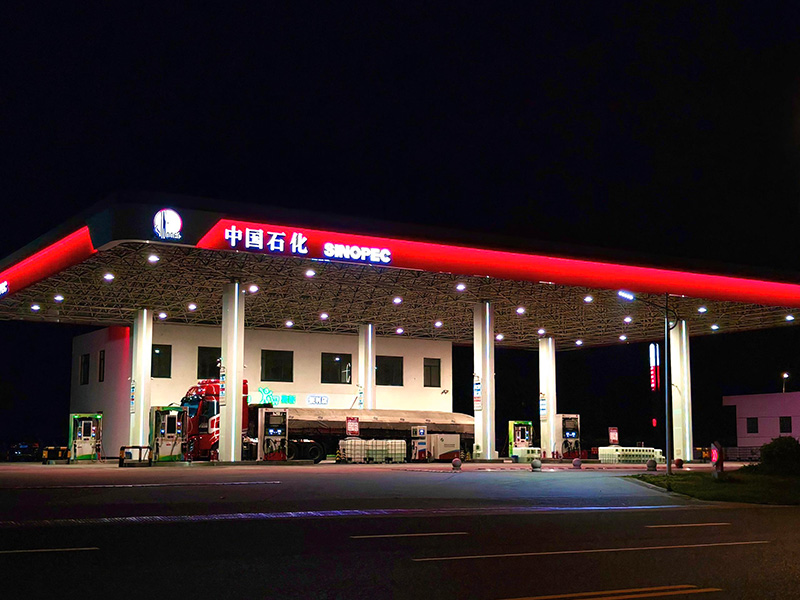
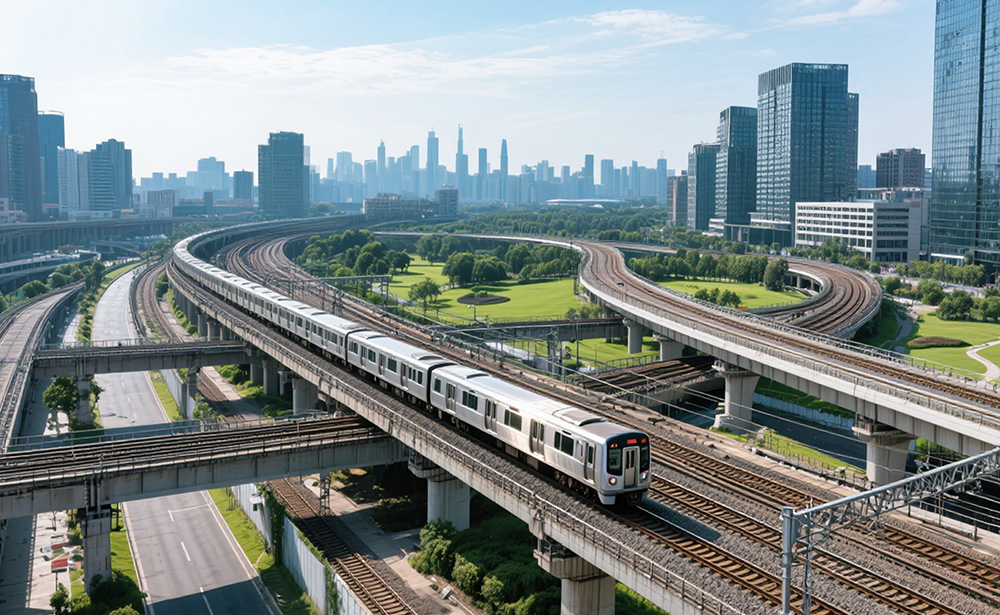
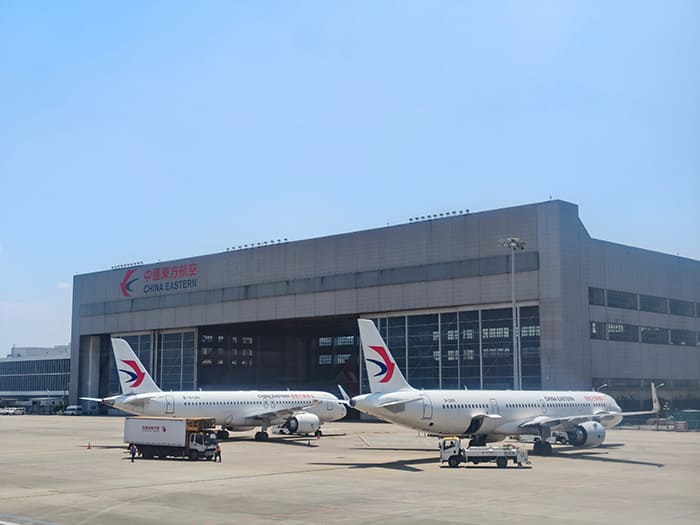
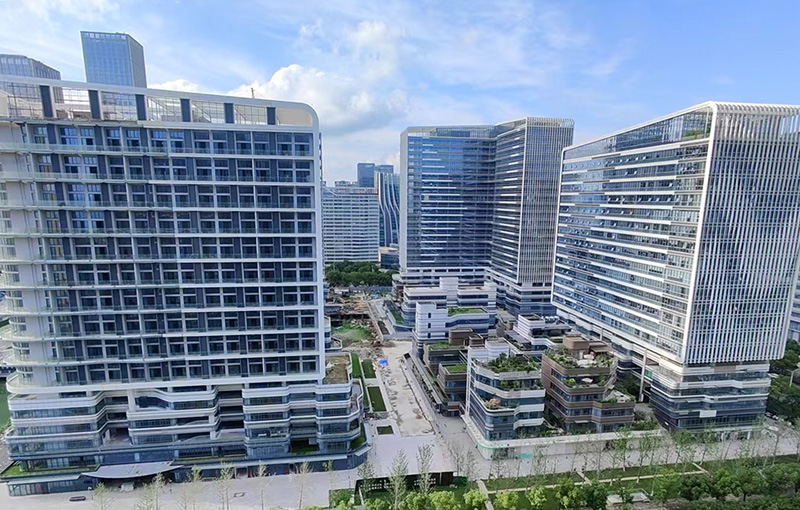
We support business-driven construction projects including industrial facilities, logistics centers, production workshops, commercial buildings, infrastructure structures, transportation facilities, and large-span steel buildings designed for operational efficiency.
Our Products
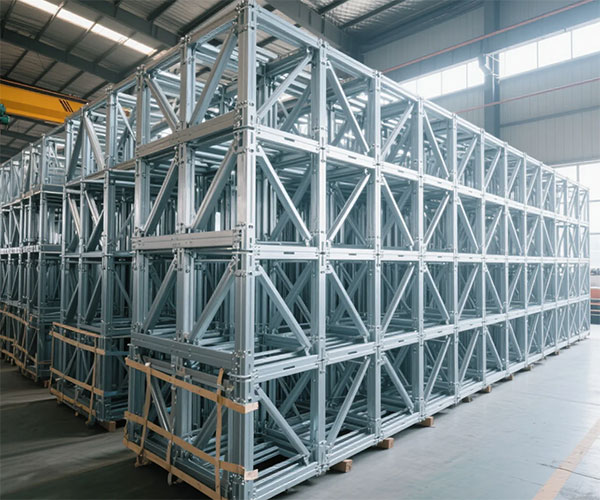
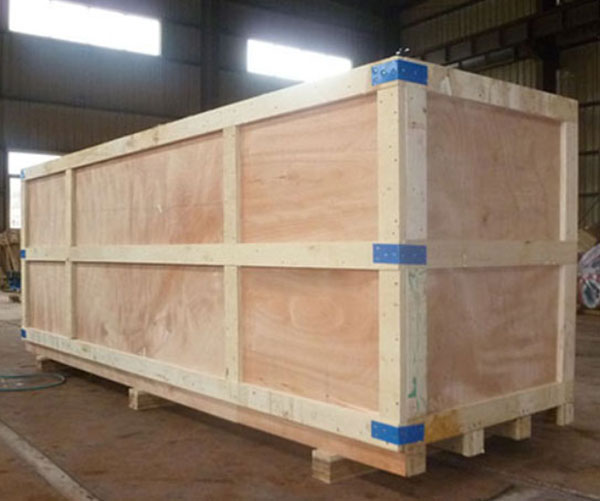
Our portfolio includes rigid steel frames, prefabricated structural systems, space trusses, steel platforms, modular components, and engineered steel assemblies that form the foundation of scalable and repeatable construction solutions.
Our Projects
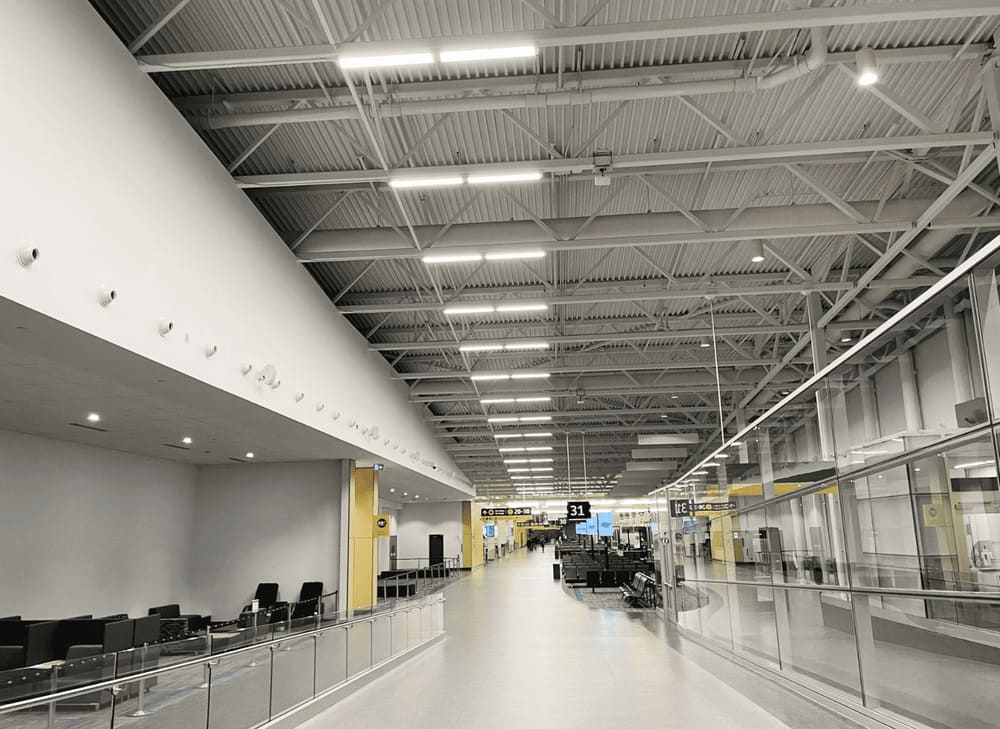
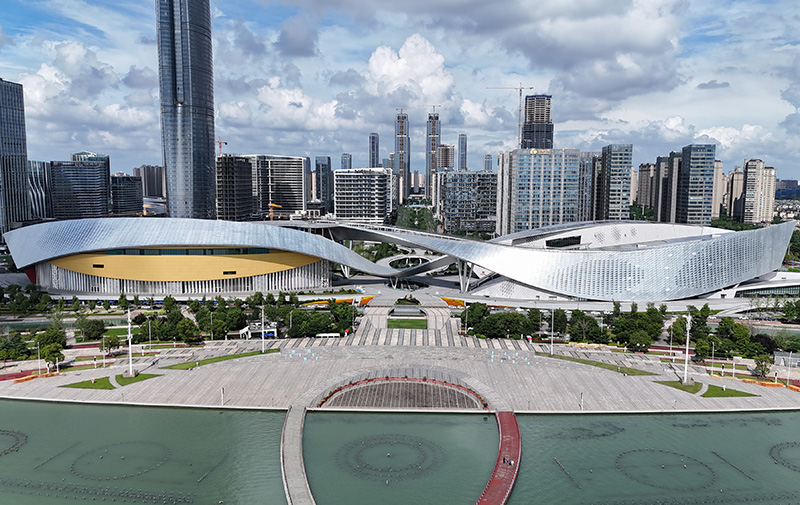
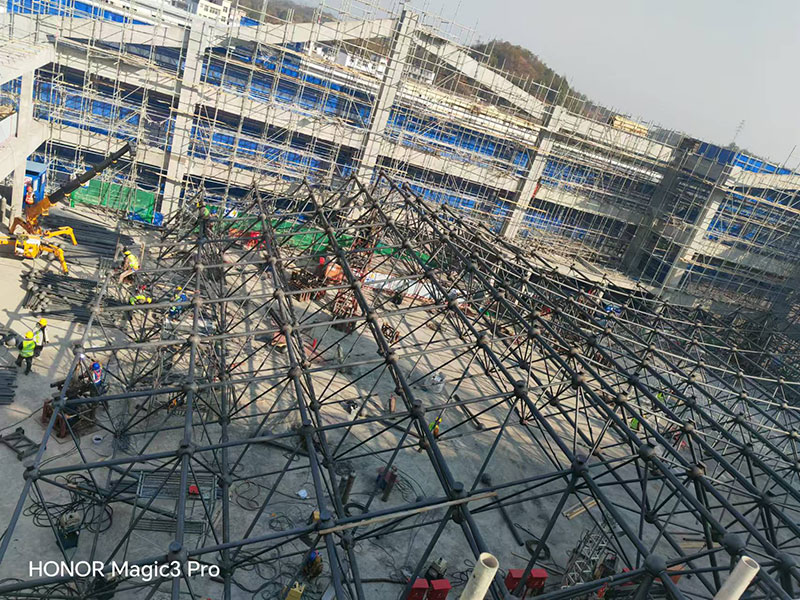
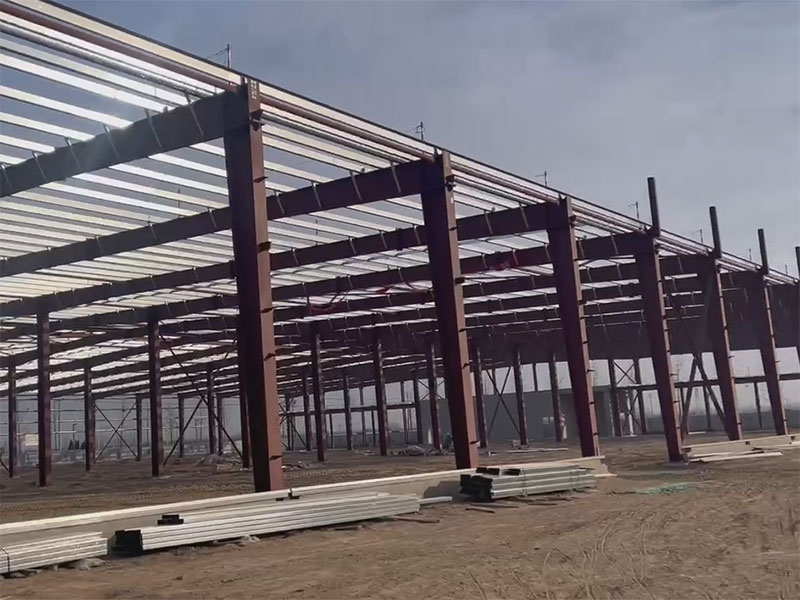
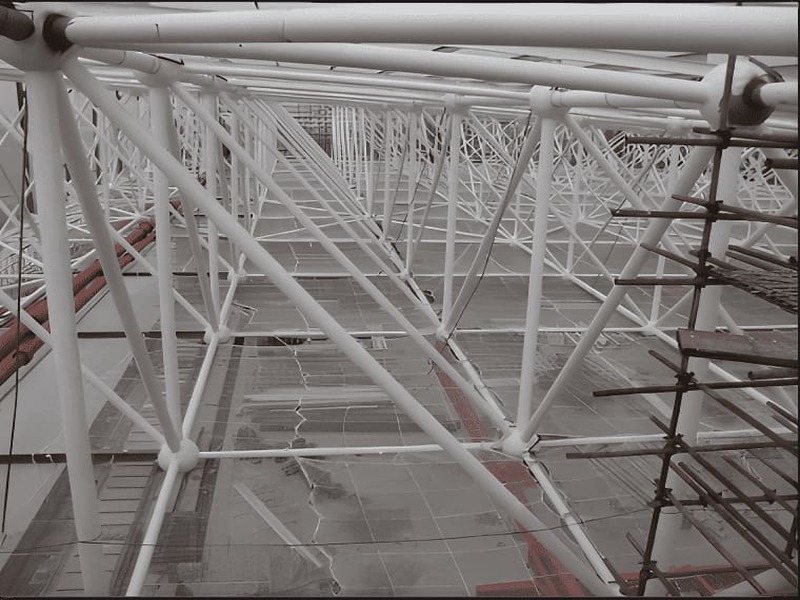
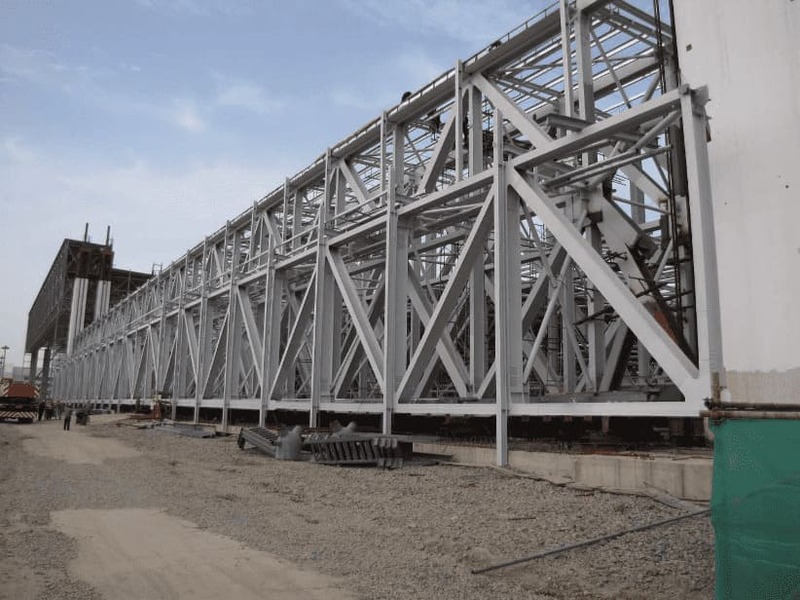
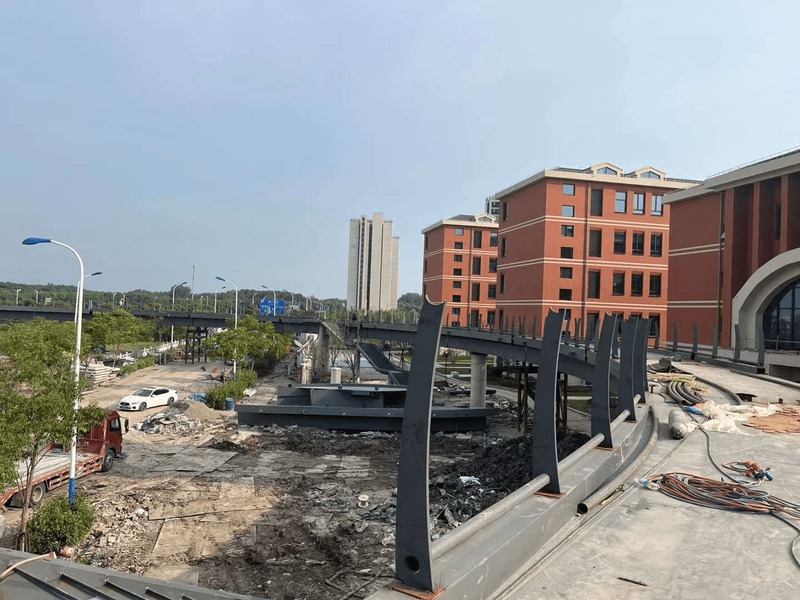
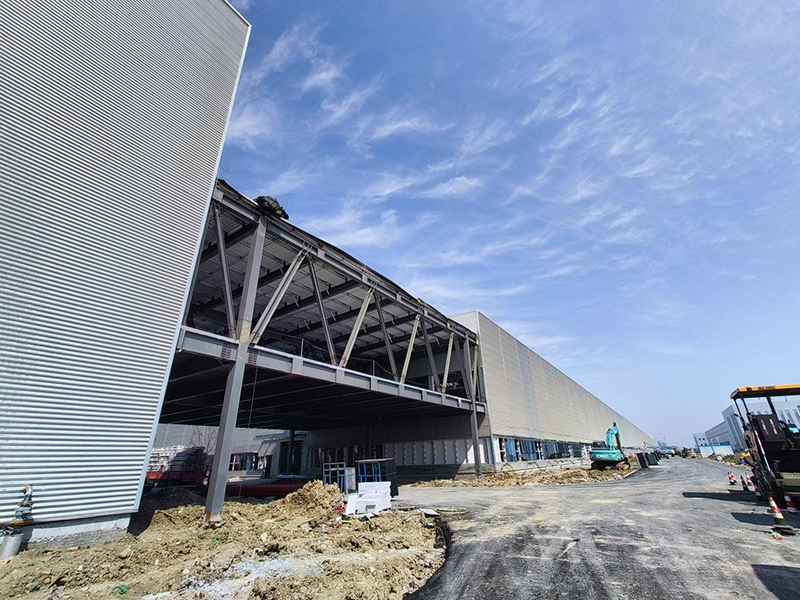
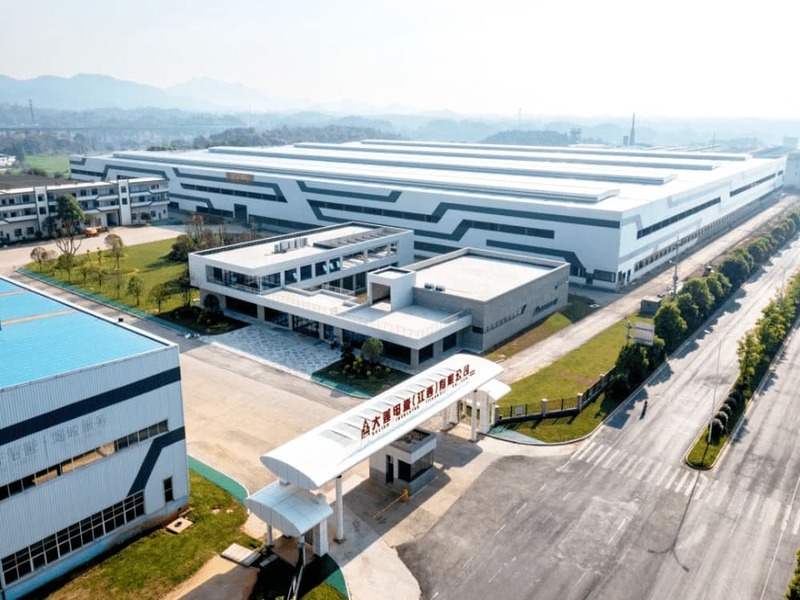
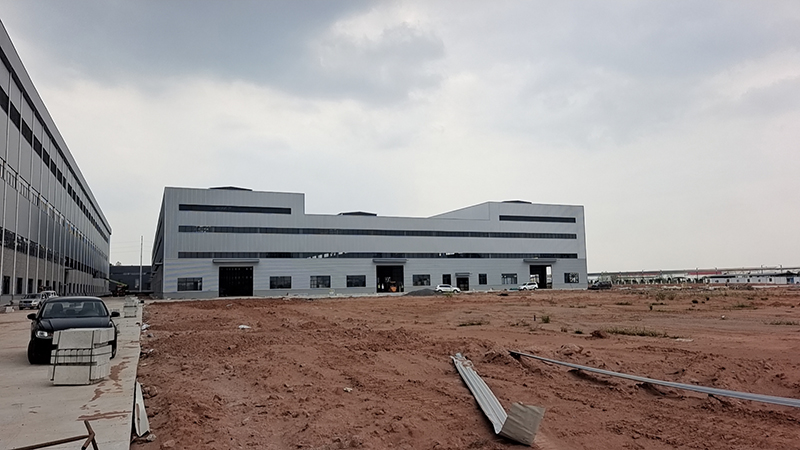
Across manufacturing zones, logistics hubs, export-oriented facilities, and infrastructure developments, XTD Steel Structure has contributed to projects that demonstrate how a structured steel business approach improves build quality, delivery speed, and lifecycle performance.
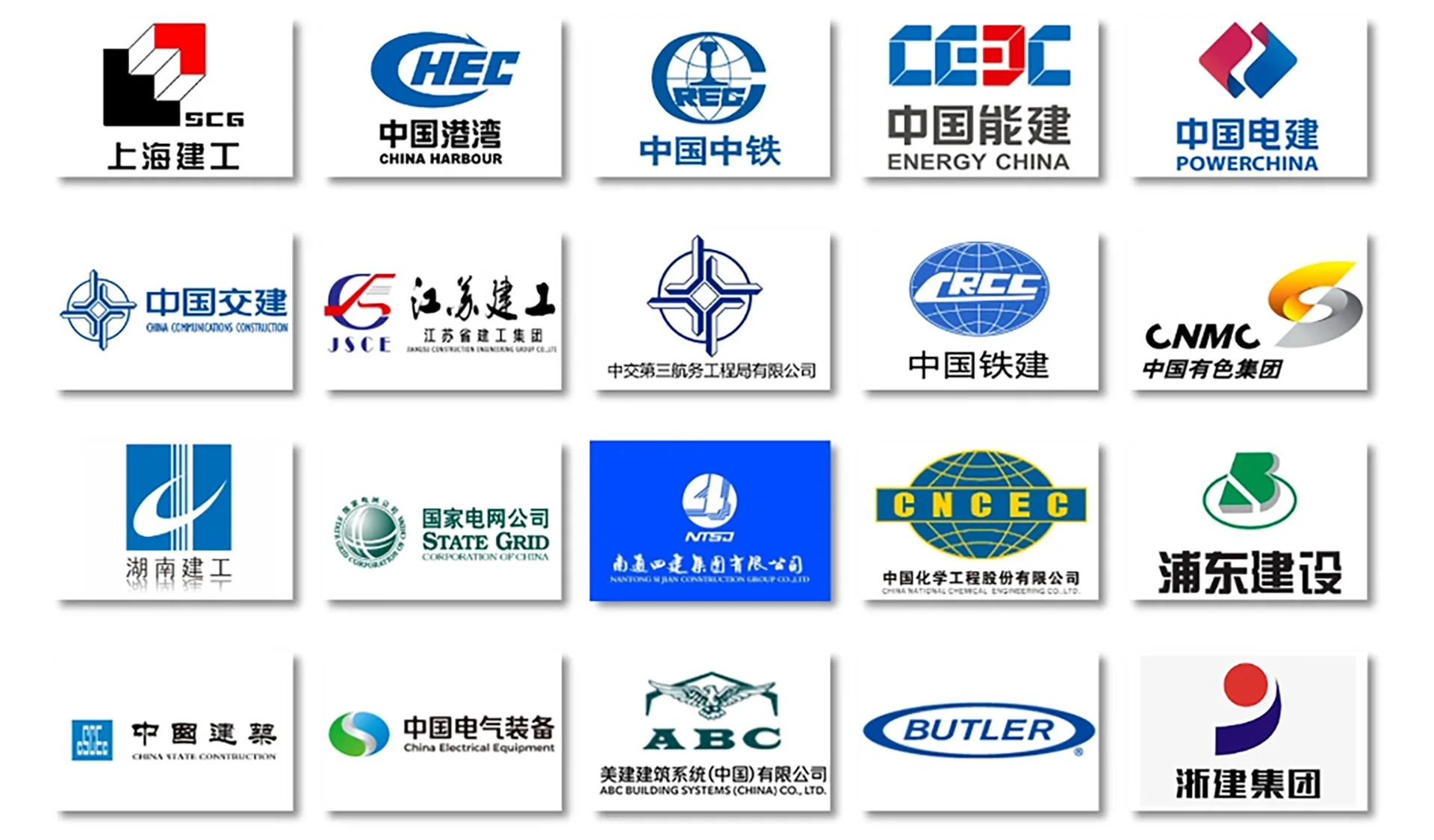
Our Clients
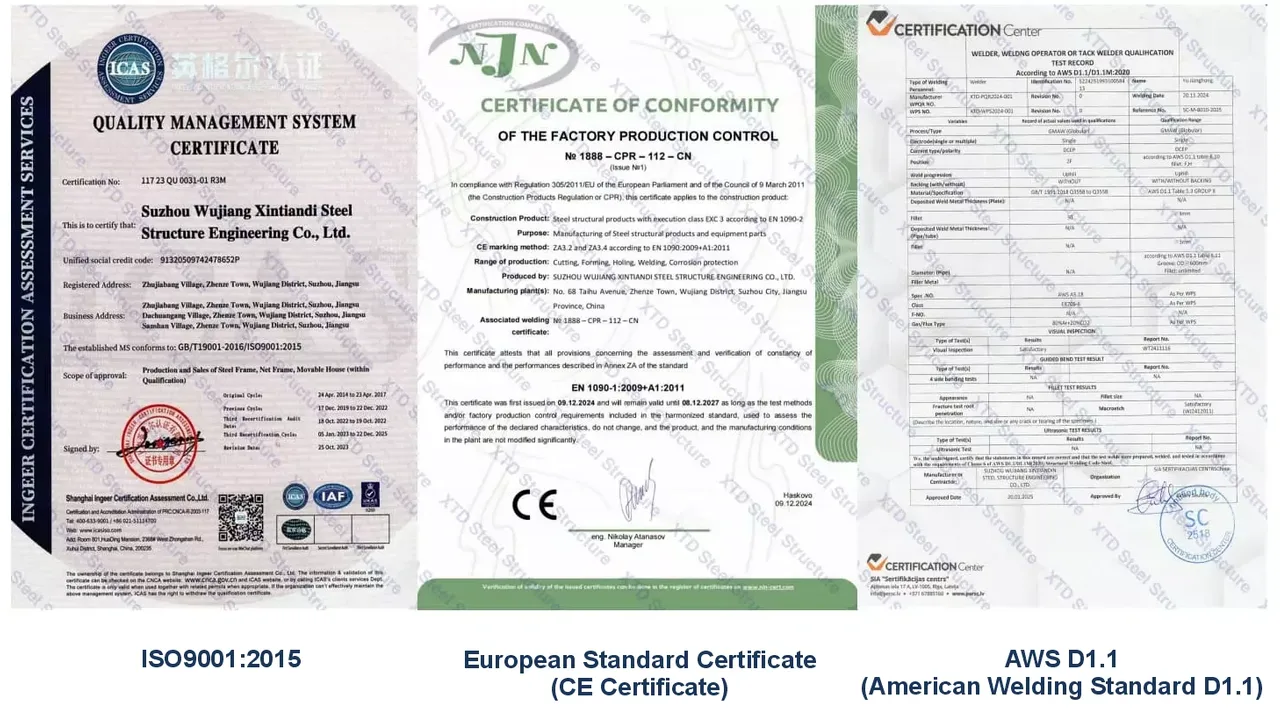
Awards and Certificates
Frequently Asked Questions
What does steel structure business mean in modern construction?
The steel structure business refers to providing engineered steel systems rather than selling raw materials. It combines design, fabrication, and construction support into a complete solution.
How do steel business solutions benefit developers?
Steel business solutions reduce construction risk by offering standardized engineering, predictable schedules, and optimized material usage, helping developers control cost and timelines.
Is steel structure business suitable for international projects?
Steel business solutions reduce construction risk by offering standardized engineering, predictable schedules, and optimized material usage, helping developers control cost and timelines.
What industries rely most on steel structure business models?
Yes. Steel systems are ideal for cross-border projects because components can be prefabricated, shipped efficiently, and assembled on-site with minimal complexity.
How does prefabrication fit into steel business strategy?
Manufacturing, logistics, aviation, warehousing, energy, agriculture, and infrastructure development frequently adopt steel-based construction due to flexibility and speed.
Why do many clients choose steel business in China?
The prefabricated steel structure business enables parallel workflows—while site preparation happens locally, structural components are produced in controlled factory environments, shortening overall project duration.
Are steel structure systems customizable?
Steel business in China offers strong advantages in manufacturing scale, engineering capability, and global export experience, making it a preferred sourcing hub for international projects.
How does steel structure business support long-term growth?
Yes. Steel systems can be customized for span, height, load capacity, façade design, and internal layout based on business and operational requirements.
Andrew C.
Sofía M.
Faisal R.
Zhou W.
Camille D.
Blogs
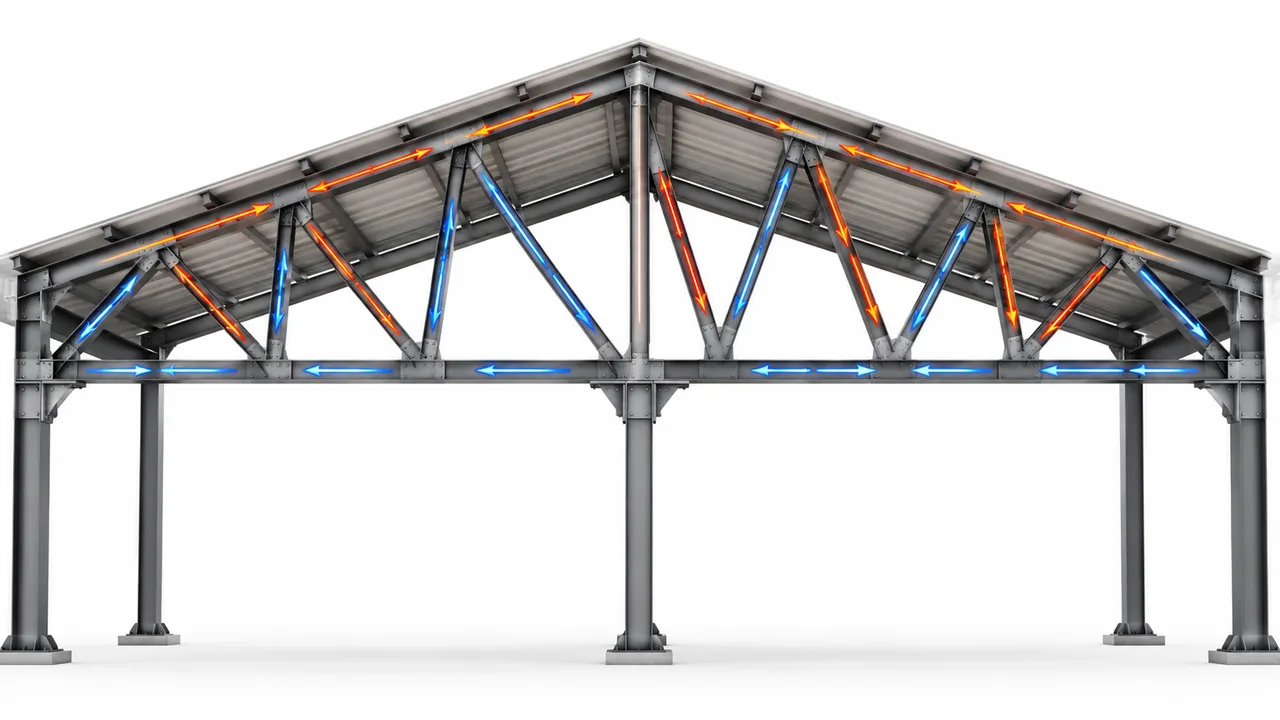
Truss systems are efficient because their members are arranged to carry force mainly along their own length. Instead of behaving like deep bending beams,
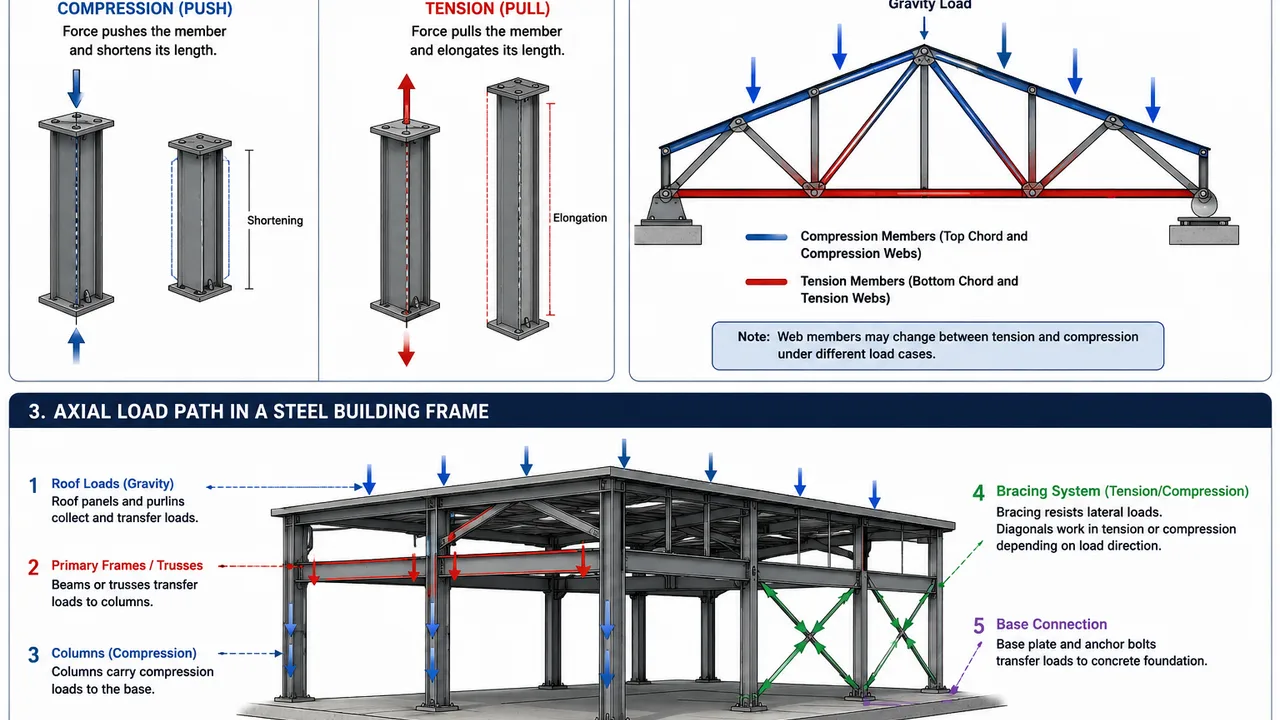
Every steel building frame depends on a clear load path. Some forces move downward through beams and columns, while other forces travel directly along the
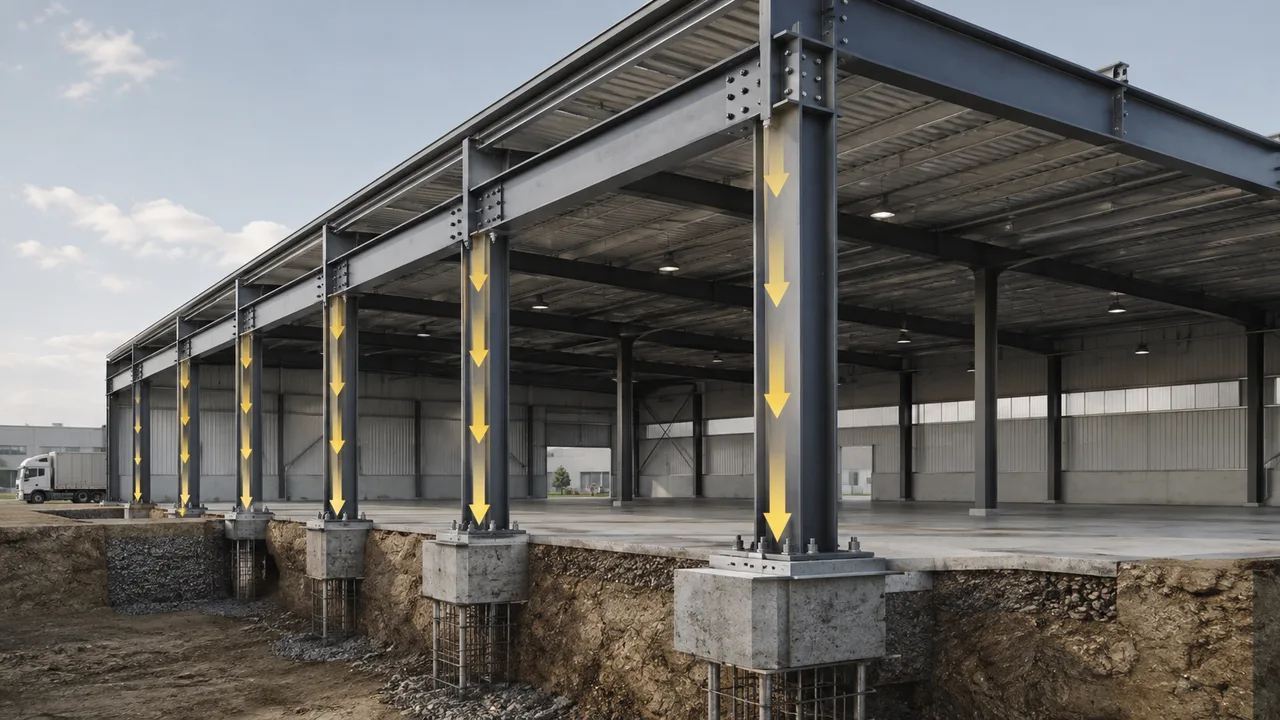
Steel structures are not supported only by beams carrying vertical loads. In many buildings, the most important forces move directly along the length of a
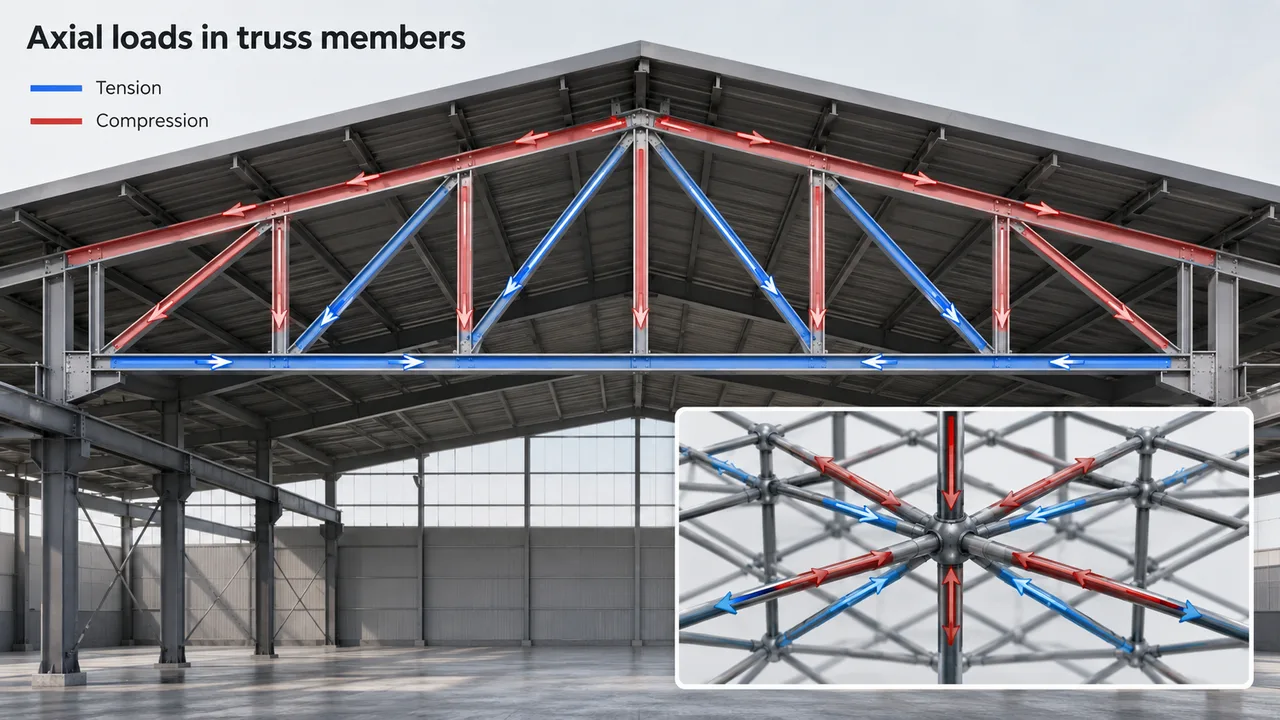
In steel building design, some forces bend a member, some forces push sideways, and some forces act directly along the length of the member.
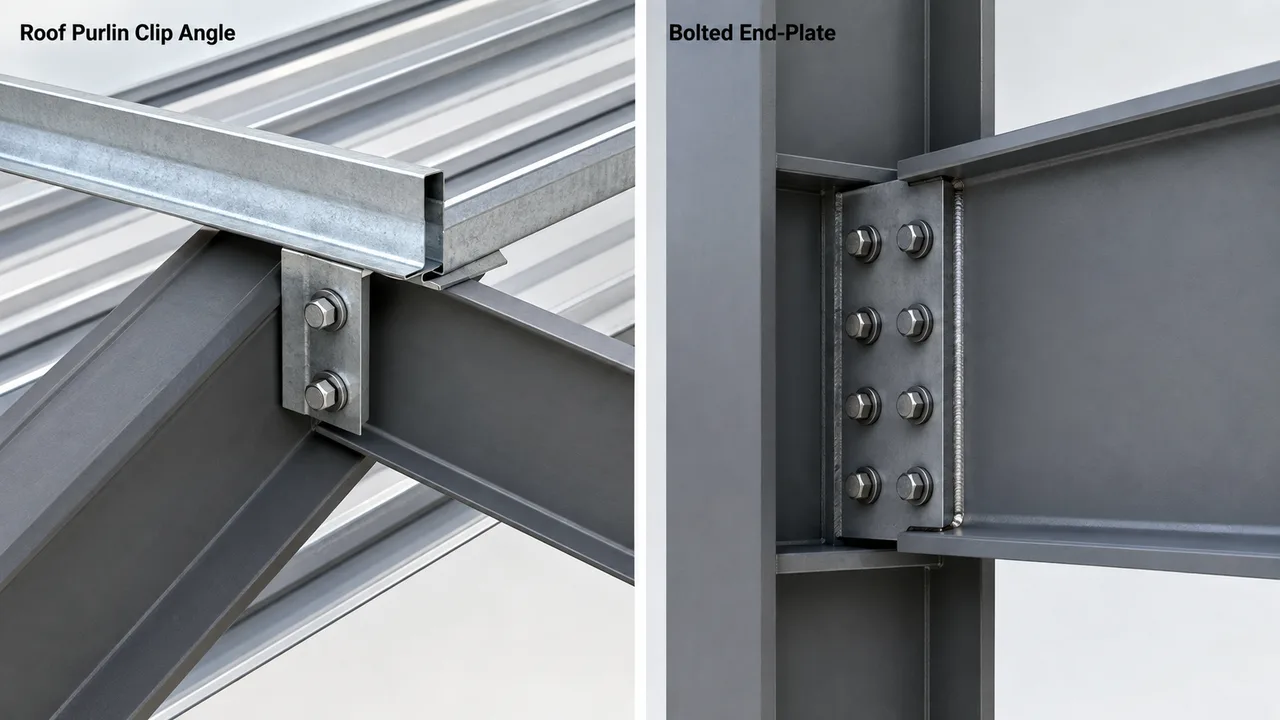
In steel building projects, connection details are often compared too quickly. A buyer may see a roof purlin clip angle, a bolted end-plate, a gusset
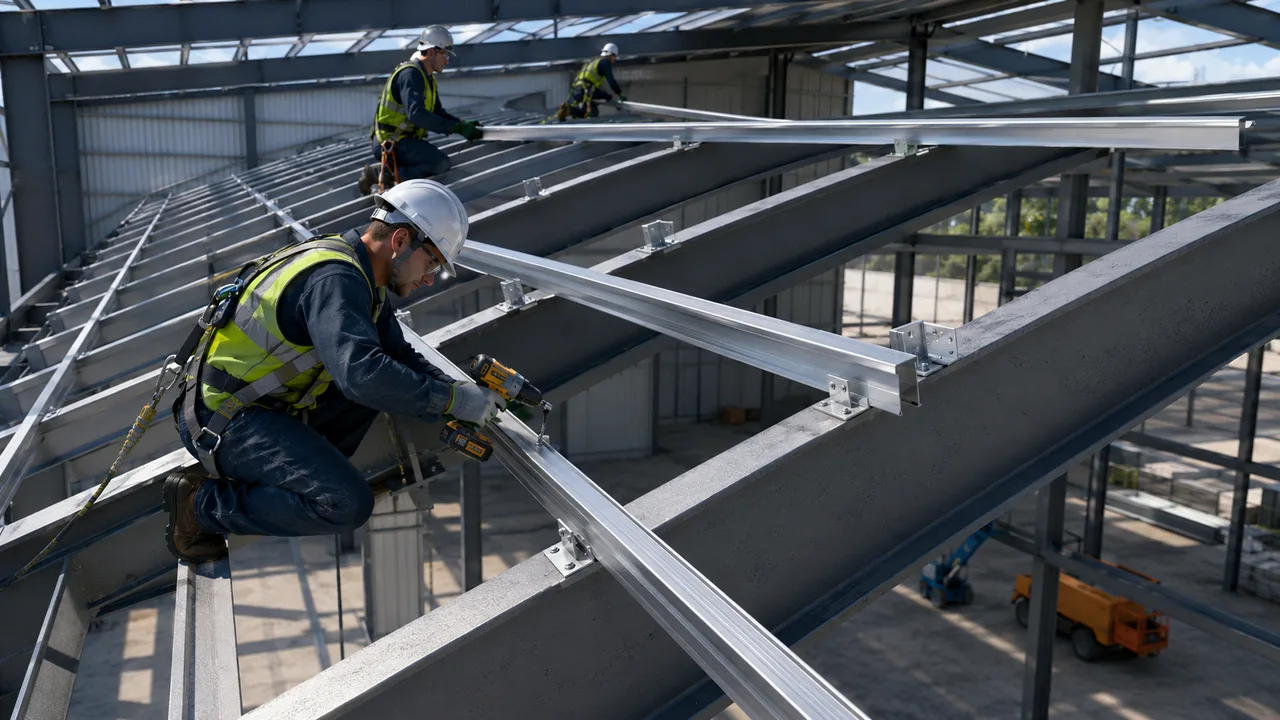
A steel roof framing system depends on many relatively small connections working together correctly. One of the most common is the connection between a secondary
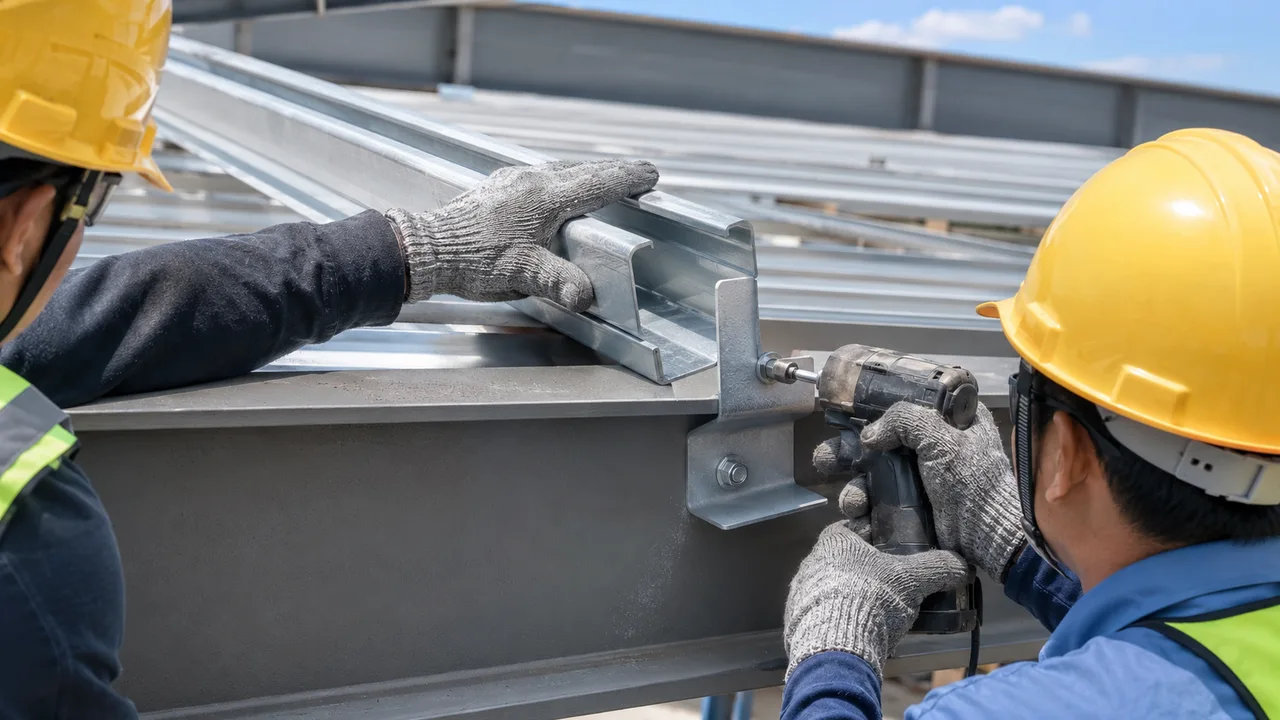
A roof purlin clip angle is a relatively small steel component, but its role in a roof framing system is important. It provides a practical
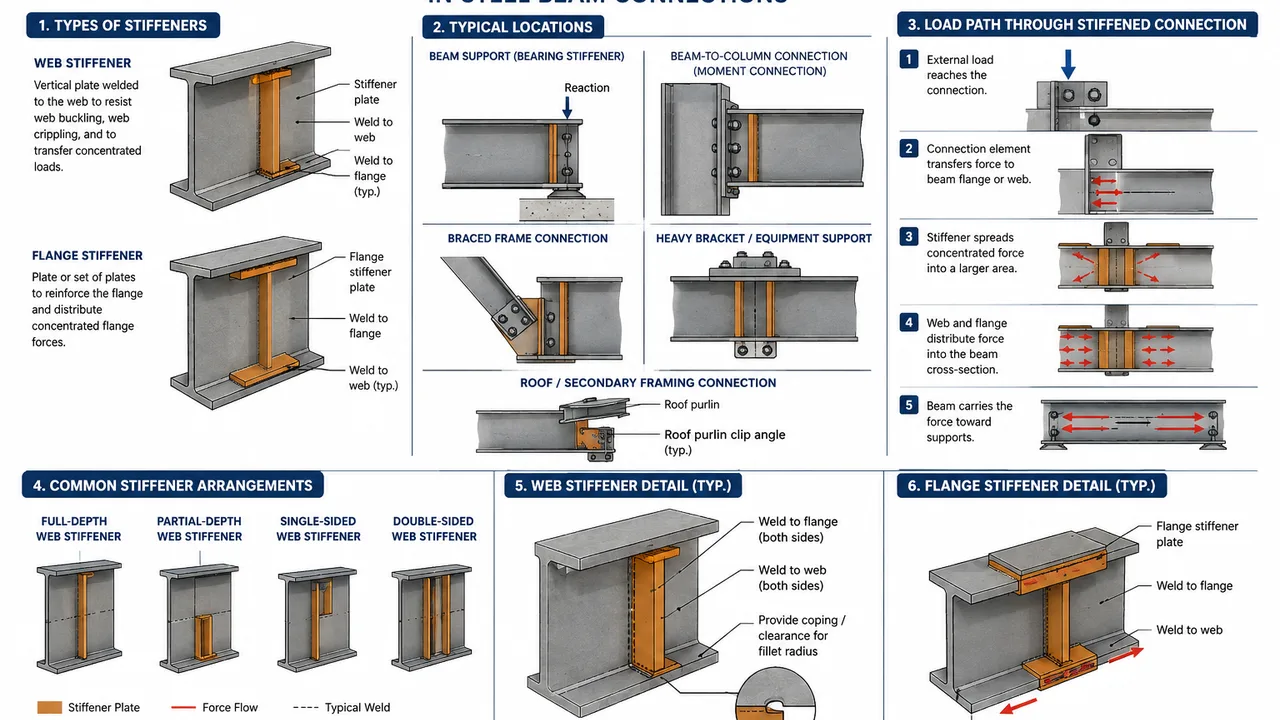
Steel beams can have adequate overall bending and shear capacity while still being vulnerable at a connection where a concentrated force enters the section. Support
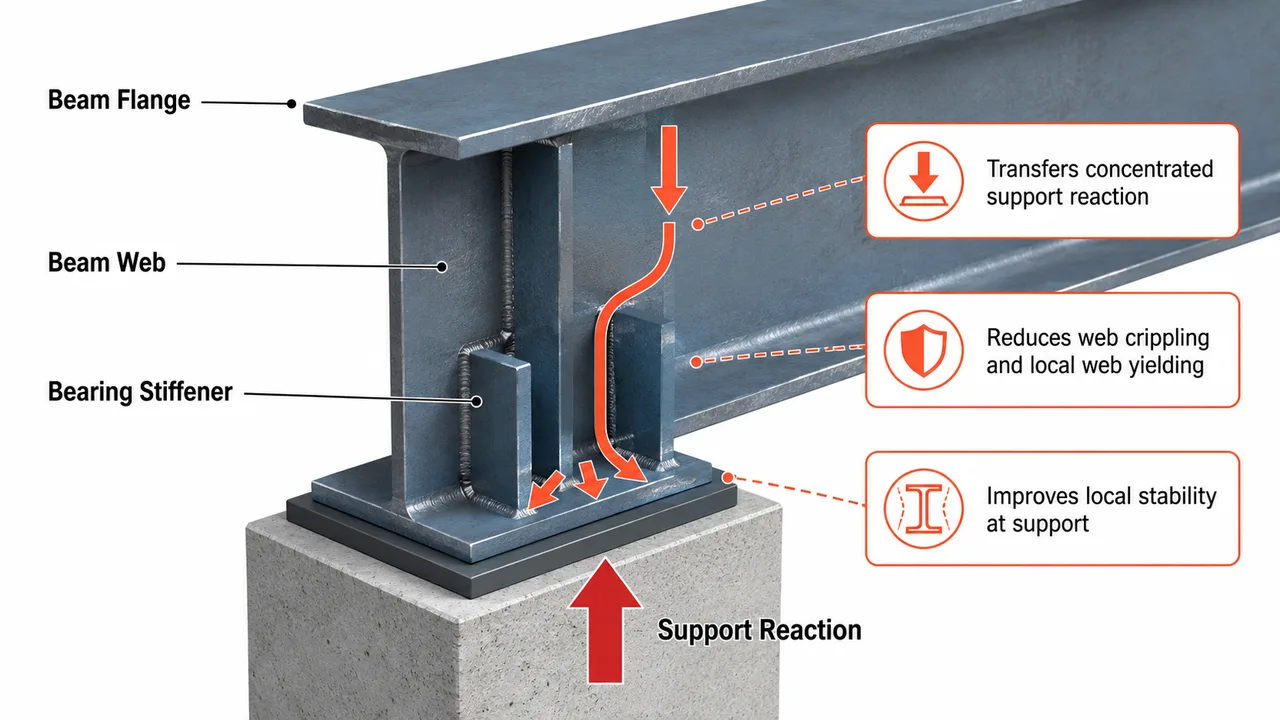
Concentrated loads rarely enter a steel member in a perfectly uniform way. Support reactions, equipment loads, moment connections, crane reactions, and other localized forces may

- +86 138 6251 1010
- [email protected]