What Is Fast Track Steel Structure Construction?
Fast track steel structure construction is a delivery method in which selected design, manufacturing, procurement, and construction activities proceed in parallel rather than through a strictly sequential schedule. This can shorten the overall project duration when decisions, interfaces, approvals, and production priorities are managed carefully.
The approach does not mean eliminating engineering verification or quality control. Instead, it requires earlier project definition, faster decision-making, clearly divided work packages, and disciplined coordination between all parties involved in design, fabrication, transport, and site installation.
Accelerated Project Delivery
Traditional project delivery often follows a linear sequence: complete the design, finalize procurement, manufacture all components, ship the complete package, and then begin installation. Fast track delivery identifies activities that can safely overlap.
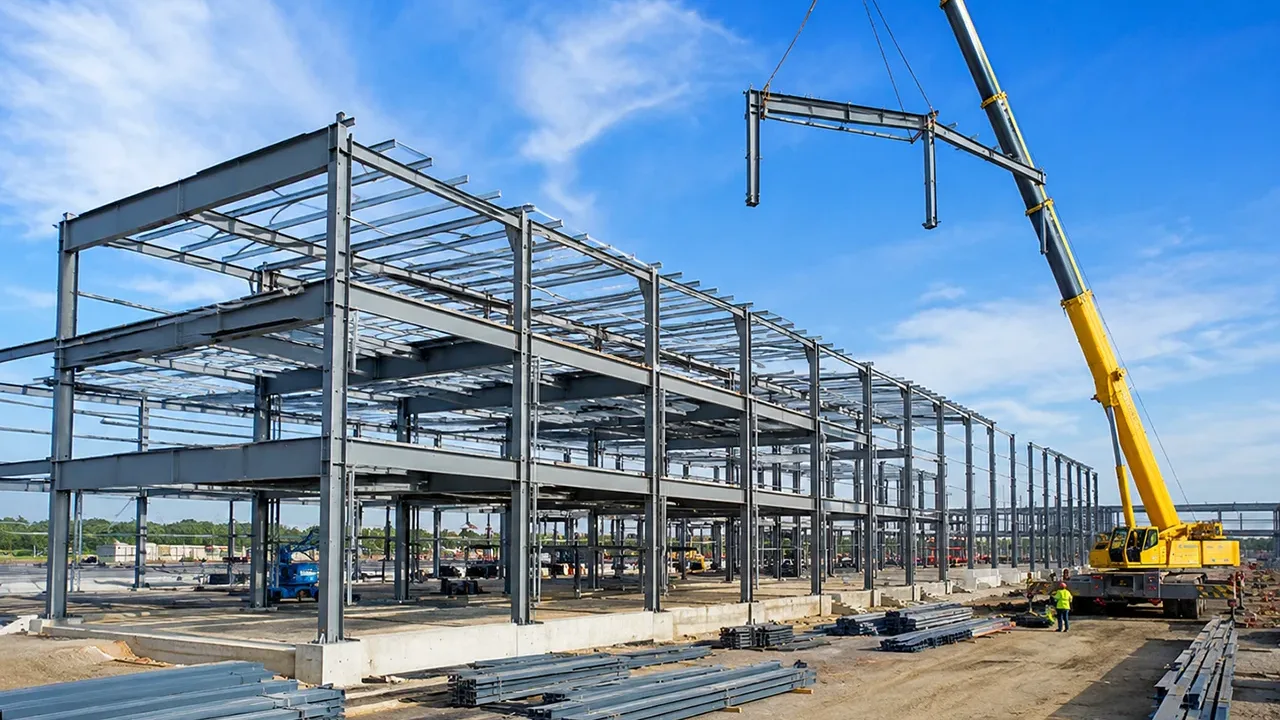
For example, foundation design and site preparation may begin while structural detailing continues. Approved primary frame packages may enter fabrication before non-critical secondary details are finalized. Early structural packages can then be delivered according to the erection sequence rather than waiting for the entire building package to be complete.
Parallel Design, Fabrication, and Construction
Parallel work requires clear boundaries between approved and developing information. Engineering teams must identify which structural zones are sufficiently defined for production and which areas still require coordination.
Fabrication planning, material procurement, and construction preparation can then progress around approved packages. This method helps reduce idle periods between phases while maintaining control over technical revisions.
Applications for Time-Critical Projects
Fast track delivery is suitable for projects where delayed operation may affect production, storage capacity, supply chains, seasonal activities, or commercial commitments. Typical applications include:
- Manufacturing facilities with fixed production start dates
- Warehouses required for urgent storage capacity
- Logistics buildings supporting new distribution networks
- Mining and energy support facilities
- Agricultural buildings linked to seasonal operations
- Commercial or public facilities with committed opening schedules
Our Fast Track Construction Services
Engineering Coordination
Accelerated construction begins with an early review of project requirements, structural systems, site conditions, applicable standards, equipment interfaces, and critical completion dates. Engineering priorities are then organized around the construction sequence.
Critical structural decisions such as building grid, spans, heights, crane requirements, bracing layout, connection concepts, and foundation interfaces must be confirmed early enough to support production without creating avoidable downstream changes.
Steel Fabrication Planning
Fabrication planning divides the project into practical production packages. Primary frames, bracing systems, secondary members, platforms, trusses, or other components can be scheduled according to site priorities.
Production planning also considers material availability, CNC processing capacity, welding requirements, inspection points, surface treatment, packaging, and delivery dates. The goal is to ensure that accelerated output remains organized and traceable.
Construction Scheduling
A detailed construction schedule connects engineering release dates, procurement milestones, production progress, transport, site readiness, crane availability, and erection activities. Each work package should have a defined relationship with the overall critical path.
Schedule control is especially important because delays in one package can affect several parallel activities. Regular progress reviews help identify potential issues before they interrupt installation.
Site Installation Management
Rapid erection depends on prepared foundations, verified anchor bolts, clear access routes, suitable lifting equipment, safe storage areas, and components delivered in the correct sequence.
Installation planning defines the order of columns, beams, frames, bracing, secondary members, trusses, and supporting systems. Temporary stability and alignment procedures must remain part of the accelerated sequence.
Project Coordination
Fast track projects require consistent communication between engineering, production, logistics, site teams, clients, consultants, and other contractors. Technical questions must be resolved quickly, and approved changes must be communicated across all affected work packages.
Centralized coordination reduces the risk of different teams working from outdated information.
How Fast Track Construction Works
Early Engineering Review
The process begins by identifying the minimum technical information required to release early structural packages. Project teams review building function, loads, geometry, site constraints, standards, and interfaces before detailed production begins.
Unresolved assumptions are recorded and assigned clear decision deadlines. This helps prevent open issues from remaining unnoticed until they affect fabrication or construction.
Concurrent Fabrication
Once approved information is available, multiple fabrication activities may progress simultaneously. Different workshops or production zones can handle primary members, secondary steelwork, connection plates, trusses, and other project packages in parallel.
Concurrent fabrication increases output, but it must be supported by consistent component identification, drawing control, inspection planning, and package tracking.
Optimized Procurement
Long-lead materials and project-critical components are identified early. Steel plates, structural sections, bolts, coatings, and special items can be procured according to production priorities rather than through a single undifferentiated purchasing schedule.
Early procurement reduces the risk that material availability becomes a bottleneck after fabrication capacity has been reserved.
Phased Delivery
Instead of waiting for the full steel package to be completed, finished components can be delivered in phases according to erection needs. Initial shipments may include columns, primary frames, and bracing, followed by secondary members and later structural packages.
Phased delivery can reduce storage pressure at both the factory and project site while supporting continuous installation.
Rapid Site Erection
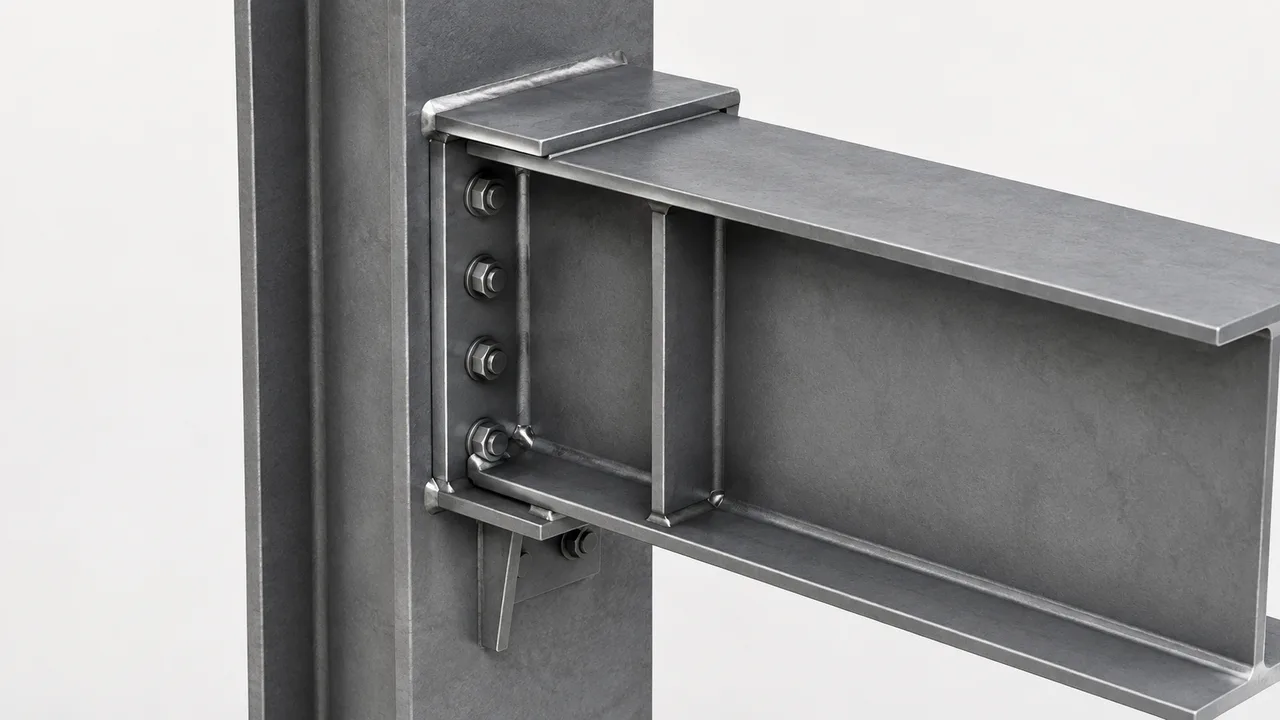
Prefabricated components are assembled using planned bolted or welded connections. When fabrication accuracy, packaging, identification, and delivery sequence are properly coordinated, erection teams can progress without excessive sorting or corrective work.
Rapid erection should still follow approved lifting plans, temporary stability requirements, alignment checks, and final connection procedures.
Steel Structure Systems Suitable for Fast Track Delivery
Portal Frame Buildings
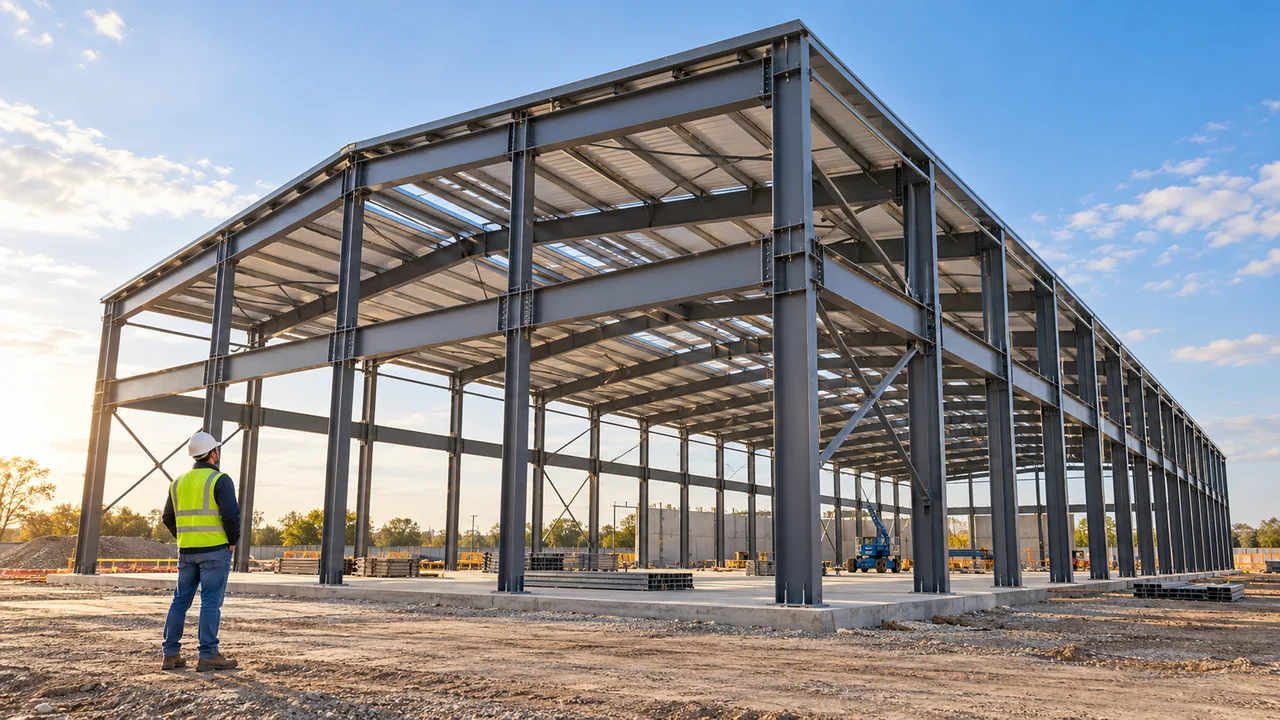
Portal frame systems are highly suitable for accelerated construction because they use repeatable structural arrangements, factory-fabricated members, and relatively straightforward erection sequences.
They are commonly applied to factories, warehouses, workshops, agricultural buildings, and logistics facilities.
Industrial Factories
Industrial facilities often have fixed dates for equipment installation and production commissioning. Fast track steel construction can coordinate structural zones with machinery foundations, cranes, utility systems, and phased factory handover.
Warehouses
Warehouse projects benefit from standardized grids, large-span frames, repetitive secondary members, and rapid enclosure. Early completion can allow racking, logistics systems, and inventory operations to begin sooner.
Logistics Buildings
Distribution centers may require loading platforms, high-bay areas, automated systems, and large open interiors. Structural packages can be prioritized around operational zones and equipment installation schedules.
Commercial Buildings
Commercial projects with committed opening dates can use steel framing to reduce structural construction time while coordinating architecture, building services, and façade installation.
Agricultural Buildings
Agricultural projects may need completion before harvest, livestock relocation, equipment deployment, or seasonal production. Prefabricated steel systems provide a practical solution for these time-sensitive requirements.
Advantages of Fast Track Steel Structure Construction
Shorter Overall Schedule
Overlapping selected design, procurement, fabrication, and site activities can reduce the total project duration compared with a fully sequential approach.
Earlier Facility Operation
Earlier completion allows owners to begin manufacturing, storage, logistics, agricultural, or commercial operations sooner, potentially reducing the financial impact of delayed facility use.
Factory Precision
Controlled factory production supports consistent dimensions, welding quality, component identification, and surface treatment while site activities continue in parallel.
Reduced Site Labor
Prefabricated members reduce the amount of cutting, fitting, and welding required at the project site. This can improve productivity and reduce dependence on large site fabrication teams.
Better Project Coordination
The accelerated process requires earlier alignment between engineering, fabrication, logistics, and construction. When managed properly, this creates greater visibility across the full delivery chain.
Predictable Construction Progress
Clearly defined packages, milestone tracking, and phased delivery can provide more measurable progress than uncoordinated site-based fabrication.
“`
Engineering and Construction Management
Integrated Project Planning
Successful fast track steel structure construction requires a coordinated project plan that connects engineering deliverables, material procurement, fabrication capacity, transportation, foundation readiness, and site erection. Each activity must be scheduled according to its relationship with the critical path rather than managed as an isolated task.
Integrated planning also helps project teams define which decisions must be finalized first. Structural grids, major load requirements, primary connections, foundation interfaces, and erection priorities usually require early confirmation so that production can begin without exposing the project to excessive redesign.
Schedule Control
Accelerated schedules require frequent monitoring of engineering release dates, material arrival, production output, inspection status, shipping milestones, and site progress. Clear reporting allows teams to compare planned and actual performance and respond quickly when a package begins to fall behind.
Schedule recovery measures may include changing production priorities, reallocating workshop capacity, adjusting delivery sequences, or coordinating additional installation resources where practical.
Quality Management
Reducing the schedule must not reduce structural or manufacturing quality. Inspection points should remain integrated into the production plan, including material verification, dimensional checks, welding inspection, coating review, and final package confirmation.
Quality records and component traceability help ensure that accelerated production remains controlled even when multiple packages are fabricated simultaneously.
Risk Reduction
Fast track delivery can introduce additional coordination risk if information is incomplete or responsibilities are unclear. Early risk reviews help identify potential problems related to design changes, material availability, site access, weather, lifting capacity, transportation, and subcontractor interfaces.
Assigning responsibility and response deadlines for each critical issue reduces the likelihood that unresolved problems interrupt fabrication or erection.
Applications Across Industries
Manufacturing
Manufacturing projects often need buildings completed before equipment delivery or production commissioning. Accelerated steel construction can prioritize structural areas required for machinery installation, crane systems, utilities, and initial operations.
Warehousing
Warehouse operators may require urgent capacity because of inventory growth, seasonal demand, supply-chain changes, or new distribution contracts. Phased steel erection can allow selected storage zones to become available before the entire facility is completed.
Mining
Mining projects frequently operate in remote locations and may require workshops, maintenance buildings, storage facilities, processing support structures, and operational shelters within limited mobilization windows.
Prefabricated steel packages help reduce extensive site fabrication and support more organized delivery to remote project locations.
Energy
Energy developments may require steel buildings for equipment support, maintenance, storage, substations, process areas, or operational facilities. Schedule coordination is often important because structural completion must align with equipment installation and commissioning activities.
Infrastructure
Infrastructure projects can involve fixed access periods, traffic management requirements, phased construction, and strict handover dates. Steel components manufactured off-site can reduce the duration of structural work performed in constrained project areas.
Commercial Development
Commercial projects often have committed opening dates linked to leasing, tenant occupation, public events, or financial agreements. Accelerated steel framing can help shorten the structural phase and allow subsequent trades to begin earlier.
Quality Assurance Throughout Fast Track Projects
Engineering Verification
Before each package is released for production, approved engineering information should be reviewed for structural completeness, connection requirements, dimensions, interfaces, and revision status. Only clearly authorized information should enter fabrication.
Fabrication Inspection
Inspection during manufacturing may include material checks, fit-up verification, welding control, dimensional inspection, hole-position checks, surface preparation, and coating review.
Defined inspection stages help prevent defects from progressing into completed assemblies or shipped packages.
Construction Quality Control
Site quality control includes verifying foundations, anchor bolts, component identification, structural alignment, bolted connections, weld completion where applicable, bracing, and final geometry.
Even under an accelerated schedule, temporary stability and approved erection procedures must remain fully implemented.
Final Project Handover
Final handover may include completion checks, outstanding-work review, structural inspection records, manufacturing documentation, and other deliverables required by the project contract.
A structured handover process confirms that accelerated completion has not left unresolved technical or quality issues.
Why Choose XTD Steel Structure?
- Experience coordinating accelerated steel structure projects
- Integrated engineering and fabrication capabilities
- Flexible production planning for phased delivery
- Advanced CNC processing and controlled welding
- International logistics and export experience
- Organized component identification and packaging
- Quality management across production and delivery
- Construction-oriented project coordination
XTD Steel Structure supports accelerated projects by connecting engineering review, procurement priorities, fabrication scheduling, quality control, logistics, and erection planning. This integrated approach helps clients reduce avoidable delays while maintaining structural performance and production control.
Frequently Asked Questions
What is fast track steel structure construction?
It is an accelerated delivery method in which selected engineering, procurement, fabrication, logistics, and construction activities overlap rather than occurring in a completely sequential order.
How much time can be saved?
The amount of time saved depends on project complexity, approval speed, material availability, site readiness, transportation, and the amount of work that can safely proceed in parallel. A detailed project review is required to establish a realistic accelerated schedule.
Which projects benefit most?
Projects with fixed operational deadlines, urgent storage requirements, seasonal schedules, equipment commissioning dates, or costly delays often benefit most from fast track delivery.
Does fast track construction affect quality?
It should not. A properly managed accelerated project maintains engineering verification, manufacturing inspection, dimensional control, and construction quality procedures. The schedule is shortened through coordination and overlapping activities, not by removing required controls.
Can international projects use fast track construction?
Yes. International projects can use phased fabrication, export packaging, scheduled shipping, coordinated documentation, and erection-oriented deliveries. However, customs, transport distance, port handling, and local site readiness must be included in the schedule.
Start Your Fast Track Steel Structure Construction Project
A successful fast track steel structure construction project begins with early technical definition, realistic milestone planning, rapid decision-making, and close coordination between engineering, manufacturing, logistics, and installation teams. The objective is to reduce overall delivery time without creating uncontrolled technical or quality risks.
Share your project drawings, structural requirements, site conditions, target completion date, and operational priorities with our team. We can evaluate the critical path, identify suitable overlapping activities, and develop an accelerated steel structure delivery plan based on the actual requirements of your project.