What Defines a High Quality Steel Structure Manufacturer?
Quality Begins Before Production
A professional high quality steel structure manufacturer begins every project with a detailed engineering review rather than immediately starting fabrication. Structural drawings, connection details, material specifications, dimensional tolerances, coating requirements, transportation limitations, and installation considerations are evaluated before production planning begins.
Early technical coordination helps identify unclear dimensions, impractical fabrication details, transportation conflicts, and installation challenges before raw materials enter production. Solving these issues during engineering reduces manufacturing interruptions and helps maintain project schedules.
Controlled Manufacturing Processes
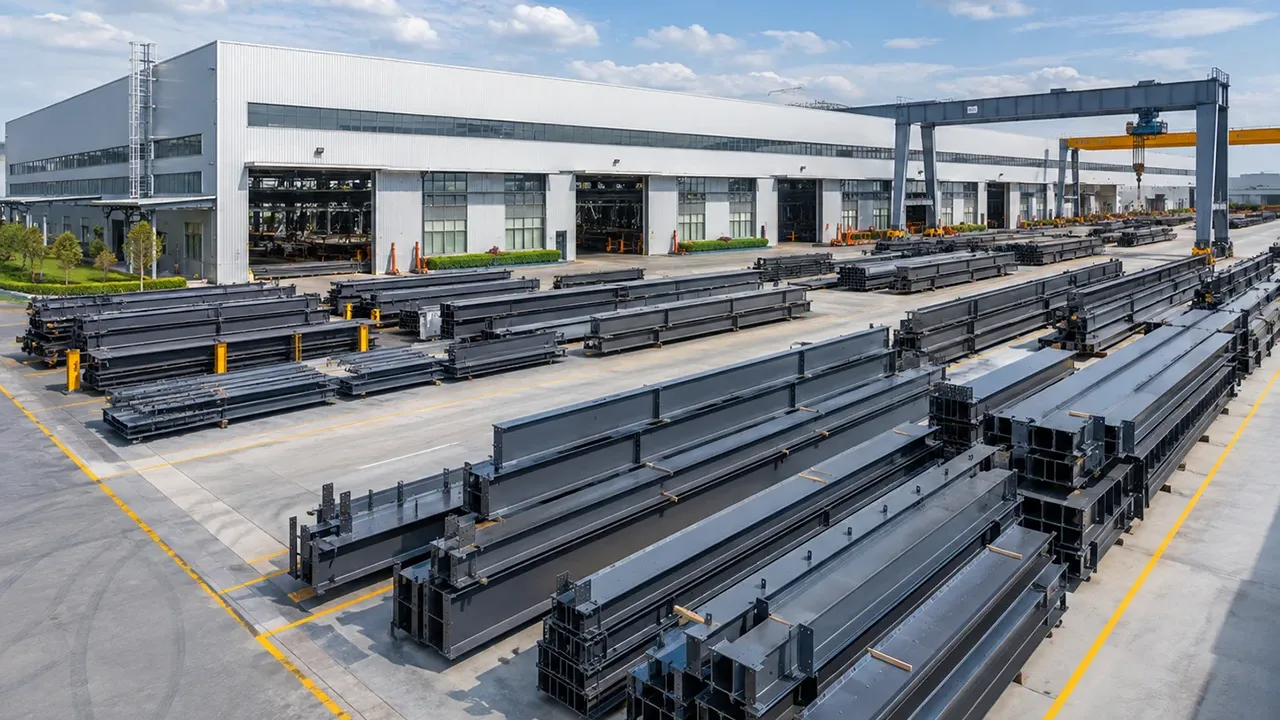
Consistent quality depends on standardized production procedures throughout the factory. Materials move through organized processing stages including cutting, drilling, machining, fit-up, welding, inspection, surface preparation, coating, packaging, and shipment.
Inspection checkpoints are established throughout production instead of relying only on final inspection. This process-oriented approach allows manufacturing teams to identify deviations early while maintaining stable production efficiency.
Consistent Quality Across Complete Structural Packages
Primary frames, secondary framing, connection plates, bracing members, and accessories should function as one coordinated structural system. Maintaining consistent dimensional accuracy across every production batch improves assembly efficiency and reduces installation adjustments on site.
Component compatibility becomes especially important for large international projects involving multiple production stages or phased deliveries.
Steel Structure Manufacturing Services
Engineering and Fabrication Review
Engineering review evaluates manufacturing feasibility before fabrication begins. Structural members, transportation dimensions, lifting weights, connection accessibility, fabrication sequences, and erection methods are reviewed to improve production efficiency.
Shop drawing coordination converts engineering concepts into practical manufacturing information while maintaining compliance with project requirements.
Material Procurement and Verification
Material quality provides the foundation for reliable structural performance. Incoming materials are verified before entering production through procedures that may include:
- Steel grade verification
- Material certificate review
- Dimensional inspection
- Surface condition assessment
- Identification and traceability confirmation
Proper material verification helps prevent production interruptions while supporting complete manufacturing documentation.
Precision CNC Cutting, Drilling, and Profiling
Advanced CNC equipment provides accurate cutting, drilling, beveling, profiling, and plate processing for structural members. Automated processing improves consistency across repeated components while reducing manual layout errors.
Accurate bolt-hole positioning, member profiles, and plate preparation contribute directly to efficient assembly and structural alignment.
Professional Welding and Structural Assembly
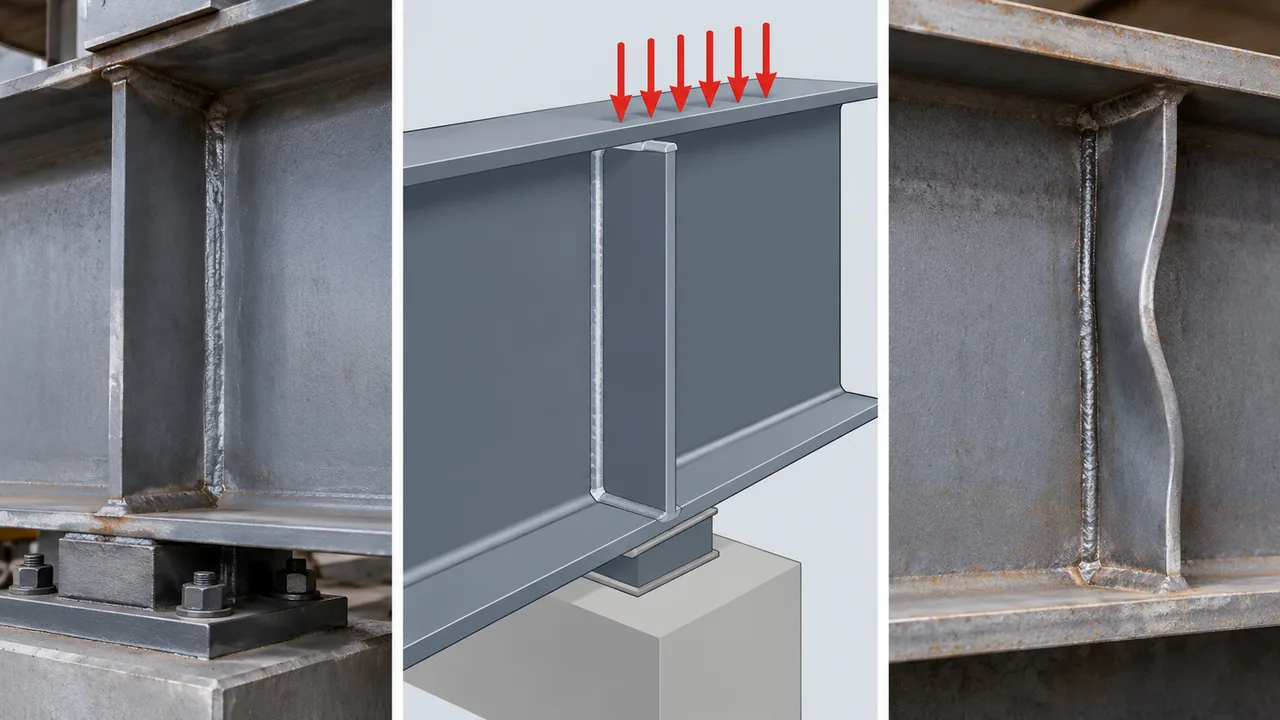
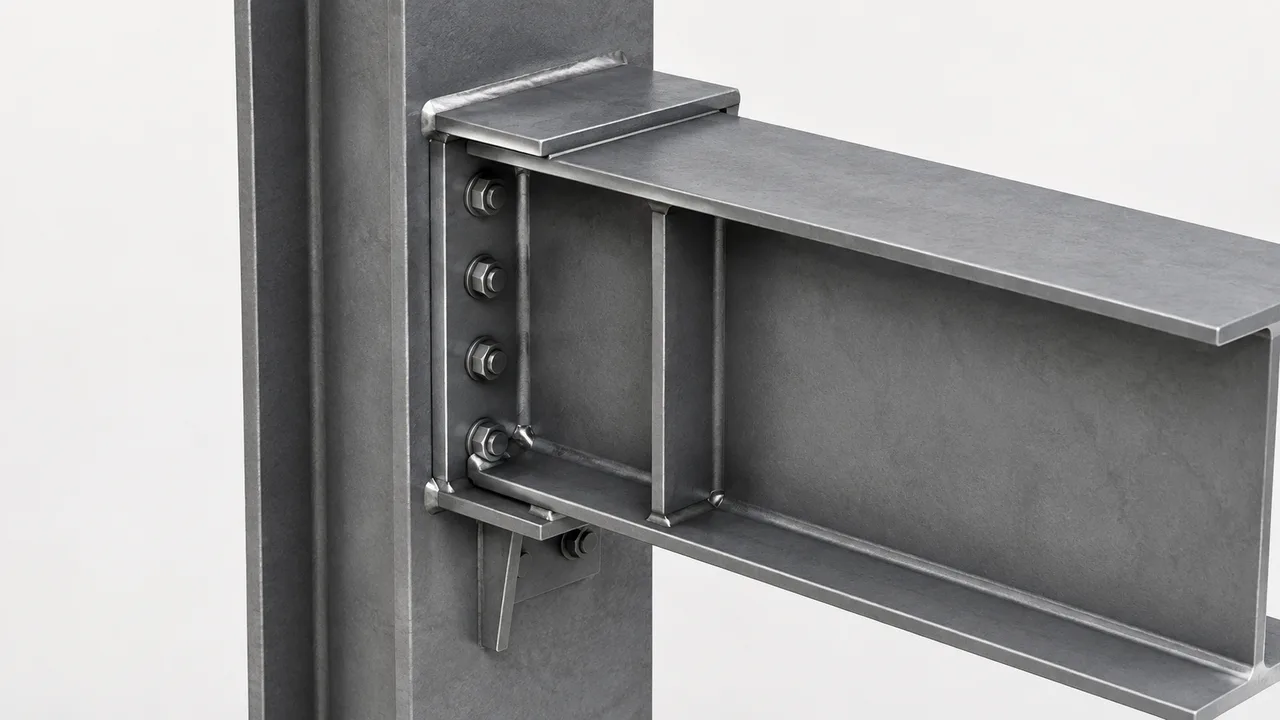
Qualified welding procedures are selected according to material grades, joint configurations, structural requirements, and project specifications. Controlled fit-up techniques help minimize distortion while maintaining dimensional accuracy throughout fabrication.
Assembly inspections performed during production allow adjustments before final welding is completed, reducing corrective work later in the process.
Surface Treatment and Corrosion Protection
Surface protection systems are selected according to project environments and customer requirements. Available protection methods may include:
- Shot blasting
- Industrial primers
- Multi-layer protective coating systems
- Finish painting
- Hot-dip galvanizing where appropriate
Proper surface preparation and coating application improve long-term corrosion resistance while reducing maintenance requirements during the building’s service life.
Steel Structures We Manufacture
Steel Warehouse Buildings
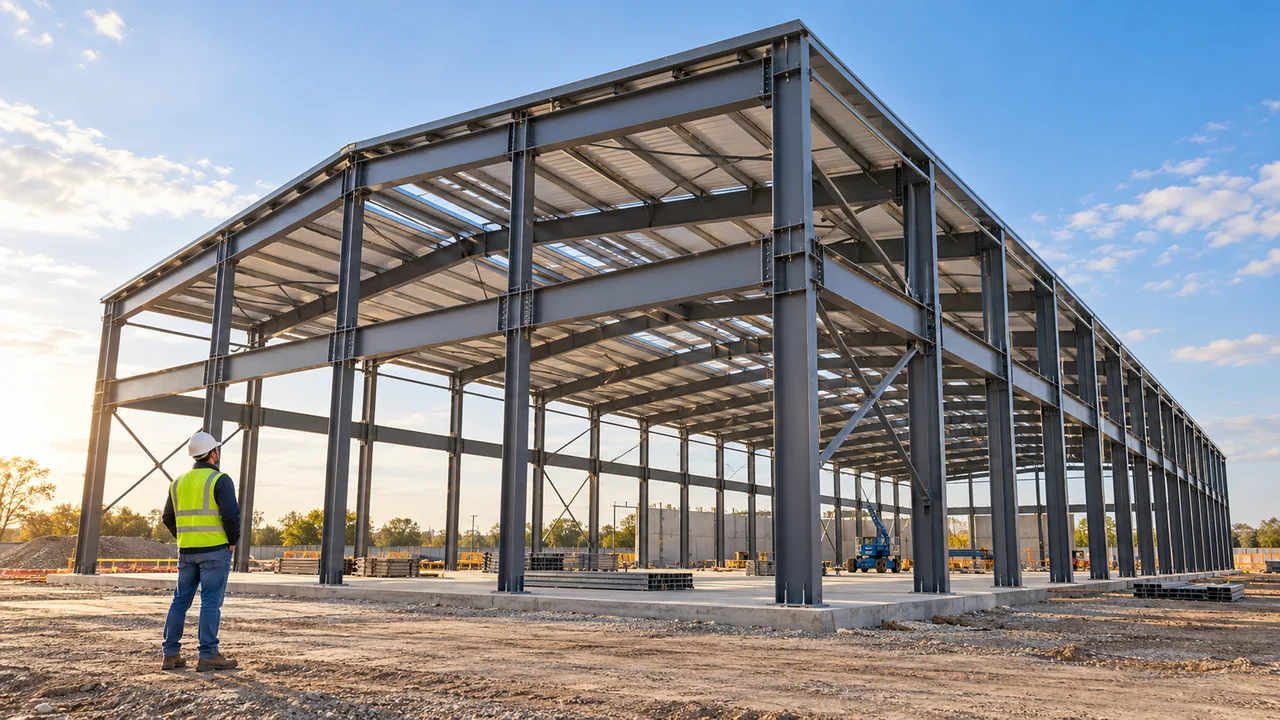
Warehouse buildings require efficient structural layouts, large clear spans, high clearances, and compatibility with storage systems and logistics operations. Manufacturing quality helps maintain accurate member alignment throughout large warehouse structures.
Steel Factory Buildings
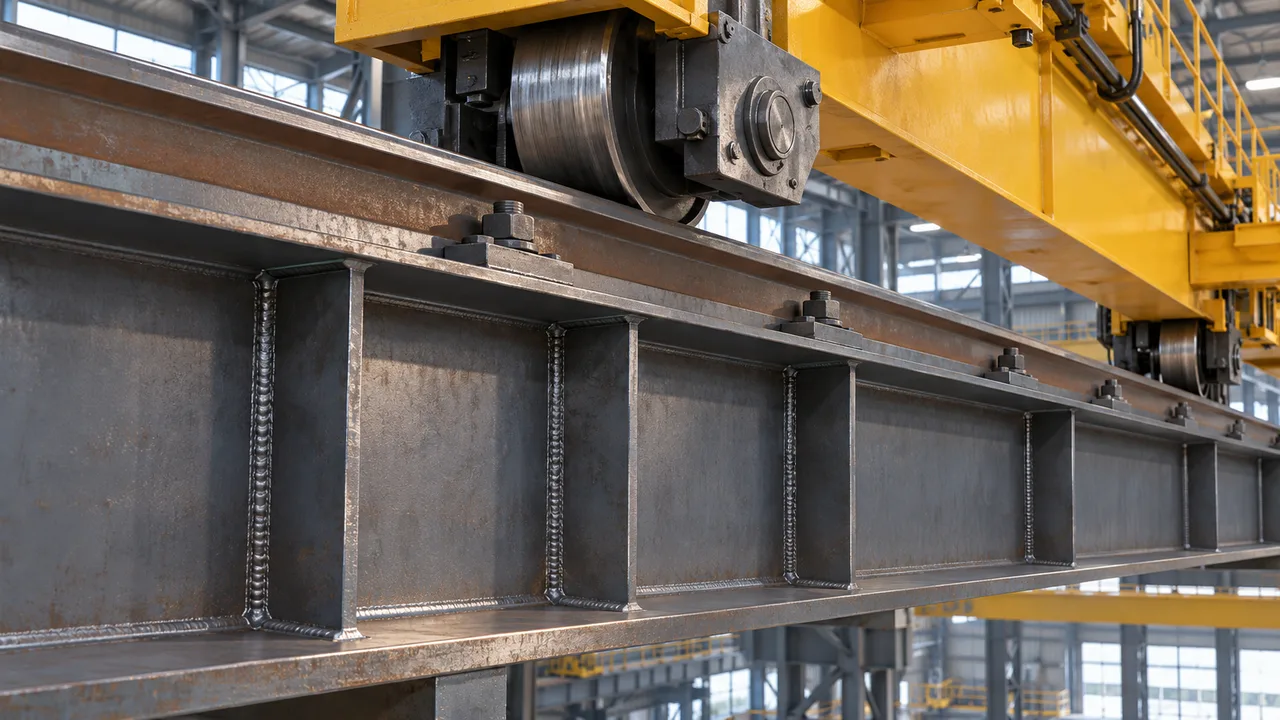
Factory buildings often support production equipment, overhead cranes, mezzanines, and industrial machinery. Manufacturing precision contributes to proper equipment installation and long-term operational performance.
Commercial Steel Buildings
Commercial developments including offices, retail centers, showrooms, and mixed-use buildings require structural systems that integrate efficiently with architectural elements, façades, and building services.
Agricultural Steel Buildings
Agricultural structures support grain storage, livestock facilities, machinery buildings, processing plants, and fertilizer storage. Corrosion protection and durable fabrication become particularly important in agricultural environments.
Large-Span and Truss Structures
Long-span roof systems, exhibition halls, transportation facilities, sports venues, and industrial buildings frequently utilize trusses and custom structural systems. Manufacturing these components requires careful dimensional control and coordinated fabrication.
Customized and Complex Steel Structures
Special-shaped structures, spatial steel systems, industrial platforms, equipment support frames, and architecturally complex buildings require close coordination between engineering and manufacturing throughout production.
Quality Control Throughout Manufacturing
Raw Material Inspection
Raw materials are inspected before production to confirm compliance with project specifications. Material verification may include dimensions, grades, certificates, identification, and overall condition.
Dimensional Accuracy Control
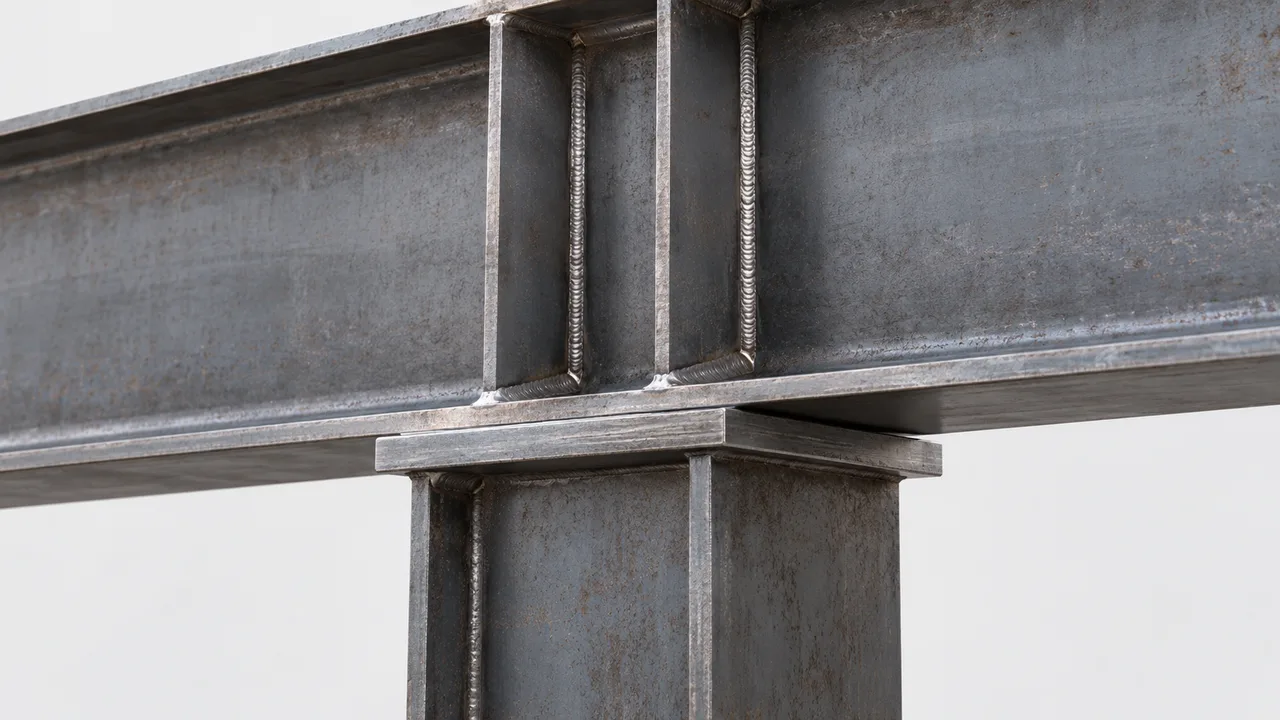
Critical dimensions including member lengths, hole positions, connection geometry, alignment, and mating surfaces are measured throughout fabrication. Continuous dimensional control helps prevent accumulated manufacturing deviations.
Welding Quality Inspection
Weld quality is verified through visual inspection and additional testing where specified by project requirements. Inspection criteria follow approved engineering documentation and quality procedures.
Surface Coating Inspection
Surface preparation quality, coating thickness, coverage, and finish consistency are inspected before packaging. Special attention is given to connection areas and surfaces exposed to demanding service environments.
Final Factory Inspection
Final inspection verifies component quantities, markings, dimensions, documentation, coating condition, packaging readiness, and overall compliance before shipment.
Manufacturing Accuracy and Structural Reliability
Precision Supports Efficient Installation
Accurate fabrication improves structural alignment during erection, reduces forced adjustments, and simplifies connection assembly. Proper manufacturing also helps contractors maintain installation schedules.
Reliable dimensional accuracy remains one of the defining characteristics of a high quality steel structure manufacturer.
Tolerance Management
Not every dimension requires identical inspection priority. Critical interfaces including structural connections, façade supports, equipment bases, and mating assemblies receive additional dimensional verification throughout production.
Managing accumulated tolerances becomes increasingly important on large multi-building developments and complex structural systems.
Trial Assembly Where Appropriate
Complex nodes, segmented trusses, and critical structural interfaces may undergo temporary trial assembly before shipment to verify dimensional compatibility and simplify site installation.
Quality Standards for Different Project Requirements
Project-Specific Technical Specifications
Manufacturing procedures are organized according to approved drawings, project specifications, and customer requirements. Inspection scope may vary depending on structural complexity and project objectives.
International Project Coordination
Export projects require additional coordination for documentation, marking systems, packaging, transportation planning, and customer-specific technical requirements before production begins.
Customized Inspection Plans
Inspection plans may define hold points, witness inspections, production records, quality documentation, and release procedures according to project requirements.
Production Capacity Without Compromising Quality
Coordinated Workshop Operations
Efficient manufacturing depends on coordinated material preparation, machining, fit-up, welding, inspection, surface treatment, packaging, and logistics rather than production speed alone.
Batch and High-Volume Manufacturing
Large production volumes require consistent dimensional accuracy across repeated components. Organized identification systems and periodic quality verification help maintain production consistency throughout multiple manufacturing batches.
Balancing Schedule and Quality
Production schedules should maintain essential inspection activities without sacrificing manufacturing accuracy. Careful planning supports both delivery commitments and quality objectives.
Packaging and International Delivery
Component Identification
Each structural member can be clearly marked according to installation drawings, packing lists, and project documentation to simplify unloading and erection.
Export Packaging
Packaging methods protect coated surfaces, connection components, and fabricated members throughout international transportation while supporting efficient handling.
Delivery Planning
Shipment organization based on erection sequence helps reduce unnecessary material handling while improving installation efficiency at the project site.
Industries We Support
- Industrial manufacturing facilities
- Logistics and warehouse developments
- Commercial buildings and offices
- Agricultural facilities
- Infrastructure and transportation projects
- Customized structural steel applications
Why Choose XTD Steel Structure?
A dependable manufacturing partner combines engineering knowledge, advanced equipment, structured quality management, and practical fabrication experience. High manufacturing quality results from coordinated production rather than relying solely on final inspections.
- Comprehensive engineering and fabrication coordination
- Advanced CNC processing equipment
- Heavy and light steel manufacturing capability
- Controlled welding and assembly procedures
- Quality inspections throughout production
- International packaging and export experience
- Reliable production scheduling and delivery planning
XTD Steel Structure supports domestic and international projects through coordinated manufacturing, structured quality control, and customized steel fabrication that meets project-specific engineering requirements.
Frequently Asked Questions
What makes a steel structure manufacturer high quality?
Material verification, precision fabrication, controlled welding, dimensional inspection, corrosion protection, organized quality management, and consistent project delivery all contribute to manufacturing quality.
How is fabrication accuracy maintained?
Accuracy is maintained through CNC processing, controlled fit-up, dimensional inspections, quality checkpoints, and trial assembly where appropriate.
Can manufacturing follow our drawings?
Yes. Production can be organized according to customer-approved structural drawings, shop drawings, specifications, and project requirements.
What quality inspections are available?
Material inspection, dimensional verification, welding inspection, coating inspection, and final factory inspection may all be included according to project requirements.
Can complete structural packages be prepared for export?
Yes. Components can be identified, documented, packaged, and prepared for international container or break bulk shipment.
Request a High Quality Steel Structure Manufacturing Quote
If you are looking for a high quality steel structure manufacturer, send us your drawings, technical specifications, quantities, coating requirements, project location, and expected delivery schedule. Our engineering and manufacturing team will prepare a customized fabrication proposal that supports your project’s quality objectives and construction requirements.