Integrated Fabrication and Supply for Steel Structure Projects
Steel structure projects require more than raw steel materials. Columns, beams, rafters, bracing members, base plates, connection plates, purlins, girts, crane beams, and special fabricated parts must be prepared according to project drawings and construction requirements.
Integrated steel fabrication and supply focuses on delivering project-ready components. This means the fabrication team must understand not only cutting and welding, but also drawing interpretation, connection logic, surface protection, packing requirements, and delivery sequence.
For international projects, this coordination becomes even more important. Components must be marked clearly, packed for long-distance transportation, and organized so the installation team can identify and assemble them efficiently on site.
What This Service Covers
Material Preparation and Cutting
The process begins with material checking and preparation. Steel plates, profiles, and sections are reviewed against project requirements before entering production. CNC cutting, profiling, drilling, and plate preparation help ensure that each component is produced with consistent dimensional accuracy.
Accurate cutting and drilling are critical for bolt-hole alignment, connection fit-up, and smooth installation. Small errors in fabrication can become major site problems when hundreds or thousands of components need to be assembled in sequence.
Welding, Assembly, and Component Fabrication
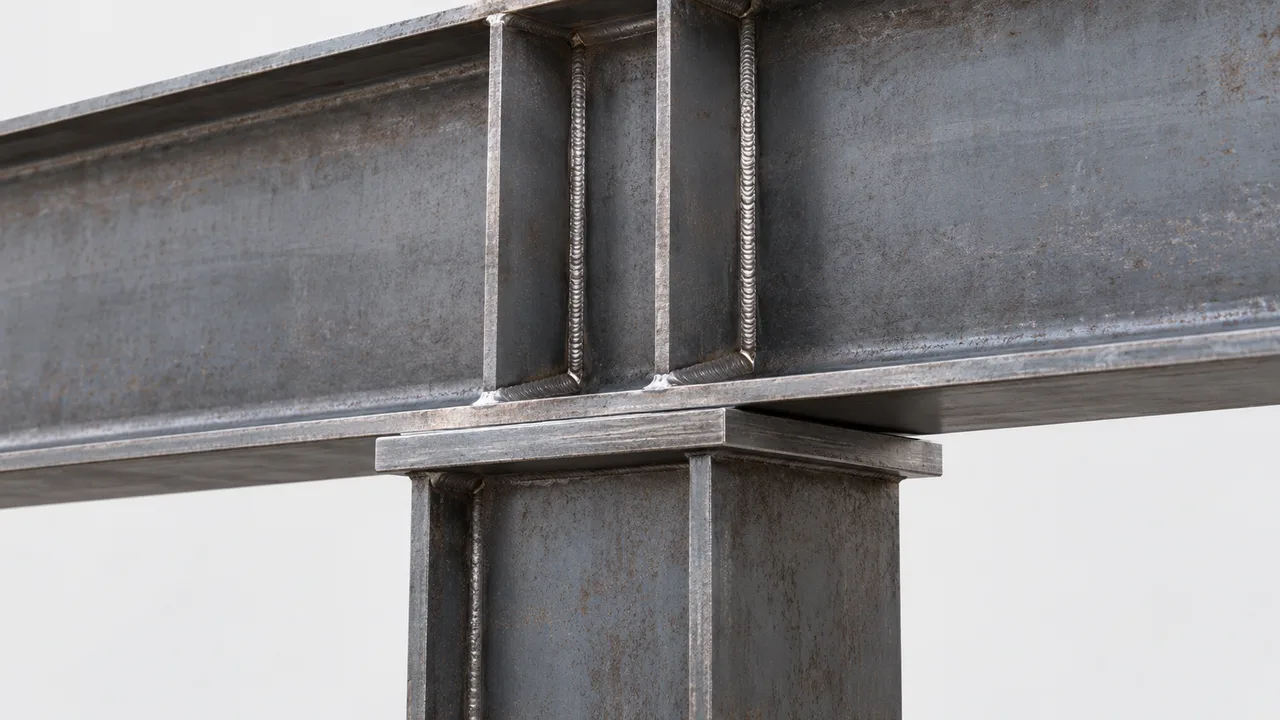
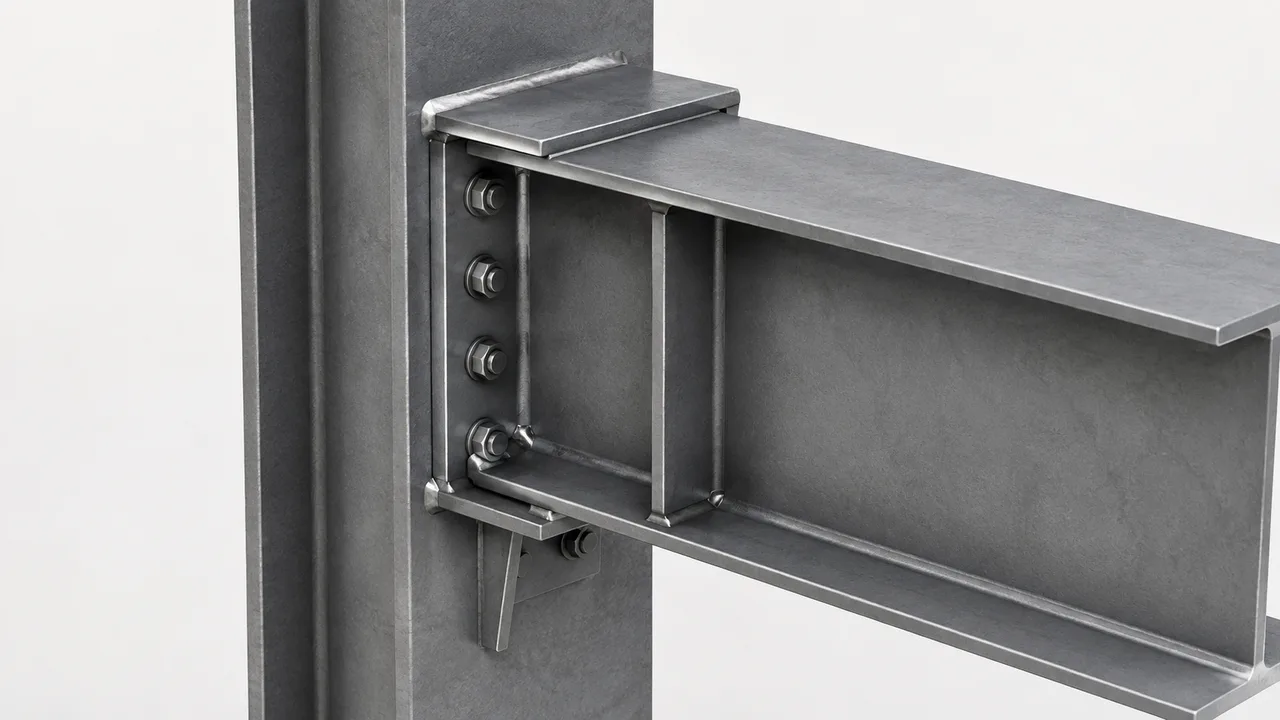
Many steel structure projects require welded members, built-up sections, frame components, brackets, stiffeners, and connection assemblies. Proper welding and shop assembly help create stable components that match the approved fabrication drawings.
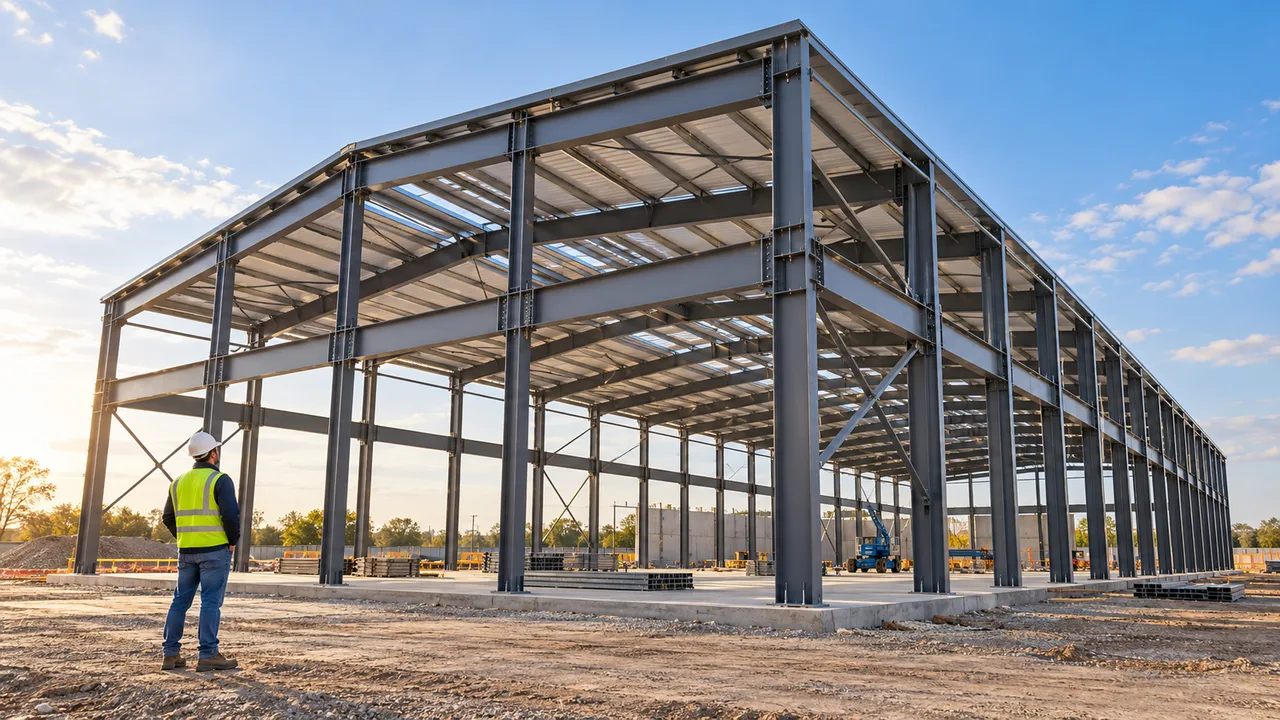
Depending on project requirements, fabrication may include portal frame members, truss segments, crane beam components, heavy steel columns, secondary steel members, and customized structural parts. Each item must be produced with attention to connection details and erection requirements.
Surface Treatment and Protection
Surface treatment helps protect fabricated steel components from corrosion and environmental exposure. Depending on the project location and service environment, protection may include blasting, primer coating, anti-corrosion paint systems, or galvanizing for selected components.
Coating quality should be planned before production, especially for coastal environments, humid regions, industrial facilities, or projects requiring long service life. Proper surface preparation helps reduce future maintenance risk and supports better structural durability.
Marking, Packing, and Supply Coordination
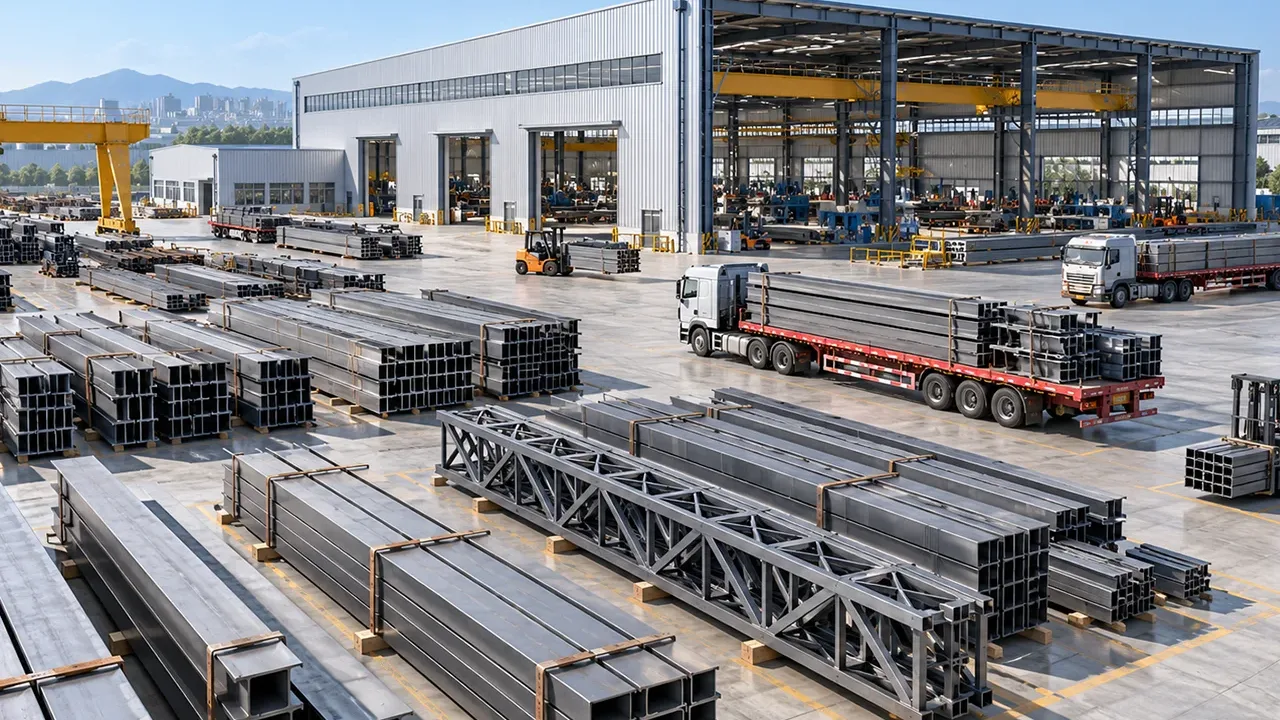
Fabrication quality alone is not enough if components arrive without clear identification or proper packing. Each member should be marked according to drawings and assembly sequence. Packing should protect the steel during transportation and help the site team locate required parts faster.
For export projects, container loading, bundle arrangement, packing protection, and shipping documentation all affect how smoothly the project moves from factory to site.
Fabricated Steel Components We Can Supply
Different projects require different combinations of primary, secondary, and custom steel components. The table below shows common fabricated items and their typical uses in steel structure projects.
| Component | Common Use | Fabrication Consideration |
|---|---|---|
| Steel Columns | Main vertical support for buildings and platforms | Base plate accuracy, section strength, and connection alignment |
| Steel Beams and Rafters | Primary framing for roofs, floors, and portal structures | Cutting precision, bolt-hole position, and welding quality |
| Truss Components | Large-span roofs, special structures, and open-space buildings | Node accuracy, segment planning, and transportation size |
| Bracing Systems | Lateral stability for frames, roofs, and walls | Connection detail, member length, and installation sequence |
| Purlins and Girts | Support for roof and wall cladding systems | Spacing, punching, coating, and cladding compatibility |
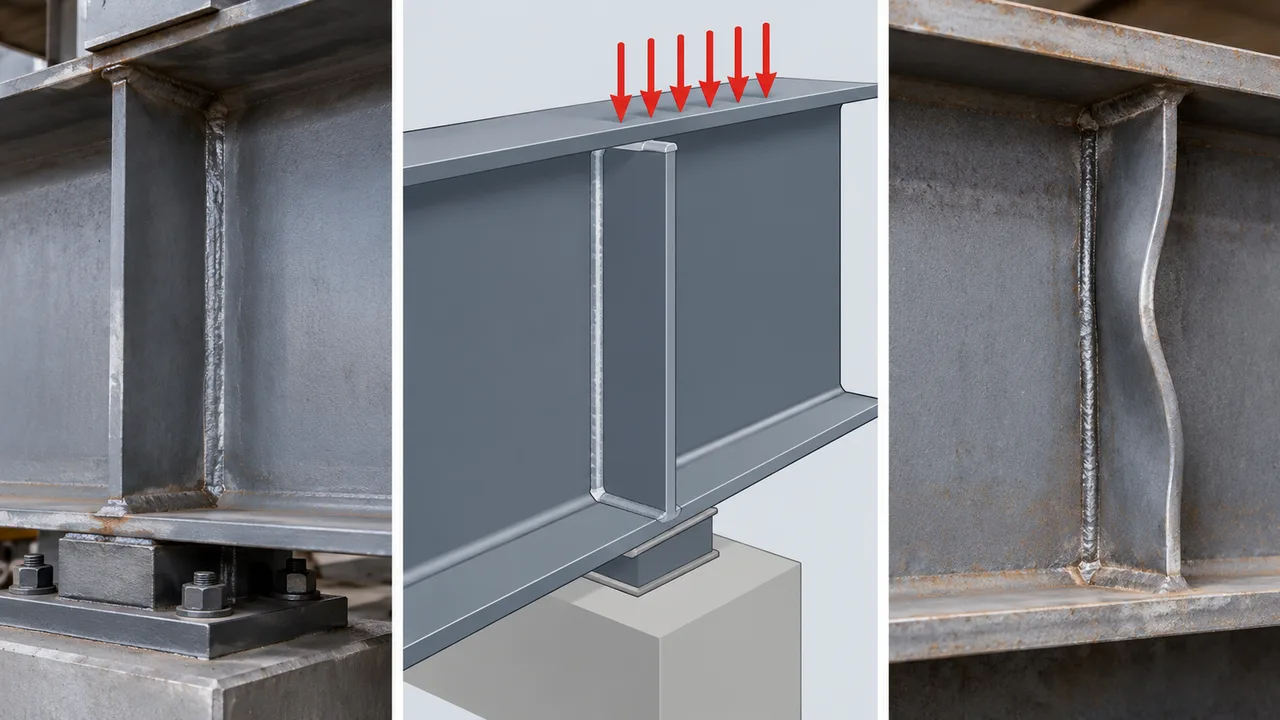
| Base Plates and Connection Plates | Foundation connection and member assembly | Hole tolerance, plate thickness, welding, and marking |
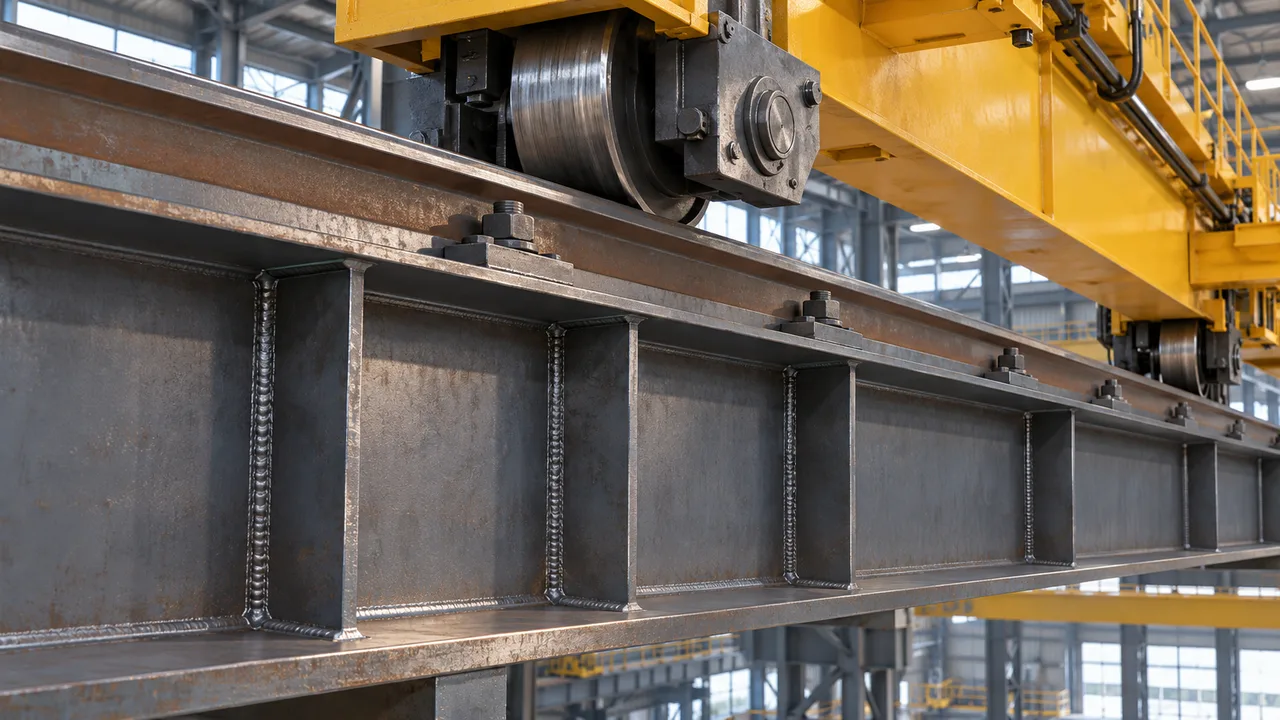
| Crane Beam Components | Support for overhead crane systems | Load capacity, alignment, stiffening, and fatigue consideration |
| Custom Steel Parts | Special supports, brackets, platforms, or project-specific details | Drawing review, fabrication feasibility, and fit-up control |
Applications of Steel Fabrication and Supply
Warehouses and Logistics Buildings
Warehouse projects often require steel columns, rafters, bracing, purlins, wall supports, loading dock structures, and large-span framing members. Accurate fabrication helps the building frame go together faster and reduces installation issues on site.
For logistics buildings, component supply should also match the construction sequence so that large roof areas, storage zones, and loading areas can be erected efficiently.
Factories and Industrial Facilities
Factories and industrial facilities may involve heavier loads, crane systems, equipment platforms, production areas, and service zones. Fabricated steel components must be coordinated with machine layout, crane operation, maintenance access, and future expansion plans.
In these projects, steel fabrication is closely connected to operational performance. A poorly coordinated structure can affect equipment movement, safety, and production efficiency.
Commercial and Public Buildings
Commercial buildings, showrooms, exhibition halls, service facilities, and public buildings often require flexible interior layouts and clean structural coordination. Steel members may need to work with façades, canopies, glass systems, roof features, and architectural finishes.
Reliable fabrication helps ensure that structural components support both building performance and visual requirements.
Custom Steel Structure Projects
Some projects require non-standard steel solutions such as truss structures, industrial platforms, corridors, roof systems, bridge-related components, pipe supports, or special steel frames. These projects need closer coordination between design, detailing, fabrication, transportation, and installation.
Why Fabrication and Supply Must Be Planned Together
Separating fabrication from supply planning can create serious project problems. Even if components are fabricated correctly, poor delivery sequence or unclear marking can slow down installation. Likewise, fast delivery means little if the components require correction after reaching the site.
A coordinated steel fabrication and supply process helps prevent common issues such as mismatched connection holes, missing plates, coating damage, unclear component labels, delayed packages, and unnecessary site cutting or drilling.
When fabrication, packing, and delivery are planned together, the project team can reduce communication gaps and keep the erection process more predictable.
Engineering Coordination Before Production
Drawing Review and Production Feasibility
Before production begins, drawings should be reviewed from a fabrication and supply perspective. The team must confirm member dimensions, connection details, bolt-hole locations, welding requirements, transport limitations, coating requirements, and site assembly conditions.
This early review helps identify details that may be difficult to fabricate, ship, or install. Solving these issues before production is far more efficient than correcting them after steel components are already finished.
Shop Drawings and Fabrication Details
Design information must be converted into fabrication-ready drawings. Shop drawings guide cutting, drilling, welding, assembly, marking, and inspection. Clear fabrication details help the factory produce components consistently and help the site team understand how each member fits into the structure.
Load, Span, and Connection Requirements
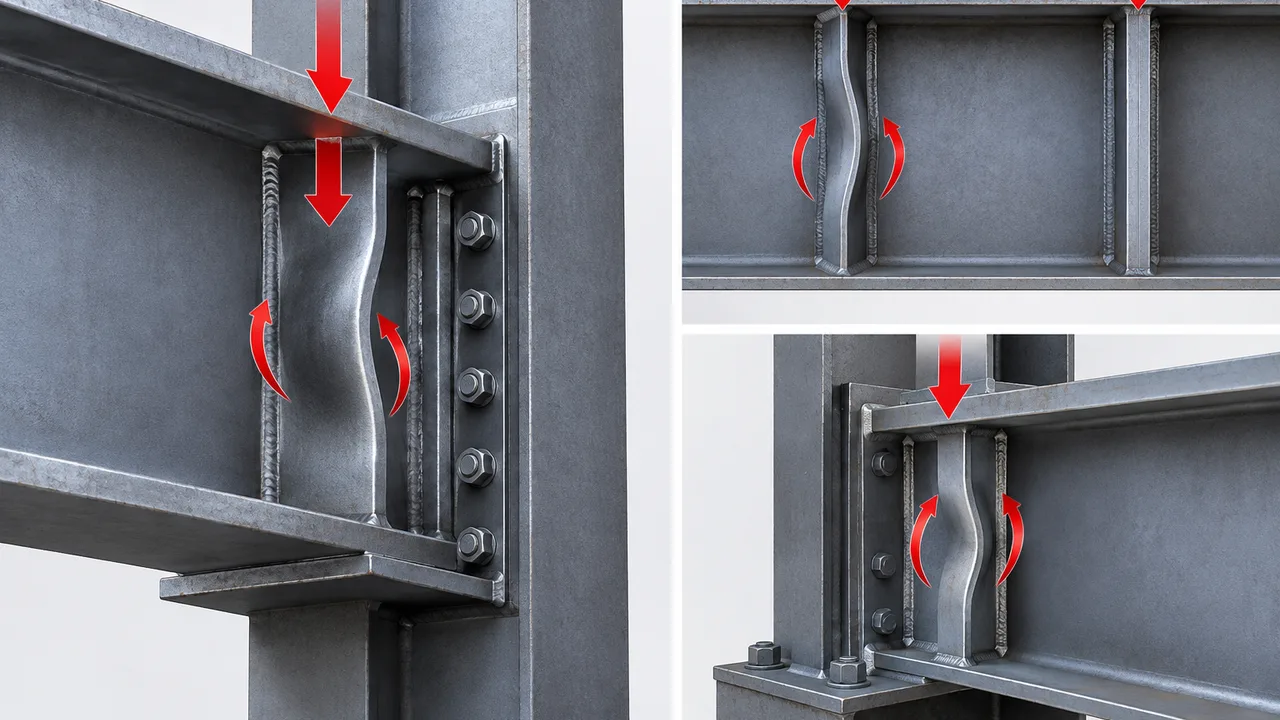
Fabrication decisions should always support structural performance. Load requirements, span length, frame type, crane capacity, roof system, bracing arrangement, and connection method all influence how steel components are processed.
For heavy-duty or large-span projects, connection accuracy and member strength become even more important because installation tolerance and structural behavior must be carefully controlled.
Factory Fabrication Process
A well-organized factory process improves component quality and reduces uncertainty before shipment. Although each project has its own requirements, a typical fabrication workflow includes the following steps:
- Material checking: verify steel grade, size, quantity, and documentation before processing.
- Cutting and drilling: prepare plates and sections through CNC cutting, profiling, and hole processing.
- Assembly and welding: fabricate built-up members, frame parts, plates, brackets, and special components.
- Dimensional inspection: check member length, hole position, connection alignment, and assembly accuracy.
- Surface treatment: apply blasting, primer, paint, galvanizing, or other protection as required.
- Marking and packing: label components clearly and pack them according to delivery and erection needs.
- Delivery coordination: arrange shipment based on project sequence, site access, and construction schedule.
Quality Control for Reliable Steel Supply
Quality control is one of the most important parts of steel supply. It helps confirm that fabricated components are not only produced, but produced correctly for project use. Inspection may include material certificate review, dimensional checking, weld inspection, coating thickness checks, bolt-hole verification, and packing review.
XTD Steel Structure supports steel structure projects through controlled fabrication, component inspection, surface treatment coordination, and export-ready packing. This helps clients receive steel components that are better prepared for efficient site installation.
Special attention should be given to base plates, connection plates, crane beam components, truss nodes, and long-span members because these items can strongly affect erection accuracy and structural performance.
Steel Fabrication and Supply Options
The required scope can be adjusted according to the project type, drawing status, destination, and installation plan. Some clients need only fabricated steel members, while others require a more complete supply package.
| Supply Item | Typical Scope | Project Notes |
|---|---|---|
| Structural Frame Members | Columns, beams, rafters, portal frames | Prepared according to approved drawings and erection requirements |
| Secondary Members | Purlins, girts, supports, bracing members | Supplied with punching, marking, and coating as needed |
| Truss Components | Roof truss segments, nodes, web members | Require careful segmentation and marking for assembly |
| Crane Beam Components | Crane beams, stiffeners, support plates | Designed around crane load and operating requirements |
| Surface Protection | Blasting, painting, galvanizing, anti-corrosion coating | Selected according to project environment and durability target |
| Export Packing | Bundling, labeling, container loading support | Important for international transportation and site identification |
| Delivery Support | Shipment planning and supply sequence coordination | Helps align factory output with construction progress |
Advantages of Choosing One Fabrication and Supply Partner
Working with one coordinated partner can make the project easier to manage. Instead of separating drawing interpretation, fabrication, coating, packing, and delivery into disconnected stages, the process can be organized under one supply workflow.
- Fewer communication gaps between drawings, production, packing, and delivery
- Better drawing-to-production control for fabricated steel components
- More predictable delivery based on erection sequence and project schedule
- Easier quality tracking from material checking to final shipment
- Reduced site rework caused by inaccurate holes, missing parts, or unclear marking
- Improved export coordination for overseas steel structure projects
- Stronger installation preparation through organized labels, packing, and component grouping
Project Workflow From Requirement to Delivery
Requirement Review
The process begins with project information such as drawings, building type, structural dimensions, steel specifications, surface treatment requirements, project location, and delivery schedule. The clearer the input, the more accurate the production and supply plan can be.
Fabrication Planning
After reviewing the requirements, the fabrication plan confirms material preparation, production method, welding scope, coating system, packing method, inspection points, and delivery sequence. This stage connects project drawings with practical factory execution.
Production and Inspection
Steel members are processed according to approved information. During production, inspection helps control dimensional accuracy, welding quality, hole alignment, surface finish, and component identification before the steel is released for shipment.
Supply and Delivery Support
Finished components are marked, packed, and prepared for delivery. For export projects, packing and shipping coordination should consider container loading, unloading sequence, component protection, and site assembly needs. XTD Steel Structure can support clients with organized supply coordination for domestic and overseas projects.
Steel Fabrication and Supply FAQs
What is included in steel fabrication and supply?
It can include material preparation, cutting, drilling, welding, assembly, surface treatment, component marking, packing, and delivery coordination for steel structure projects.
Can you fabricate steel components based on our drawings?
Yes. Fabrication can be carried out based on client drawings, provided that the drawings include the required dimensions, material specifications, connection details, and production information. Drawing review is recommended before production.
Do you provide surface treatment before delivery?
Yes. Surface treatment can include blasting, primer, anti-corrosion coating, painting, or galvanizing for selected components, depending on the project environment and durability requirements.
Can fabricated steel be packed for export projects?
Yes. Fabricated steel components can be marked, bundled, protected, and packed for container loading or international shipment according to project and transportation requirements.
How do you reduce installation problems on site?
Installation problems can be reduced through accurate shop drawings, controlled fabrication, bolt-hole verification, clear component marking, proper packing, and delivery planning that matches the erection sequence.
Start Your Steel Fabrication and Supply Project
Reliable steel fabrication and supply helps steel structure projects move from drawings to site installation with fewer delays and better control. By coordinating material preparation, fabrication, inspection, surface protection, packing, and delivery, project owners can receive components that are better prepared for actual construction.
To begin, share your drawings, steel specifications, project location, coating requirements, delivery schedule, and installation plan. With the right fabrication and supply partner, your steel structure components can be produced accurately, delivered in order, and prepared for efficient assembly on site.