What Is Steel Fabrication for Power Plants?
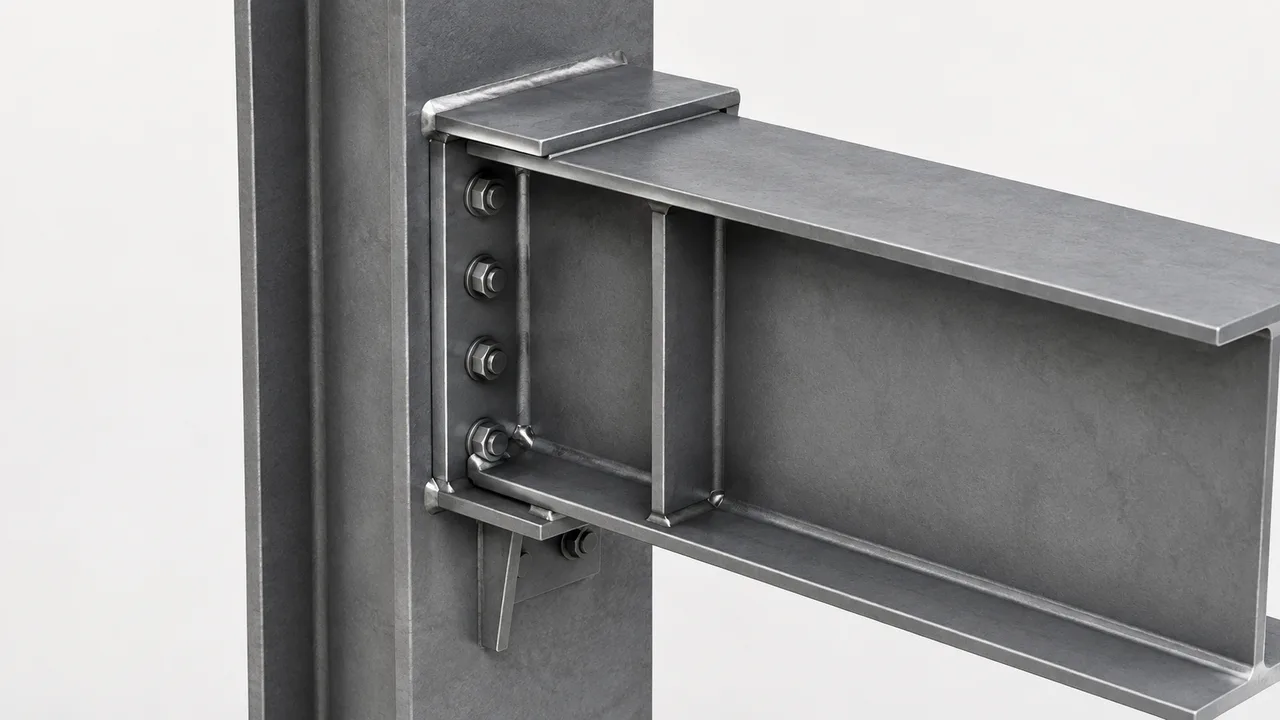
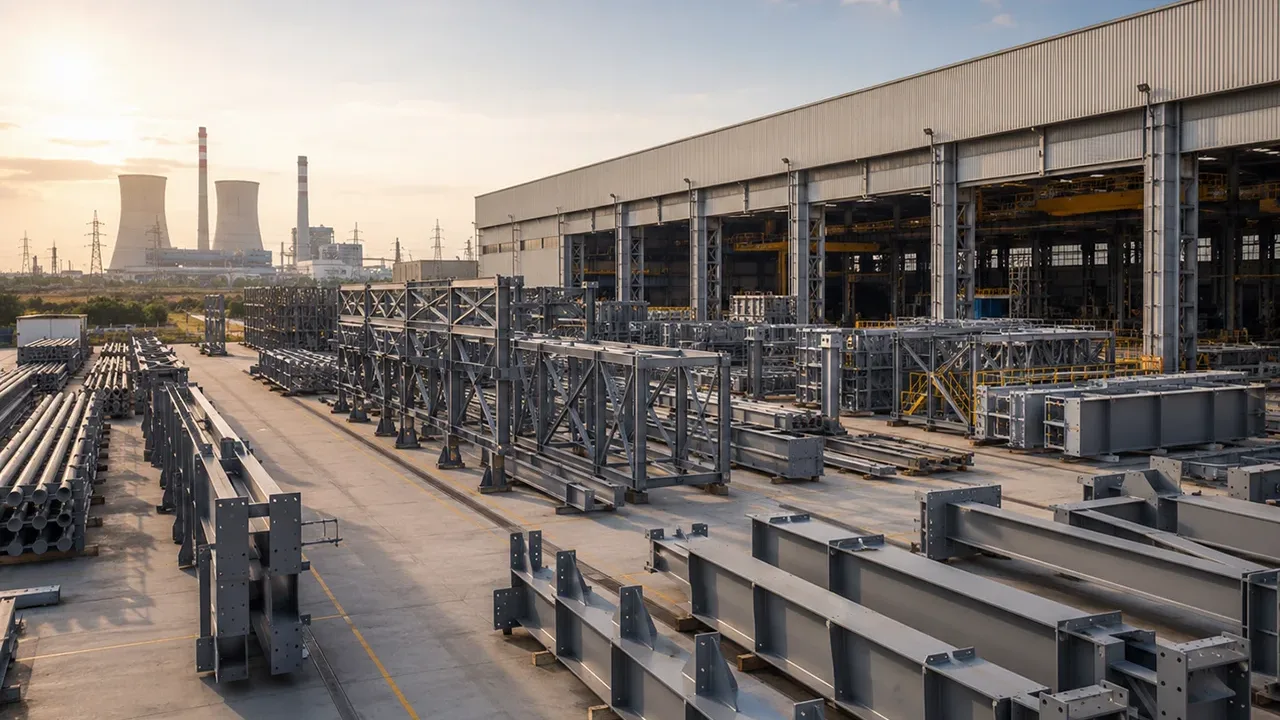
Steel fabrication for power plants refers to the engineering, processing, manufacturing, assembly, and quality control of structural steel components specifically designed for energy generation facilities.
Unlike standard commercial construction, power plant fabrication involves specialized structural systems that must support heavy mechanical equipment, withstand demanding operating environments, and maintain long-term structural performance.
Power plant steel fabrication typically includes:
- Structural steel frames
- Equipment support structures
- Pipe rack systems
- Maintenance platforms
- Access stair systems
- Conveyor support structures
- Utility infrastructure components
These fabricated steel systems work together to create safe and efficient energy production facilities.
Why Power Plants Depend on Steel Structures
High Structural Strength
Power generation facilities contain some of the heaviest equipment found in industrial construction. Turbines, generators, boilers, transformers, and auxiliary systems require strong structural support capable of handling significant loads.
Steel structures provide:
- High load-bearing capacity
- Excellent structural stability
- Reliable long-term performance
- Resistance to operational stresses
- Engineering flexibility
These characteristics make steel the preferred material for supporting critical power generation infrastructure.
Large Scale Facility Requirements
Power plants often occupy large sites with multiple interconnected buildings and operational systems.
Steel fabrication supports:
- Main generation buildings
- Equipment halls
- Control facilities
- Utility corridors
- Maintenance structures
- Storage facilities
The versatility of structural steel enables efficient integration across large industrial complexes.
Long Service Life
Power generation facilities are long-term investments expected to operate for decades.
Fabricated steel structures offer:
- Extended service life
- Durable structural performance
- Predictable maintenance requirements
- High operational reliability
- Adaptability for future upgrades
Properly fabricated and protected steel structures contribute to long-term facility performance.
Adaptability for Various Energy Sectors
Different power generation technologies require unique structural solutions.
Steel fabrication supports:
- Thermal power plants
- Gas-fired facilities
- Combined cycle plants
- Hydroelectric facilities
- Renewable energy projects
- Industrial energy systems
This flexibility makes steel an essential construction material throughout the energy sector.
Types of Power Plants That Require Steel Fabrication
Thermal Power Plants
Thermal power generation facilities require extensive structural systems to support boilers, turbines, fuel handling equipment, and operational infrastructure.
Applications may include:
- Boiler structures
- Turbine halls
- Coal handling systems
- Maintenance platforms
- Support buildings
These facilities often represent some of the largest steel-intensive projects in the energy industry.
Combined Cycle Power Plants
Combined cycle facilities rely on integrated systems that combine gas and steam turbine technologies.
Steel fabrication supports:
- Turbine support structures
- Equipment platforms
- Pipe support systems
- Maintenance access structures
- Operational buildings
Precision fabrication is critical for supporting sophisticated energy generation equipment.
Hydroelectric Facilities
Hydroelectric projects utilize structural steel in both equipment support systems and operational infrastructure.
Common applications include:
- Equipment platforms
- Maintenance structures
- Access systems
- Control buildings
- Support frameworks
Durability and corrosion protection are particularly important in these environments.
Renewable Energy Facilities
Renewable energy projects increasingly require fabricated steel structures to support generation equipment and utility infrastructure.
Applications include:
- Biomass energy plants
- Waste-to-energy facilities
- Energy processing buildings
- Utility support structures
- Industrial renewable projects
Steel structures provide the flexibility required for evolving energy technologies.
Nuclear Support Facilities
While specialized nuclear systems involve unique requirements, many auxiliary and support facilities rely on fabricated structural steel components.
These applications may include:
- Support buildings
- Equipment structures
- Maintenance facilities
- Utility infrastructure
- Operational support areas
Quality control and documentation are especially important in these projects.
Main Steel Components Used in Power Plants
Structural Steel Frames
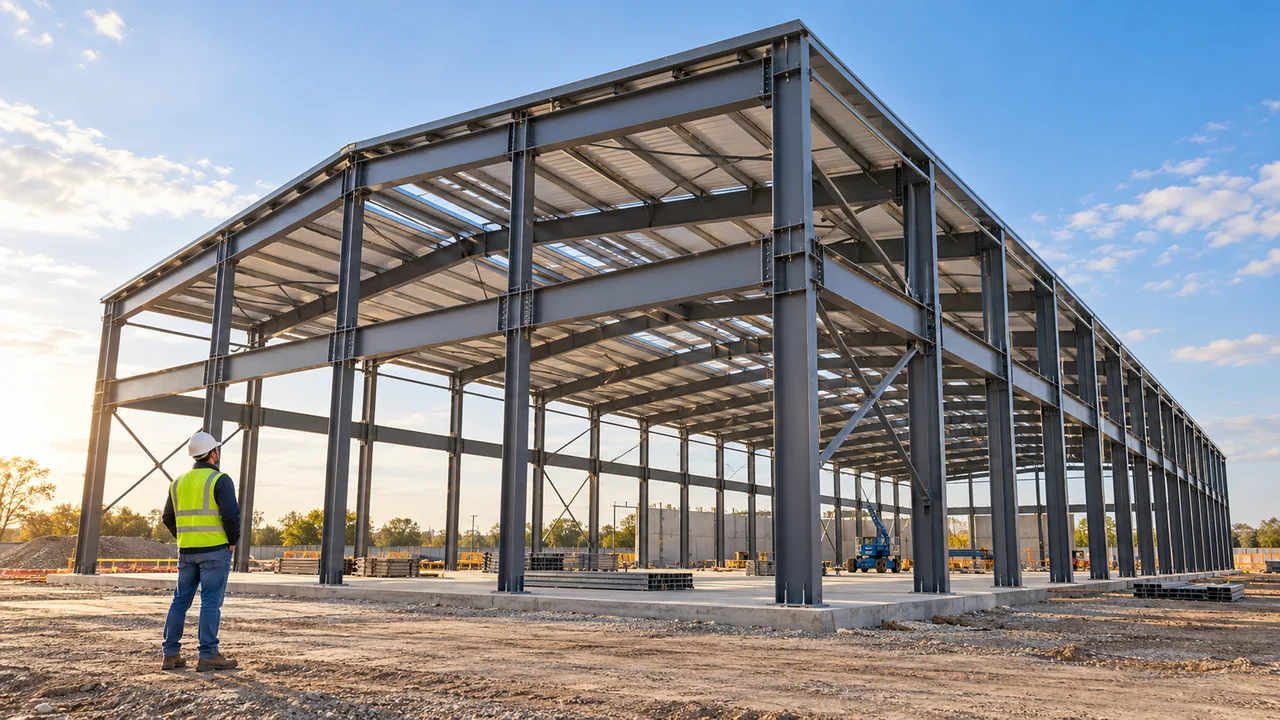
Structural frames form the primary support system for buildings and operational facilities throughout the power plant.
Their functions include:
- Supporting roof systems
- Resisting environmental loads
- Supporting equipment loads
- Providing overall stability
Accurate fabrication is essential for successful installation and long-term performance.
Equipment Support Structures
Power generation equipment requires specialized support systems capable of handling substantial static and dynamic loads.
Supported equipment may include:
- Turbines
- Generators
- Transformers
- Pumps
- Industrial processing systems
Engineering precision is critical for maintaining equipment alignment and operational reliability.
Pipe Rack Systems
Pipe racks distribute utilities, process systems, and operational services throughout power generation facilities.
Steel pipe rack systems provide:
- Structural support
- Utility routing
- Maintenance access
- Operational organization
Proper design improves both operational efficiency and maintenance accessibility.
Platforms and Access Structures
Safe operation and maintenance activities require extensive access systems throughout power plants.
These structures may include:
- Maintenance platforms
- Walkways
- Stair systems
- Equipment access areas
- Inspection platforms
Safety requirements strongly influence the design and fabrication of these systems.
Conveyor and Material Handling Structures
Many power plants depend on material handling systems that require dedicated structural support.
Applications may include:
- Fuel handling systems
- Material transfer structures
- Conveyor supports
- Storage facility systems
These structures must withstand both operational and environmental loading conditions.