A Complete Steel Fabrication Project Solution
From Project Requirements to Fabrication
Every fabrication project begins with understanding what must be manufactured, how it will be used, and when it is required on site. Structural drawings, shop drawings, bills of quantities, material specifications, connection details, coating requirements, and delivery schedules provide the basis for production planning.
The objective is not simply to manufacture individual steel members. The fabrication process must convert project documentation into components that can be transported, identified, assembled, and installed efficiently.
One Coordinated Fabrication Scope
A coordinated fabrication package can combine multiple activities under one production workflow:
- Technical and drawing review
- Material planning and procurement
- CNC cutting, drilling, and plate processing
- Structural assembly and welding
- Surface preparation and protective coating
- Dimensional and welding inspection
- Component marking and traceability
- Export packaging and logistics preparation
Connecting these activities reduces gaps between engineering, production, inspection, and delivery.
Flexible Scope for Different Project Stages
Not every customer requires the same level of support. Some projects arrive with completed fabrication drawings and require production only. Others need technical coordination before drawings can be released to the workshop.
The manufacturing scope can therefore cover selected components, individual fabrication packages, phased production batches, or a complete structural steel package depending on project requirements.
Engineering and Pre-Fabrication Coordination
Drawing and Specification Review
Before production begins, technical information is reviewed to confirm member dimensions, steel grades, plate thicknesses, connection details, bolt-hole positions, weld requirements, tolerances, and surface treatment specifications.
Questions identified during this stage can be coordinated before material is processed, reducing the risk of costly modifications later in production.
Fabrication Feasibility Review
A structure may be technically correct on drawings but still require adjustment to make manufacturing, transportation, or assembly practical. Fabrication review considers component geometry, welding access, connection configuration, production equipment limitations, and assembly sequences.
This is particularly important for heavy members, complex nodes, large trusses, non-standard structures, and projects involving repeated customized assemblies.
Transportation and Installation Considerations
Fabrication planning should also consider what happens after a component leaves the factory. Member length, shipping dimensions, lifting requirements, container limitations, site access, and erection sequence can influence how structural assemblies are divided for production.
Planning these interfaces early helps avoid producing components that are difficult to transport or unnecessarily complicated to install.
Steel Fabrication Capabilities
CNC Cutting and Drilling
CNC equipment supports accurate cutting and drilling of structural profiles and plates. Automated processing improves dimensional consistency across both individual components and large repetitive production batches.
Plate and Profile Processing
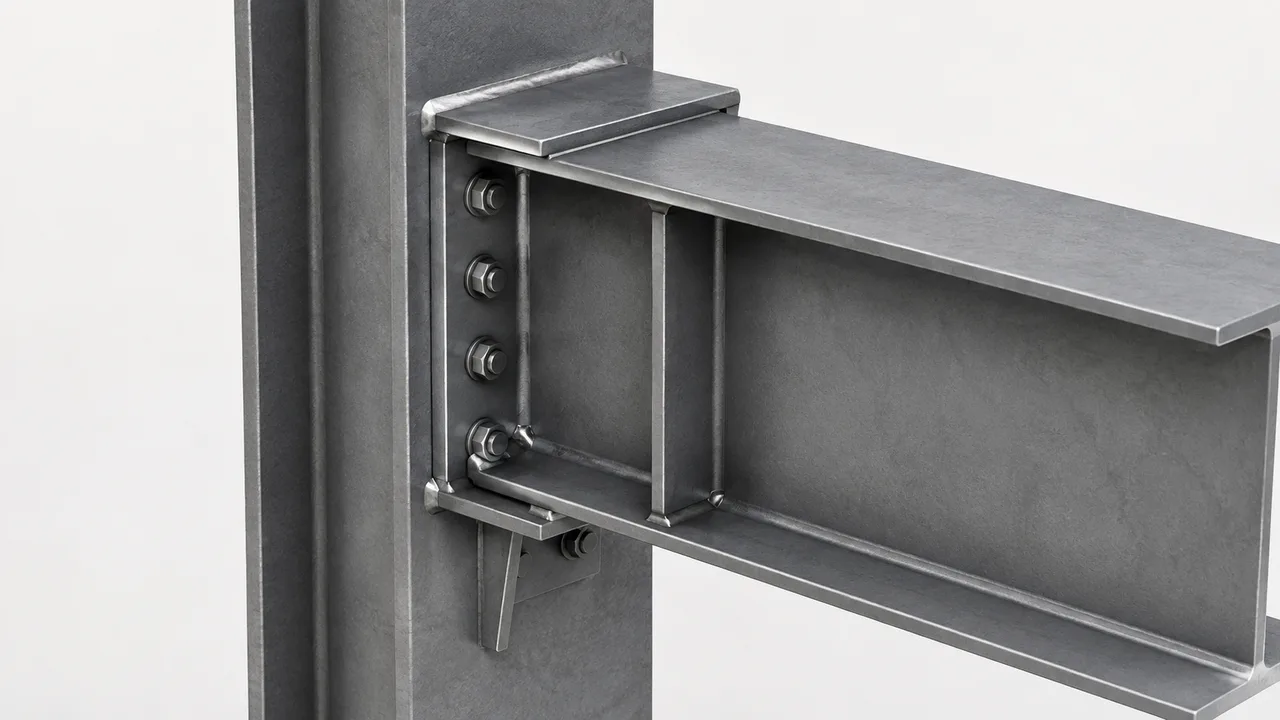
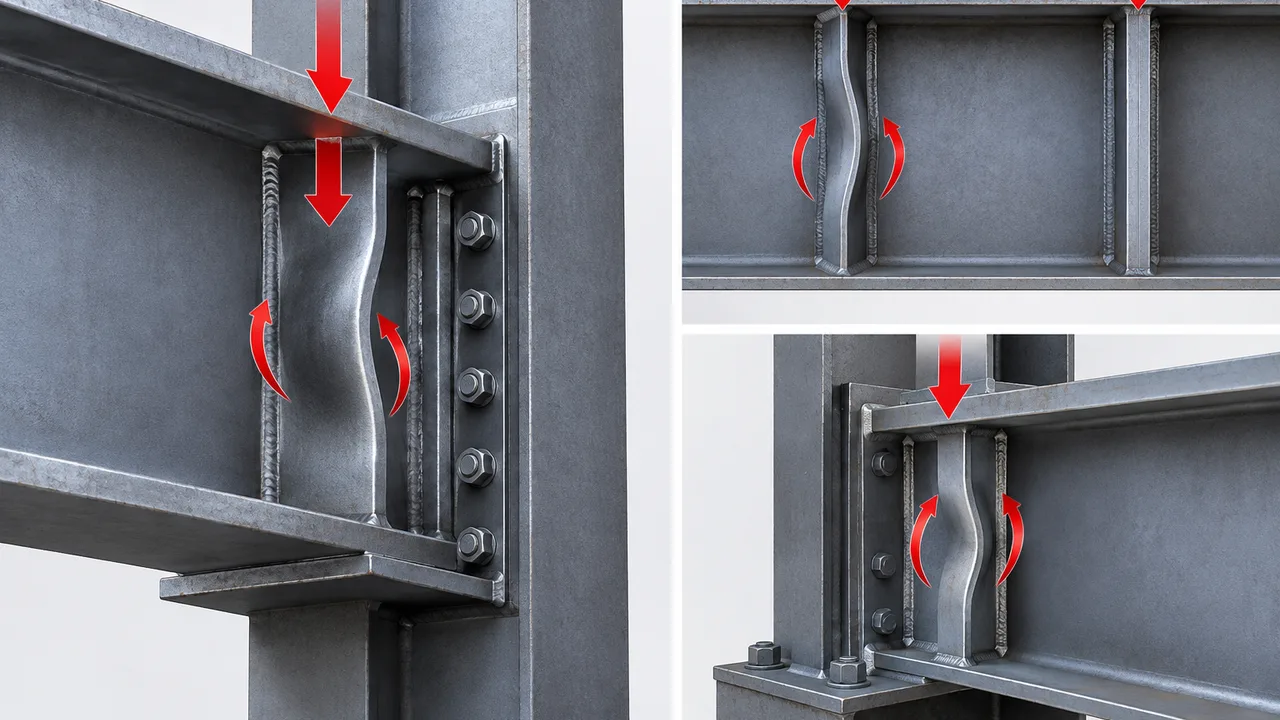
Steel plates and profiles can be cut, drilled, beveled, shaped, and prepared according to approved fabrication information. Accurate preparation is especially important for connection plates, stiffeners, base plates, splice plates, and custom structural details.
Structural Assembly
Processed components are assembled according to shop drawings before welding. Correct positioning and dimensional checks during assembly help maintain geometry and connection compatibility.
Professional Welding
Welding is carried out according to project requirements and defined procedures. The fabrication sequence is managed to maintain structural accuracy while reducing distortion in welded assemblies.
Complex Component Fabrication
Projects involving heavy sections, trusses, equipment supports, irregular geometries, built-up members, or specialized connections require closer coordination between detailing, processing, assembly, welding, and inspection.
Surface Preparation and Coating
Depending on project requirements, fabricated steel can receive blasting, industrial primers, multi-layer coating systems, or other specified corrosion protection. Surface treatment is coordinated with environmental exposure and the intended service conditions.
Structural Components We Fabricate
Steel Columns and Beams
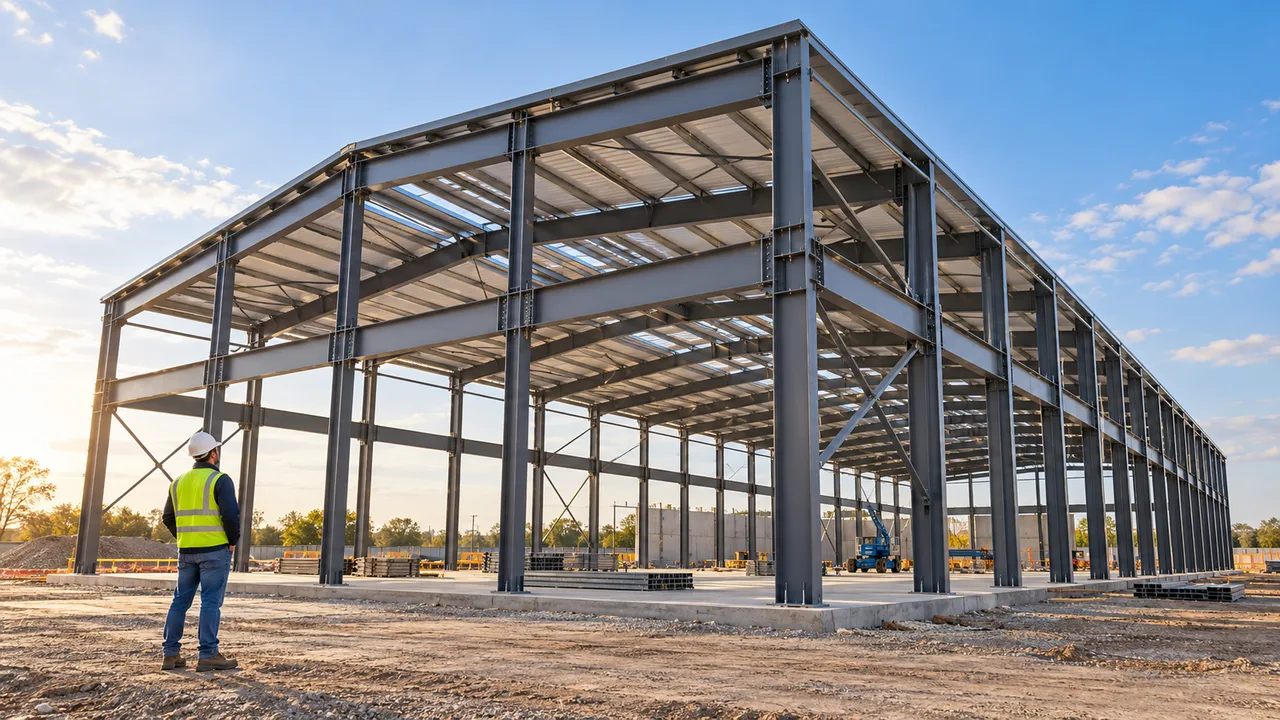
Primary structural members can include rolled sections or fabricated built-up members designed for industrial buildings, warehouses, factories, commercial facilities, and other steel construction projects.
Steel Trusses
Trusses provide efficient solutions for projects requiring large spans, open interior areas, roof support, or specialized structural configurations.
Bracing Systems
Horizontal and vertical bracing components are fabricated to support structural stability and transfer lateral forces through the building system.
Connection and Base Plates
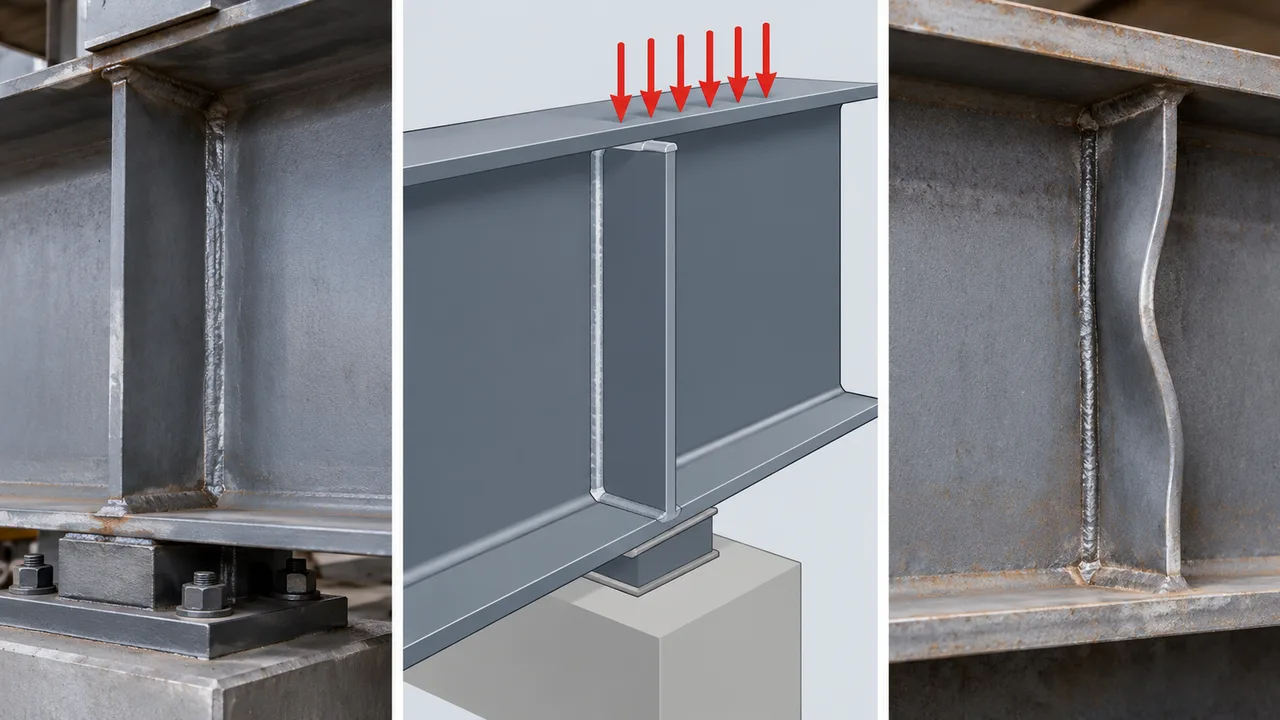
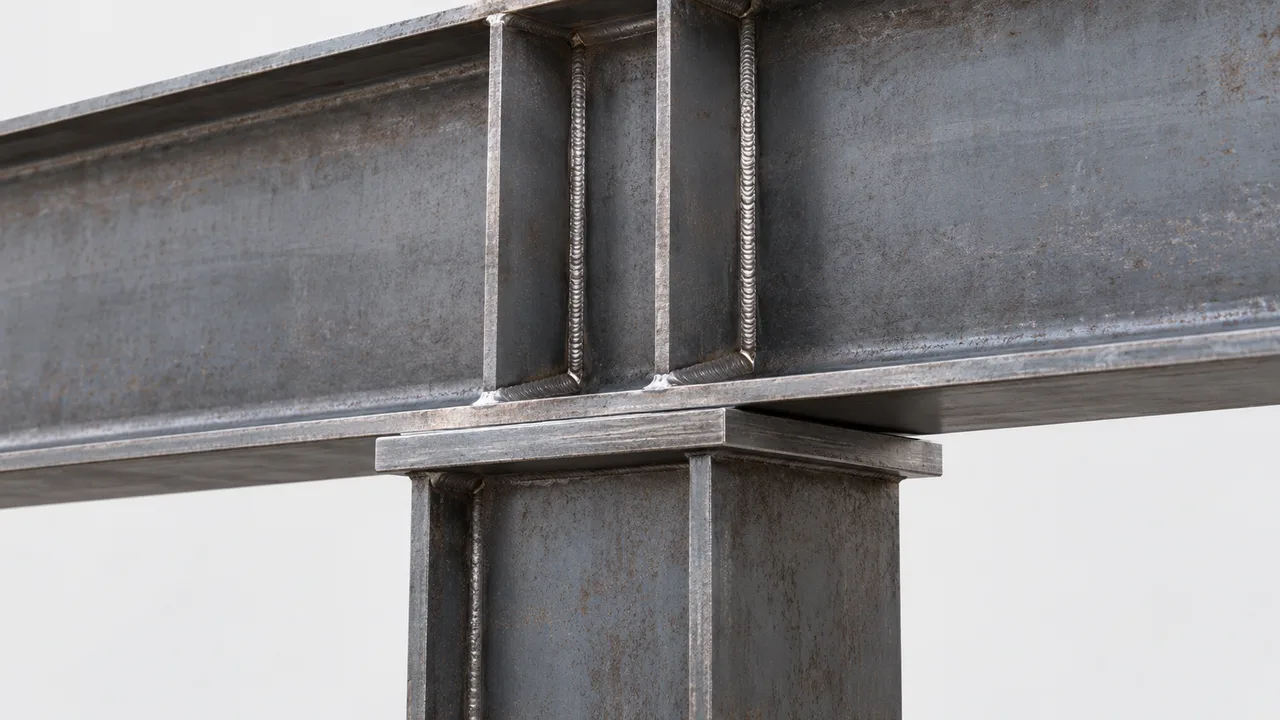
Connection plates, gusset plates, splice plates, stiffeners, and base plates require accurate hole positioning and dimensions because they directly affect assembly efficiency.
Secondary Steel Components
Purlins, girts, framing supports, brackets, and other secondary components can be incorporated into the overall fabrication package where required.
Equipment Support and Custom Structures
Industrial projects may require platforms, equipment frames, maintenance structures, pipe supports, conveyor supports, and other custom fabricated steel assemblies.
Solutions for Different Steel Structure Projects
Industrial Buildings
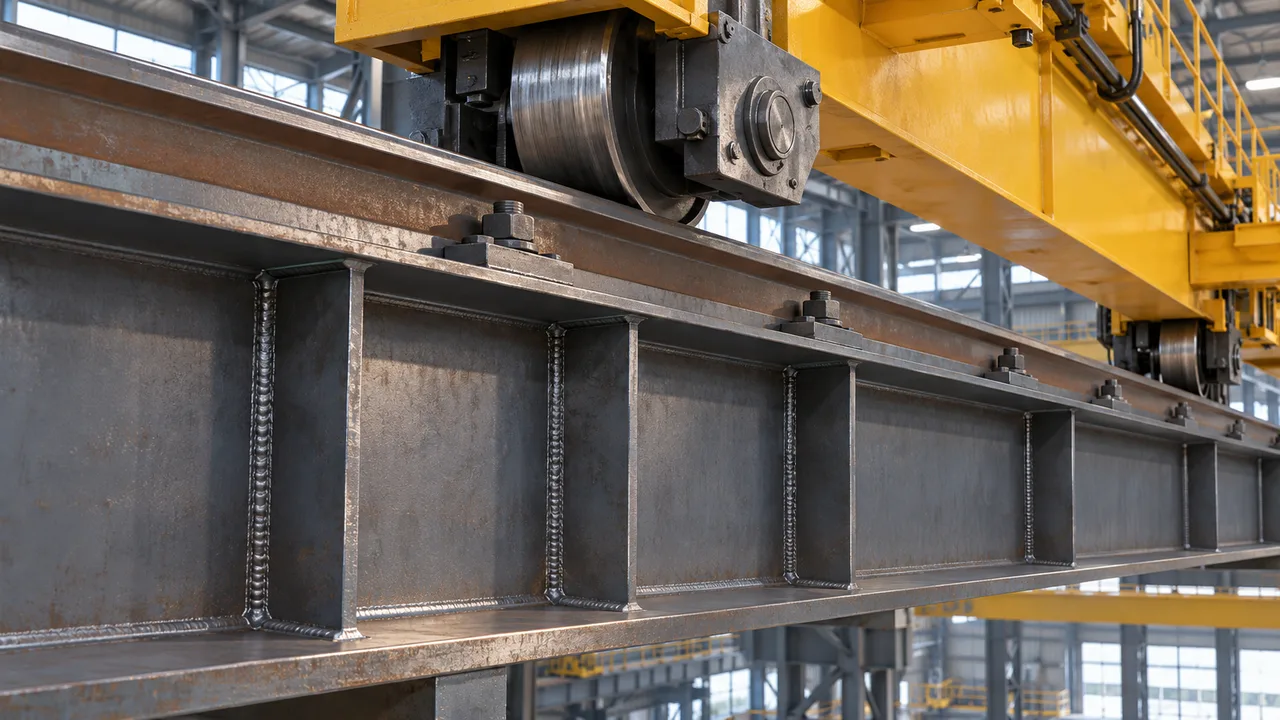
Industrial projects often require heavy structural members, equipment interfaces, crane support, large spans, and production areas designed around operational processes.
Warehouses and Logistics Facilities
Warehouse fabrication typically prioritizes repetitive production efficiency, large clear spans, standardized connections, and coordinated delivery for rapid erection.
Manufacturing Plants
Factory structures may combine production halls, crane systems, equipment platforms, utility areas, mezzanines, and supporting buildings within one fabrication program.
Commercial and Agricultural Buildings
Commercial and agricultural projects may require lighter structural systems, flexible interior layouts, customized roof configurations, and different levels of corrosion protection.
Mining and Heavy Industry
Mining projects can involve processing structures, maintenance facilities, platforms, conveyor supports, equipment frames, and other heavy-duty fabricated components.
Energy and Infrastructure Projects
Energy and infrastructure applications may involve specialized structural assemblies that require strict dimensional control, phased manufacturing, and coordination with other project packages.
Managing Complex Fabrication Requirements
Large and Heavy Components
Heavy members require production planning that considers workshop handling, welding sequence, lifting, temporary support, transportation, and final site assembly. Component segmentation may be necessary when finished assemblies exceed practical shipping dimensions.
High-Volume Production
Projects containing large quantities of repetitive components benefit from organized batch production. Material preparation, CNC processing, assembly, inspection, and coating can be sequenced to maintain steady production flow.
Custom and Non-Standard Structures
Complex geometry and unusual connection details require additional attention during technical review. Accurate fabrication information and controlled assembly help prevent cumulative dimensional errors.
Multi-Package Projects
Large projects do not always need every component delivered simultaneously. Production can be divided into packages based on erection zones, building sections, construction phases, or site priorities.
Steel Fabrication Project Workflow
Project Requirement Review
The process starts with drawings, specifications, quantities, project standards, destination, coating requirements, and the required delivery schedule.
Technical and Drawing Coordination
Engineering information is reviewed and clarified before production release to ensure that fabrication requirements are understood by all relevant teams.
Material Planning and Procurement
Steel materials are organized according to approved specifications, quantities, production priorities, and project schedule.
Production Scheduling
Fabrication activities are sequenced around material availability, workshop capacity, inspection requirements, coating operations, and planned shipment dates.
CNC Processing, Welding, and Assembly
Materials move through cutting, drilling, preparation, assembly, welding, and dimensional verification according to approved fabrication documentation.
Surface Treatment
After fabrication and required inspections, components proceed to the specified surface preparation and protective treatment.
Final Inspection
Finished components are checked for dimensions, identification, quantities, coating condition, and other project-specific requirements before release.
Packaging and Delivery
Components are marked, organized, and packaged according to shipping requirements and, where practical, the planned erection sequence.
Quality Control Throughout the Project
Raw Material Verification
Incoming steel materials are checked against project requirements before being released into production. Material identification and relevant documentation support traceability throughout fabrication.
Dimensional Inspection
Critical dimensions, hole locations, connection interfaces, and overall member geometry are checked during production to support accurate assembly.
Welding Inspection
Welded joints are visually inspected and may receive additional testing where required by the project specifications or inspection plan.
Surface Treatment Inspection
Surface preparation and protective coatings are checked according to the specified project requirements before components are packaged.
Component Identification and Traceability
Clear component identification helps connect fabricated members with drawings, packing lists, erection sequences, and project documentation.
Final Pre-Shipment Inspection
Before shipment, quantities, component markings, visible condition, packaging, and required records are reviewed to confirm readiness for delivery.
Production Planning for Project Delivery
Manufacturing According to Construction Priority
Producing every component in drawing order is not always the most efficient approach. Fabrication can instead follow construction priorities so that columns, primary frames, bracing, or other early-stage components are completed before packages required later.
Batch and Phased Delivery
Phased manufacturing allows production and shipping to follow project milestones. This approach can reduce unnecessary site storage while supporting continuous erection progress.
Reducing Site Rework
Accurate dimensions, coordinated connections, correct bolt-hole locations, and clearly identified components reduce the need for drilling, cutting, forced alignment, or other modifications after delivery.
International Project and Export Support
Export-Ready Packaging
Packaging is planned around component dimensions, protection requirements, handling methods, and transportation conditions.
Component Marking and Packing Lists
Structured marking systems and packing documentation help project teams identify components after arrival and organize them according to installation priorities.
Container and Break-Bulk Planning
Standard components may be optimized for container shipment, while oversized or heavy structural members may require break-bulk transportation. Shipping strategy should be considered during fabrication planning rather than after production is complete.
International Documentation
Project documentation can include packing information, component identification records, quality documents, and other records required for coordinated international delivery.
Coordination With Project Teams
Regular communication between engineering, production, logistics, and the customer helps manage approvals, revisions, manufacturing progress, and shipment priorities.
Why Choose XTD Steel Structure for Your Fabrication Project?
- Integrated engineering and fabrication coordination
- Advanced CNC processing capability
- Heavy and light structural steel manufacturing
- Custom and complex component fabrication
- Quality control throughout production
- Flexible batch and phased manufacturing
- International packaging and export experience
- Production planning aligned with construction schedules
XTD Steel Structure combines manufacturing capability with practical project coordination to support customers that require more than isolated steel components. The objective is to provide a fabrication package that fits the project’s engineering information, construction sequence, quality requirements, and delivery strategy.
Frequently Asked Questions
Can you fabricate directly from our project drawings?
Yes. Fabrication can be based on customer-provided structural drawings, approved shop drawings, material specifications, and other technical project documentation.
Can you handle only the fabrication portion of our project?
Yes. The scope can be limited to fabrication or expanded to include technical coordination, material procurement, surface treatment, inspection, packaging, and export preparation.
Can you manufacture complex or non-standard components?
Yes. Complex components can be evaluated according to geometry, material requirements, welding details, workshop capability, transportation limitations, and inspection requirements.
Can production follow our construction schedule?
Yes. Where project information and scheduling allow, fabrication can be divided into batches or phases according to erection priorities and required delivery dates.
What information is required for a fabrication quotation?
Structural drawings, shop drawings where available, material specifications, bill of quantities, coating requirements, applicable standards, project destination, and required delivery schedule are useful for preparing an accurate quotation.
Can you support international delivery?
Yes. Fabricated components can be marked, packaged, documented, and prepared for container or break-bulk shipment according to project requirements.
Discuss Your Steel Fabrication Project
A well-coordinated steel fabrication project solution should connect engineering information, manufacturing capacity, quality control, logistics, and construction priorities rather than treating each stage separately. This approach helps improve production predictability and prepares structural components for efficient delivery and installation.
Send your structural drawings, shop drawings if available, bill of quantities, material specifications, coating requirements, project destination, and required schedule. Our team can review the project scope and develop a fabrication approach aligned with your technical, production, quality, and delivery requirements.
“`