Logistics Operations Require Different Building Systems
Fast-Moving Distribution Environments
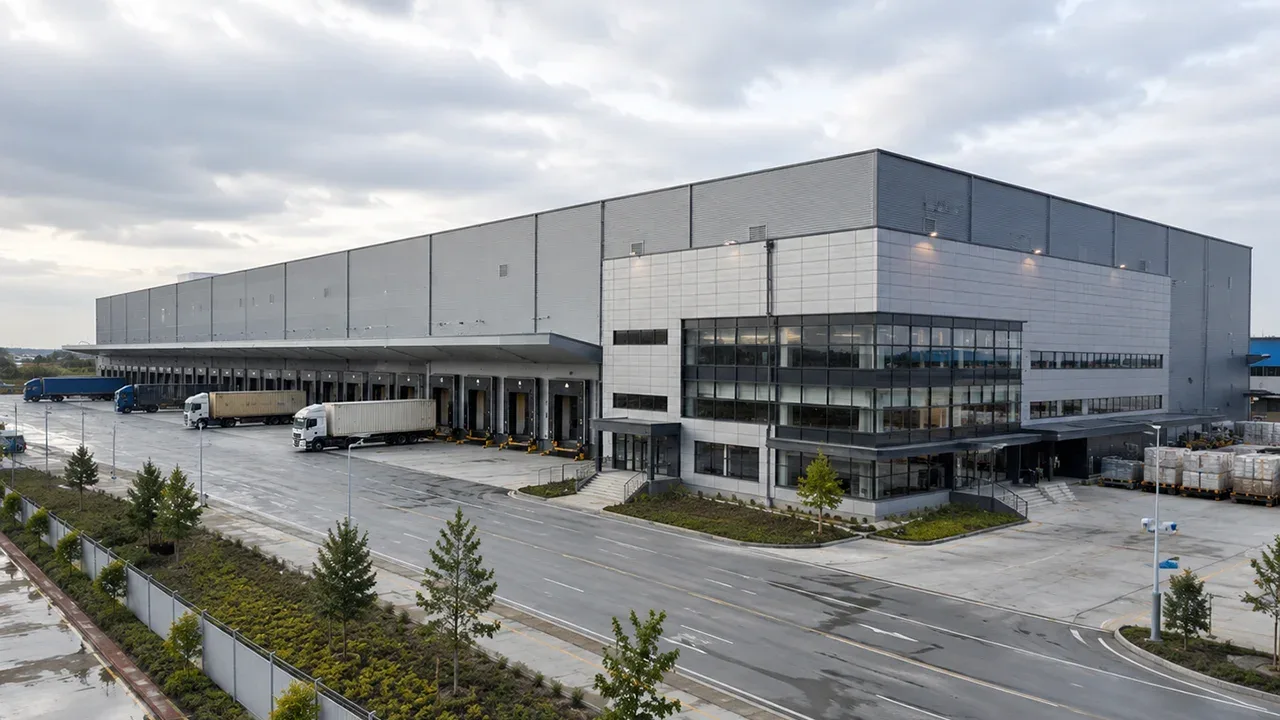
Logistics facilities operate under constant pressure. Trucks arrive on strict schedules, loading docks must remain active, and inventory turnover can be extremely high. A building designed for this environment needs to support rapid movement without structural interference.
Steel structures make it easier to design wide internal routes, efficient dock areas, and unobstructed handling zones. This improves the connection between storage, picking, packing, and outbound delivery.
Large Clear Span Requirements
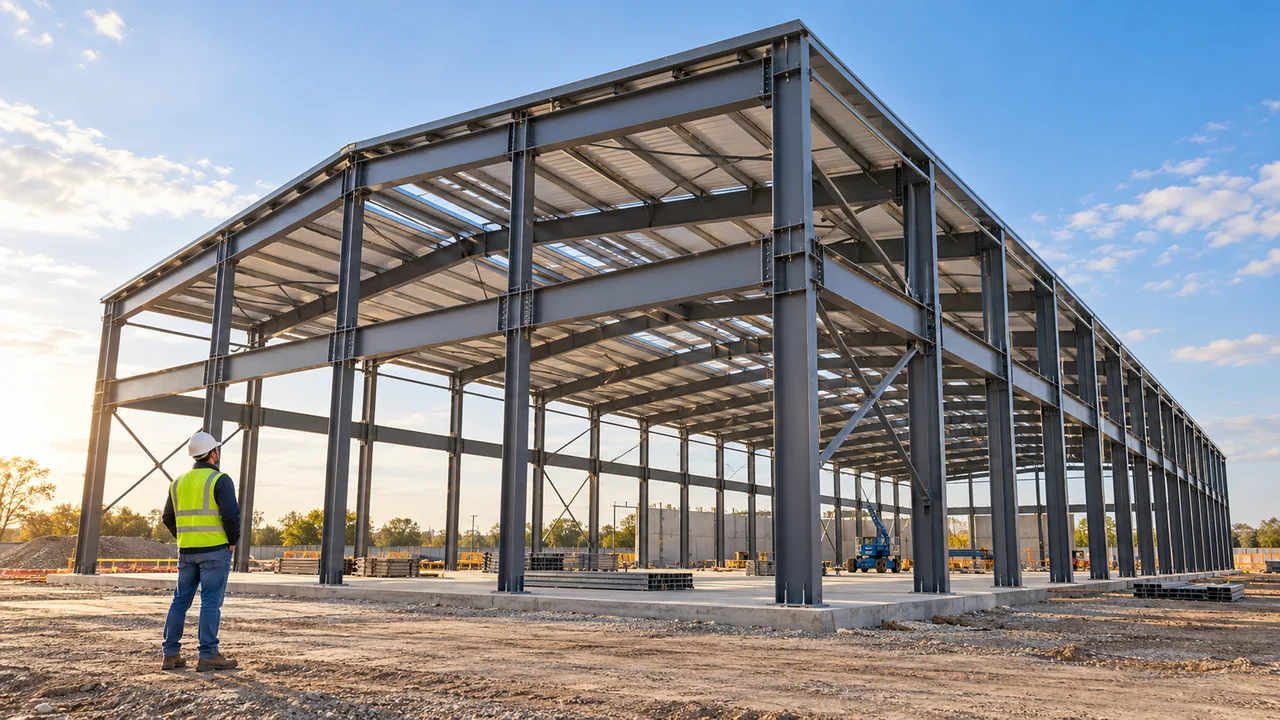
Modern logistics buildings often require large open interiors for forklifts, conveyors, automated storage systems, and high-bay racking. A steel structure building for logistics can reduce internal columns and create more usable space for equipment movement.
Clear-span design is especially important when warehouse operators need flexible rack placement or future automation upgrades.
Expansion-Friendly Infrastructure
Logistics demand can change quickly. A regional warehouse may need to expand into a larger distribution hub, or a fulfillment center may require additional sorting areas. Steel buildings can be planned with modular expansion zones, allowing future growth with less disruption.
Common Logistics Steel Building Applications
Distribution Centers
Distribution centers require efficient truck access, storage density, and fast goods movement. Steel structure systems support wide layouts, large dock areas, and flexible storage planning for high-volume distribution operations.
E-Commerce Fulfillment Warehouses
E-commerce facilities often combine storage, picking, packing, returns processing, and outbound shipping within one building. Steel structures provide the spatial flexibility needed for changing product categories, seasonal peaks, and automated handling systems.
Regional Logistics Hubs
Regional logistics hubs often serve multiple markets from one location. These buildings need durability, large capacity, and efficient circulation. Steel construction helps create scalable infrastructure that can handle continuous operations and future expansion.
Cold Chain Logistics Facilities
Cold chain buildings require insulation, controlled temperatures, and reliable structural support for specialized wall and roof systems. Steel frames can integrate insulated panels, controlled loading areas, and temperature-zone separation for cold storage or refrigerated distribution.
Design Priorities in Logistics Steel Structures
Dock and Loading Area Planning
Loading areas directly affect logistics efficiency. The structural design should consider truck turning radius, dock spacing, canopy support, and circulation between inbound and outbound zones.
- Dock quantity and spacing
- Canopy and shelter design
- Truck maneuvering areas
- Connection between docks and storage zones
Internal Traffic Optimization
Inside the warehouse, material flow should be planned before finalizing the structural grid. Column spacing, aisle width, and equipment paths must support daily operations instead of limiting them.
A logistics building is more effective when structural planning and workflow planning are developed together.
Structural Support for Automation Systems
Automated storage and retrieval systems, conveyors, sorting lines, mezzanines, and high-density racking may require additional structural coordination. Steel systems can be engineered to support these operational loads while keeping the interior layout adaptable.
Roof Height and Storage Efficiency
Roof height affects storage capacity. Higher clear height allows vertical racking and better cube utilization. For logistics operators, this can increase storage performance without expanding the building footprint.
Why Steel Construction Fits Logistics Projects
Logistics projects often need fast deployment. Delayed construction can delay supply chain operations, tenant handover, or production distribution schedules. Steel construction helps reduce that risk through prefabricated components and faster on-site assembly.
Speed is not the only advantage. Steel structures also support flexible layouts, future extensions, large spans, and durable long-term use.
- Shorter construction timelines
- Large open warehouse areas
- Flexible rack and equipment layouts
- Better support for phased expansion
- Reliable performance under continuous use
For logistics developers, these advantages make steel construction a practical choice for both new facilities and multi-phase industrial parks.
Fabrication and Construction Workflow
Factory-Controlled Steel Production
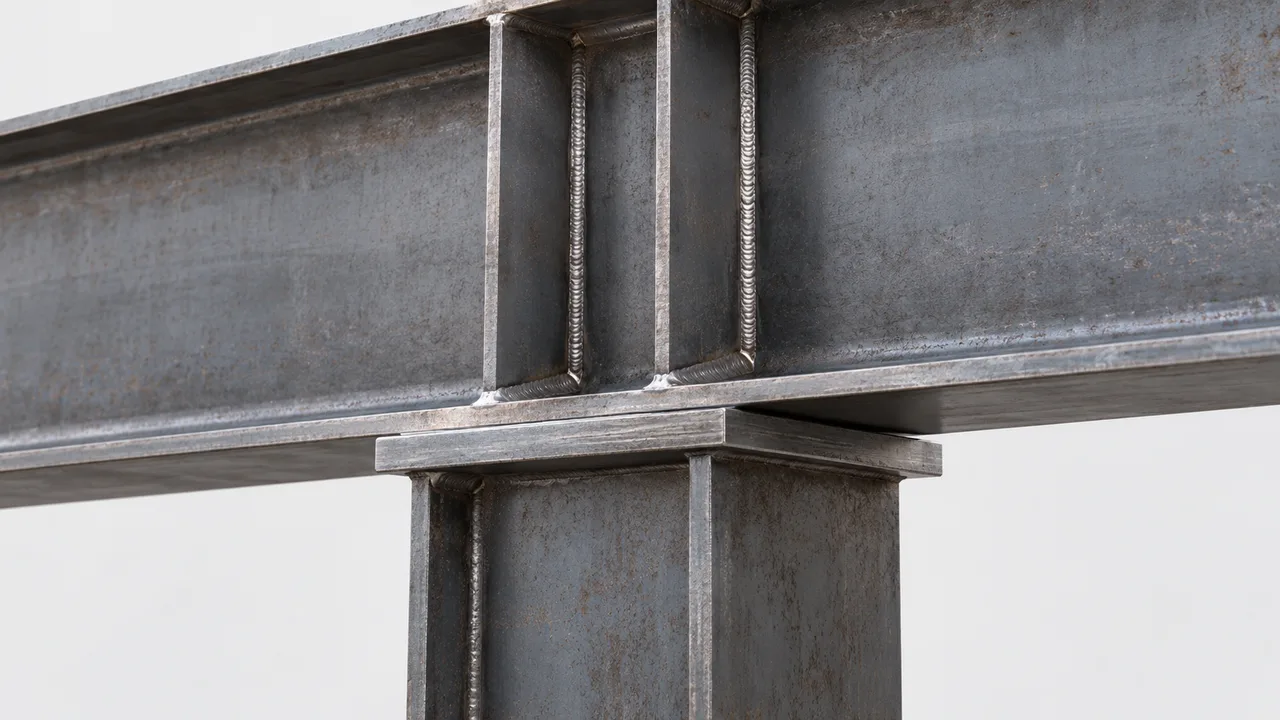
Steel components are produced in controlled factory environments through cutting, welding, drilling, and assembly preparation. This improves dimensional accuracy and reduces uncertainty during site installation.
Coordinated Delivery Scheduling
Logistics projects often depend on tight construction sequencing. Components must arrive at the correct stage of the project to avoid site congestion and delays.
- Engineering drawings are finalized.
- Steel components are fabricated in the factory.
- Surface treatment and inspection are completed.
- Components are packed and shipped by installation sequence.
- On-site erection begins according to the construction schedule.
Rapid On-Site Installation
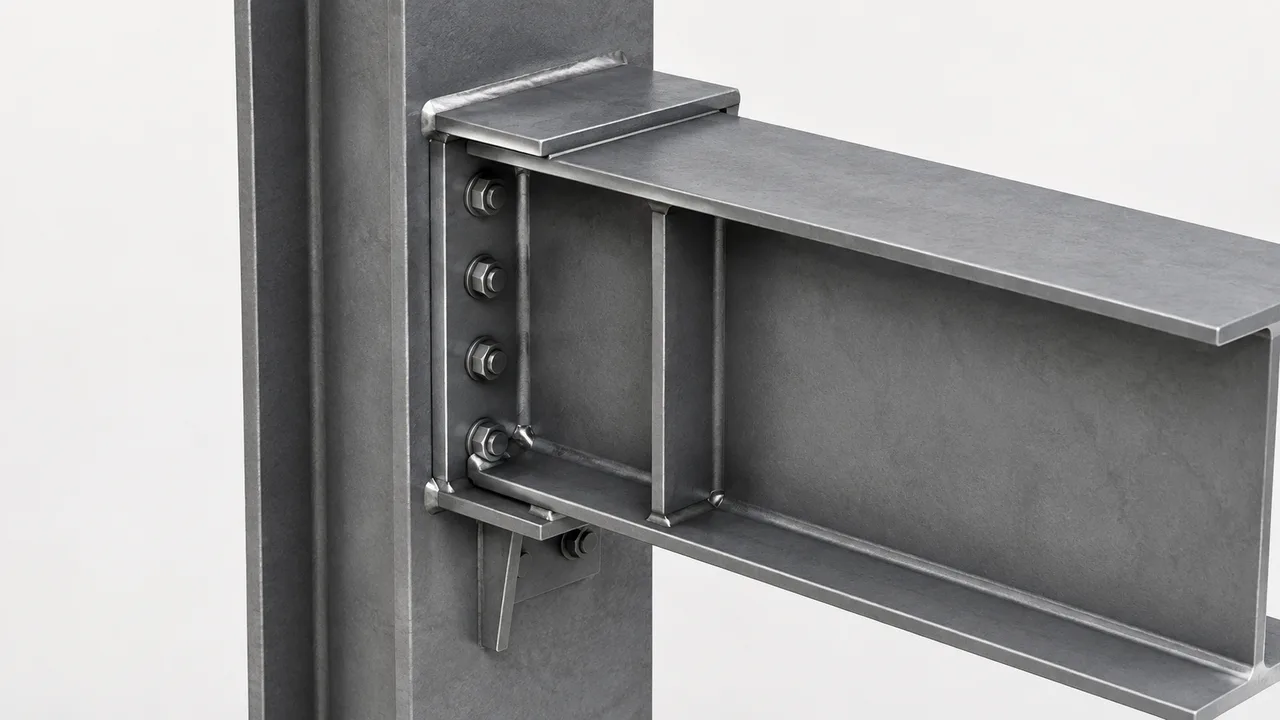
Once the foundation is ready, the steel frame can be installed efficiently using bolted connections and planned erection sequences. XTD Steel Structure supports logistics-related projects with coordinated engineering, fabrication, and delivery planning for efficient execution.
Performance Under Continuous Industrial Use
Durability in High-Traffic Operations
Logistics facilities experience constant vehicle movement, material handling, and daily operational stress. Steel structures provide the strength and durability required for this type of high-frequency use.
Corrosion Protection Systems
Depending on the project environment, steel components may require protective coatings, galvanizing, or specialized paint systems. These treatments help extend the service life of the structure and reduce maintenance needs.
Long-Term Maintenance Efficiency
A properly designed steel logistics building can provide decades of reliable service with planned inspection and maintenance. Structural accessibility also makes future repair, modification, or extension more manageable.
Choosing a Logistics Steel Structure Contractor
Not every steel building supplier understands logistics operations. A logistics project requires coordination between structural design, dock planning, equipment layout, delivery schedule, and future expansion strategy.
When selecting a contractor, consider:
- Experience with industrial and logistics facilities
- Ability to coordinate engineering and fabrication
- Production capacity for large steel components
- Understanding of phased project delivery
- Support for international logistics and shipment
An experienced steel structure contractor can help reduce design conflicts and improve project execution from concept to installation.
Questions About Logistics Steel Buildings
Why are steel structures used in logistics buildings?
Steel structures provide large spans, fast construction, and flexible layouts that support efficient logistics operations.
Can a steel logistics building support automation?
Yes. Steel buildings can be engineered to support conveyors, automated storage systems, mezzanines, and high-bay racking.
Are logistics steel buildings expandable?
Yes. Steel buildings can be designed with modular expansion plans for future warehouse growth.
How fast can logistics steel facilities be completed?
Timelines vary by project size and complexity, but prefabricated steel components generally allow faster construction than many traditional methods.
Build Smarter Logistics Infrastructure
A well-planned steel structure building for logistics helps companies improve storage efficiency, truck movement, warehouse flexibility, and long-term scalability. For modern supply chains, the right building system can directly support better operational performance.
By combining structural engineering, factory fabrication, and coordinated installation, steel construction offers a practical foundation for future-ready logistics facilities.