What Is a Steel Structure Manufacturer for Export?
Export-Oriented Steel Structure Manufacturing
An export-oriented manufacturer produces structural steel components and building packages specifically for delivery to international markets. The service includes conventional fabrication activities as well as additional coordination for overseas transport, customs documentation, packaging, unloading, and installation.
The manufacturing scope may cover primary frames, secondary framing, trusses, bracing systems, connection plates, purlins, wall girts, roof support components, and project-specific structural assemblies. Depending on the project, the package can also include cladding materials, bolts, accessories, and installation-oriented documentation.
Supporting International Construction Projects
International projects require close communication between owners, engineers, consultants, manufacturers, shipping companies, and local construction teams. Technical questions must be resolved before production, and manufacturing information must remain consistent with approved project documents.
A reliable steel structure manufacturer for export also considers container dimensions, break-bulk limitations, port handling, delivery sequence, and site storage conditions when planning component lengths and fabrication packages.
Global Customers We Serve
Export manufacturing services are suitable for:
- International contractors and EPC companies
- Steel building distributors
- Property developers
- Engineering firms
- Industrial companies
- Regional construction suppliers
- Importers of prefabricated steel structures
Our Export Manufacturing Capabilities
Engineering Review and Technical Coordination
Before production begins, technical teams review structural drawings, material specifications, connection details, member dimensions, tolerances, welding requirements, surface protection, and installation conditions.
This review helps identify missing information, incompatible interfaces, impractical transportation dimensions, and details that may create difficulties during fabrication or site erection. Questions are coordinated before materials are released for processing.
Structural Steel Fabrication
Manufacturing facilities can produce both primary and secondary steel components, including:
- Built-up and rolled steel columns
- Roof and floor beams
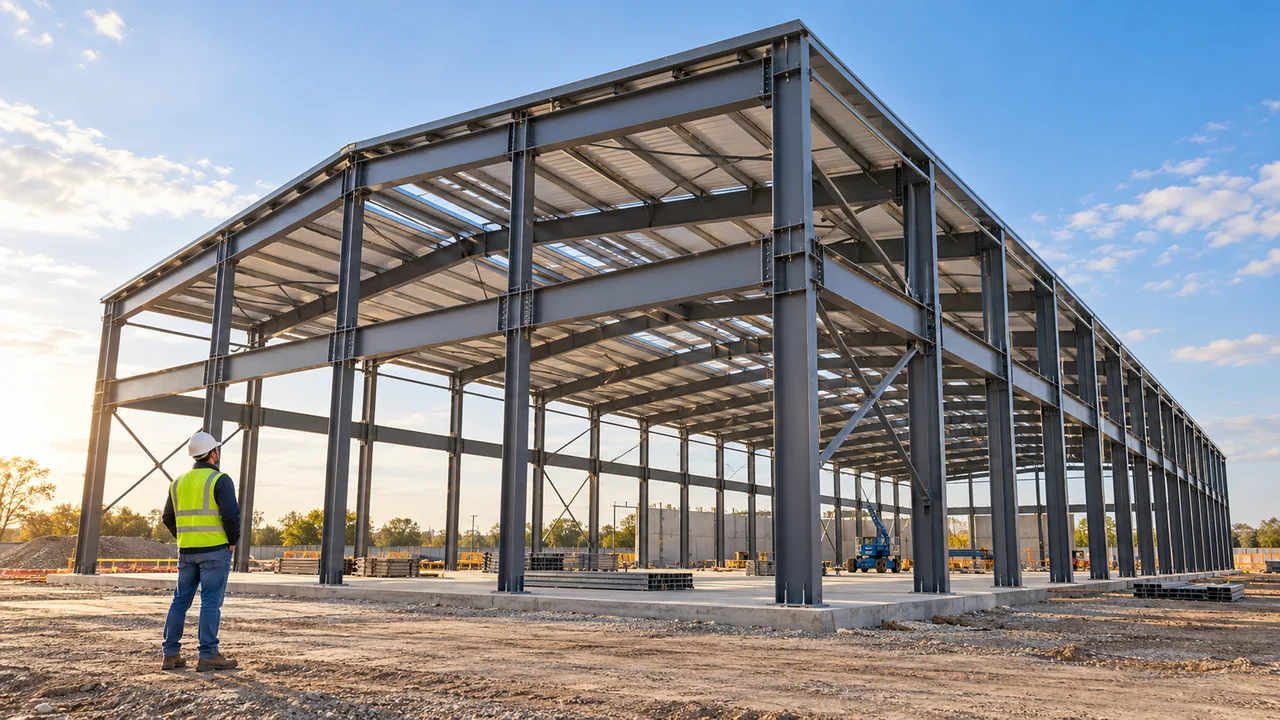
- Portal frames
- Steel trusses
- Bracing systems
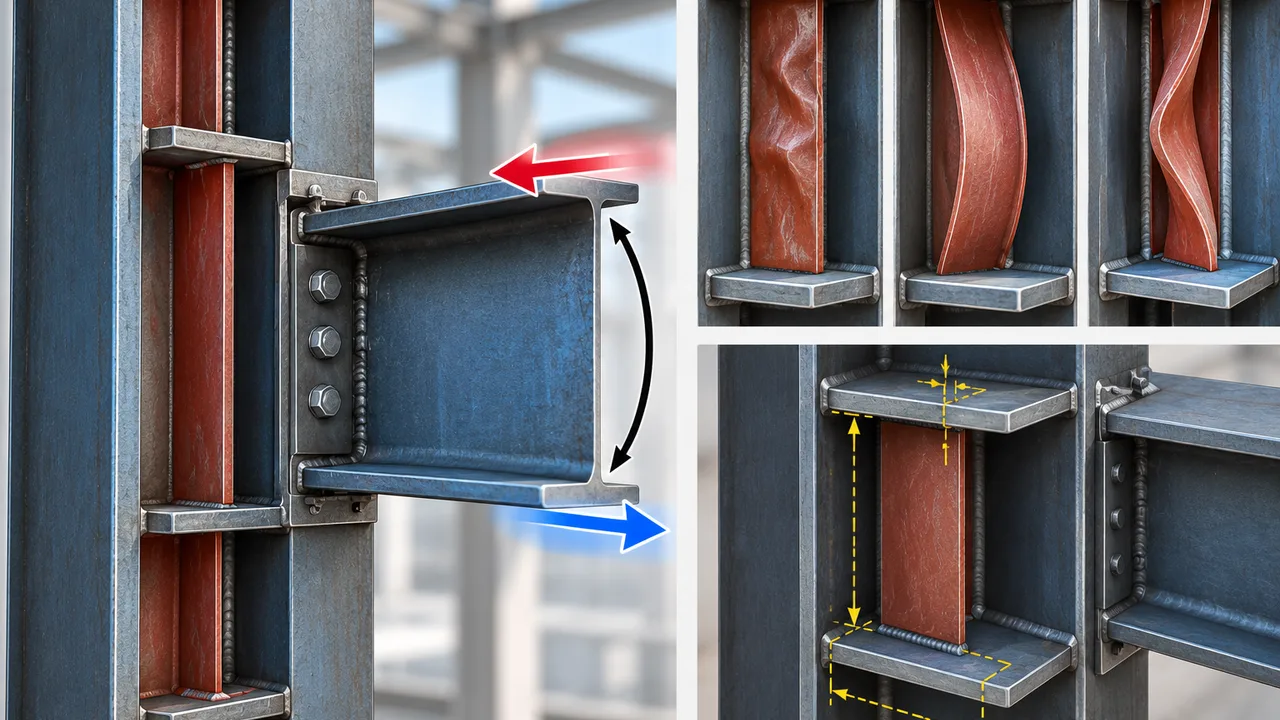
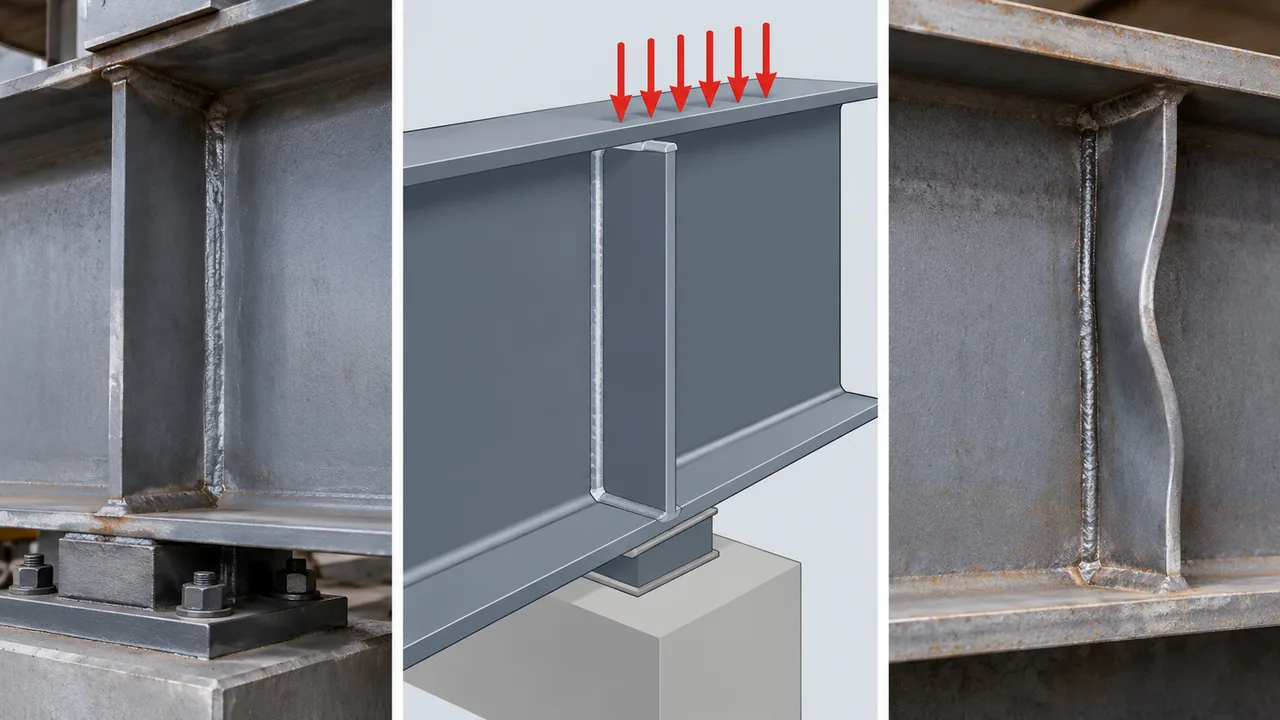
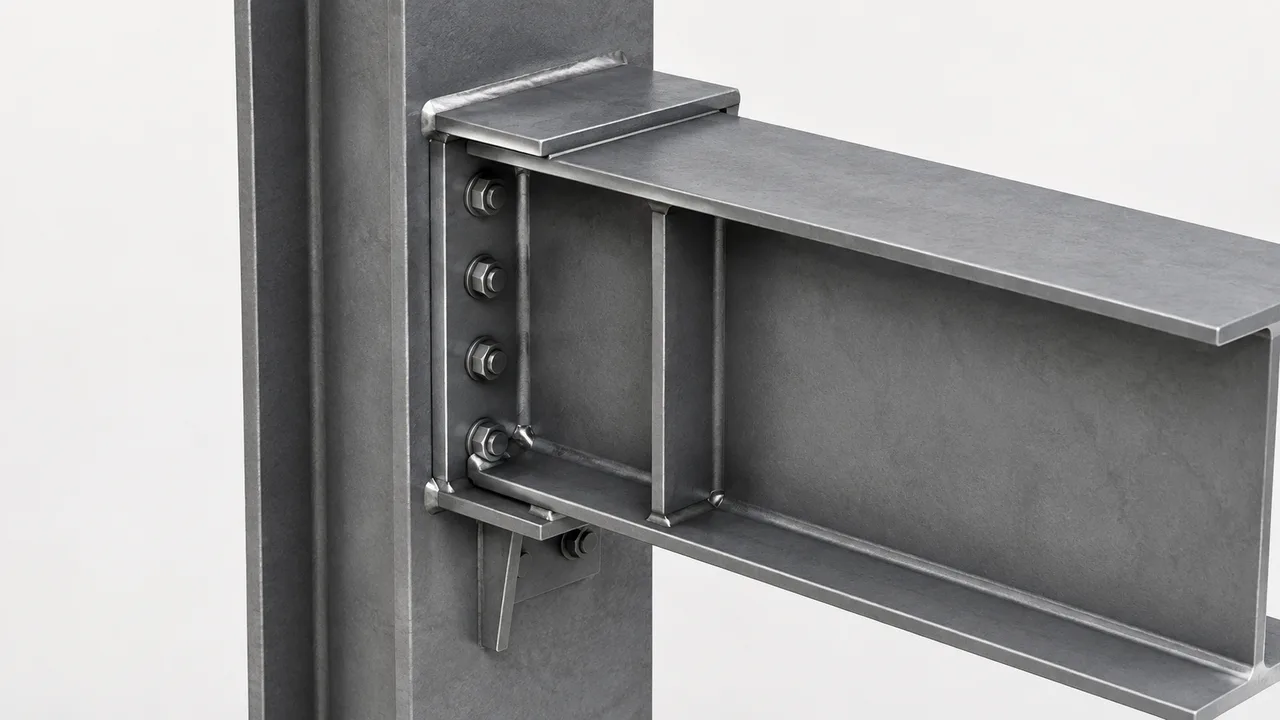
- Base plates and connection plates
- Purlins and wall girts
- Customized structural assemblies
Production is arranged according to approved drawings, project volume, fabrication complexity, inspection requirements, and shipment priorities.
Precision CNC Manufacturing
CNC cutting, drilling, profiling, and plate-processing equipment improve dimensional accuracy and production consistency. Automated processing is especially valuable for projects containing large numbers of repeated members or complex connection plates.
Accurate bolt holes, profiles, and cut dimensions reduce alignment problems and unnecessary site adjustments during erection.
Welding and Assembly
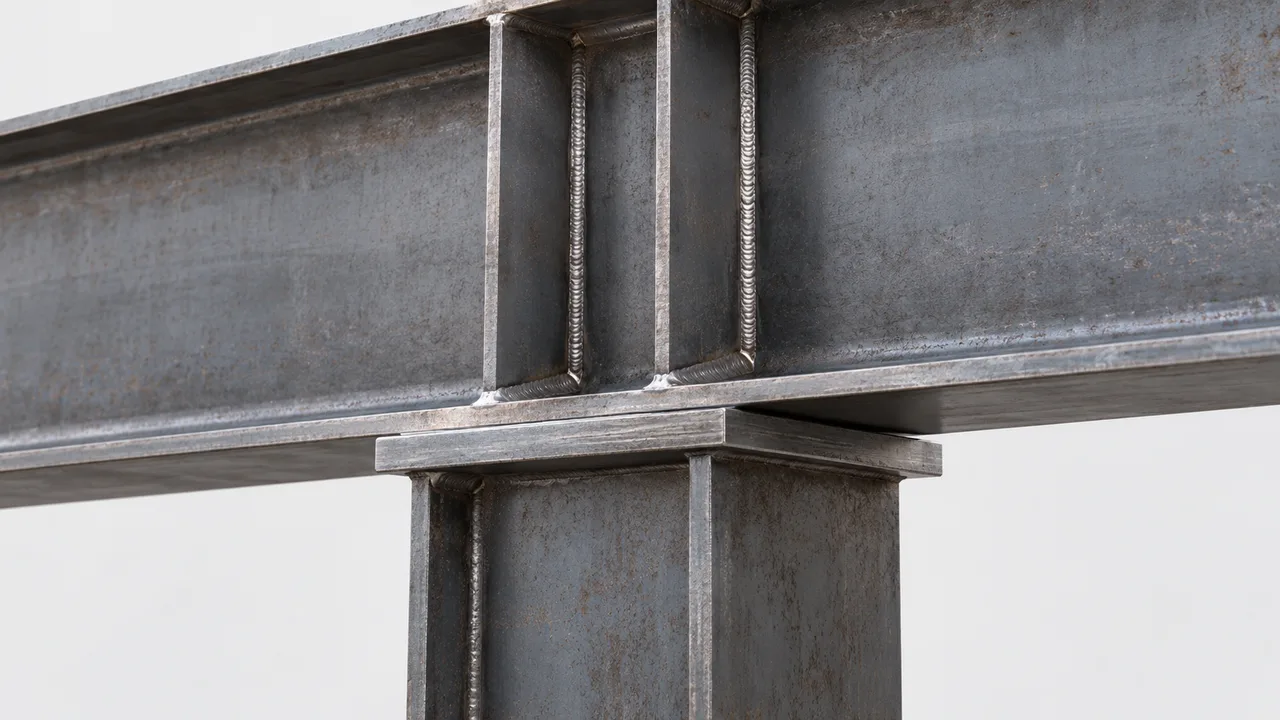
Steel components are assembled and welded according to approved production procedures. Welding sequences are planned to control distortion and maintain the required geometry of beams, columns, trusses, and built-up structural members.
Inspection checkpoints may be established during fit-up, welding, dimensional verification, and final assembly to prevent errors from progressing into later manufacturing stages.
Surface Protection Systems
Surface treatment is selected according to the project environment and technical specification. Available options may include:
- Shot blasting or abrasive surface preparation
- Shop primer application
- Industrial anti-corrosion paint systems
- Multi-layer protective coatings
- Hot-dip galvanizing where suitable
Proper preparation and coating inspection help protect components during transport, storage, installation, and long-term service.
Export Packaging and Component Identification
Every component should be clearly marked to match the packing list, drawings, and installation sequence. Identification may include member numbers, package references, zone codes, and project-specific labels.
Packaging methods are selected according to component size, surface finish, transport method, and destination. Connection plates, bolts, and smaller accessories can be packed separately with clear references to the related structural package.
Steel Structure Products for Export
Steel Warehouse Buildings
Export warehouse packages can be designed for logistics, distribution, industrial storage, agricultural storage, and commercial warehousing. Large clear spans, high internal clearance, and expandable layouts support a wide range of operations.
Steel Factory Buildings
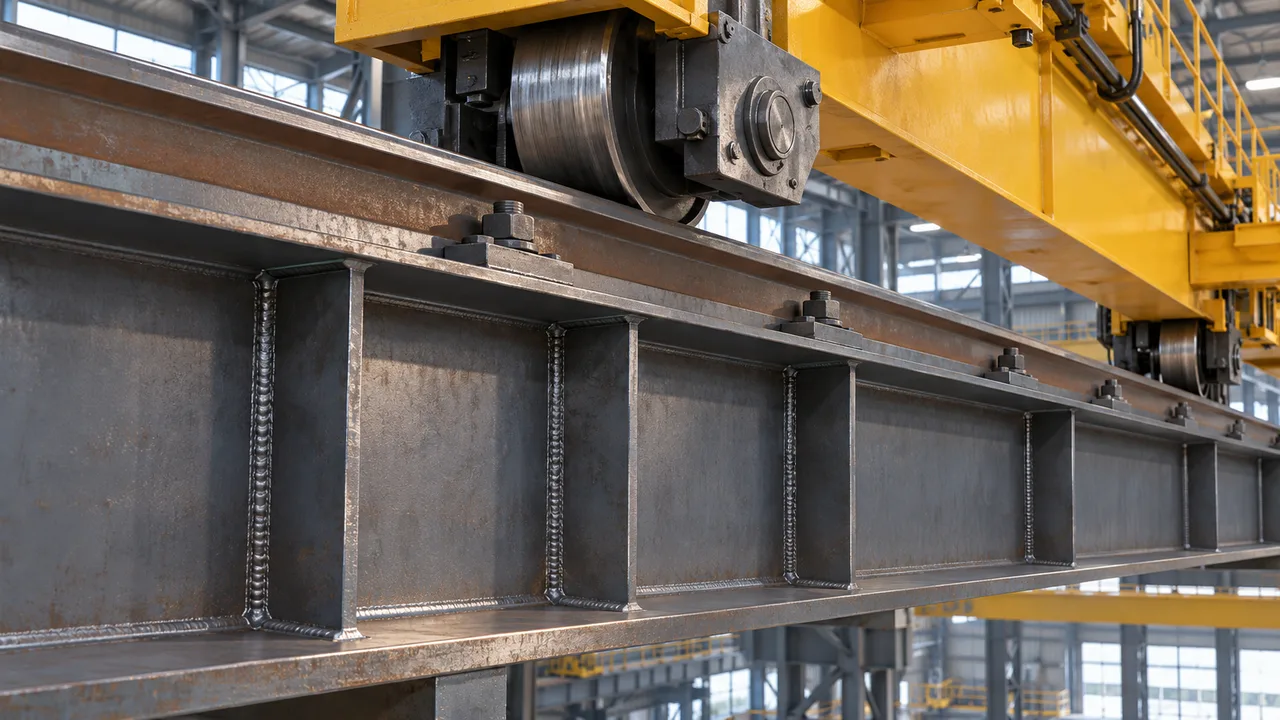
Factory structures can accommodate production lines, overhead cranes, equipment zones, utility systems, maintenance access, and future expansion. Components are manufactured according to project-specific operational loads and building dimensions.
Steel Workshops
Workshops require flexible internal space for manufacturing, equipment repair, assembly, and material movement. Portal frames and other steel systems provide economical and adaptable solutions for international workshop projects.
Commercial Steel Buildings
Steel structures can support offices, retail centers, showrooms, service buildings, exhibition halls, and mixed-use developments. Manufacturing can be coordinated with façade systems, mezzanines, stair zones, and building services.
Agricultural Steel Buildings
Agricultural export projects may include livestock facilities, grain storage buildings, machinery sheds, feed warehouses, greenhouses, and food-processing structures. Corrosion protection and ventilation interfaces can be adapted to the operating environment.
Aircraft Hangars
Hangars often require large column-free spaces, wide door openings, and carefully coordinated structural systems. Trusses, space frames, or long-span rigid frames can be manufactured in transportable sections for international delivery.
Industrial and Customized Steel Structures
Customized export packages may include industrial platforms, conveyor supports, equipment structures, process buildings, corridors, towers, special-shaped trusses, and other project-specific steel systems.
Export Manufacturing Process
Project Consultation
The process starts with a review of project location, drawings, technical specifications, building dimensions, structural loads, quantities, expected schedule, and destination port.
Engineering Review
Technical information is checked for completeness and fabrication feasibility. Member segmentation, connection details, shipment dimensions, and site installation requirements are coordinated before production approval.
Material Procurement
Steel plates, sections, bolts, welding materials, and coating products are sourced according to the approved project specification. Material certificates and identification records can be maintained where required.
Production Planning
Production planning coordinates material processing, assembly, welding, inspection, surface treatment, packing, and shipment. Large projects may be divided into several fabrication and delivery packages.
Steel Fabrication
Components are cut, drilled, assembled, welded, finished, and marked according to approved shop information. Production sequencing can be aligned with the planned erection order.
Quality Inspection
Inspection activities may include material checks, dimensional verification, weld inspection, coating checks, component identification, and final quantity confirmation.
Export Packing
Finished components are grouped and secured for transportation. Packages are prepared to reduce movement, protect coated surfaces, simplify unloading, and support efficient site identification.
International Shipping Support
Shipping plans consider container availability, break-bulk requirements, cargo dimensions, port conditions, project schedule, and destination logistics. Packing lists and shipment documentation are prepared for each delivery batch.
Quality Control for Export Projects
Raw Material Inspection
Incoming steel materials are checked against approved specifications before entering production. Verification may include material grade, dimensions, certificates, and surface condition.
Dimensional Accuracy
Critical dimensions such as overall member length, bolt-hole positions, base-plate geometry, connection interfaces, and truss diagonals are checked throughout fabrication.
Welding Inspection
Welds are visually inspected, with additional non-destructive testing performed when required by project specifications. Inspection records can be prepared according to the agreed documentation scope.
Surface Coating Inspection
Surface preparation, coating thickness, coverage, and overall appearance are checked before components are released for packing.
Final Factory Inspection
The final review confirms component quantities, identification marks, dimensions, coating condition, packing references, and required production documents before shipment.
International Export Experience
Container and Break-Bulk Shipping
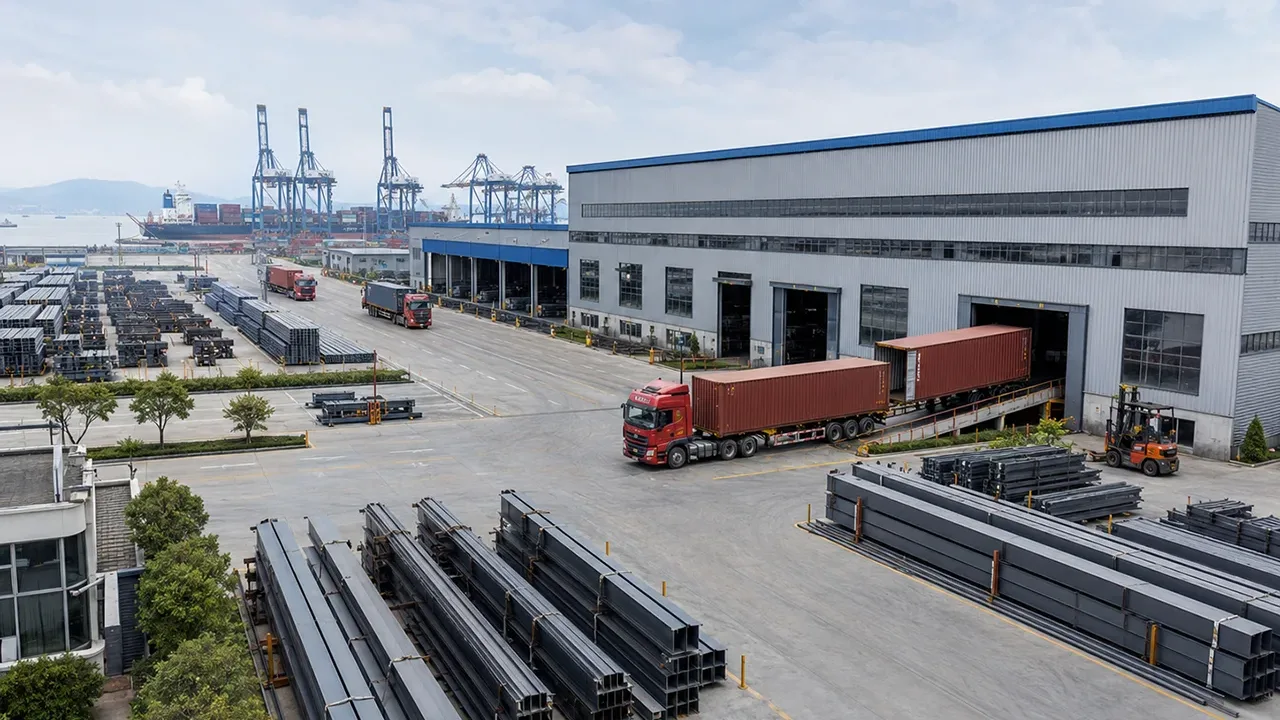
Standard components can often be optimized for container shipping, while oversized trusses, heavy columns, and long structural segments may require break-bulk or specialized cargo arrangements.
Export Documentation
Documentation may include packing lists, commercial documents, quality records, component schedules, shipping marks, and other materials required for international delivery.
International Logistics Coordination
Manufacturing and logistics teams coordinate loading schedules, transport methods, port delivery, shipping sequence, and communication with the customer or appointed freight forwarder.
Project Delivery Support
Organized package identification and accurate fabrication help local erection teams work more efficiently after the steel arrives at the destination.
Industries We Support Worldwide
- Industrial manufacturing
- Logistics and warehousing
- Commercial construction
- Agriculture and food processing
- Mining and mineral processing
- Energy and utilities
- Transportation and infrastructure
Why Choose XTD Steel Structure?
Selecting an experienced export partner reduces risk across manufacturing, documentation, packing, transport, and installation. A capable supplier must understand both structural production and the practical requirements of international delivery.
- Integrated engineering and manufacturing coordination
- Advanced CNC processing equipment
- Capacity for light, heavy, and complex steel structures
- Structured quality control throughout production
- Customized component marking and export packing
- Experience with container and break-bulk shipments
- Production planning aligned with project schedules
As a reliable steel structure manufacturer for export, XTD Steel Structure helps international clients connect technical requirements, factory production, quality management, and overseas delivery within one coordinated workflow.
Frequently Asked Questions
Which countries do you export to?
Export capability depends on project requirements and shipping access. Steel structure packages can be prepared for customers in different international markets through suitable container or break-bulk arrangements.
Can you manufacture according to our drawings?
Yes. Components can be manufactured according to customer-supplied structural drawings, shop drawings, specifications, and approved material requirements.
Do you prepare export documentation?
Yes. Packing lists, component identification schedules, quality records, and relevant shipment documents can be prepared according to the agreed project scope.
How are steel structures packaged for export?
Packaging depends on component dimensions, coating requirements, transportation method, and destination. Members are marked, grouped, protected, and secured for handling and international shipment.
Do you support international project coordination?
Yes. Support can include technical communication, production updates, packing coordination, shipping preparation, and information to assist the receiving and installation teams.
Request an Export Steel Structure Manufacturing Quote
Working with an experienced steel structure manufacturer for export helps international buyers reduce manufacturing risk, improve delivery organization, and receive components prepared for efficient site installation. Accurate production, systematic quality control, clear identification, and suitable packaging are essential for successful overseas steel projects.
Submit your structural drawings, material specifications, required quantities, coating system, project destination, delivery schedule, and technical standards. Our team will evaluate the requirements and develop a customized manufacturing and export plan for your project.