Complete Manufacturing Support for Steel Structure Projects
Steel structure manufacturing requires more than cutting and welding steel. A complete solution begins with technical review and continues through drawing coordination, material preparation, fabrication, surface treatment, quality inspection, component marking, packing, and delivery planning.
This approach is especially important for projects where the steel components are manufactured in one location and installed in another. Overseas buyers need accurate member marks, clear packing lists, predictable production schedules, and components that match the installation sequence. Local contractors also benefit from better coordination because fewer site adjustments are required.
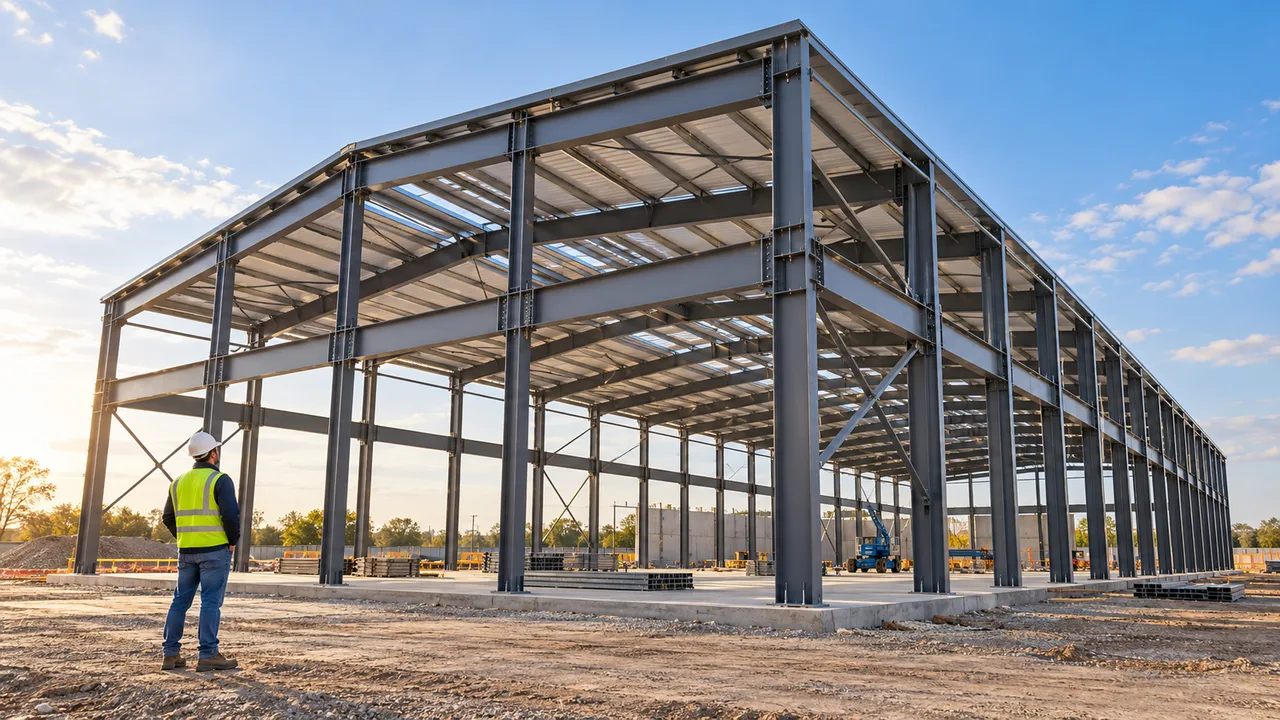
A well-organized manufacturing process supports different building types, including portal frame buildings, heavy industrial frames, large-span warehouses, factory structures, workshop buildings, logistics facilities, equipment-support platforms, and custom steel components.
What the Manufacturing Solution Covers
Technical Review and Production Planning
The process starts with reviewing the project drawings, design intent, building dimensions, structural loads, connection requirements, and fabrication feasibility. This step helps confirm what will be manufactured, how the components should be divided, and whether any production or shipping constraints need to be considered before fabrication begins.
Early production planning can also identify potential issues such as unclear connection details, oversized components, coating requirements, or missing information that may affect welding, drilling, packing, and installation.
Shop Drawing and Detailing Coordination
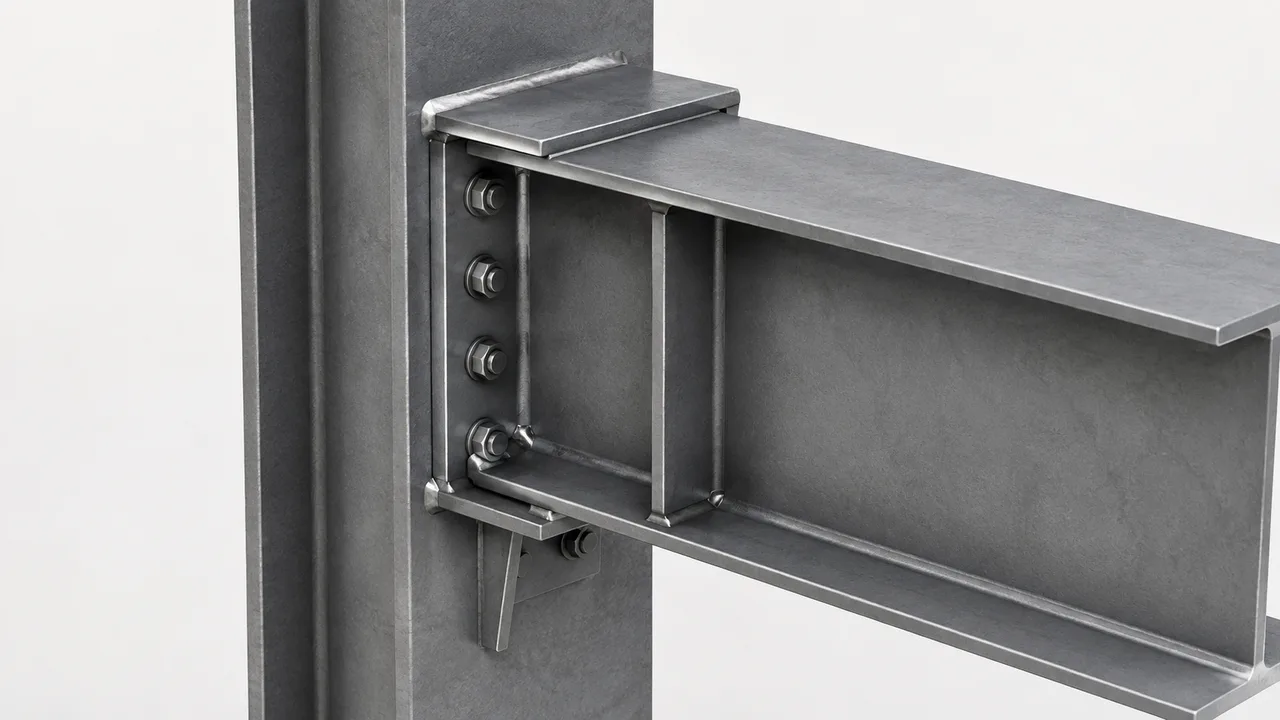
Design drawings must be converted into fabrication-ready information before steel production starts. Shop drawing and detailing coordination cover member marks, bolt-hole positions, connection plates, welding requirements, base plates, stiffeners, splice details, and assembly logic.
Accurate detailing is one of the most important parts of a steel structure manufacturing solution because the factory production team depends on clear technical information. Better detailing helps reduce misalignment, rework, missing parts, and confusion during site erection.
Steel Cutting, Drilling, Welding, and Assembly
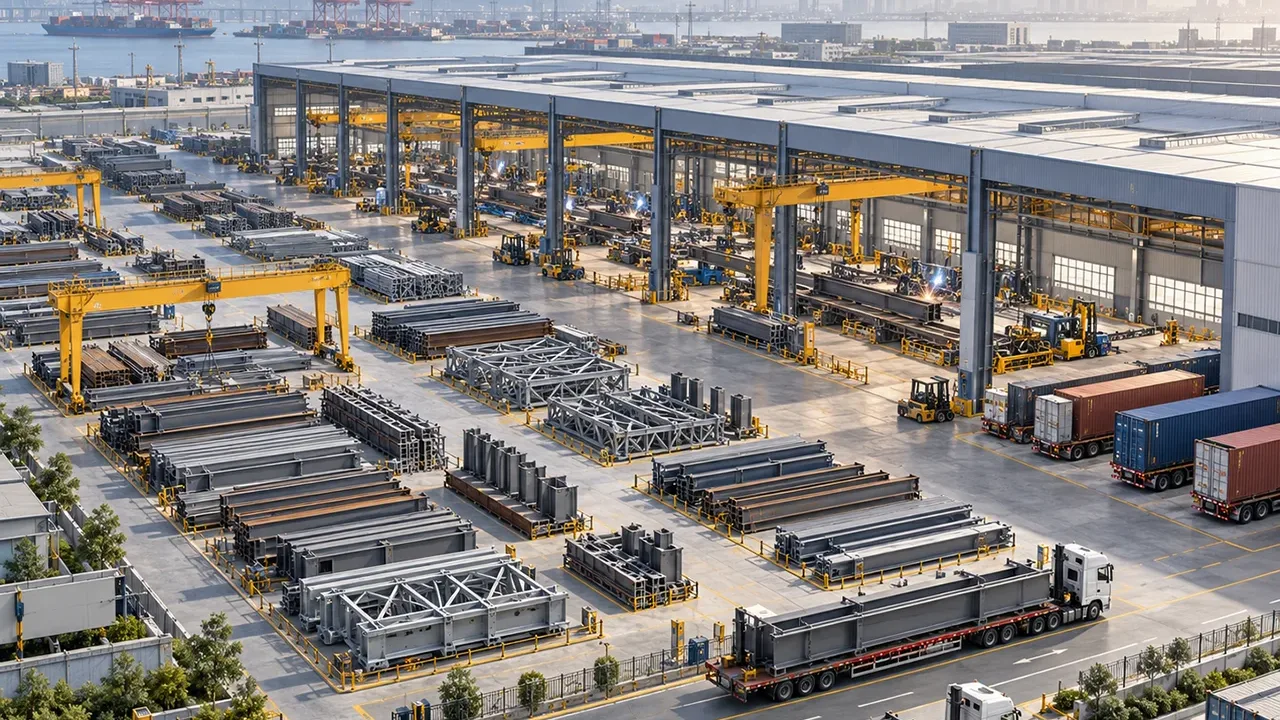
Factory production may include CNC cutting, drilling, plate preparation, fit-up, welding, assembly, and dimensional checking. Controlled production conditions help improve accuracy compared with extensive site fabrication. This is especially useful for steel building frames that require reliable bolt alignment and consistent connection quality.
Steel members should be processed according to approved drawings and production procedures. Columns, beams, rafters, bracing, plates, purlins, and custom components need to be prepared in the correct sequence so that production and inspection can move efficiently.
Surface Treatment and Corrosion Protection
Surface treatment should match the project environment and service requirements. Options may include blasting, primer, anti-corrosion paint, finish coating, or galvanizing for selected components. The coating system should be planned according to humidity, corrosion risk, transportation conditions, and expected service life.
For export projects, coating and packing should be coordinated carefully to reduce damage during loading, shipping, and unloading. Damaged coatings can increase corrosion risk and create extra repair work before installation.
Quality Inspection and Component Marking
Quality control may include dimensional checks, weld inspection, bolt-hole alignment review, connection compatibility checks, surface quality inspection, and final component marking. Clear marks help the installation team identify each member quickly and follow the erection sequence more easily.
Inspection should not be left until the end of production. Checking critical dimensions and connection areas during fabrication helps detect issues early, before they affect a large batch of components.
Steel Structure Components We Can Manufacture
Primary Steel Frames
Primary steel frames include columns, beams, rafters, portal frames, heavy frame members, and other load-bearing components. These members form the main structural system of the building and must be manufactured with accurate dimensions, reliable weld quality, and correct connection details.
Secondary Structural Members
Secondary members may include purlins, girts, bracing, tie rods, struts, support members, and other elements that stabilize the building and support the roof and wall systems. Although these parts may appear simpler than primary frames, their accuracy is still important for installation speed and building performance.
Connection Plates and Custom Steel Parts
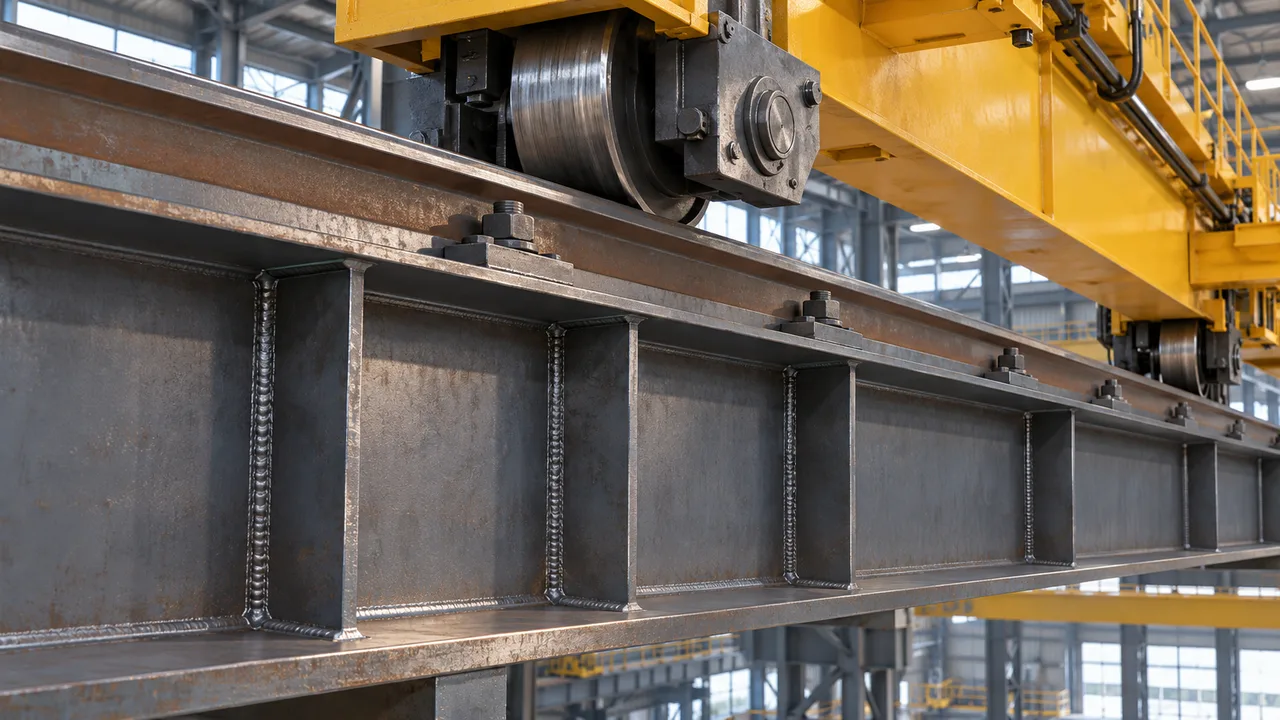
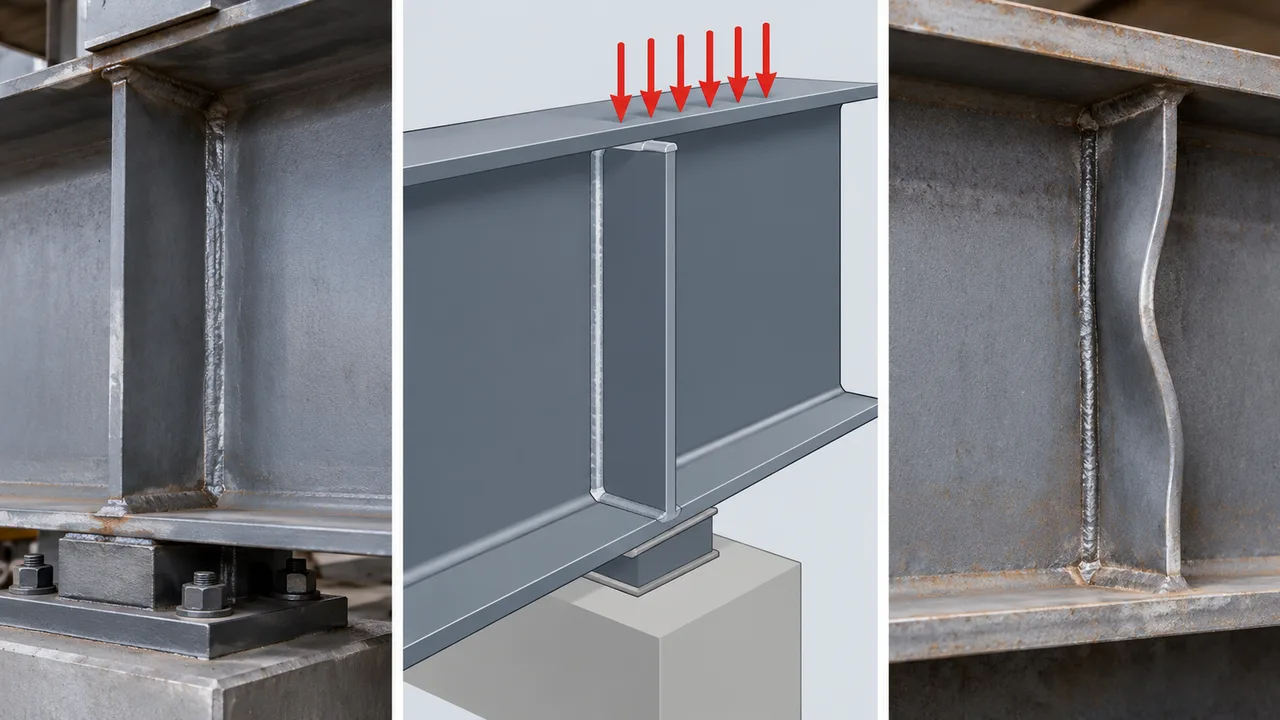
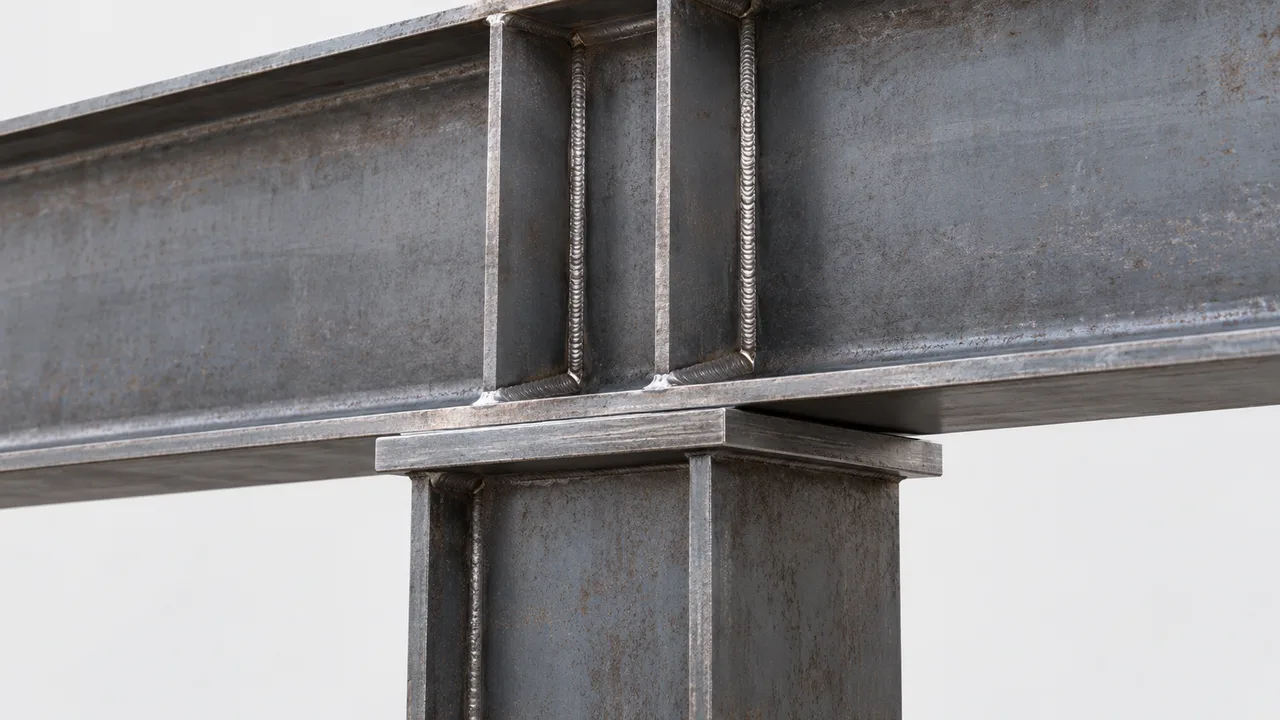
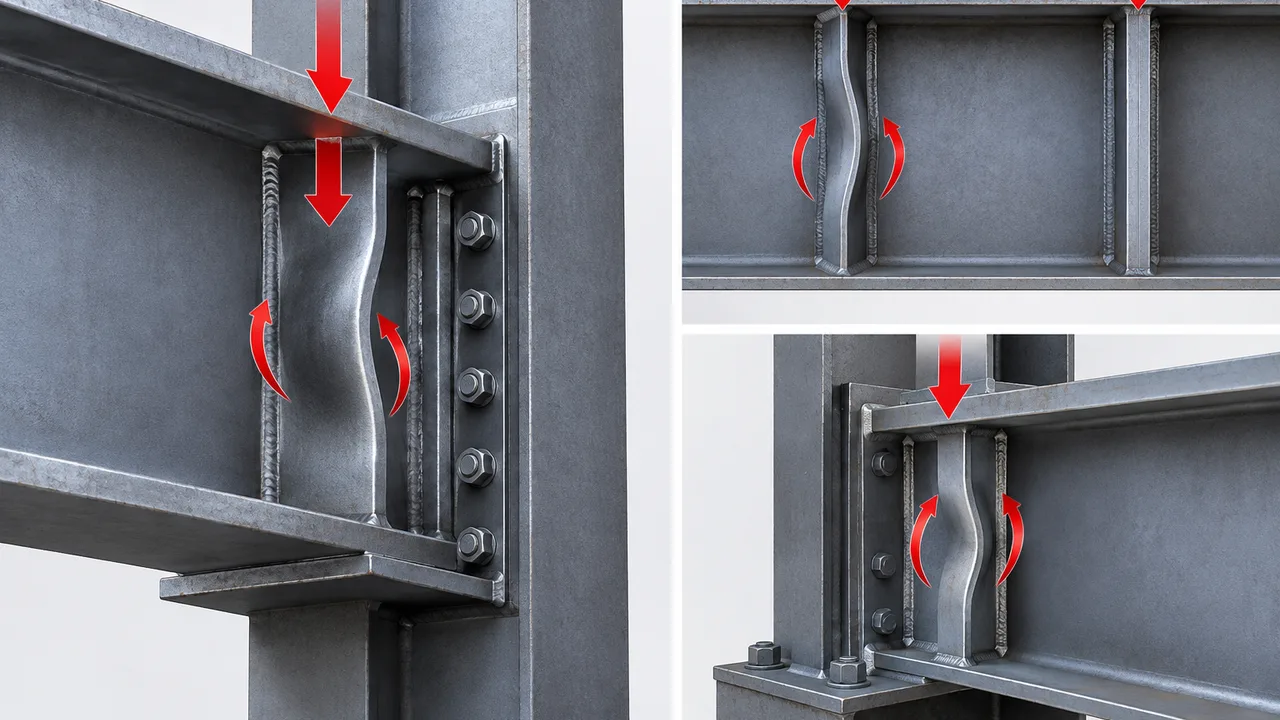
Connection components include base plates, gusset plates, stiffeners, brackets, splice plates, end plates, and custom fabricated parts. These details determine whether the structural system can be assembled smoothly on site. Incorrect hole positions or plate dimensions can delay installation and require site correction.
Building Envelope Support Components
Steel structure buildings also require support for roof panels, wall cladding, openings, canopies, doors, windows, and equipment interfaces. Manufacturing these support components accurately helps improve envelope alignment and reduces conflicts between the steel frame and the building enclosure system.
Manufacturing Solution for Different Project Types
Industrial Buildings and Factories
Industrial buildings and factories often require strong structural frames, equipment support, large openings, crane coordination, and reliable production scheduling. Manufacturing planning should consider machinery layout, operational loads, future expansion, and installation access.
Warehouses and Logistics Facilities
Warehouses and logistics buildings may require large spans, high clear height, loading zones, mezzanine areas, and high-bay storage support. A coordinated manufacturing process helps ensure the frame, bracing, and secondary members arrive ready for efficient erection.
Agricultural and Commercial Steel Buildings
Agricultural buildings, storage sheds, market halls, showrooms, and service facilities may need different levels of corrosion protection, ventilation support, internal layout flexibility, and building envelope coordination. The manufacturing solution should be adjusted according to the building function and local environment.
Custom and Export-Oriented Steel Projects
Export-oriented steel projects require additional attention to packing, container loading, component protection, and documentation. Clear part identification, grouped packages, and installation-sequence planning can reduce confusion when the components arrive at the destination country.
Key Advantages of an Integrated Steel Structure Manufacturing Solution
An integrated manufacturing solution gives buyers better control over the project before materials reach the site. Instead of solving problems during installation, many issues can be prevented during drawing coordination and factory production.
- Better coordination between design information, detailing, production, coating, and delivery
- Reduced rework through accurate fabrication drawings and controlled processing
- More predictable delivery with production scheduling and packing sequence planning
- More consistent quality through factory inspection and process control
- Easier installation because components are marked and prepared according to project logic
- Better export packaging for international shipping and overseas construction sites
- Stronger project control from requirement review to final delivery
Manufacturing Capacity and Process Control
Material Preparation and Production Scheduling
Manufacturing begins with material coordination, steel grade confirmation, plate and section preparation, and production batch planning. Proper scheduling helps align material availability with cutting, welding, surface treatment, inspection, and packing requirements.
CNC Processing and Fabrication Accuracy
CNC cutting and drilling improve consistency across repeated parts and connection details. Accurate processing helps ensure that bolt holes, plates, member lengths, and assembly interfaces match the approved drawings. This is critical for large projects with many similar but not identical components.
Welding and Assembly Quality
Welding quality affects both structural performance and installation reliability. Fit-up control, welding procedures, distortion control, and inspection should be managed during production. Good welding and assembly practices help avoid deformation, connection mismatch, and unnecessary site modification.
Packing and Delivery Sequencing
Packing should follow project requirements and installation logic. Components should be marked clearly and grouped in a way that supports unloading, storage, and erection. For export projects, container loading should also protect coated surfaces and reduce handling damage.
Recommended Manufacturing Planning Items
The best manufacturing result comes from confirming key details before production begins. The table below shows common planning items for steel structure manufacturing projects.
| Planning Item | Manufacturing Consideration | Project Benefit |
|---|---|---|
| Drawing Review | Check dimensions, member layout, loads, and connection requirements | Reduces unclear information before fabrication starts |
| Steel Grade and Material | Confirm steel specifications, section sizes, plates, and procurement needs | Supports structural performance and production planning |
| Connection Details | Review bolt holes, plates, welds, base connections, and splice details | Improves installation accuracy and connection compatibility |
| Surface Treatment | Select blasting, primer, painting, or galvanizing according to exposure | Improves durability and corrosion protection |
| Component Marking | Use clear member marks, package labels, and part identification | Helps the site team find and install components efficiently |
| Inspection Standard | Define dimensional checks, welding checks, coating checks, and release criteria | Supports consistent quality before delivery |
| Packing Method | Plan bundles, protection, loading method, and container arrangement | Reduces damage during shipping and unloading |
| Delivery Sequence | Organize components according to installation or project phase | Improves site workflow and reduces material handling confusion |
| Installation Support Information | Prepare component lists, marks, drawings, and erection references | Supports smoother assembly at the project site |
Why Choose XTD Steel Structure for Manufacturing Support
A reliable manufacturing partner should understand both engineering requirements and practical factory production. Steel structure projects need accurate interpretation of drawings, stable fabrication quality, clear communication, and delivery planning that supports the construction schedule.
XTD Steel Structure provides coordinated manufacturing support for steel structure buildings, warehouses, factories, workshops, industrial facilities, and export-oriented projects. The service connects technical review, fabrication, quality control, surface treatment, packing, and delivery into a practical production workflow.
For buyers managing projects across different countries or construction teams, this coordinated approach helps reduce uncertainty and supports a smoother transition from design to manufactured components.
Project Workflow From Requirement Review to Delivery
Requirement and Drawing Review
The process starts when the client provides drawings, building dimensions, usage requirements, structural needs, destination, coating expectations, and project timeline. These inputs help confirm the manufacturing scope and identify technical points that require clarification.
Manufacturing Proposal and Technical Confirmation
After the review, the manufacturing proposal can define component scope, production method, material requirements, surface treatment, packing method, delivery schedule, and documentation needs. Technical confirmation before production helps prevent avoidable changes during fabrication.
Factory Production and Quality Control
Once production begins, steel components are processed, welded, checked, marked, and prepared for surface treatment. Quality control is performed throughout the production cycle to confirm dimensional accuracy, connection compatibility, welding quality, and coating readiness.
Export Packing and Delivery Support
Finished components are packed according to shipping and project requirements. Component lists, member marks, package labels, and loading sequence help support overseas delivery and site installation. XTD Steel Structure can coordinate export-ready packing and delivery support according to project needs.
Steel Structure Manufacturing Solution FAQs
What is included in a steel structure manufacturing solution?
It usually includes drawing review, detailing coordination, material preparation, cutting, drilling, welding, assembly, surface treatment, quality inspection, component marking, packing, and delivery planning.
Can you manufacture based on client drawings?
Yes. Client drawings can be reviewed and converted into fabrication-ready information. Any unclear details, connection requirements, or production issues should be confirmed before manufacturing begins.
Can surface treatment be customized for project conditions?
Yes. Surface treatment can be adjusted according to climate, corrosion exposure, industrial environment, shipping conditions, and expected service life. Options may include blasting, primer, painting, or galvanizing for selected parts.
How do you control component accuracy before delivery?
Component accuracy can be controlled through drawing review, CNC processing, dimensional inspection, welding checks, hole alignment review, connection compatibility checks, and clear component marking before packing.
Can you support overseas steel structure projects?
Yes. Overseas projects can be supported with export-oriented manufacturing, clear component marking, packing lists, container loading planning, protective packaging, and delivery coordination according to project requirements.
Start Your Steel Structure Manufacturing Project
A steel structure manufacturing solution helps buyers move from drawings to finished steel components with better coordination, clearer production control, and stronger delivery readiness. For projects that require reliable steel building components, the manufacturing process should be planned before production begins, not corrected after shipment.
To start your project, prepare your drawings, building dimensions, estimated steel quantity if available, project location, building use, coating requirements, delivery timeline, and any special packing or export needs. With the right manufacturing partner, your steel structure project can move from technical review to factory production and site-ready delivery with greater confidence.