Overview of Steel Warehouse Building Solutions
Warehouse infrastructure must support efficient storage, smooth material flow, and long-term structural durability. A well-designed steel warehouse building enables companies to optimize storage capacity while maintaining operational efficiency.
Steel structural systems allow for wide spans and high clear heights without excessive structural weight. This is essential in modern warehouses where vertical storage systems, large equipment, and automated processes are commonly used.
Additionally, steel buildings offer modular design capabilities. Facilities can be expanded or modified as business operations grow, making them a scalable solution for long-term logistics planning.
Types of Steel Warehouse Building Systems
Portal Frame Warehouse Buildings
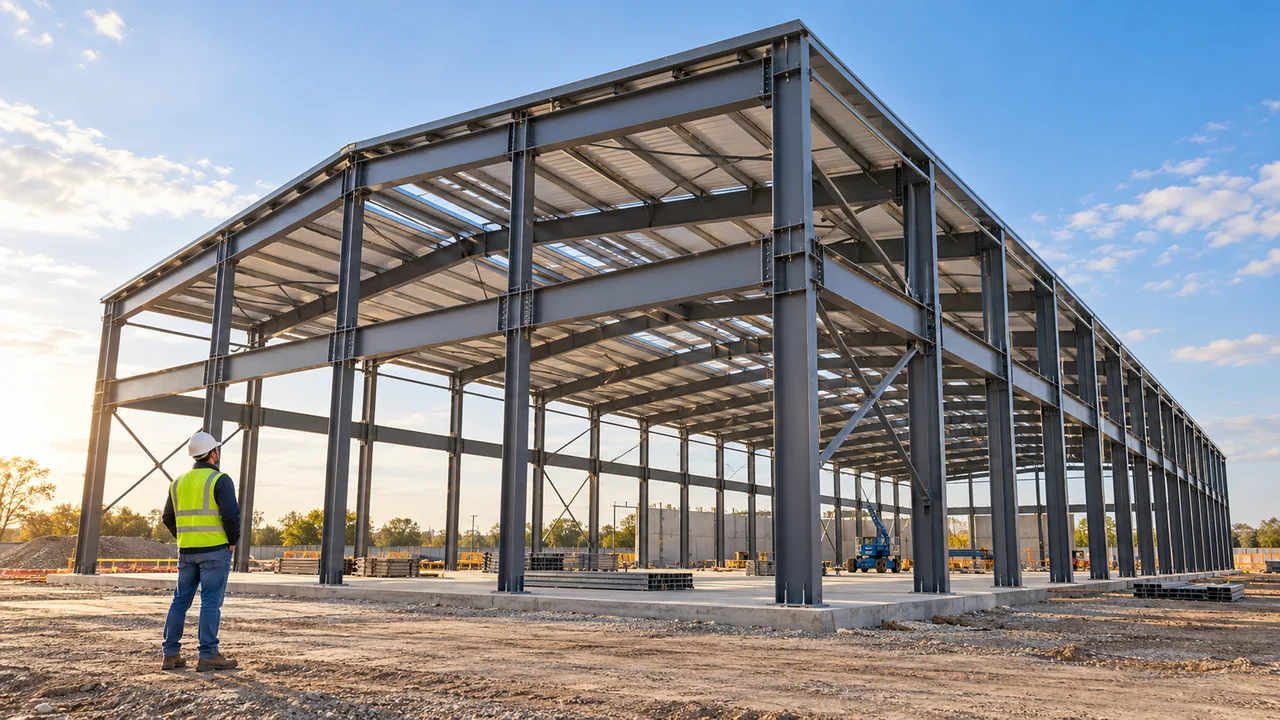
Portal frame systems are the most commonly used structure in warehouse construction. These systems consist of rigid steel frames formed by columns and beams, allowing for large interior spaces with minimal internal supports.
Key advantages include:
- Cost-effective structural design
- Large column spacing
- Flexible interior layout
- Fast construction speed
Because of these benefits, portal frame systems are widely used in industrial and logistics warehouse projects.
Large Span Steel Warehouse Buildings
Large distribution centers often require expansive column-free spaces to accommodate logistics systems, automated sorting equipment, and high-capacity storage. Engineers design large span steel structures to minimize interior columns and maximize usable space.
This configuration improves efficiency in goods movement and enhances operational flexibility.
Pre-Engineered Steel Warehouse Buildings
Pre-engineered systems involve factory-produced components that are designed and manufactured according to project specifications. A steel warehouse building using this approach benefits from standardized production, faster installation, and consistent quality.
These systems are also modular, allowing future expansion with minimal disruption to operations.
Applications of Steel Warehouse Buildings
Industrial Storage Facilities
Manufacturing operations require reliable storage environments for raw materials, components, and finished products. Steel warehouse buildings provide durable and adaptable spaces that support industrial storage needs.
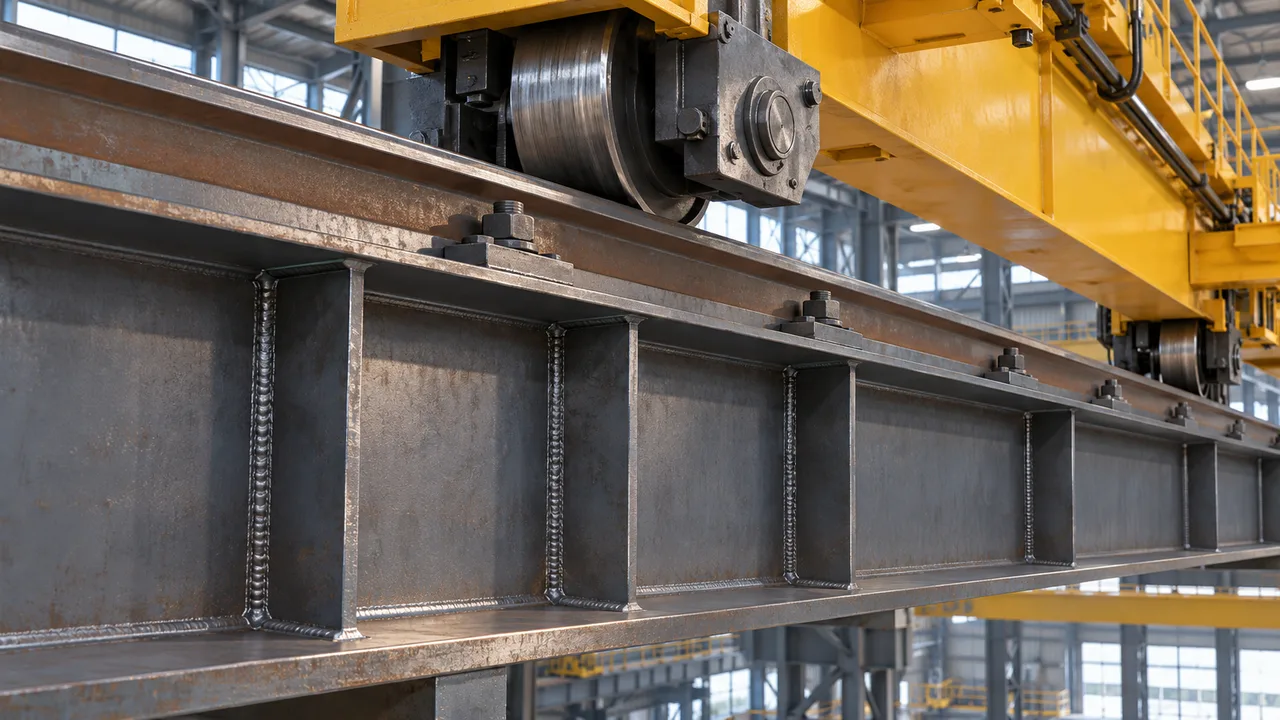
Their structural capacity allows for integration with cranes, conveyors, and heavy equipment.
Logistics and Distribution Centers
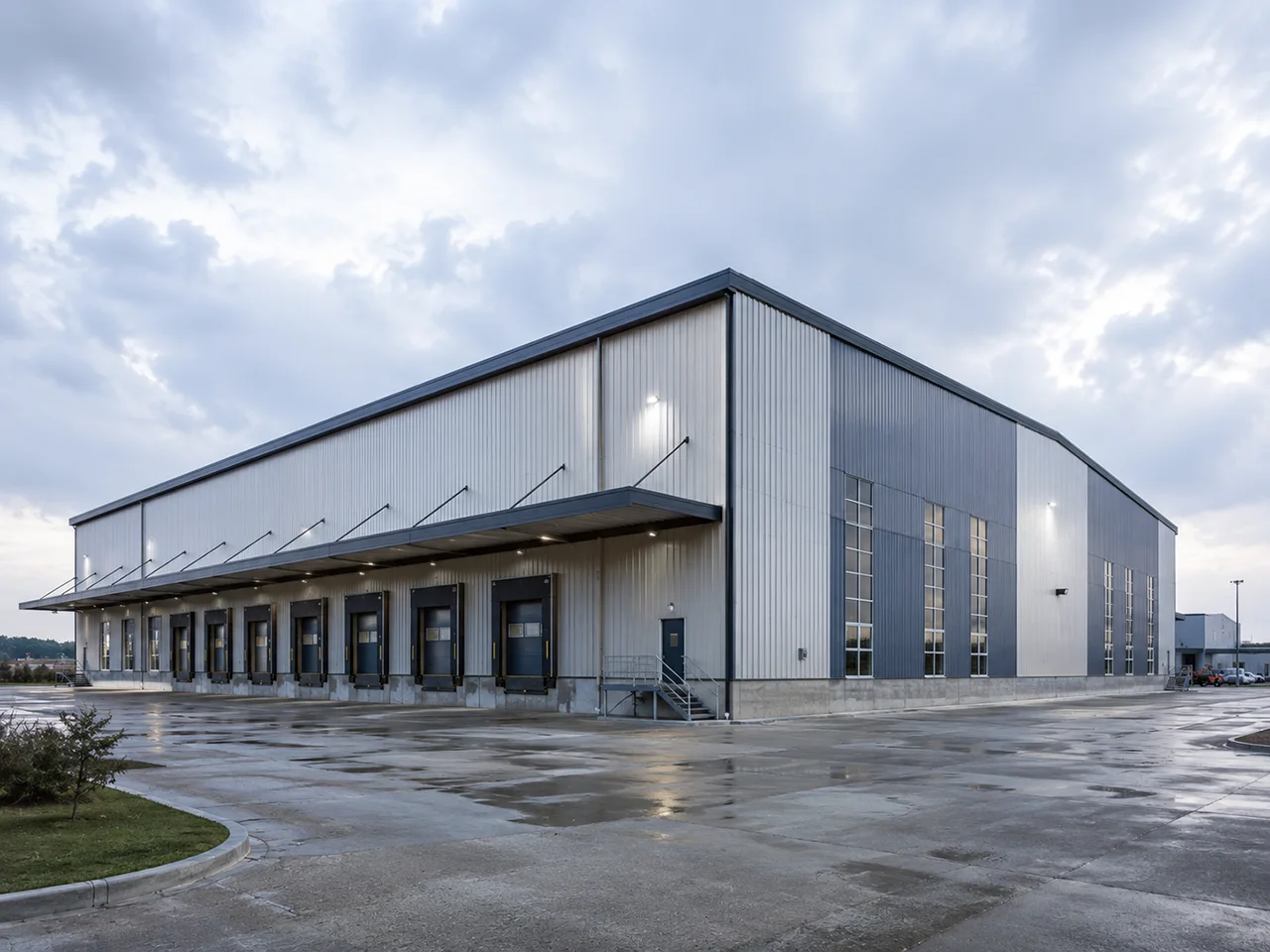
Modern logistics hubs rely heavily on steel warehouse structures to support high-volume operations. These facilities require large open spaces, loading docks, and integration with automated systems.
A well-designed steel warehouse building ensures efficient handling, storage, and distribution of goods.
Specialized Warehouse Buildings
Some warehouses are designed for specialized purposes such as cold storage, agricultural storage, or chemical storage. Steel structures can support insulation systems, ventilation requirements, and environmental controls needed in these facilities.
Structural Design Considerations
Span and Layout Optimization
Optimizing structural span and layout is critical for warehouse performance. Engineers carefully design column spacing and structural grids to maximize usable interior space.
Large spans reduce the need for internal supports, allowing flexible arrangement of storage systems and logistics equipment.
Roof Design and Load Factors
Warehouse roof systems must handle environmental and operational loads. Key considerations include:
- Wind load resistance
- Snow load capacity
- Rainwater drainage systems
- Thermal insulation requirements
Proper roof design ensures long-term structural stability and energy efficiency.
Integration with Warehouse Operations
Modern warehouses require seamless integration between structure and operations. Steel buildings can accommodate:
- High-density racking systems
- Automated storage and retrieval systems
- Conveyor and transport systems
- Truck loading and unloading platforms
This integration enhances operational efficiency and reduces handling time.
Fabrication and Manufacturing Process
Steel Processing and Component Production
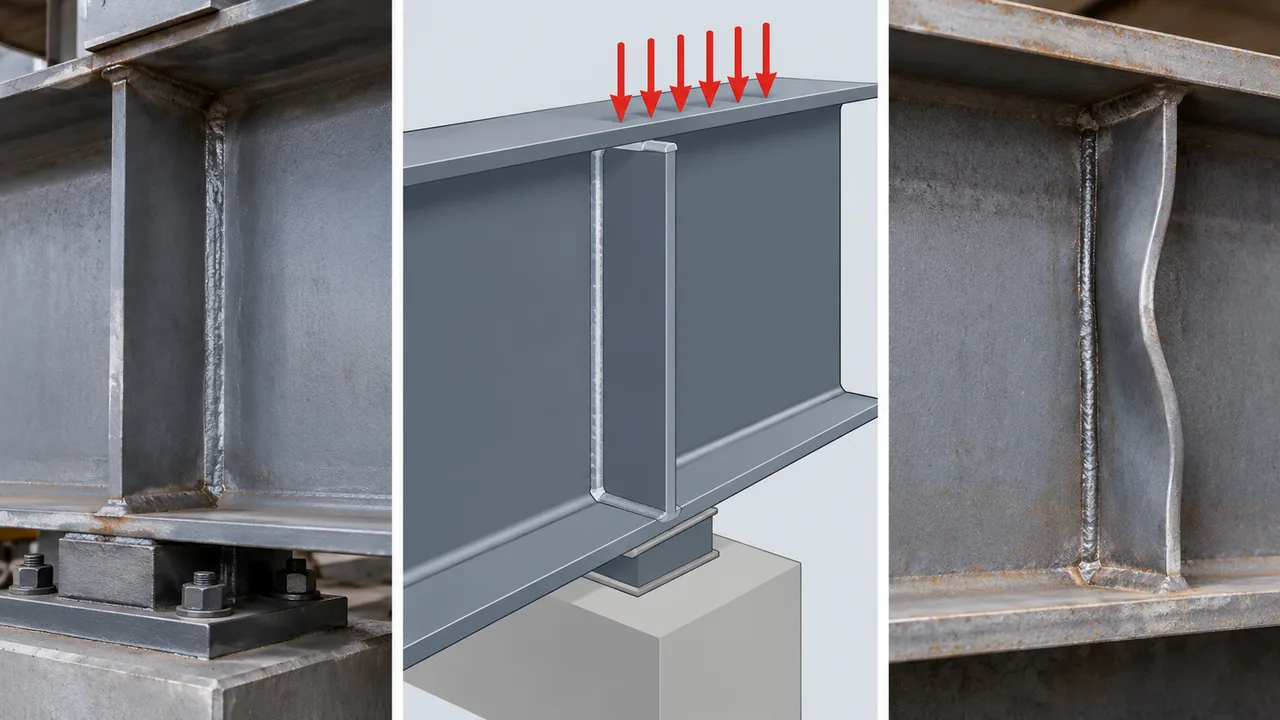
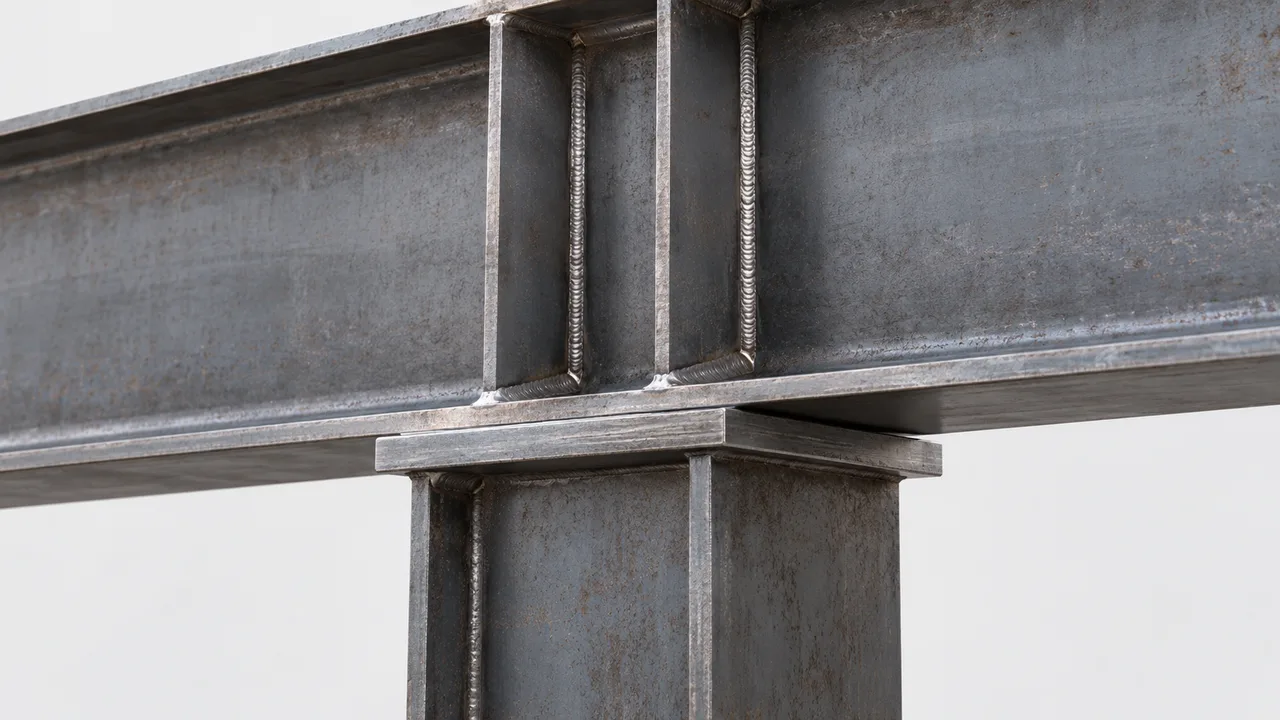
Structural components are manufactured in specialized facilities using advanced machinery. The process includes cutting, drilling, welding, and assembling steel elements according to precise engineering specifications.
Factory production ensures consistent quality and high precision before delivery to the construction site.
Surface Treatment and Protection
To ensure durability, steel components undergo surface treatments such as:
- Hot-dip galvanizing
- Anti-corrosion coatings
- Protective paint systems
These treatments extend the lifespan of the building and reduce maintenance requirements.
Quality Control and Inspection
Strict quality control measures are applied throughout the manufacturing process. Inspections include weld testing, dimensional checks, and material verification to ensure compliance with engineering standards.
Construction and Installation
Prefabrication Advantages
Prefabrication allows most structural elements of a steel warehouse building to be produced off-site. This significantly reduces construction time and improves installation efficiency.
Transportation and Logistics
After fabrication, components are carefully packed and transported to the project site. Efficient logistics planning ensures that materials arrive in the correct sequence for installation.
On-Site Assembly
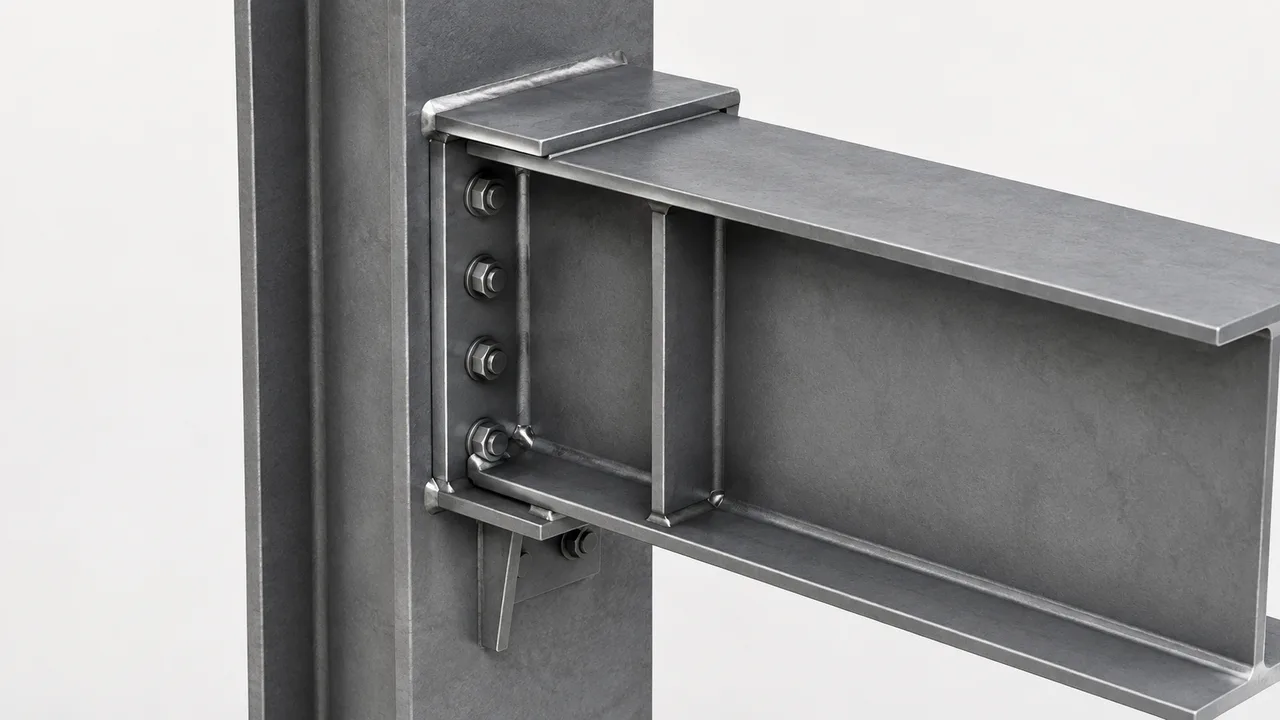
At the site, structural elements are assembled using high-strength bolts or welding techniques. Proper alignment and installation procedures are essential to ensure structural safety and performance.
Advantages of Steel Warehouse Building
- Rapid construction and shorter project timelines
- Large clear-span interior spaces
- Flexible design and future expansion capability
- Lower maintenance costs over time
- High structural strength and durability
These advantages make steel warehouse buildings a preferred solution for modern industrial and logistics applications.
Why Choose a Steel Warehouse Building Supplier
Engineering Expertise
Professional engineering ensures that the building is optimized for structural performance, safety, and operational efficiency.
Manufacturing Capacity
Reliable manufacturing facilities allow consistent production quality and timely project delivery.
Global Project Experience
International experience enables efficient handling of logistics, compliance, and project coordination across different regions.
As a trusted provider of industrial steel solutions, XTD Steel Structure delivers integrated services covering design, fabrication, and project execution for warehouse developments worldwide.
Frequently Asked Questions
What is a steel warehouse building?
A steel warehouse building is a storage facility constructed with a primary load-bearing framework made of structural steel components such as columns, beams, and trusses.
How long does construction take?
Due to prefabrication, steel warehouse buildings can typically be completed faster than traditional concrete structures.
What span can be achieved?
Steel structures can achieve large spans depending on design requirements, allowing wide interior spaces with minimal columns.
Is it suitable for automation?
Yes. Steel warehouse buildings can be designed to support automated storage systems, conveyors, and advanced logistics technologies.
Start Your Steel Warehouse Building Project
A well-designed steel warehouse building provides the durability, flexibility, and efficiency required for modern storage and logistics operations. With proper engineering design and high-quality manufacturing, these structures can deliver long-term performance and reliability.
Working with an experienced partner ensures that every stage of the project—from design to installation—is executed with precision and efficiency.