What Is Time Saving Steel Construction?
Definition and Core Concept
Time saving steel construction is a project delivery approach designed to shorten the period between structural design, component fabrication, delivery, and installation. It relies on prefabricated steel members, standardized production procedures, precise connection details, and carefully planned site assembly.
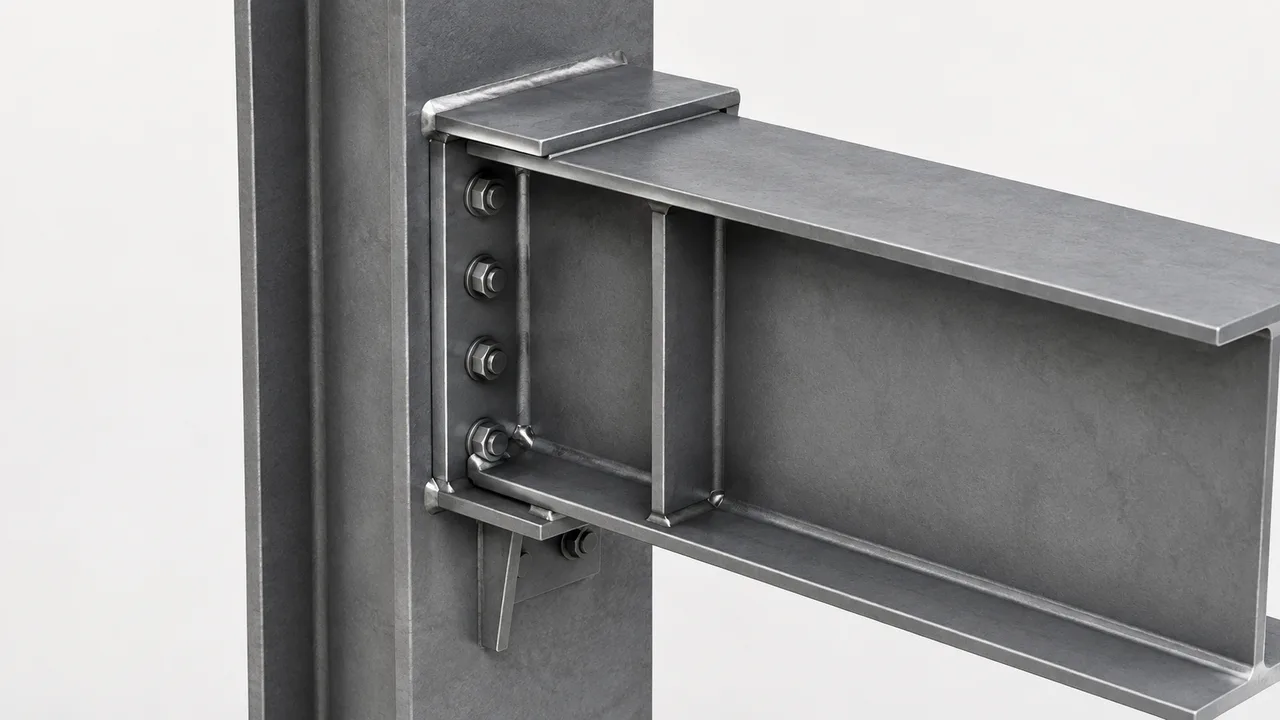
The main structural components, including columns, beams, trusses, bracing systems, connection plates, purlins, and secondary steel members, are fabricated before they arrive at the construction site. Because the components are prepared in advance, the installation team can focus on assembly rather than extensive cutting, drilling, and welding in the field.
Why Construction Speed Matters
A shorter construction schedule can create significant commercial advantages. Manufacturing plants can begin production earlier, warehouses can start receiving goods sooner, logistics facilities can enter service more quickly, and agricultural buildings can be completed before critical seasonal deadlines.
Schedule efficiency also reduces the period during which cranes, temporary facilities, site supervision, equipment rentals, and construction labor are required. For projects in remote locations or regions with short construction seasons, reducing on-site work can be especially valuable.
Factors That Reduce Overall Project Time
Construction speed depends on more than the erection rate of the steel frame. Efficient delivery requires coordination between engineering, procurement, fabrication, quality inspection, packing, transportation, foundation work, and site installation.
Early design confirmation, accurate shop drawings, reliable material supply, automated fabrication, clear component identification, and suitable installation sequencing all help prevent delays. When these activities are managed as one integrated process, the project can progress more predictably.
How Steel Construction Saves Time
Prefabricated Steel Components
Prefabrication transfers a large portion of structural work from the construction site to the factory. Steel members can be cut, drilled, welded, inspected, and coated under controlled conditions before shipment.
This reduces dependence on site weather, minimizes field processing, and helps maintain consistent production output. Prefabricated components also allow the erection team to install members according to a planned sequence without waiting for each element to be manufactured on site.
Precision Factory Fabrication
Modern CNC equipment improves the dimensional accuracy of structural members and connection holes. Precise fabrication supports faster alignment, bolting, and assembly during erection.
When columns, beams, plates, and bracing members fit correctly, the installation team spends less time making corrections or modifying components. Accurate production is therefore one of the most important elements of time saving steel construction.
Faster On-Site Assembly
Bolted connections allow structural components to be assembled quickly with cranes and trained installation teams. Compared with construction methods that require extensive curing, formwork, or field fabrication, steel erection can proceed rapidly once the foundations and anchor bolts are ready.
The structure can also be divided into installation zones. This allows roofing, wall installation, equipment preparation, or other follow-on activities to begin in completed areas while steel erection continues elsewhere.
Reduced Wet Construction Processes
Steel buildings require fewer wet construction activities above the foundation level. There is less dependence on concrete curing, masonry work, and weather-sensitive finishing processes during the structural phase.
This can be particularly beneficial in cold, rainy, or humid environments where conventional construction activities may be interrupted. Reduced wet work also helps keep the site cleaner and simplifies material handling.
Parallel Manufacturing and Site Preparation
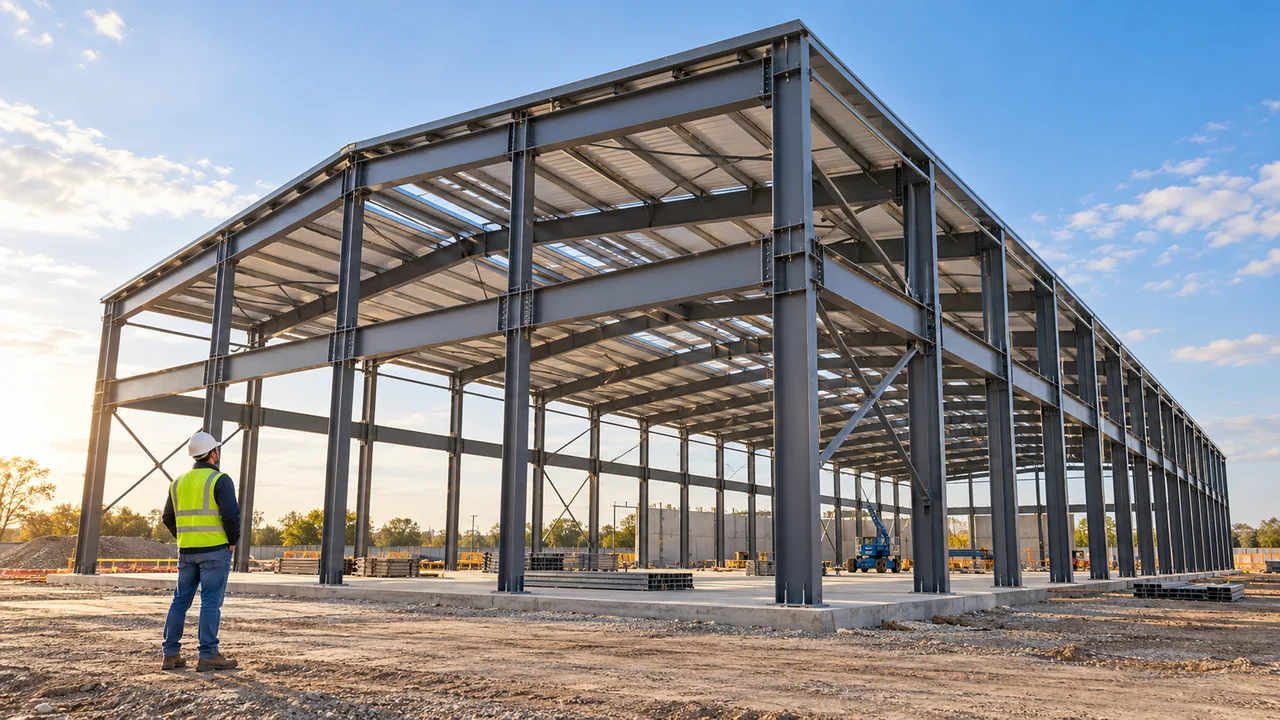
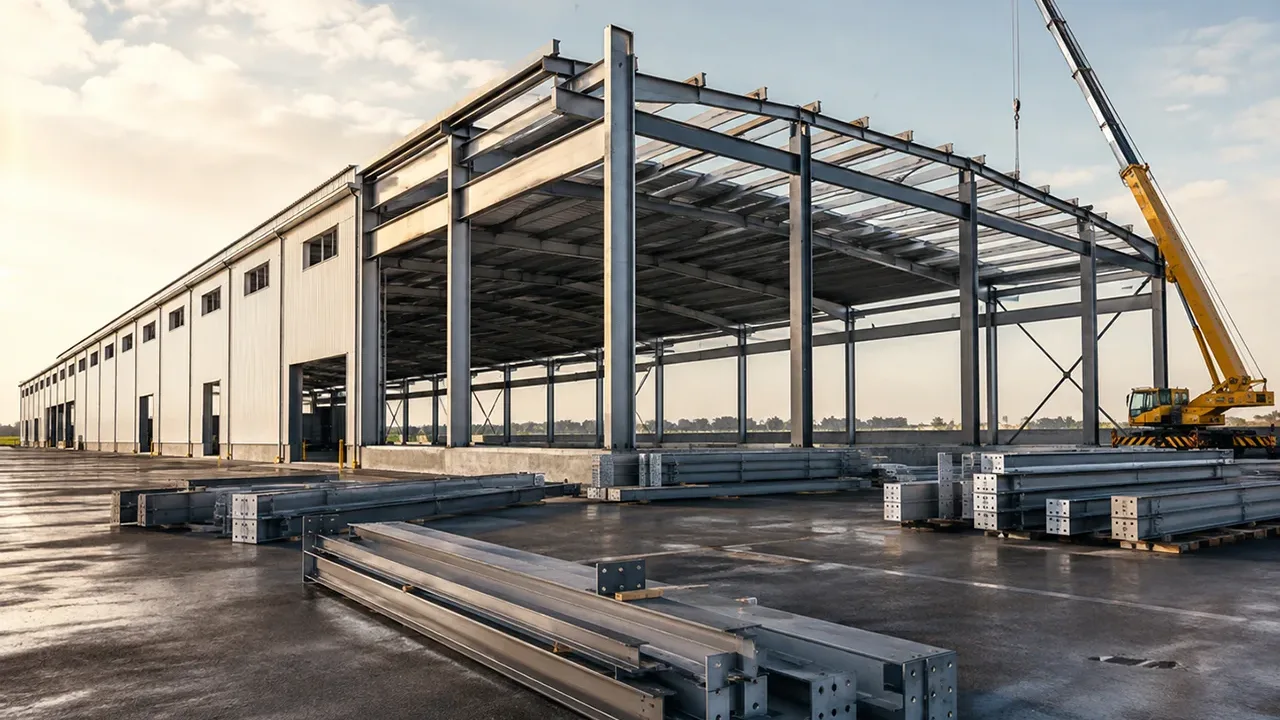
One of the greatest schedule advantages of steel construction is the ability to perform several activities simultaneously. While the project site is being cleared and the foundations are being prepared, the steel frame can be fabricated in the factory.
When engineering coordination is completed early, the manufactured components can arrive shortly after the foundations are ready. This overlap can remove weeks or months from the total project schedule compared with sequential construction methods.
Time-Saving Steel Construction Solutions
Industrial Buildings
Industrial projects often operate under strict investment and production schedules. Steel construction supports rapid delivery of workshops, assembly buildings, processing facilities, maintenance centers, and production halls.
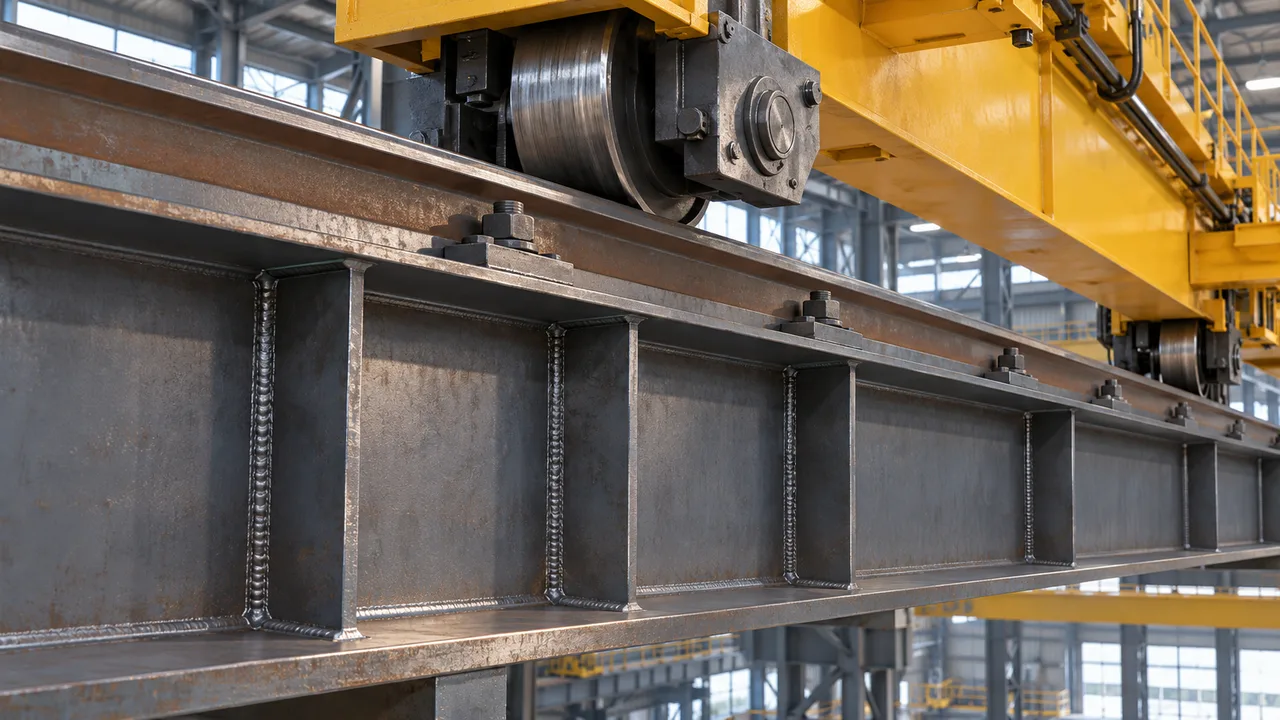
Large spans, high clear heights, crane systems, equipment platforms, and future expansion requirements can be integrated into the structural solution without sacrificing schedule efficiency.
Warehouses
Warehouse projects benefit from repetitive structural grids, prefabricated portal frames, and fast roof and wall installation. The efficient structural layout allows large storage areas to be completed quickly while maintaining flexibility for racking systems, loading areas, and future expansion.
Manufacturing Facilities
Manufacturing buildings often require close coordination between the structure and production equipment. Steel frames can be fabricated with openings, platforms, crane supports, and connection points prepared in advance, reducing field modifications and helping equipment installation begin sooner.
Commercial Buildings
Commercial developments such as showrooms, retail buildings, service centers, offices, and mixed-use facilities can use steel structures to achieve rapid construction and flexible interior layouts. Faster structural completion allows façade, mechanical, electrical, and interior work to begin earlier.
Logistics Centers
Distribution centers and logistics hubs usually require wide spans, high-bay storage, loading docks, and large operational areas. Prefabricated steel systems support rapid project delivery and can be expanded later as distribution capacity grows.
Infrastructure Projects
Steel construction can also support transportation buildings, covered walkways, terminals, maintenance facilities, industrial platforms, bridges, and other infrastructure-related structures. Factory fabrication helps reduce on-site disruption and supports projects that must be completed within restricted work periods.
Engineering and Fabrication Capabilities
Structural Design Support
Efficient projects begin with coordinated engineering. Structural loads, building dimensions, connection concepts, material specifications, transportation limits, and erection sequences should be considered before production starts.
Our engineering team reviews project requirements and helps ensure that the structural solution is practical for fabrication, delivery, and assembly. Early technical coordination reduces the risk of design changes during manufacturing or installation.
CNC Steel Fabrication
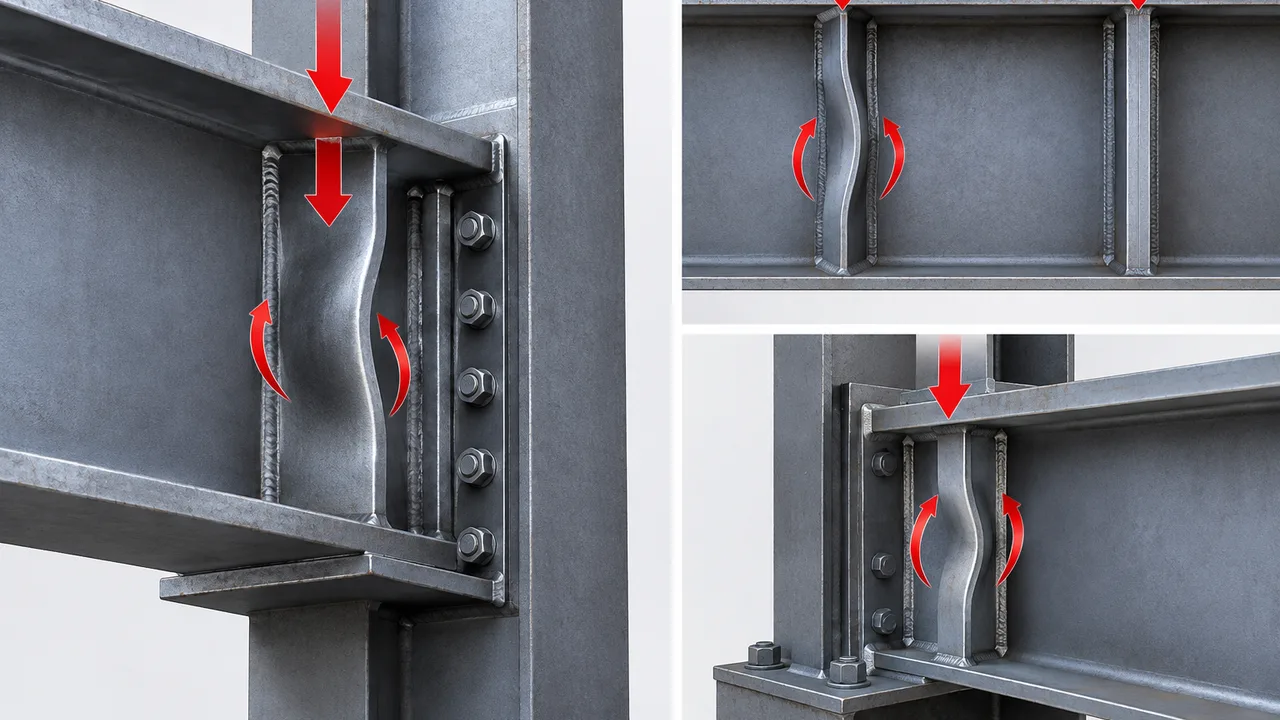
Automated cutting, drilling, profiling, and plate processing equipment improves production speed while maintaining dimensional consistency. CNC fabrication is suitable for beams, columns, trusses, connection plates, stiffeners, brackets, and customized structural components.
Digital production data also helps reduce manual measurement errors and supports efficient fabrication of repeated components.
Quality-Controlled Manufacturing
Fast delivery must not depend on reduced quality standards. Materials, dimensions, welds, connection details, and surface treatments are inspected throughout the production process.
Quality control helps prevent installation delays caused by incorrect dimensions, missing components, poor weld quality, or incomplete surface treatment. A well-inspected structure is more likely to arrive ready for efficient assembly.
Logistics and Delivery Planning
Component size, shipping method, loading sequence, site access, and erection order are considered during packing and delivery preparation. Proper organization helps the installation team locate the correct members quickly and reduces unnecessary material handling.
For international projects, components can be prepared for container transport, conventional shipping, or other suitable logistics arrangements based on project requirements.
Benefits of Time Saving Steel Construction
Shorter Project Schedule
Parallel fabrication and site preparation reduce the total duration of the structural phase. Once the steel components arrive, installation can proceed rapidly according to the planned erection sequence.
Earlier Facility Operation
Completing the building earlier allows the owner to begin production, storage, rental, processing, or other business activities sooner. For revenue-generating facilities, this can improve the overall return on investment.
Lower On-Site Labor Requirements
Factory fabrication reduces the amount of cutting, drilling, welding, and modification required at the site. This lowers the demand for specialized field labor and helps simplify workforce management.
Better Construction Efficiency
Organized component delivery, bolted assembly, accurate fabrication, and reduced wet work create a cleaner and more predictable construction process.
Improved Quality Control
Factory conditions allow production activities to be monitored more consistently than many field operations. Equipment, procedures, inspections, and documentation can be managed within one manufacturing system.
Easier Future Expansion
Steel buildings can often be extended by adding new structural bays or connecting additional sections. This allows owners to complete the initial project quickly while preserving options for future growth.
Quality Assurance During Fast Construction
Material Inspection
Steel materials are checked against the project specifications before fabrication begins. Material identification and traceability help maintain consistency throughout production.
Dimensional Accuracy
Critical lengths, hole positions, plate dimensions, connection locations, and assembly tolerances are verified during manufacturing to support correct installation.
Welding Quality Control
Welding procedures, visual inspections, and additional testing methods can be applied according to project requirements. Weld quality is confirmed before components move to the surface treatment stage.
Surface Protection Inspection
Surface preparation, primer application, paint coverage, and coating thickness are inspected according to the selected protection system. Galvanizing can also be used where enhanced corrosion resistance is required.
Installation Readiness Verification
Before shipment, components are identified, counted, packed, and organized according to the project schedule. This verification helps ensure that the correct members and connection materials are available when installation begins.
Industries That Benefit from Time Saving Steel Construction
- Manufacturing: factories, workshops, production halls, and equipment buildings
- Warehousing: distribution centers, storage facilities, and high-bay warehouses
- Logistics: freight terminals, loading facilities, and fulfillment centers
- Agriculture: barns, machinery storage, livestock buildings, and processing facilities
- Commercial development: showrooms, offices, retail buildings, and service centers
- Infrastructure: terminals, platforms, bridges, shelters, and maintenance structures
Why Choose XTD Steel Structure?
XTD Steel Structure combines engineering coordination, high-capacity fabrication, automated processing, quality inspection, export packaging, and delivery planning within one integrated service. This coordinated approach helps clients reduce avoidable delays and maintain better control over project schedules.
- Complete structural engineering and detailing support
- Advanced CNC cutting and drilling equipment
- Fabrication of light and heavy structural steel
- Controlled welding and inspection procedures
- Organized packing and international logistics support
- Experience with industrial, commercial, agricultural, and infrastructure projects
Frequently Asked Questions
How much faster is steel construction than conventional construction?
The actual schedule depends on the project size, design complexity, site conditions, approval process, and delivery distance. However, prefabrication and parallel site preparation can significantly reduce the total construction period.
Can construction speed affect structural quality?
Fast construction should result from better planning, accurate fabrication, and efficient assembly rather than reduced quality requirements. Factory production and inspection help maintain consistent standards while improving schedule performance.
Is prefabrication included?
Yes. Structural members are fabricated, drilled, welded, inspected, surface-treated, identified, and prepared for delivery according to the approved project information.
Can large-span buildings be completed quickly?
Yes. Portal frames, trusses, and other large-span steel systems can be prefabricated and assembled efficiently when engineering, transportation, lifting, and installation are coordinated in advance.
Do you provide support for international projects?
Yes. We support international projects with technical coordination, fabrication documentation, export packaging, component identification, and logistics planning.
Request a Time Saving Steel Construction Solution
A successful schedule-driven project requires more than fast production. It requires coordinated engineering, reliable material procurement, accurate fabrication, organized logistics, and installation-ready components. Our time saving steel construction service is designed to help clients reduce project duration without compromising structural performance or manufacturing quality.
Send us your architectural drawings, structural plans, technical specifications, building dimensions, required completion schedule, and project location. Our team will review the information and prepare a customized steel construction proposal based on your operational, engineering, and delivery requirements.