What Is an Assembly Steel Structure Factory?
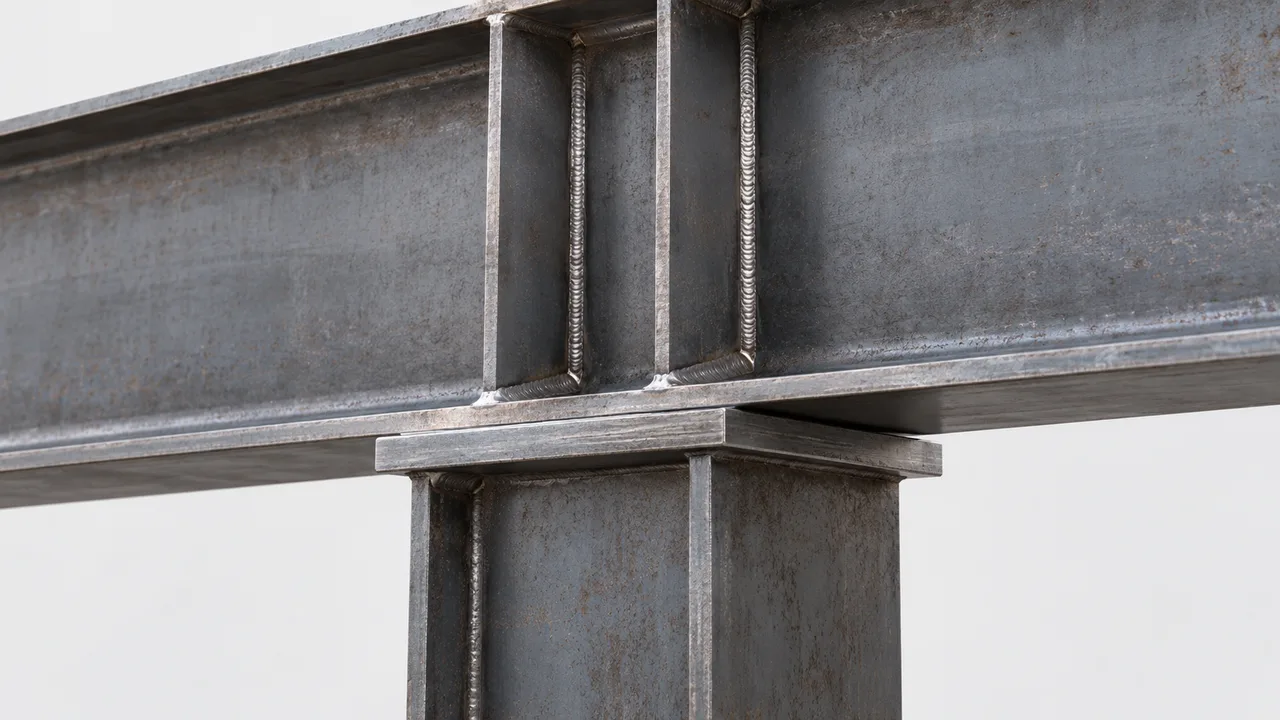
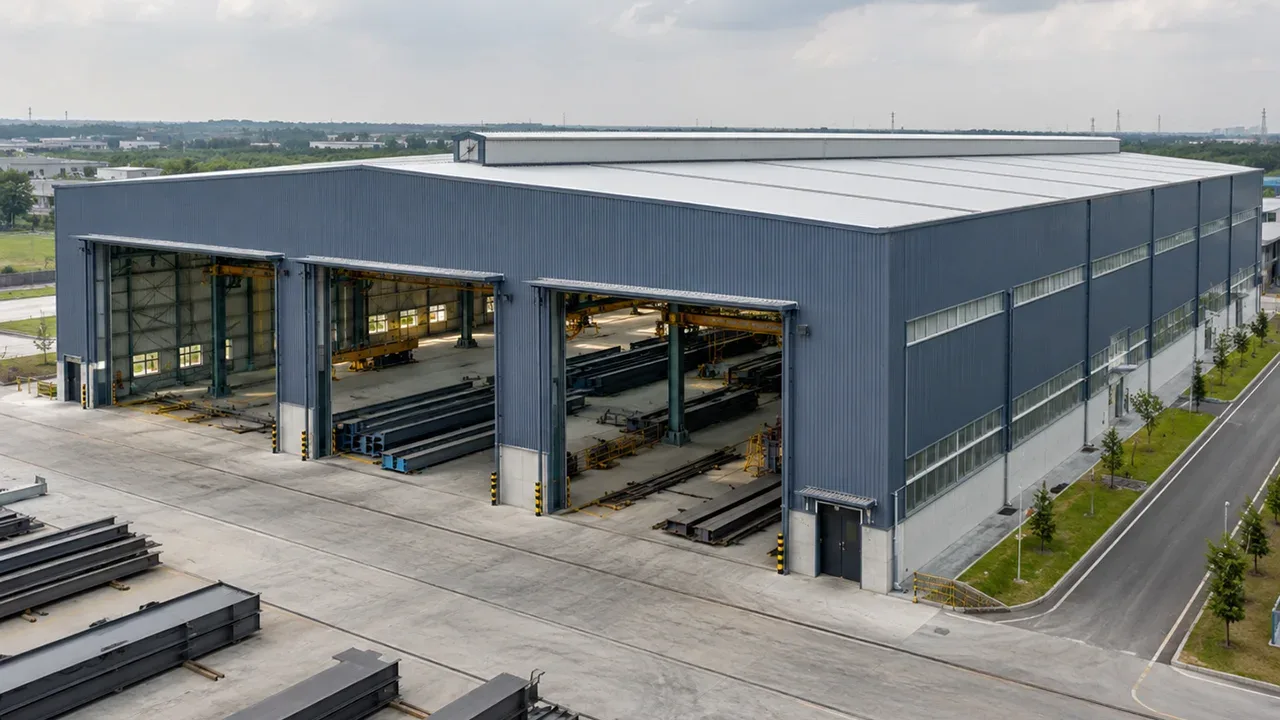
An assembly steel structure factory is a specialized production facility focused on assembling fabricated steel components into larger structural units before shipment and installation. Unlike basic fabrication workshops that primarily cut and weld raw steel materials, assembly facilities handle fit-up coordination, connection verification, structural alignment, and pre-installation preparation.
In many large-scale projects, the assembly stage becomes one of the most important parts of the manufacturing workflow because it directly influences installation precision at the construction site.
Typical workflow inside an assembly-focused steel factory:
- Steel cutting and preparation
- Plate processing and drilling
- Welding and structural fabrication
- Component assembly and alignment
- Dimensional inspection
- Surface treatment and coating
- Packing and shipment coordination
Core Functions Inside an Assembly Steel Structure Factory
Structural Component Assembly
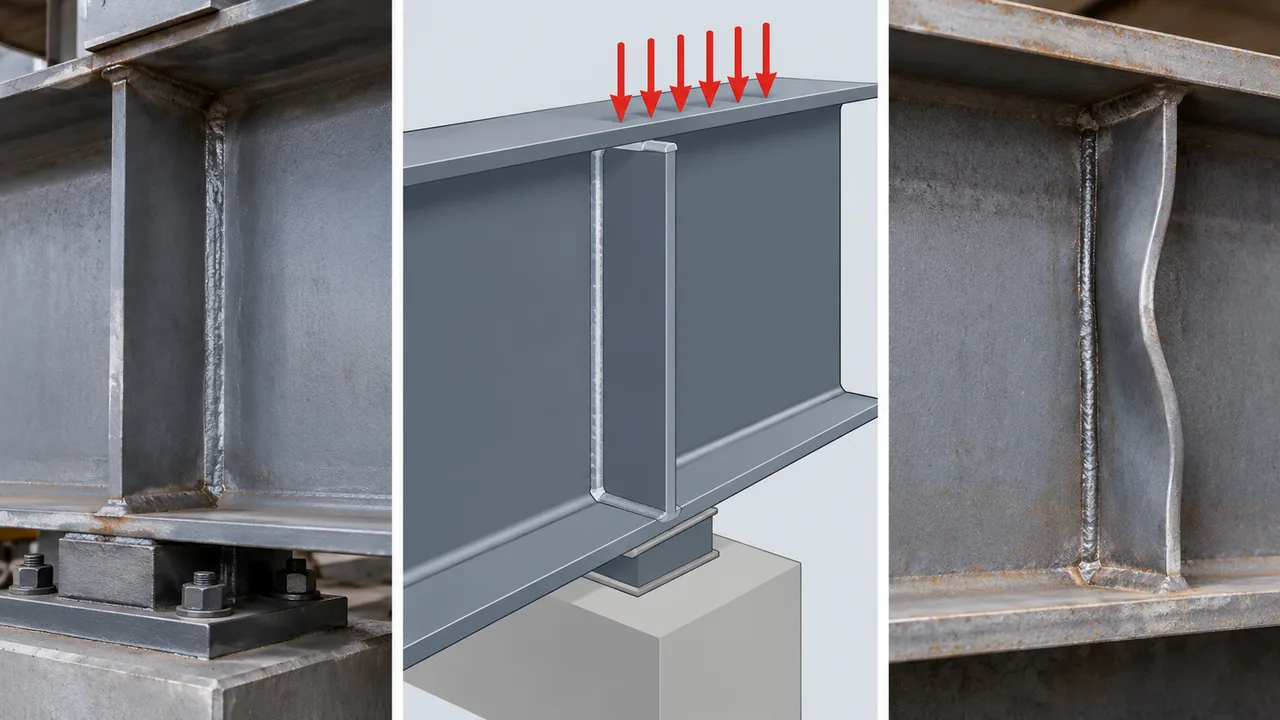
Assembly facilities combine beams, columns, trusses, and structural modules into larger integrated units. Precise alignment during this process is essential for efficient field installation.
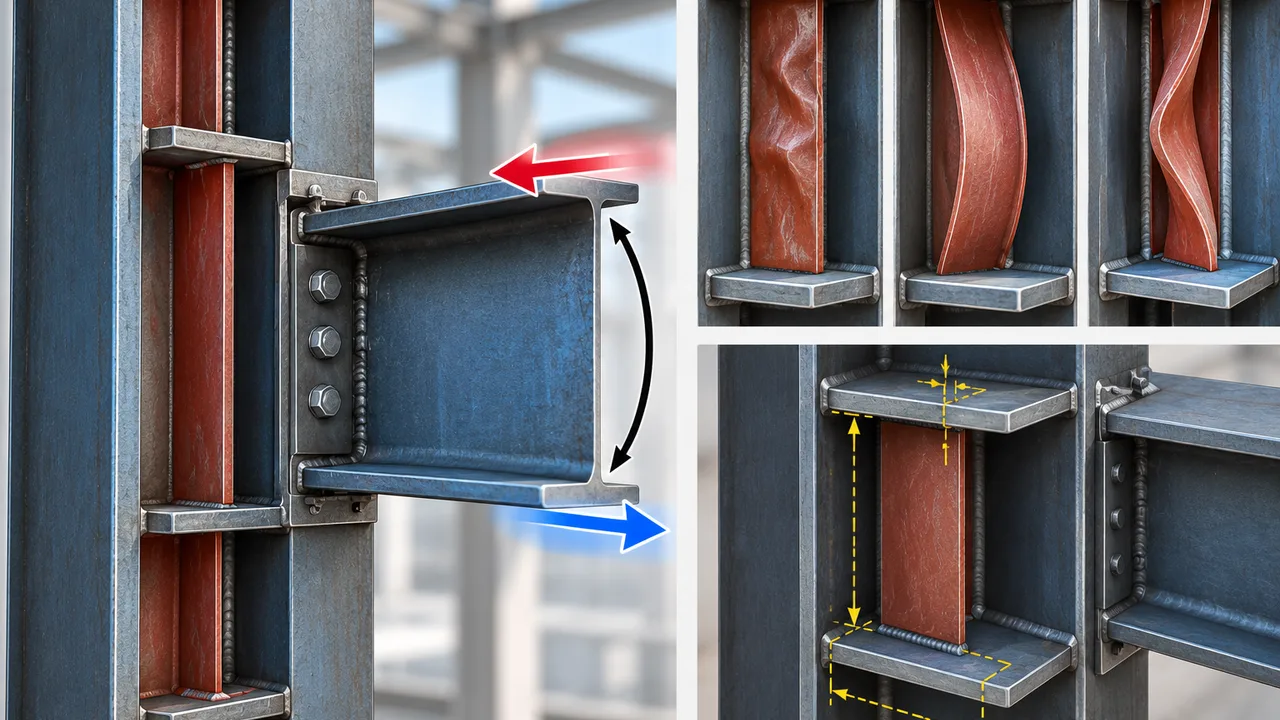
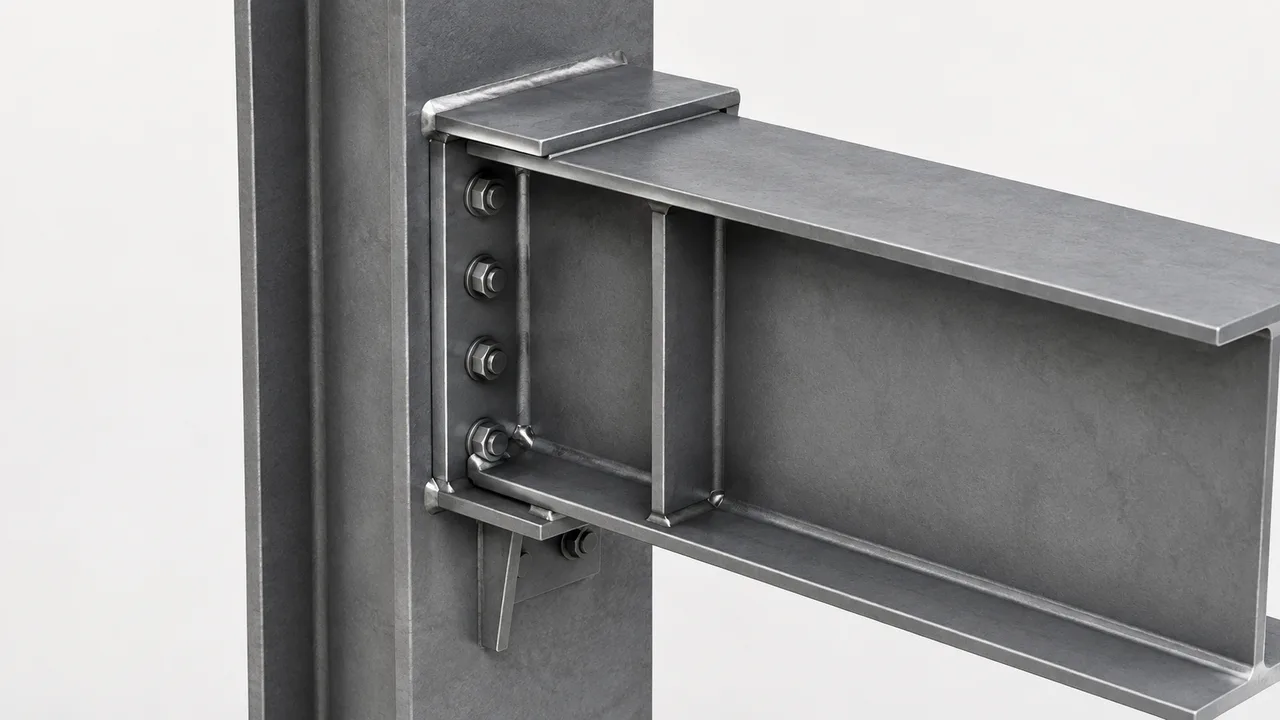
Connection points, bolt holes, and structural interfaces must match engineering specifications accurately.
Welding and Joint Preparation
Many assembly operations involve high-precision welding systems that ensure structural stability and consistent joint quality.
Dedicated welding stations often include:
- Automated welding equipment
- Fixture positioning systems
- Weld inspection procedures
- Heat control management
Pre-Installation Testing and Fit-Up
Before shipment, assembled components are frequently checked for dimensional accuracy and fit-up compatibility.
A properly managed assembly steel structure factory helps reduce installation conflicts and minimizes corrective work at the construction site.
Surface Preparation and Coating
After assembly verification, structural components typically undergo surface preparation processes such as blasting, cleaning, and coating application.
Protective systems may include anti-corrosion coatings, galvanization, and industrial paint systems.
Factory Layout and Production Efficiency
Material Flow Optimization
Efficient production depends heavily on organized material flow. Modern facilities are designed to reduce unnecessary movement between fabrication, assembly, inspection, and storage zones.
Well-planned workflow coordination improves productivity and reduces handling delays.
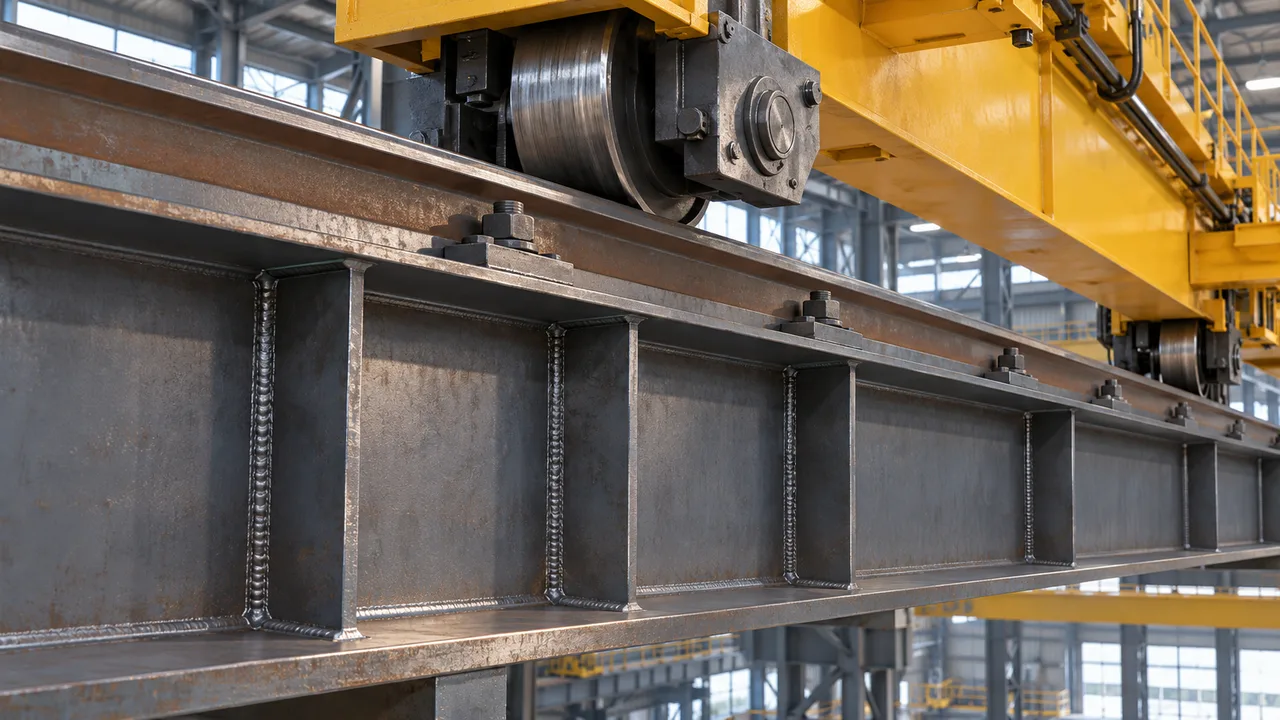
Crane Systems and Handling Equipment
Large steel components require specialized handling systems for safe and efficient movement.
- Overhead cranes
- Heavy lifting systems
- Automated transport platforms
- Assembly positioning equipment
Segmented Work Zones
Many facilities divide operations into dedicated zones for cutting, welding, assembly, coating, and shipment preparation.
This segmented approach improves workflow management and production control.
Storage and Shipment Coordination
Proper storage management is important for protecting finished structural components before transportation.
Shipment coordination also helps ensure organized delivery sequences for installation teams.
Industrial Use Cases for Assembly Steel Structure Factories
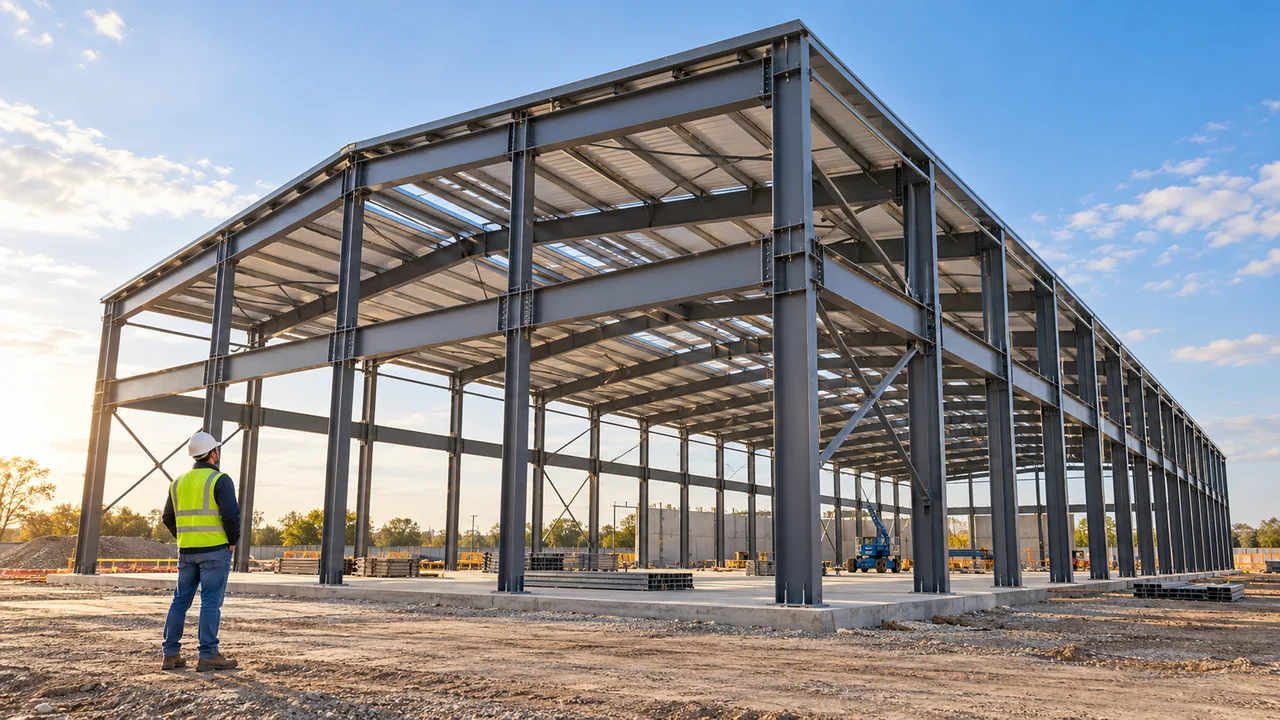
Large Warehouse Projects
Warehouse construction frequently requires repetitive structural modules that benefit from controlled assembly and pre-installation verification.
Accurate assembly improves installation speed across large industrial sites.
Industrial Plant Construction
Industrial plants often involve complex structural systems with multiple connection points and equipment integration requirements.
Assembly preparation helps improve coordination between steel structures and industrial systems.
High-Rise Steel Structure Components
High-rise projects demand precise dimensional control and stable structural alignment. Factory assembly reduces tolerance problems during vertical installation.
Modular Prefabricated Building Systems
Prefabricated steel systems rely heavily on accurate modular assembly before transportation to the construction site.
Consistent factory assembly improves project efficiency and reduces installation time.
Why Assembly Accuracy Matters in Steel Construction
Assembly precision directly affects project performance at the installation stage.
Even small dimensional deviations can create major alignment problems during structural erection.
Accurate assembly contributes to:
- Faster installation speed
- Reduced field welding
- Lower rework costs
- Improved bolt alignment
- Better structural coordination
- Reduced project delays
Technology Used in Modern Assembly Facilities
CNC Production Integration
Modern factories integrate CNC systems into fabrication and assembly operations to improve precision and production consistency.
Automated Welding Systems
Automated welding technologies help maintain consistent weld quality while improving productivity.
Digital Measurement and Inspection
Laser measurement systems and digital inspection tools are commonly used to verify assembly accuracy.
Production Tracking Systems
Digital tracking platforms allow manufacturers to monitor production stages, material movement, and assembly progress in real time.
Choosing an Assembly Steel Structure Factory Partner
Selecting the right manufacturing partner requires evaluating production scale, assembly capability, engineering coordination, and export logistics experience.
Large projects often require suppliers capable of managing both precision manufacturing and organized shipment scheduling.
With experience in structural steel manufacturing and industrial project coordination, XTD Steel Structure supports integrated assembly and fabrication solutions for global construction projects.
Frequently Asked Questions
What does an assembly steel structure factory do?
It assembles fabricated steel components into larger structural units before shipment and installation.
Why is assembly accuracy important?
Accurate assembly reduces installation problems, rework, and project delays.
Can assembled components reduce installation time?
Yes. Proper factory assembly improves field installation efficiency.
What industries use assembly steel structure factories?
Warehousing, industrial plants, infrastructure, commercial buildings, and prefabricated construction projects.
Supporting Faster and More Accurate Steel Construction
A well-managed assembly steel structure factory improves manufacturing coordination, installation efficiency, and structural reliability across complex construction projects.
As steel construction continues to evolve toward larger and faster developments, assembly-focused production systems play an increasingly important role in maintaining quality and operational efficiency.