One Manufacturing Partner Across Multiple Project Stages
Structural steel manufacturing involves more than converting raw materials into finished components. Production must follow engineering requirements, connection details, dimensional tolerances, coating specifications, and construction schedules. When these responsibilities are distributed among unrelated suppliers, communication gaps can affect the entire project.
An integrated manufacturing partner coordinates these activities before production begins. Engineering information is reviewed against fabrication requirements, materials are organized around production priorities, and finished components are inspected and identified for delivery.
This coordinated approach helps project owners reduce unnecessary supplier handovers, maintain clearer quality expectations, and establish a more consistent workflow between manufacturing and construction.
What Our Complete Manufacturing Service Covers
Technical Review and Engineering Coordination
Each project begins with a review of available drawings, structural specifications, building dimensions, connection requirements, material grades, and applicable project standards. Technical coordination identifies information that must be clarified before fabrication, including member sizes, bolt arrangements, welding requirements, and installation interfaces.
Where engineering development or design modifications are required, the scope can be coordinated according to the project agreement and applicable approval requirements. Resolving technical questions early helps prevent costly changes during production.
Structural Detailing and Production Preparation
Approved engineering information is converted into fabrication-ready documentation. Shop drawings, component schedules, material lists, connection details, and assembly identification provide the technical basis for manufacturing.
Production planning also considers material availability, fabrication sequence, workshop capacity, transportation limitations, and installation priorities. These preparations help ensure components are manufactured in an organized sequence rather than as disconnected individual items.
Precision Steel Component Manufacturing
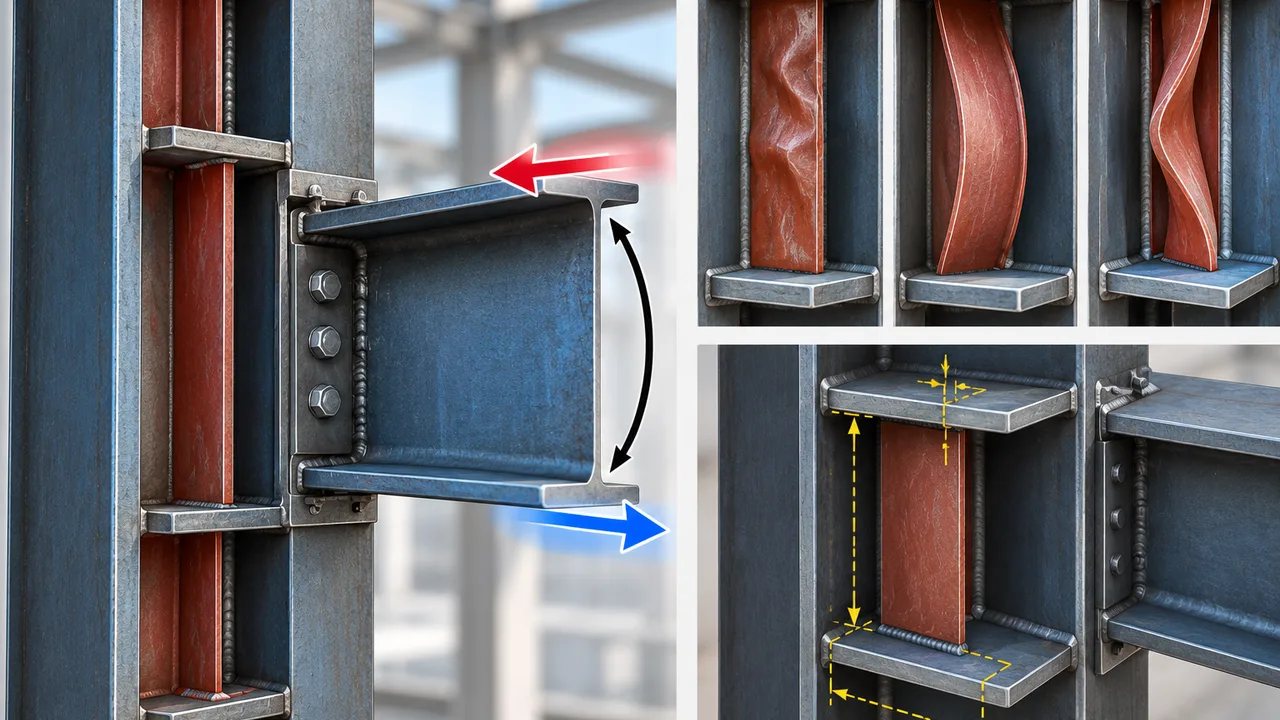
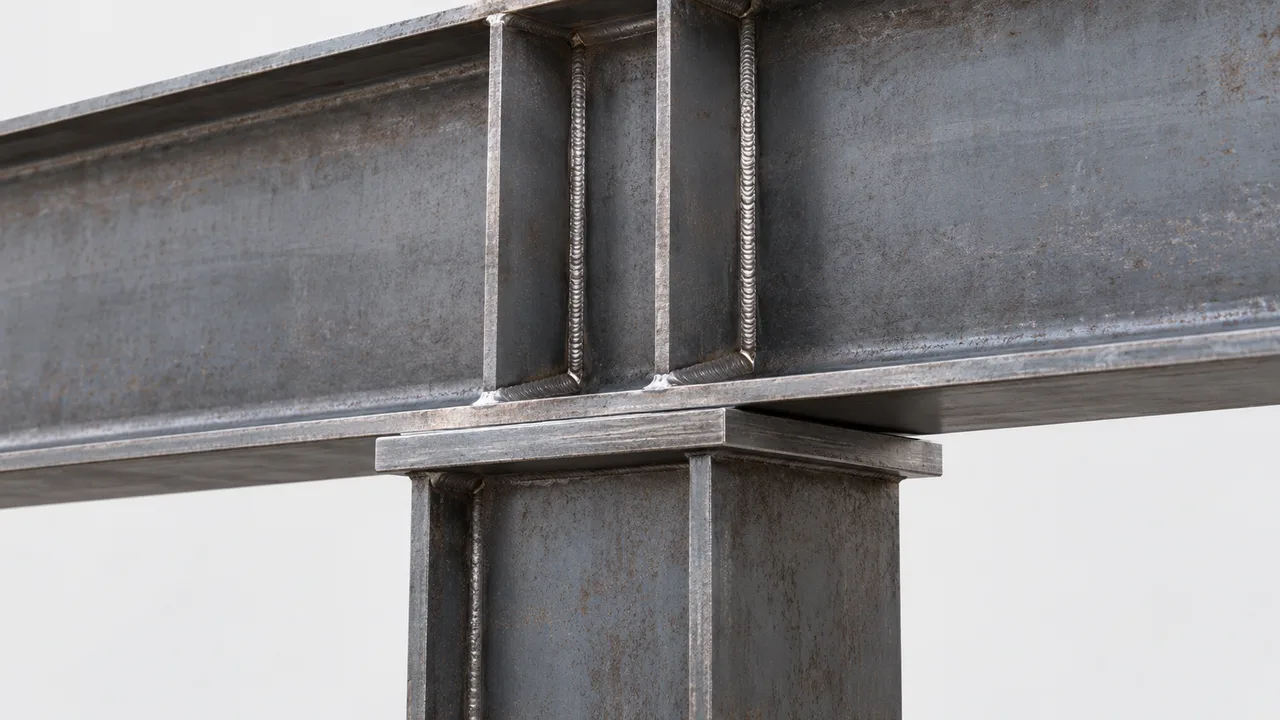
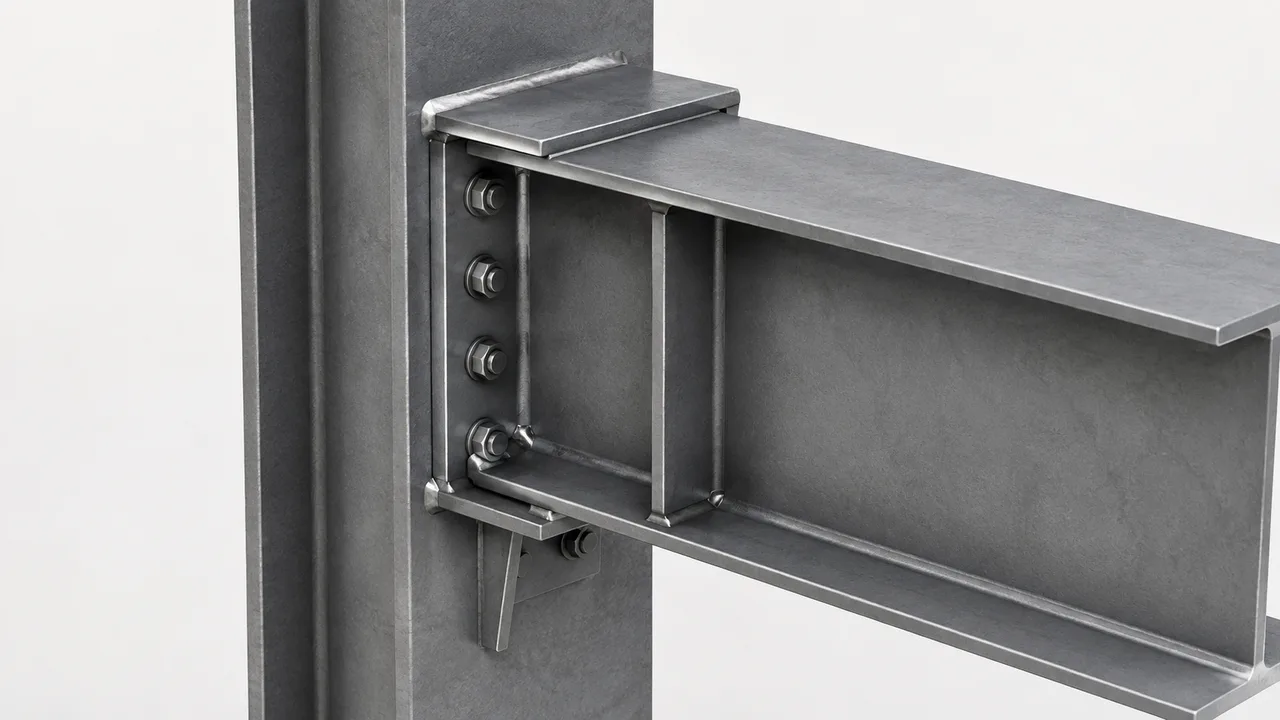
Manufacturing operations can include CNC cutting, drilling, plate preparation, fitting, welding, assembly, and dimensional verification. Typical fabricated components include steel columns, beams, rafters, trusses, bracing members, base plates, connection plates, and customized structural assemblies.
Component accuracy is especially important for complex buildings where multiple structural systems must connect correctly. Proper dimensional control reduces the risk of misaligned bolt holes, incompatible connections, and excessive adjustment during site erection.
Surface Treatment and Finishing
Steel components require appropriate surface protection based on their operating environment. Available project options may include abrasive blasting, primer application, industrial painting systems, or galvanizing for specified components.
Surface preparation, coating application, and inspection requirements are coordinated with the project specifications. The protection system should reflect expected corrosion exposure, environmental conditions, transportation requirements, and intended service life.
Inspection, Packing, and Shipment Preparation
Manufacturing is completed with inspection and release procedures appropriate to the project. These may include dimensional checks, welding inspection, coating verification, connection compatibility review, and component identification.
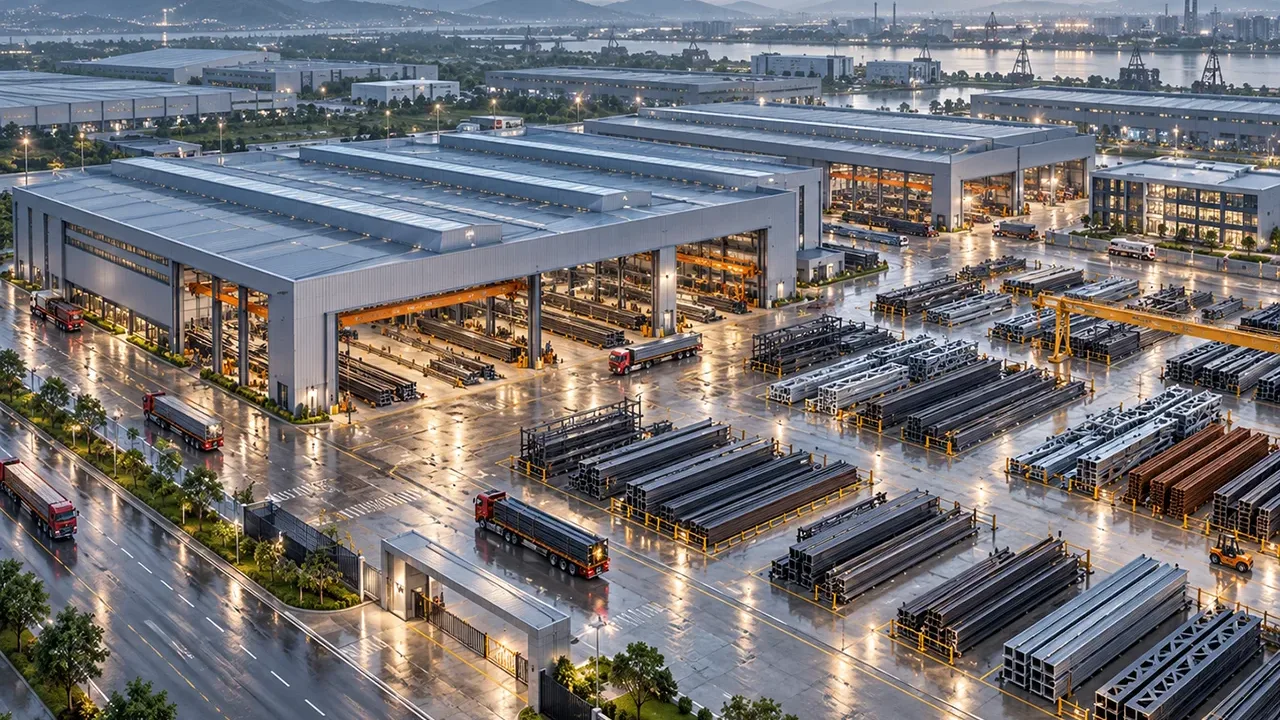
Finished steel members are then marked and packed according to transportation and installation requirements. Organized packing helps construction teams identify components efficiently and reduces unnecessary handling after delivery.
Steel Structures We Manufacture for Different Projects
Industrial Factory and Workshop Structures
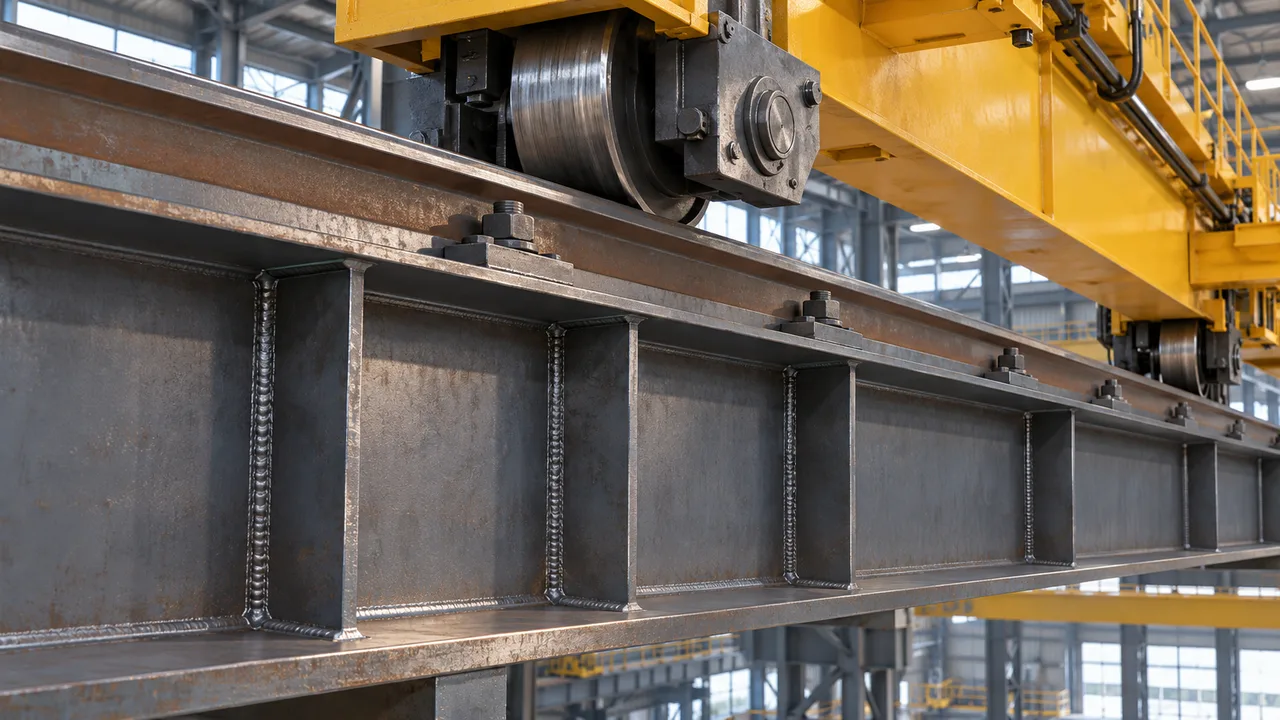
Industrial facilities often require customized structural systems that accommodate production equipment, cranes, ventilation systems, machinery access, and future expansion. Manufacturing packages may include portal frames, reinforced columns, crane-supporting members, trusses, and secondary steel components.
Coordinated fabrication helps ensure the structural package reflects the operational requirements of factories, processing plants, assembly facilities, and industrial workshops.
Warehouses and Logistics Facilities
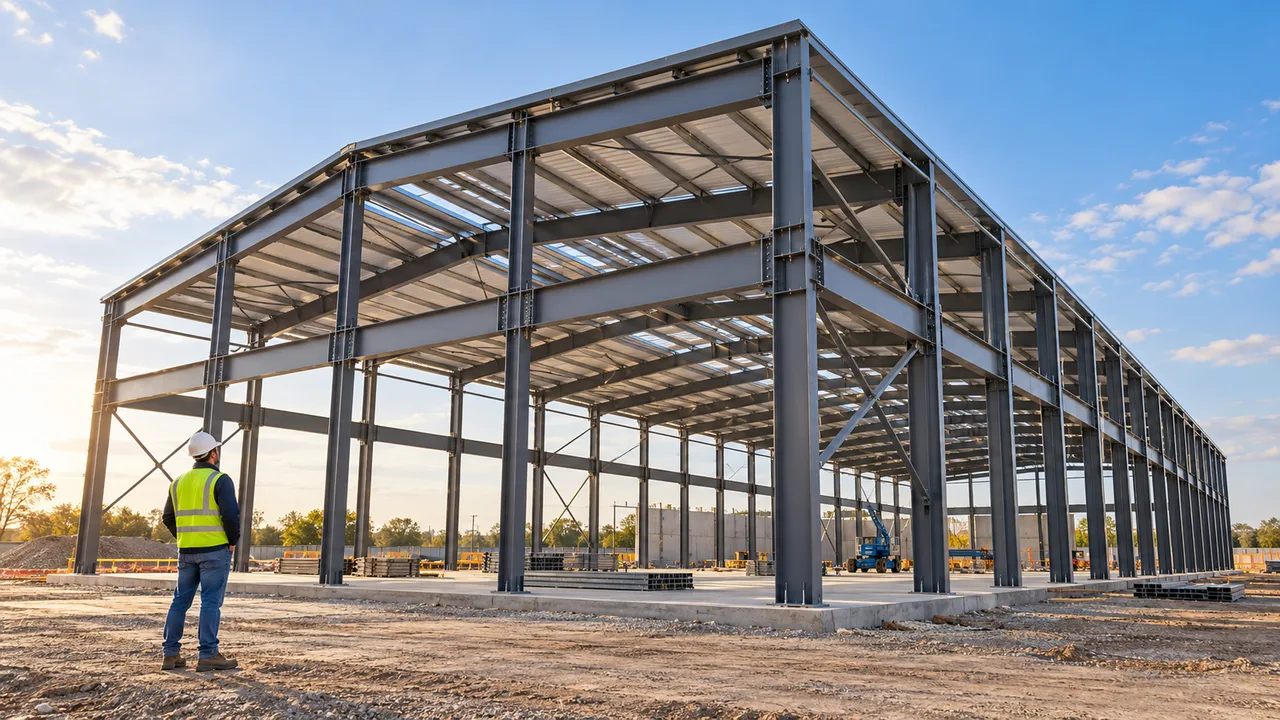
Warehouse and logistics projects frequently prioritize large clear spans, efficient column spacing, high-bay storage, loading areas, and rapid construction. Prefabricated steel components can be produced according to the building layout and delivered in packages aligned with the erection sequence.
For facilities with demanding storage or handling requirements, production must also account for reinforced connections, equipment interfaces, and project-specific structural details.
Commercial and Multi-Storey Steel Buildings
Commercial facilities, offices, showrooms, and multi-storey developments may require more complex framing arrangements. Fabrication packages can include structural beams, columns, bracing systems, connection assemblies, and customized members for architectural requirements.
These projects benefit from accurate detailing and close coordination between structural components, floors, façades, and building service interfaces.
Agricultural and Custom Steel Projects
Agricultural buildings and specialized facilities may require structural layouts adapted to ventilation, equipment access, storage operations, humidity exposure, or unusual building dimensions.
Custom manufacturing allows the steel structure package to follow project-specific engineering information rather than being restricted to standard building configurations.
How Integrated Manufacturing Improves Project Delivery
The main advantage of an integrated manufacturing solution is better coordination across activities that directly affect construction. When detailing, production planning, fabrication, and shipment preparation follow consistent project information, teams can identify potential conflicts before components reach the site.
- Fewer coordination gaps: technical information passes through a more organized manufacturing workflow.
- Better component compatibility: connection details and critical dimensions can be verified before shipment.
- Consistent quality documentation: inspections and production records can follow agreed project requirements.
- Clearer manufacturing schedules: production packages can be prioritized according to construction needs.
- More efficient delivery planning: component marking, packing, and shipment sequencing support site installation.
For international buyers, these advantages can be more valuable than simply comparing the lowest fabrication price. Reduced rework, fewer missing components, and better delivery organization contribute to the overall efficiency of the project.
Manufacturing Capabilities and Production Control
Material Processing and Component Accuracy
Reliable fabrication begins with accurate material preparation. Cutting dimensions, drilling positions, plate geometry, member lengths, and connection interfaces must follow approved production information.
Consistent processing is particularly important for repeated structural frames and projects with large numbers of similar components. Dimensional verification helps maintain compatibility between factory-produced members and reduces unnecessary site modifications.
Welding and Assembly Quality
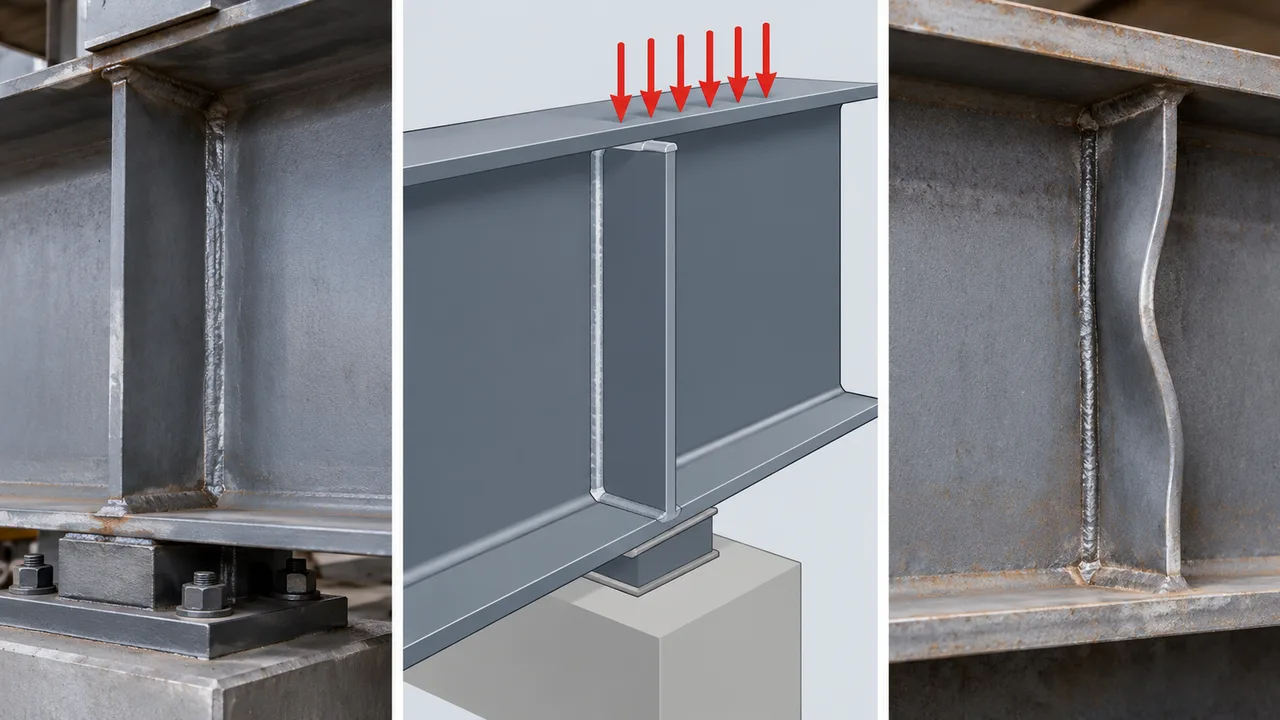
Welding quality affects the strength and reliability of fabricated steel assemblies. Weld preparation, fit-up, workmanship, inspection, and dimensional control should follow the applicable project specifications.
Where required, additional inspection methods can be coordinated according to the agreed quality plan. Assembly verification is also useful for complicated connections and customized structural elements.
Production Scheduling for Multiple Building Packages
Large projects may require steel components to be produced and delivered in several batches. A coordinated production schedule can prioritize foundation-related components, primary frames, bracing, secondary members, and later construction packages.
This approach allows manufacturing and logistics planning to reflect actual site progress, helping contractors avoid unnecessary storage pressure and improving the availability of required materials during erection.
Scope of Service and Project Deliverables
As a complete steel structure manufacturer, the objective is to provide a coordinated manufacturing package with clearly defined responsibilities. The exact deliverables depend on the approved project scope, technical requirements, and commercial agreement.
| Service Stage | Typical Deliverable | Value for the Buyer |
|---|---|---|
| Technical Coordination | Reviewed drawings, specifications, and production requirements | Reduces technical uncertainty before manufacturing |
| Structural Detailing | Shop drawings, component schedules, and fabrication information | Supports accurate production and connection compatibility |
| Steel Fabrication | Manufactured columns, beams, trusses, bracing, and custom members | Provides project-specific structural components |
| Quality Control | Inspection and verification records as specified | Improves traceability and manufacturing consistency |
| Surface Protection | Painted, coated, or galvanized components as required | Supports durability in the intended service environment |
| Packing and Logistics | Marked components, export packing, and shipment coordination | Simplifies transportation and material identification |
| Installation Support | Assembly documentation and agreed technical assistance | Helps construction teams interpret manufactured packages |
Engineering approvals, independent testing, freight arrangements, and physical installation services should be confirmed individually during project planning rather than assumed to be included in every manufacturing contract.
International Projects Require More Than Fabrication
Overseas steel construction projects introduce additional requirements beyond workshop production. Components must be manufactured according to agreed specifications while considering transportation dimensions, container loading, customs documentation, delivery sequencing, and local installation conditions.
XTD Steel Structure supports international steel structure projects through coordinated manufacturing, fabrication quality management, export preparation, and delivery planning. Technical communication between the buyer, engineering team, and manufacturing personnel helps clarify critical details before production and shipment.
International project planning may address:
- Country-specific structural specifications and project requirements
- Material grades and manufacturing documentation
- Technical clarification of drawings and connection details
- Container loading dimensions and transportation limitations
- Component identification and export packing
- Installation documentation and shipment sequencing
These considerations are especially important for large structural packages, where missing information or poorly organized deliveries can interrupt construction after materials arrive overseas.
From Project Requirements to Ready-to-Ship Steel Components
Requirements and Drawing Review
The project starts with an assessment of drawings, building dimensions, structural specifications, estimated steel quantities, manufacturing requirements, and delivery expectations. Missing technical information is identified before detailed production planning.
Engineering Coordination and Production Planning
After technical requirements are confirmed, fabrication documentation, material requirements, workshop processes, and production priorities are organized. This stage establishes the manufacturing sequence and identifies inspection or surface treatment requirements.
Fabrication, Inspection, and Surface Protection
Steel components move through cutting, drilling, fitting, welding, assembly, inspection, and surface treatment as required. Production control focuses on dimensional consistency, fabrication quality, and compliance with the approved documentation.
Final Verification and Delivery Coordination
Completed members undergo the required final checks before marking, packing, and shipment preparation. Delivery can be coordinated around construction priorities, transportation constraints, and the agreed scope of logistics support.
Complete Steel Structure Manufacturer FAQs
What Services Does a Complete Steel Structure Manufacturer Provide?
The service can include technical coordination, structural detailing, steel fabrication, surface treatment, inspection, component identification, and delivery preparation. The actual scope depends on the project contract and may include additional engineering or installation-related support.
Can You Manufacture Steel Structures From Existing Engineering Drawings?
Yes. Existing engineering drawings can be reviewed and used as the basis for fabrication documentation, provided the technical information is sufficiently complete and approved for the relevant project stage. Any necessary clarifications should be resolved before manufacturing begins.
Can Manufacturing Follow Different International Project Standards?
Manufacturing can be planned around specified international project requirements, subject to technical review and confirmation of the relevant materials, production procedures, inspections, and documentation. Applicable requirements should be established before quotation and production.
Do You Provide Custom Steel Components for Complex Buildings?
Yes. Custom fabrication can accommodate non-standard structural members, specialized connections, trusses, reinforced frames, and other components defined by the approved project documentation. Complex assemblies may require additional detailing and production coordination.
Can You Support Packing, Export, and On-Site Assembly?
Export packing, component marking, delivery coordination, and technical assembly support can be arranged according to project requirements. Physical on-site installation, supervision, and other construction services should be confirmed separately within the agreed service scope.
Simplify Your Steel Structure Procurement and Manufacturing
Successful structural steel procurement depends on more than purchasing fabricated members at a competitive price. The manufacturing process must connect technical requirements, component accuracy, protective finishing, quality control, and delivery planning so that the resulting steel package supports efficient construction.
Choosing a complete steel structure manufacturer can help reduce fragmented supplier coordination and establish a clearer manufacturing workflow. Whether the project involves an industrial factory, logistics warehouse, commercial building, or customized steel structure, the goal is to produce compatible, inspected, and properly prepared components for the next construction stage.
Share your project drawings, building dimensions, estimated steel tonnage, material specifications, delivery destination, and required manufacturing schedule. XTD Steel Structure can review your requirements and help develop a coordinated steel structure manufacturing solution suited to your project’s technical and commercial needs.