Custom Steel Fabrication Service for Project-Specific Requirements
Fabrication Based on Customer Drawings
Production can be carried out according to structural drawings, shop drawings, fabrication drawings, approved models, and other technical documentation supplied for the project. Before fabrication begins, the information is reviewed to identify dimensions, connections, material requirements, tolerances, and potential manufacturing constraints.
This approach is suitable for customers that already have their own engineering team or project consultant and primarily need reliable manufacturing capacity.
Fabrication Based on Technical Specifications
Different projects may specify particular steel grades, plate thicknesses, structural sections, welding requirements, surface treatments, inspection procedures, or dimensional tolerances. These requirements are incorporated into production planning before materials are processed.
Support for Non-Standard Requirements
Customized fabrication is particularly useful when standard sections or conventional building systems cannot satisfy the project. Manufacturing can accommodate unusual dimensions, irregular geometries, special connection arrangements, heavy members, oversized components, and project-specific assemblies.
What Can Be Customized?
Structural Dimensions and Geometry
Steel members can be fabricated according to required lengths, depths, widths, slopes, curves, and variable cross-sections. Built-up components can also be produced when standard rolled sections do not provide the geometry or structural capacity required by the design.
Steel Grades and Material Selection
Materials are selected according to approved project specifications. Material grades, plate thicknesses, section sizes, and other properties are verified before fabrication, with traceability maintained where required by the project.
Connections and Interfaces
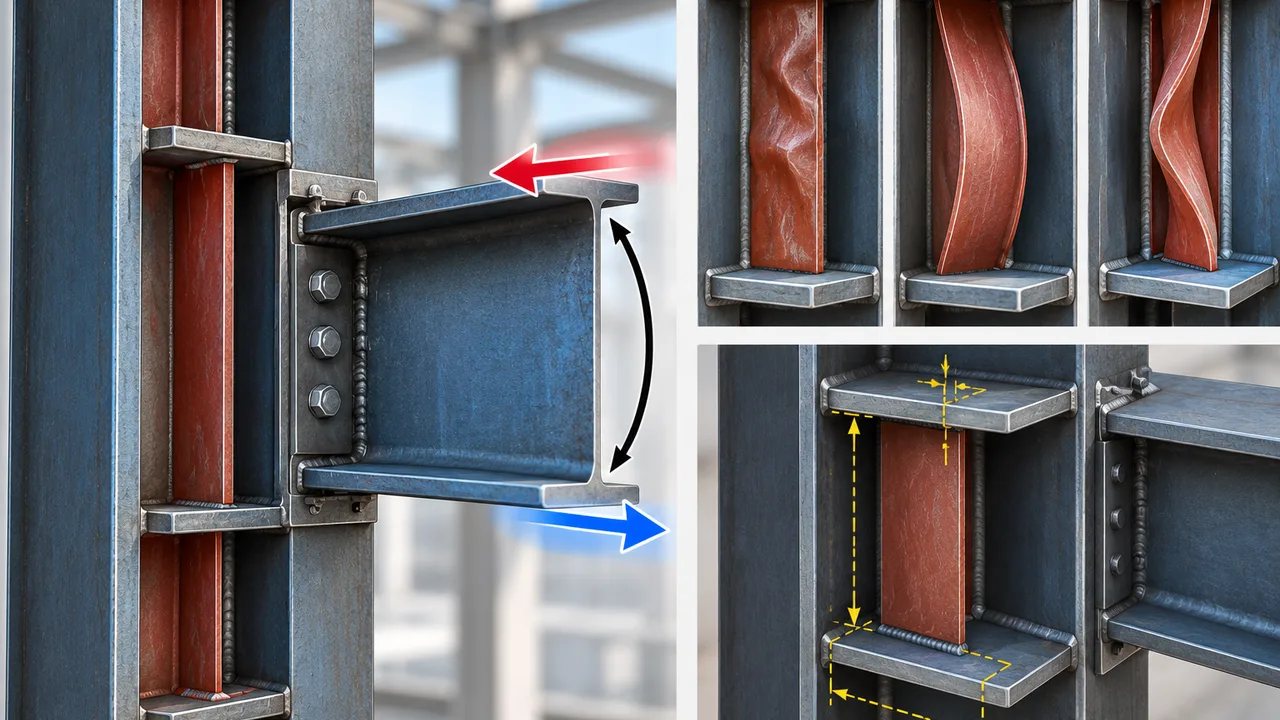
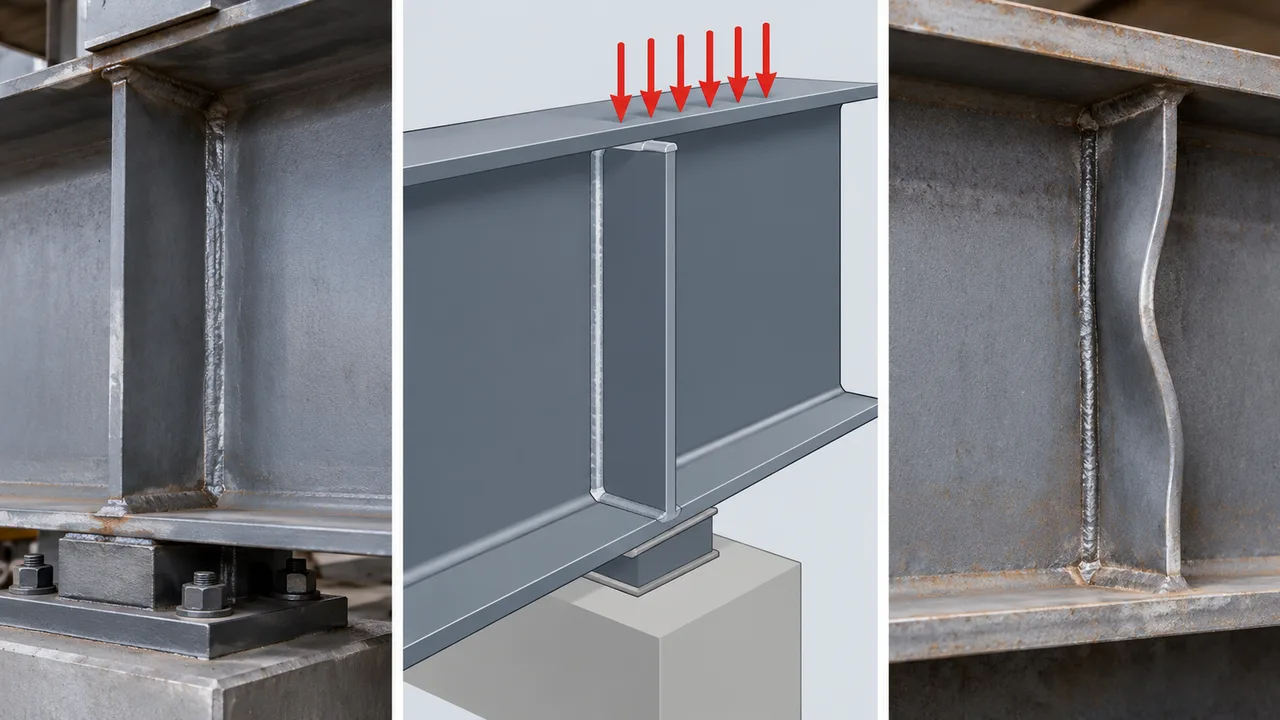
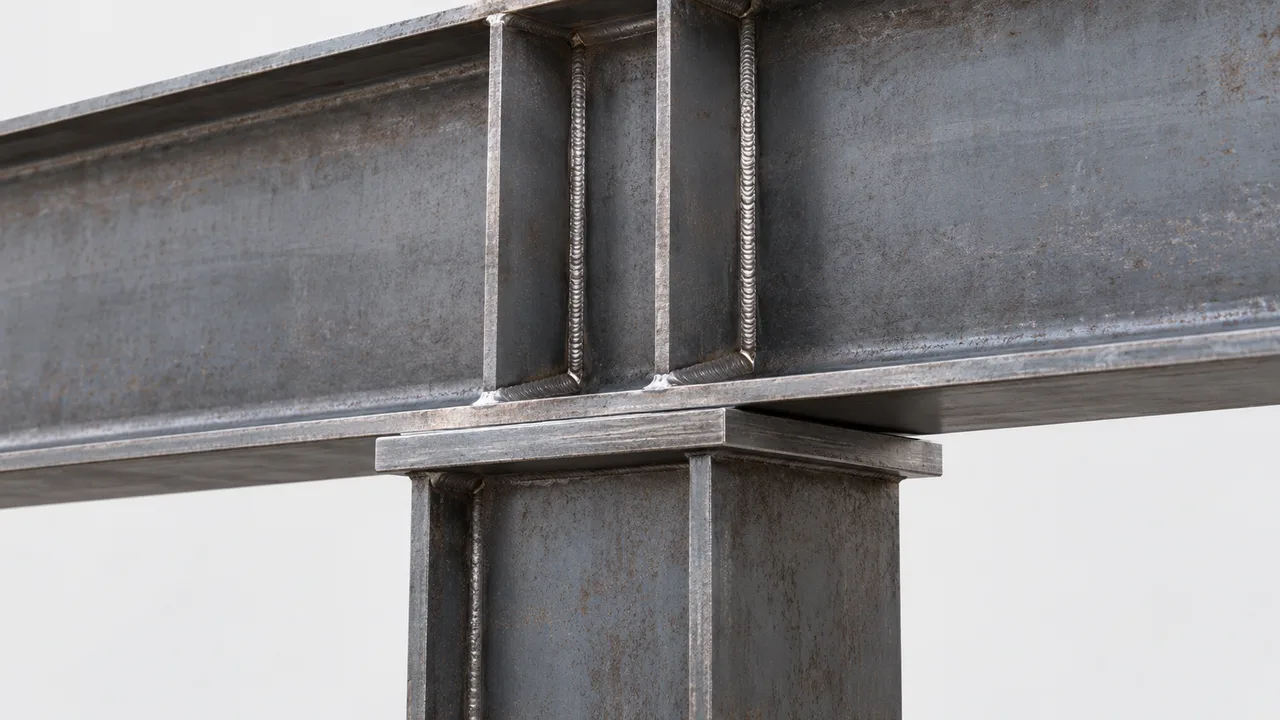
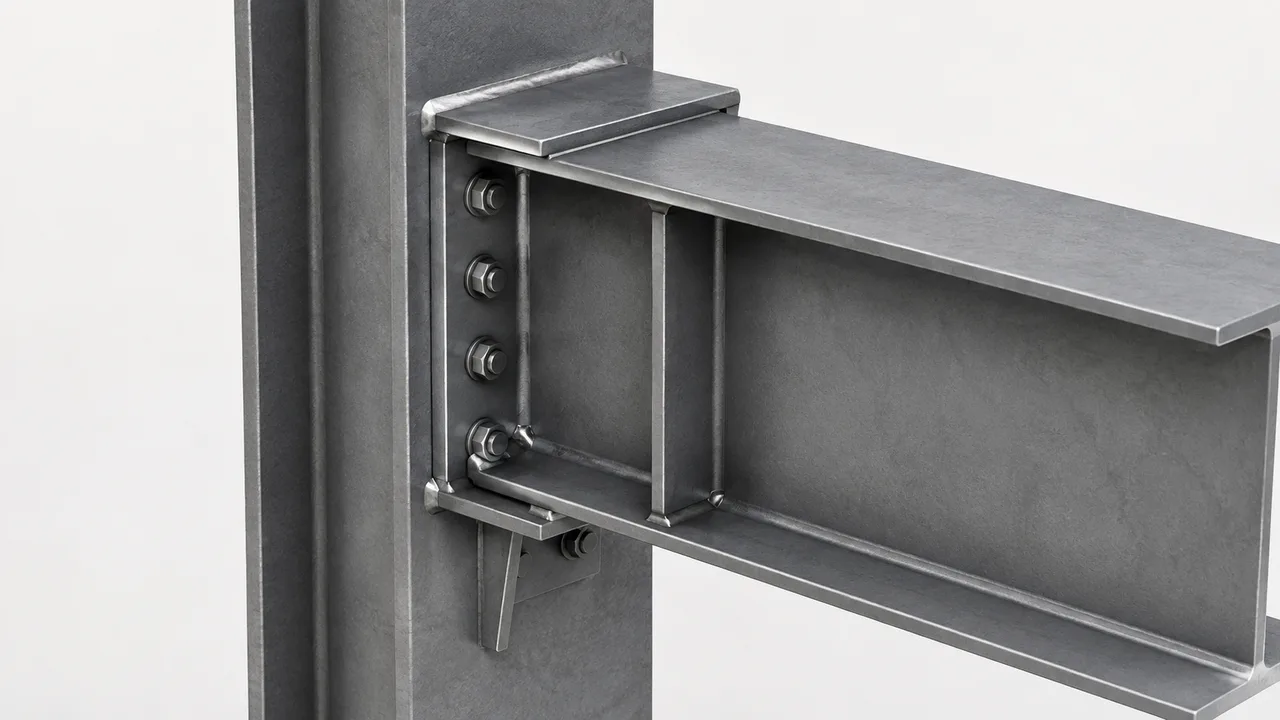
Custom fabrication can incorporate bolted connections, welded connections, base plates, gusset plates, stiffeners, brackets, equipment interfaces, and specialized structural nodes. Connection accuracy is especially important when fabricated steel must interface with concrete foundations, machinery, existing structures, or components produced by other suppliers.
Surface Finish and Corrosion Protection
Surface protection can be selected according to the operating environment and project specifications. Options may include blasting, shop primer, industrial coating systems, and hot-dip galvanizing where appropriate.
Identification and Packaging
Components can be marked according to erection drawings, customer codes, assembly zones, or shipping packages. Organized identification helps installation teams locate the correct components quickly when material reaches the site.
Custom Steel Products and Components We Fabricate
Custom Steel Beams and Columns
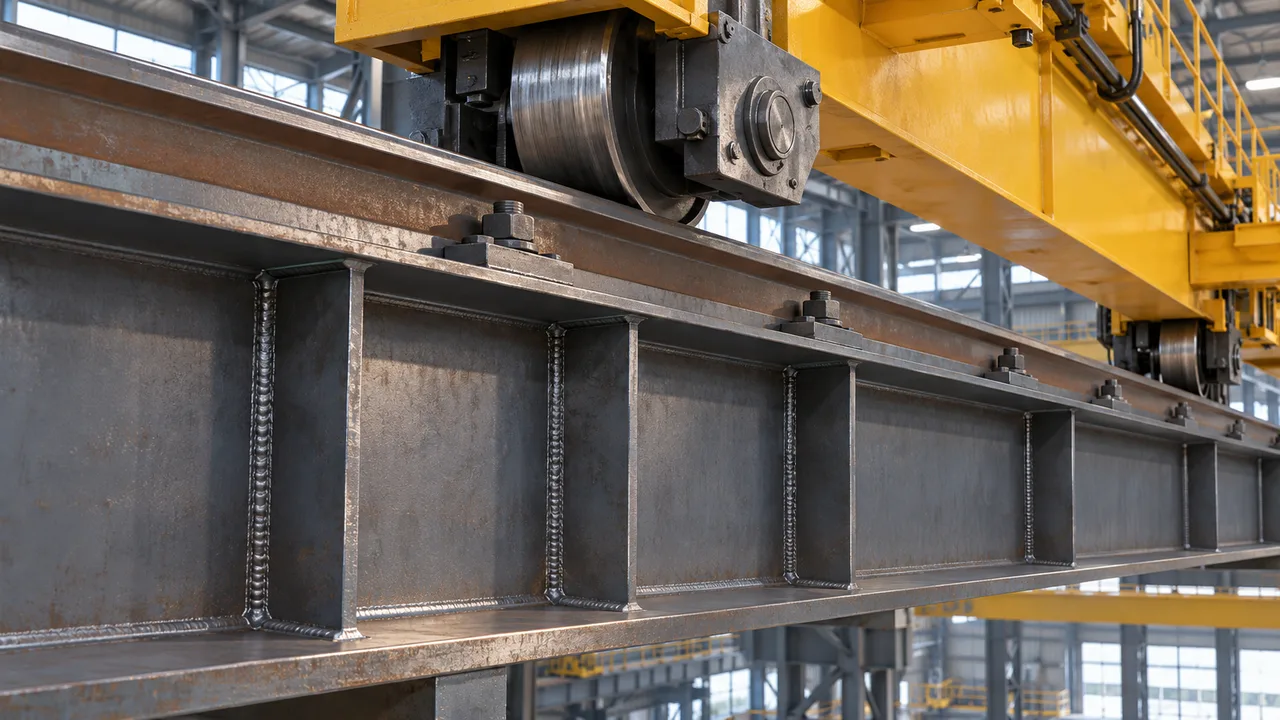
Fabrication capabilities include welded built-up beams, heavy columns, tapered members, variable-depth sections, and other primary structural elements manufactured to project-specific dimensions.
Steel Trusses
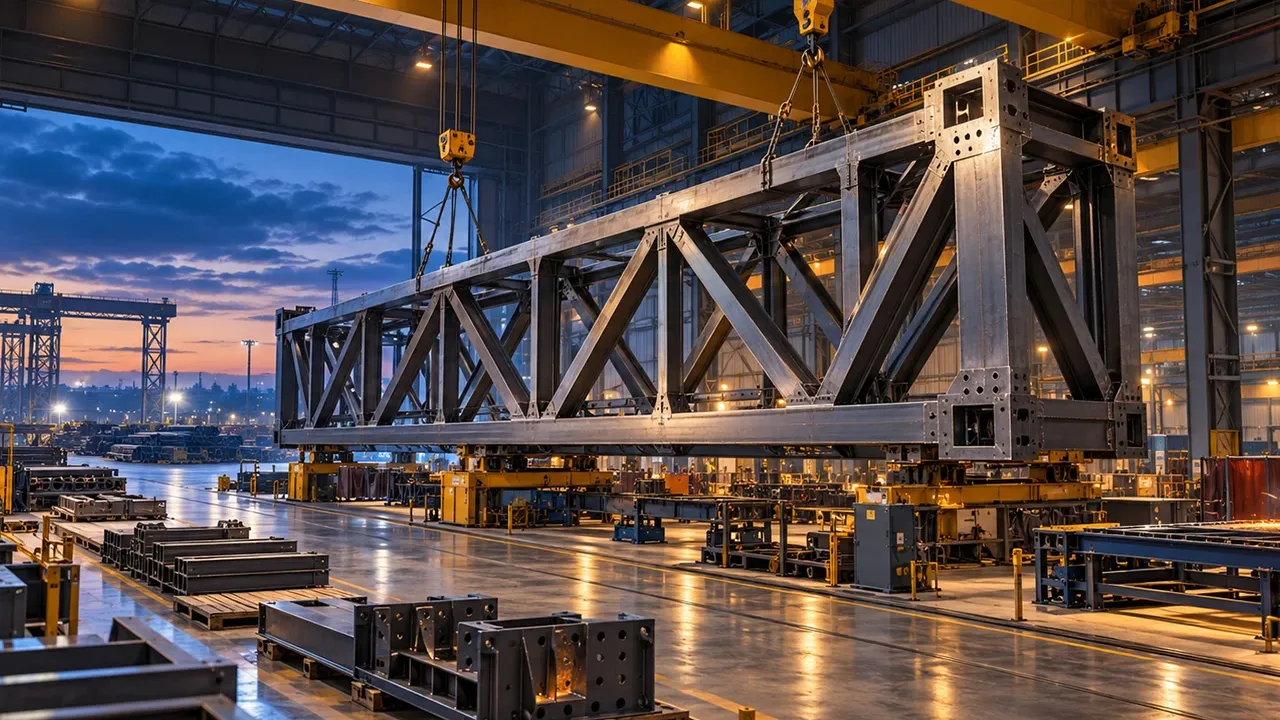
Custom steel trusses can be fabricated for industrial roofs, warehouses, factories, commercial buildings, infrastructure, and large-span applications. Truss geometry, connection details, transportation segmentation, and lifting requirements can be coordinated before production.
Frames and Structural Assemblies
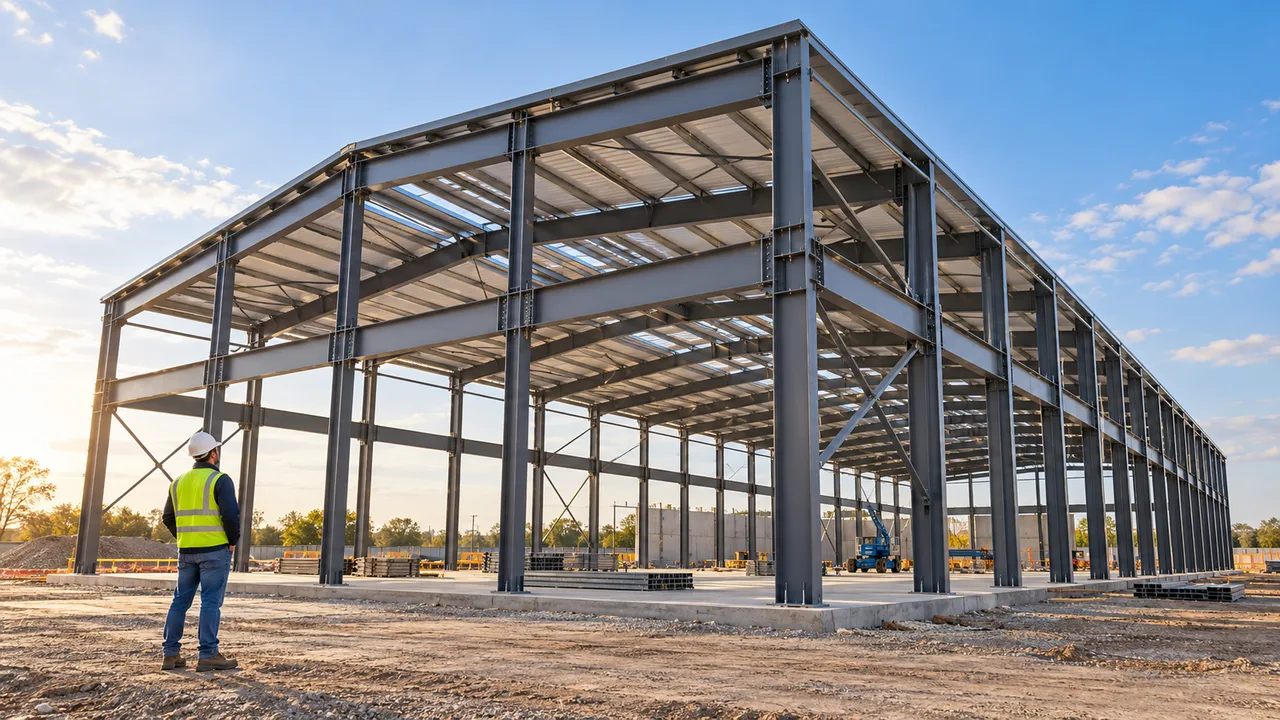
Fabricated assemblies may include portal frames, braced frames, equipment support frames, industrial modules, and other structural systems that combine multiple steel components into coordinated packages.
Plates and Connection Components
Base plates, gusset plates, stiffeners, connection plates, brackets, and other detailed components can be cut and drilled according to project drawings. CNC processing helps maintain consistency where large quantities of similar connection elements are required.
Platforms, Walkways, and Support Structures
Industrial facilities frequently require platforms, maintenance access structures, equipment supports, walkways, and secondary steelwork. These components can be coordinated with the primary structure and equipment layout.
Special-Shaped Steel Components
Projects with architectural or industrial complexity may require curved members, inclined components, irregular assemblies, or specially shaped structural steel. Manufacturing planning considers both fabrication feasibility and transportation limitations.
Industries Supported by Custom Steel Fabrication
Industrial Manufacturing
Manufacturing plants use customized steelwork for production buildings, machinery supports, maintenance platforms, crane structures, process areas, and facility expansions.
Warehousing and Logistics
Warehouses and logistics facilities may require large-span frames, loading structures, mezzanines, canopies, equipment supports, and project-specific connection components.
Construction and Commercial Buildings
Commercial developments can require customized framing for atriums, façades, entrances, roof structures, architectural features, and areas where conventional framing cannot satisfy the intended layout.
Mining and Heavy Industry
Mining and heavy industrial projects frequently involve heavy structural members, equipment platforms, conveyor supports, process structures, maintenance facilities, and components designed for demanding operational conditions.
Energy and Utilities
Energy facilities may use custom-fabricated steel for equipment support structures, platforms, utility buildings, pipe support systems, and specialized structural assemblies.
Agriculture
Agricultural projects can require customized steel for storage buildings, processing facilities, livestock buildings, equipment shelters, and other infrastructure adapted to specific operations.
Infrastructure and Transportation
Transportation and infrastructure projects may require structural frames, canopies, platforms, support structures, and specialized components manufactured according to project-specific engineering requirements.
Our Custom Steel Fabrication Process
Requirement Review
The process begins with drawings, technical specifications, quantities, material requirements, project destination, and expected delivery schedule. Reviewing these inputs establishes the production scope and identifies information that requires clarification.
Engineering and Constructability Review
Technical teams evaluate whether components can be manufactured, transported, handled, and assembled as shown. Particular attention is given to complex joints, tight tolerances, oversized members, shipping divisions, and interfaces with other project systems.
Shop Drawing and Production Coordination
Approved fabrication information is organized into production packages. Component identification, manufacturing sequences, connection details, and assembly relationships are coordinated before materials enter the main fabrication process.
Material Procurement and Preparation
Steel plates, sections, and other required materials are sourced according to approved specifications. Materials are checked before processing, and cutting plans are prepared to support efficient production.
CNC Cutting, Drilling, and Profiling
CNC equipment is used for plate cutting, hole preparation, section processing, profiling, and other precision operations. Automated processing improves repeatability and helps maintain accurate interfaces between fabricated components.
Fit-Up, Welding, and Assembly
Processed components are positioned and assembled according to fabrication drawings before welding. Dimensions, angles, connection locations, and overall geometry are checked throughout this stage.
Surface Treatment
After fabrication and inspection, components proceed to the specified surface treatment. The selected system depends on environmental exposure, service conditions, transportation requirements, and project specifications.
Final Inspection and Packing
Completed components are checked for dimensions, weld condition, surface finish, identification, and quantity before release. They are then organized and packaged according to transportation and installation requirements.
CNC and Precision Fabrication Capabilities
CNC Plate Cutting
Automated cutting allows plates to be processed into connection elements, stiffeners, base plates, gussets, and irregular shapes with consistent dimensions.
CNC Drilling
Accurate hole positioning is critical for bolted structural connections. CNC drilling improves repeatability across components and helps reduce alignment problems during installation.
Section Cutting and Profiling
Structural sections can be processed according to required lengths, angles, profiles, and connection configurations before assembly.
Bevel and Edge Preparation
Where welding details require prepared edges, beveling and edge preparation can be incorporated into the fabrication sequence according to approved welding requirements.
Precision Connection Preparation
Accurate preparation of bolt holes, mating surfaces, plates, and connection interfaces contributes directly to efficient assembly and reduced field modification.
Welding and Assembly for Customized Steelwork
Welding Procedure Control
Welding is performed according to the requirements established for the project. Production planning considers joint configuration, material thickness, welding sequence, access, and inspection requirements.
Complex Joint Fabrication
Special nodes and multi-member connections may require carefully controlled fit-up before welding. Templates, fixtures, dimensional checks, and staged assembly can be used where appropriate.
Heavy Component Welding
Heavy built-up sections and thick plate assemblies require suitable handling, positioning, welding sequences, and production planning to maintain dimensional stability.
Distortion Management
Welding sequence and assembly methods are planned to limit distortion in fabricated components, particularly where long members, heavy welds, or tight connection tolerances are involved.
Weld Inspection
Visual inspection is carried out during fabrication, with additional testing performed when required by project specifications and approved inspection procedures.
Custom Fabrication for Small and Large Production Volumes
One-Off Project Components
Not every fabrication requirement involves mass production. Individual structural components can be produced for specialized projects, unique assemblies, or situations where a particular steel element must match project-specific dimensions.
Small-Batch Fabrication
Small production batches are suitable for repeated custom components, connection packages, structural modules, and phased construction requirements.
Large-Volume Project Manufacturing
For larger projects, production can be divided into coordinated packages according to fabrication priorities and delivery sequences. This supports continuous manufacturing while allowing site installation to progress in planned stages.
Quality Control for Custom Steel Fabrication
Material Verification
Incoming materials are checked against approved specifications before fabrication begins. Relevant documentation and material identification can be maintained according to project requirements.
Dimensional Inspection
Critical dimensions are checked throughout processing, fit-up, welding, and final fabrication. This is particularly important for customized components that must connect accurately with other structural systems.
Welding Inspection
Welds are inspected according to the agreed project requirements before components proceed to finishing and shipment.
Assembly Compatibility Checks
Connection interfaces, bolt-hole locations, mating surfaces, and assembly geometry can be reviewed to reduce incompatibility during site erection.
Surface Treatment Inspection
Surface preparation and protective coatings are checked according to the specified finishing requirements before components are released for packing.
Final Release Before Shipment
Final inspection confirms component quantities, identification, dimensions, finish, and packaging requirements before dispatch.
Managing Tight Tolerances and Complex Interfaces
Critical Dimensions
Bolt-hole positions, base plates, equipment connections, mating surfaces, and interfaces with concrete or existing steelwork require particular attention because small dimensional differences can create significant installation problems.
Trial Fit-Up Where Required
For selected complex assemblies, trial fit-up may be used where appropriate to verify relationships between multiple fabricated components before shipment.
Reducing Site Rework
Resolving dimensional and connection issues during fabrication is generally more efficient than correcting them after components arrive on site. Accurate detailing, controlled processing, and inspection help reduce unnecessary field cutting, drilling, welding, and forced alignment.
Custom Fabrication for Export Projects
Component Segmentation for Shipping
Oversized assemblies may need to be divided into transportable sections. Segmentation should consider structural connections, container dimensions, lifting conditions, and the intended site assembly sequence.
Container and Breakbulk Planning
Shipping methods are selected according to component dimensions, weight, destination, and project schedule. Standard components may be containerized, while oversized or heavy members can be prepared for suitable alternative transport methods.
Export Packaging
Packaging is organized to protect fabricated components during handling and international transportation while maintaining practical access during unloading.
Component Identification
Clear markings connect fabricated pieces with drawings, packing lists, assembly zones, and erection sequences, making site organization more efficient.
Delivery Sequencing for Installation
Where project logistics allow, production and shipment packages can be coordinated with installation priorities so that required components are available in a practical sequence.
Why Choose a Custom Steel Fabrication Service?
- Project-specific production: components are manufactured around actual engineering requirements rather than limited standard configurations.
- Flexible geometry: non-standard dimensions, built-up sections, and complex shapes can be incorporated.
- Accurate interfaces: connection details can be coordinated with foundations, equipment, and other structural packages.
- Flexible production volume: manufacturing can support individual components, small batches, or larger project packages.
- Multiple finishing options: surface protection can be selected according to operating conditions.
- Export-ready preparation: components can be identified, packaged, and organized for international transportation.
Why Choose XTD Steel Structure for Custom Steel Fabrication?
A reliable custom steel fabrication service requires more than cutting and welding equipment. The manufacturer must understand engineering drawings, production tolerances, complex connections, material requirements, transportation limitations, and the practical conditions that influence installation.
- Engineering review and fabrication coordination
- Advanced CNC processing capability
- Heavy and complex structural fabrication
- Controlled welding and assembly processes
- Quality inspection throughout production
- Flexible project-based manufacturing
- International packaging and logistics experience
XTD Steel Structure combines manufacturing capacity with engineering coordination and organized quality management to support customized steelwork for industrial, commercial, agricultural, infrastructure, and international construction projects.
Frequently Asked Questions
What is a custom steel fabrication service?
It is a manufacturing service in which steel components are produced according to project-specific drawings, dimensions, materials, connection details, finishes, and other technical requirements rather than standard product configurations.
Can you fabricate directly from our drawings?
Yes. Fabrication can be based on customer-provided structural drawings, shop drawings, fabrication drawings, and approved technical specifications after the required production review.
Can you manufacture non-standard steel components?
Yes. Custom fabrication can support built-up members, irregular geometries, special connections, heavy assemblies, platforms, trusses, support frames, and other project-specific steel components.
Do you accept small custom production batches?
Yes. The manufacturing scope can be organized around individual components, small batches, phased packages, or larger project quantities depending on the requirements.
Can you fabricate oversized steel components?
Oversized components can be evaluated based on manufacturing capacity, handling requirements, transportation restrictions, and the possibility of dividing the structure into suitable shipping sections.
What surface treatments are available?
Depending on project requirements, options may include blasting, primer systems, industrial coatings, and hot-dip galvanizing where technically appropriate.
Can custom-fabricated steel be prepared for international export?
Yes. Components can be inspected, marked, packaged, documented, and organized according to international shipping and project installation requirements.
Request a Custom Steel Fabrication Quote
If your project requires non-standard structural components, specialized connections, complex assemblies, or project-specific steelwork, our custom steel fabrication service can be organized around your technical and delivery requirements. Send your drawings, specifications, material requirements, quantities, surface treatment requirements, destination, and expected schedule so the fabrication scope can be evaluated and prepared for production.
“`