Why Experience Matters in Steel Structure Manufacturing
Experience in steel structure manufacturing is not measured only by how long a company has operated. It is reflected in how the manufacturer handles real project conditions: changing drawings, special spans, crane requirements, local design loads, export packing, tight delivery schedules, and site installation limitations.
A less experienced supplier may be able to fabricate standard members, but complex projects require more than cutting and welding. The manufacturer must understand member grouping, connection tolerance, bolt-hole accuracy, shop drawing coordination, surface treatment requirements, and the sequence in which components will be installed.
When these factors are managed properly, the project becomes easier to control. Fabrication mistakes are reduced, missing components are easier to avoid, and the installation team receives steel members that are clearly marked and ready for efficient assembly.
What Defines an Experienced Steel Structure Manufacturer?
Proven Project Understanding
A capable manufacturer begins by understanding how the structure will be used. A warehouse with high-bay racking, a factory with crane operation, a workshop with production equipment, and a commercial building with wide interior circulation all require different structural priorities.
Important project factors include building span, height, column spacing, load requirements, roof and wall system, equipment layout, transportation conditions, and future expansion. An experienced team can review these details early and help identify practical issues before production begins.
Strong Engineering and Detailing Coordination
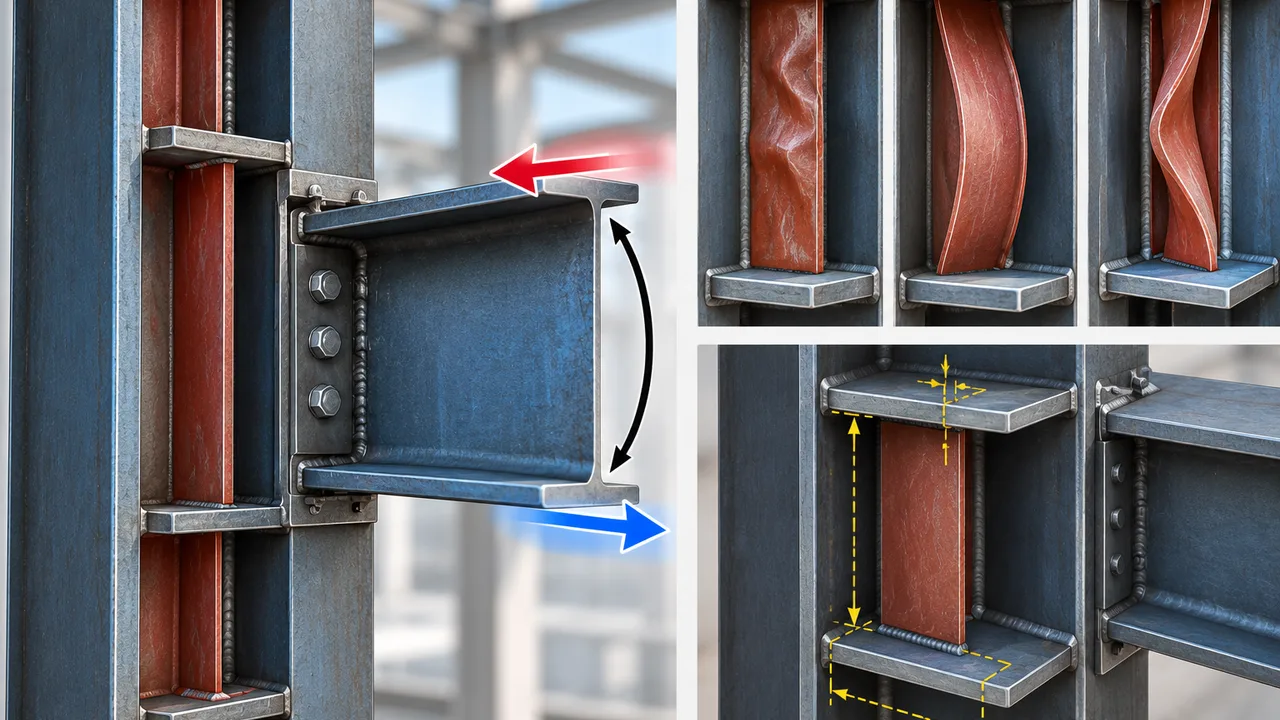
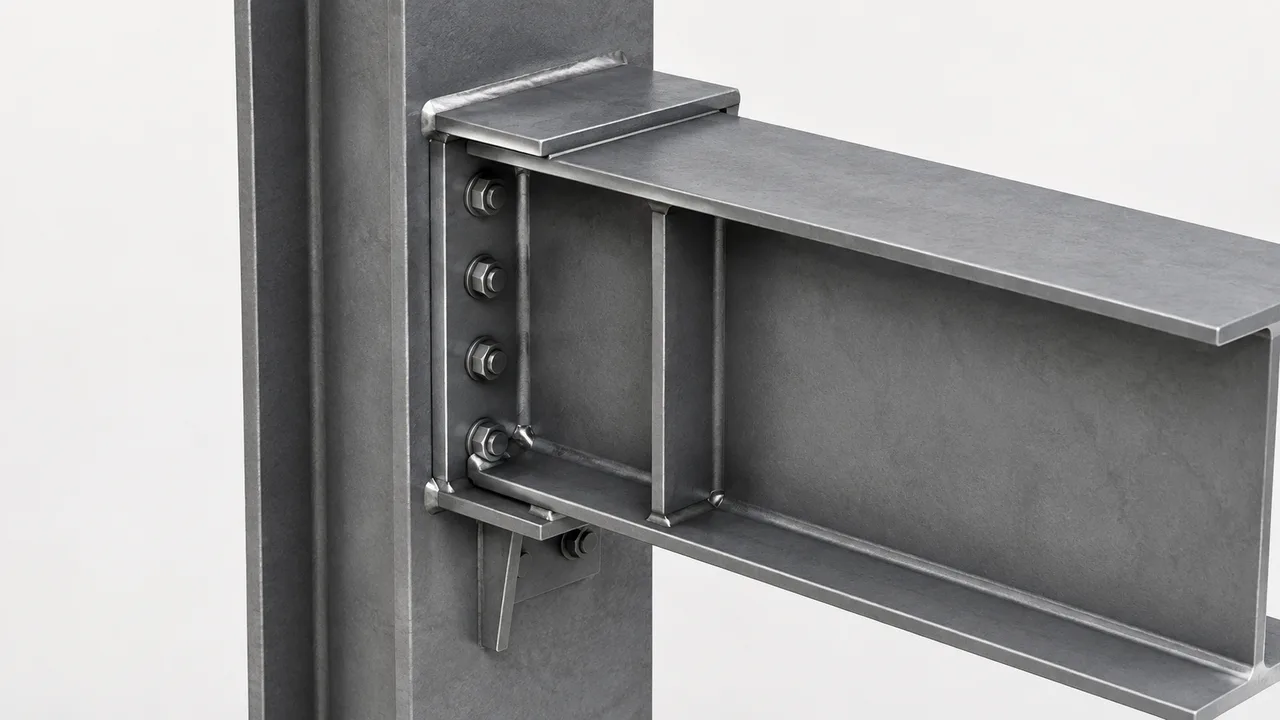
Steel structure manufacturing depends heavily on accurate drawings. Structural design, shop drawings, connection details, bolt positions, member lengths, base plates, bracing systems, and secondary steel elements must be coordinated before fabrication.
This coordination reduces conflicts during assembly. It also helps ensure that fabricated components match the intended erection sequence, crane access, container loading plan, and site installation method.
Practical Manufacturing Capability
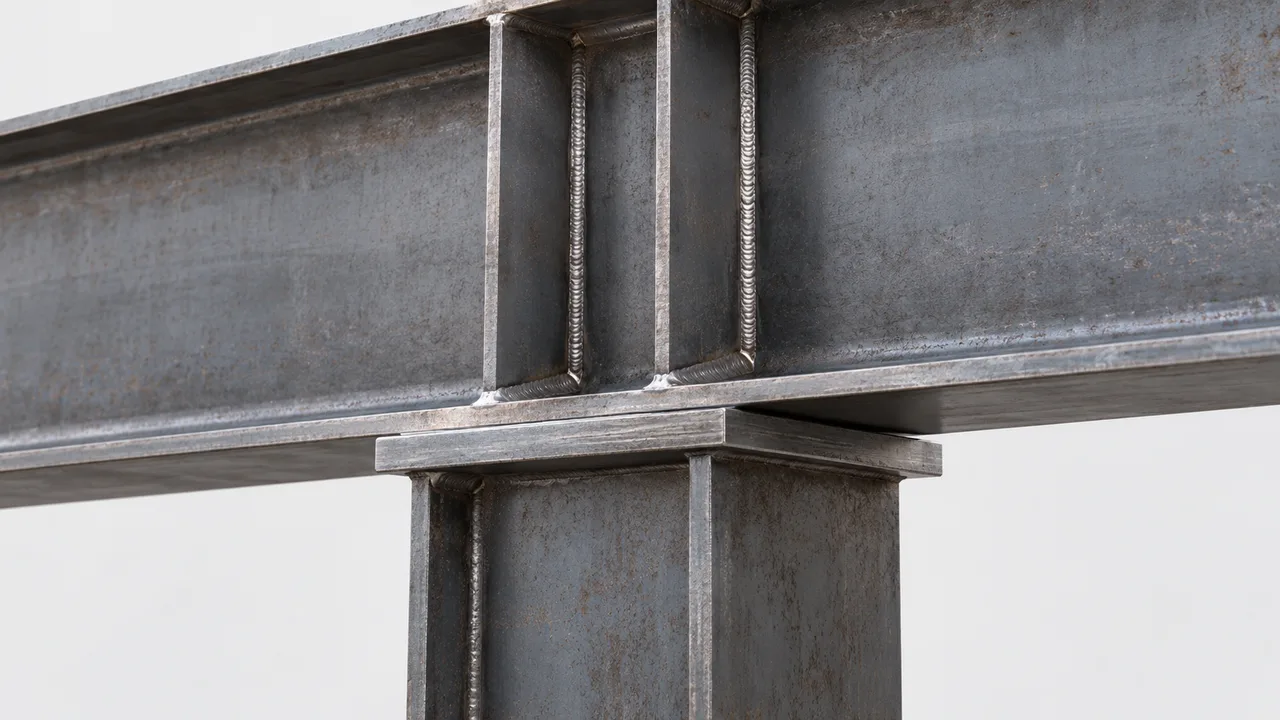
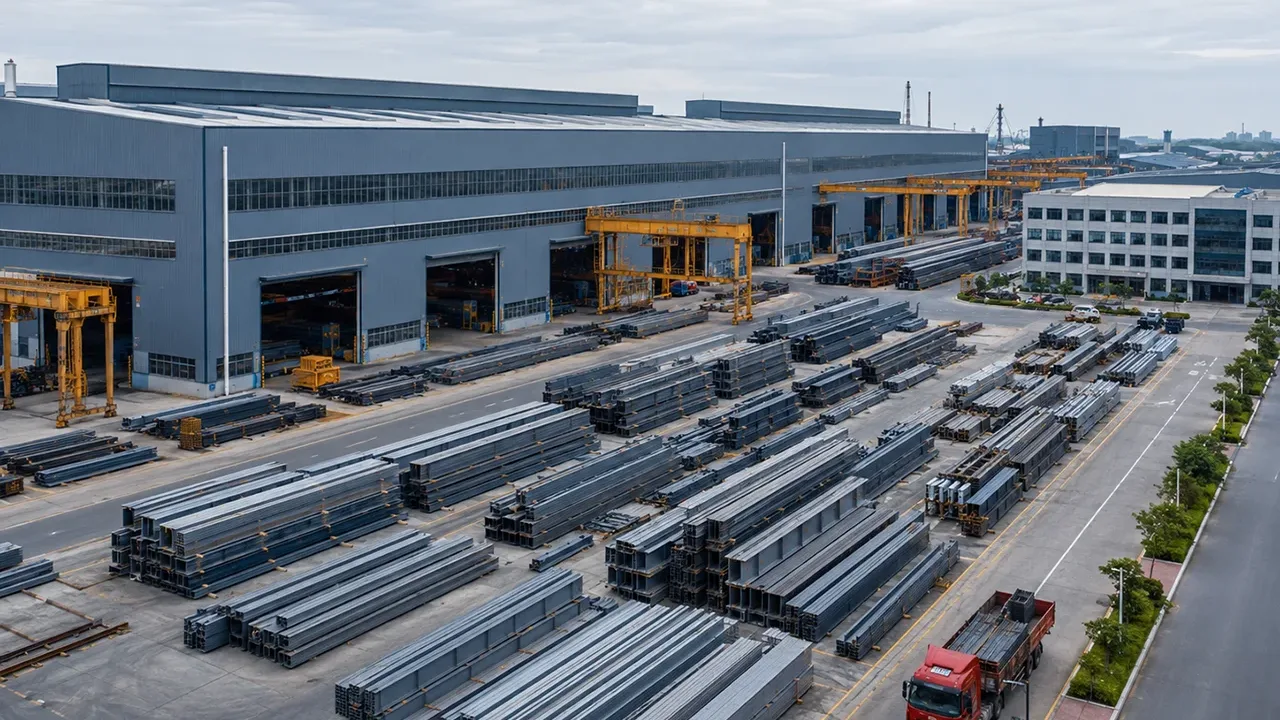
Factory capability is another key indicator of experience. CNC cutting, drilling, welding, assembly, surface treatment, inspection, and packing should follow a controlled process. Accurate production helps components fit together properly and reduces the need for unexpected correction on site.
A reliable experienced steel structure manufacturer does not treat fabrication as a disconnected factory task. Production is planned with the final construction process in mind.
Manufacturing Experience Across Different Steel Structure Projects
Industrial Buildings and Workshops
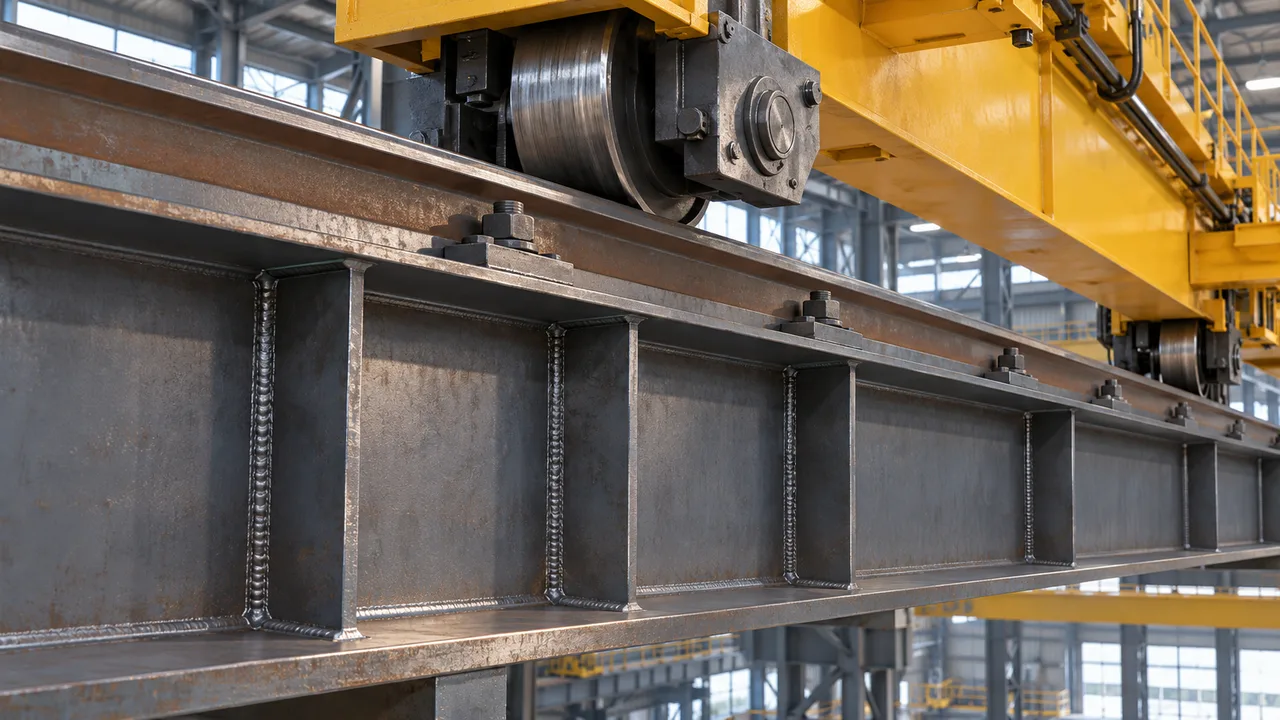
Industrial buildings and workshops often require practical structural layouts for machines, production lines, maintenance access, crane systems, and material movement. The steel frame must support daily operation without limiting workflow.
Manufacturing experience is important because industrial projects often involve stronger columns, crane beams, reinforced connections, wider spans, and more demanding load conditions than simple storage buildings.
Warehouses and Logistics Facilities
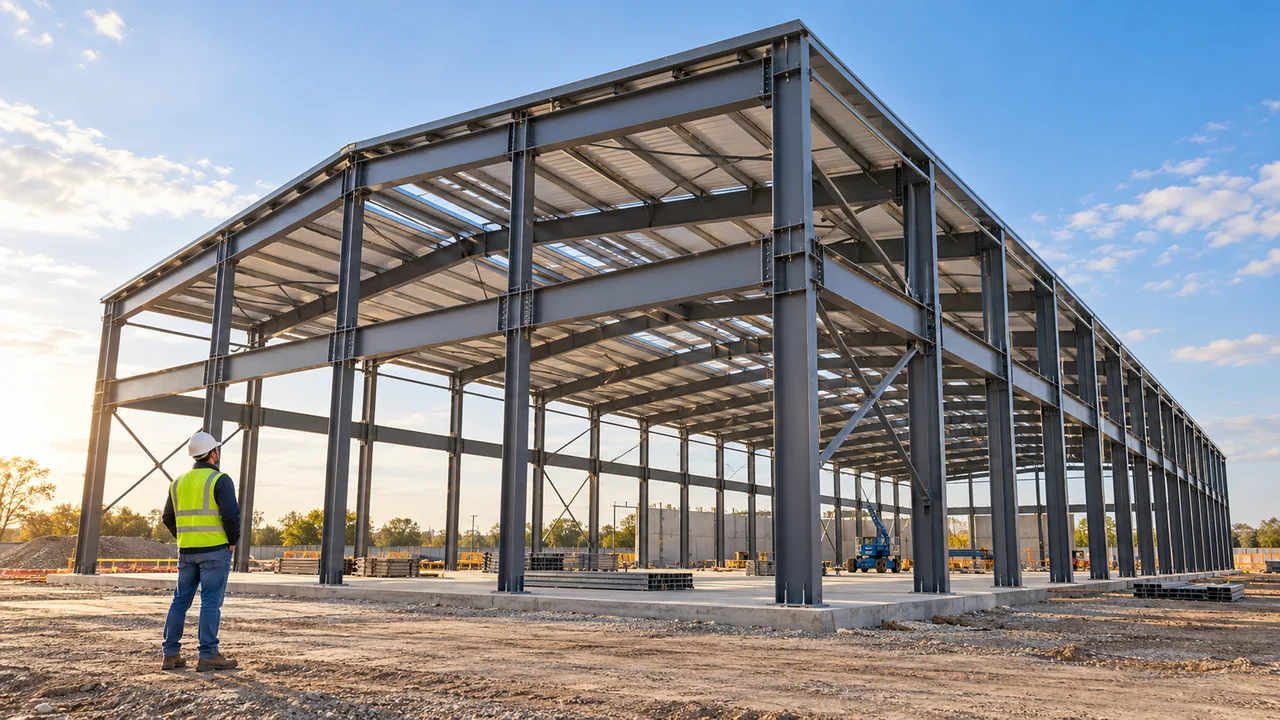
Warehouses and logistics facilities need clear space, efficient loading areas, durable roof and wall systems, and layout flexibility. For large-span warehouses, distribution centers, and high-bay storage facilities, column placement and frame design affect how goods move inside the building.
An experienced manufacturer can support warehouse projects by coordinating structural components with loading docks, internal traffic, racking layouts, expansion planning, and delivery sequence.
Special Steel Structures and Custom Projects
Some steel structure projects require non-standard solutions such as trusses, space frames, corridors, industrial platforms, pipe racks, bridge-related structures, or customized architectural steel forms. These projects often require closer engineering review and more careful fabrication segmentation.
For custom steel structures, manufacturing experience helps control dimensional accuracy, welding sequence, transportation limitations, lifting points, and installation coordination.
Quality Control as a Core Manufacturer Advantage
Quality control is one of the clearest differences between a basic fabricator and an experienced steel structure manufacturer. Steel components must not only be produced quickly; they must be produced accurately and consistently according to project requirements.
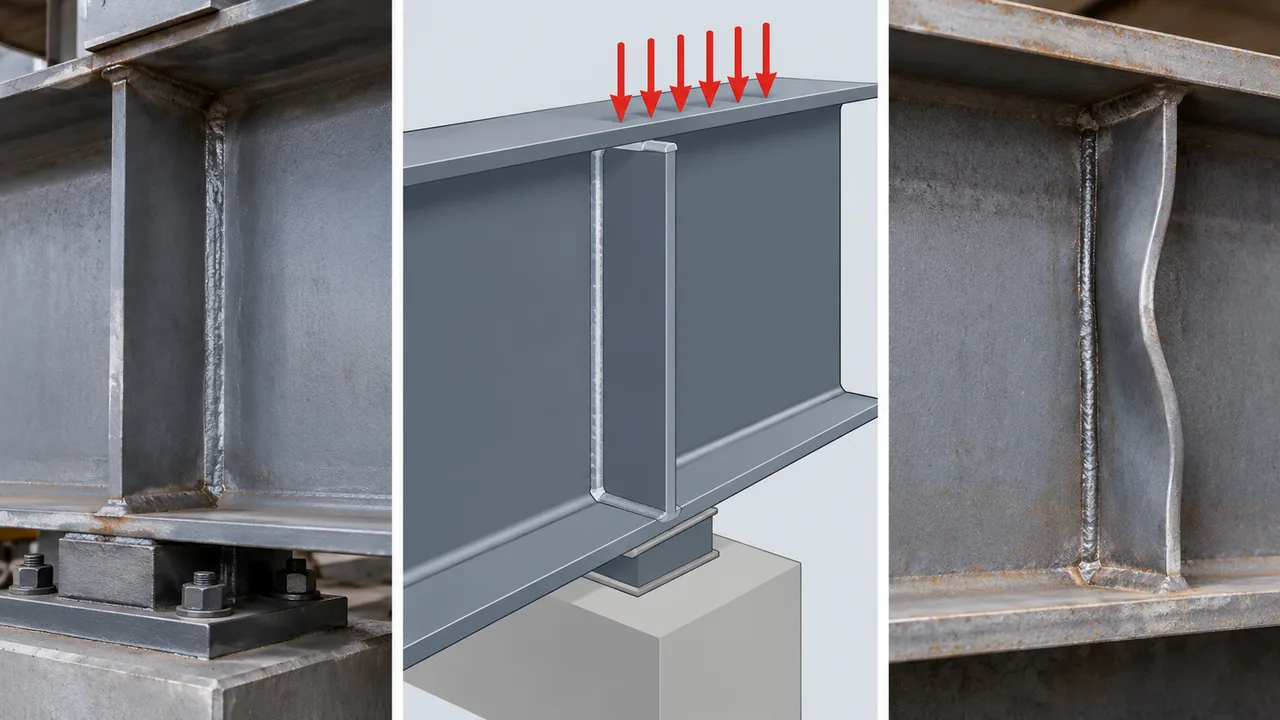
Quality management can include material certificate review, dimensional inspection, welding checks, bolt-hole verification, connection tolerance control, surface treatment inspection, component marking, and pre-shipment review.
| Quality Control Area | Why It Matters | Project Impact |
|---|---|---|
| Material Verification | Confirms steel grade and material compliance | Supports structural reliability and traceability |
| Dimensional Inspection | Checks member length, hole position, and plate geometry | Reduces installation mismatch and site correction |
| Welding Inspection | Reviews weld quality and fabrication consistency | Improves connection strength and production reliability |
| Surface Treatment Check | Confirms coating, blasting, or galvanizing requirements | Helps protect steel members against corrosion |
| Component Marking | Identifies members according to drawings and erection sequence | Makes site installation faster and more organized |
| Pre-Shipment Review | Checks packing, labels, and component completeness | Reduces missing parts and delivery confusion |
From Engineering Review to Factory Production
Requirement Review Before Production
Before fabrication begins, the manufacturer should review drawings, project location, building use, structural load requirements, delivery schedule, and site limitations. This review helps clarify whether the design is ready for production or whether some details need further coordination.
For export projects, additional planning may include container size, packing method, component length, shipping sequence, and documentation requirements.
Fabrication Planning and Production Sequence
Production planning connects the factory process with construction needs. Components should be grouped logically, marked clearly, and manufactured in a sequence that supports installation. Columns, beams, bracing, purlins, panels, bolts, and accessories should be organized to reduce confusion on site.
This is especially important for larger projects where many similar components must be distinguished accurately during erection.
Final Inspection and Export Preparation
Before shipment, steel components should be checked for completeness, marking clarity, coating condition, packing strength, and loading arrangement. Good export preparation helps protect the steel during transportation and makes unloading easier when the materials arrive at the project site.
Why Experienced Manufacturers Reduce Project Risk
Steel structure projects involve many connected stages. A mistake in detailing can affect fabrication. A fabrication error can affect installation. A poor packing sequence can delay site progress. An experienced manufacturer understands these relationships and manages production with the full project process in mind.
- Less rework because drawings, dimensions, and connections are reviewed before production
- Better installation efficiency because components are marked and packed according to project needs
- Clearer communication between engineering, factory production, logistics, and the client
- Better cost predictability by reducing avoidable correction and site delays
- Smoother export delivery through organized packing, labeling, and shipment planning
- More reliable performance through controlled fabrication and quality inspection
Choosing the Right Steel Structure Manufacturer
When selecting a manufacturer, buyers should look beyond price alone. Low initial cost can become expensive if fabrication accuracy, quality control, communication, or delivery planning is weak.
A practical supplier evaluation should include project experience, engineering coordination ability, production capacity, equipment capability, quality control process, export experience, customization ability, and installation support. For international projects, communication clarity and shipment organization are also important.
The right manufacturer should be able to explain the production process, identify critical project details, and support the client with practical technical input instead of only quoting steel tonnage.
How XTD Steel Structure Supports Steel Structure Projects
XTD Steel Structure supports steel structure projects through engineering coordination, steel processing, fabrication, welding, drilling, surface treatment, inspection, packing, and delivery planning. This integrated support helps connect design information with factory production and project execution.
As an experienced steel structure manufacturer, the company can work with different building types, including industrial workshops, warehouses, commercial buildings, prefabricated steel buildings, and customized steel structures. Project support can be adjusted according to drawings, site conditions, load requirements, and delivery expectations.
Recommended Information to Prepare Before Inquiry
Clear project information helps the manufacturer respond with a more accurate proposal. Before sending an inquiry, it is useful to prepare the basic details that influence design, fabrication, and cost.
- Building size, including length, width, and height
- Project location and local design conditions
- Building use, such as warehouse, factory, workshop, or commercial facility
- Required span, column spacing, and clear height
- Load requirements, crane needs, or equipment layout
- Roof and wall panel preferences
- Drawings, sketches, or reference layouts if available
- Expected delivery schedule and project timeline
With these details, the manufacturer can better review the project and recommend a practical steel structure solution.
Experienced Steel Structure Manufacturer FAQs
What makes a steel structure manufacturer experienced?
A manufacturer can be considered experienced when it can coordinate engineering details, fabricate accurately, manage quality control, prepare components for installation, and support different project requirements based on practical production and delivery knowledge.
Why is manufacturer experience important for export projects?
Export projects require careful packing, component marking, container planning, documentation, and delivery coordination. Experience helps reduce missing parts, damaged components, shipment confusion, and installation delays after materials arrive on site.
Can an experienced manufacturer handle custom steel structures?
Yes. Custom steel structures can be manufactured when engineering details, fabrication segmentation, welding requirements, transportation limits, and installation methods are reviewed before production.
How does quality control affect installation?
Quality control helps ensure that members are produced with correct dimensions, hole positions, connection details, coating quality, and markings. This makes site assembly faster and reduces unexpected modification during installation.
What information is needed for quotation?
Basic quotation information usually includes building size, project location, building use, drawings if available, load requirements, roof and wall system preferences, crane needs, and delivery schedule.
Work With an Experienced Steel Structure Manufacturer
Working with an experienced steel structure manufacturer helps reduce project risk from the early design stage through fabrication, packing, delivery, and installation preparation. For buyers planning industrial buildings, warehouses, workshops, commercial steel structures, or customized projects, experience can make the difference between a difficult supply process and a more controlled project workflow.
Share your drawings, project location, building function, required dimensions, load conditions, and delivery timeline to start developing a steel structure manufacturing solution that fits your project requirements.