What Is Heavy Duty Steel Structure Construction?
Definition
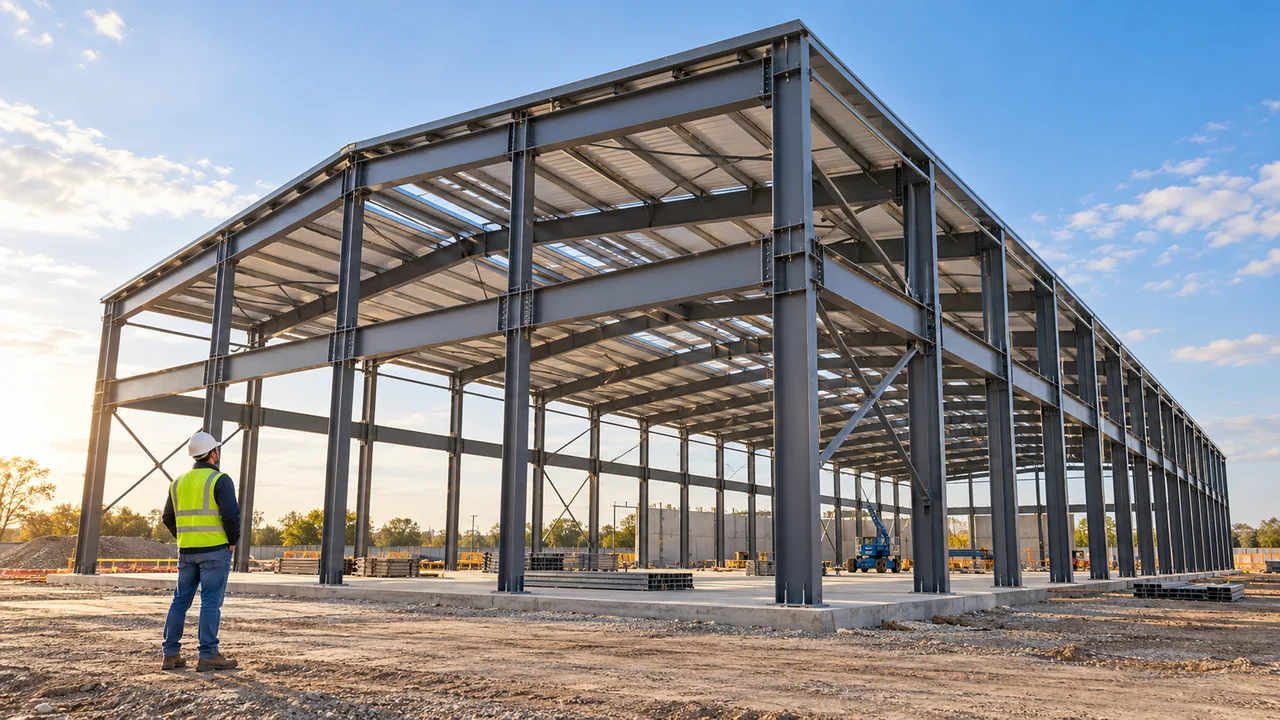
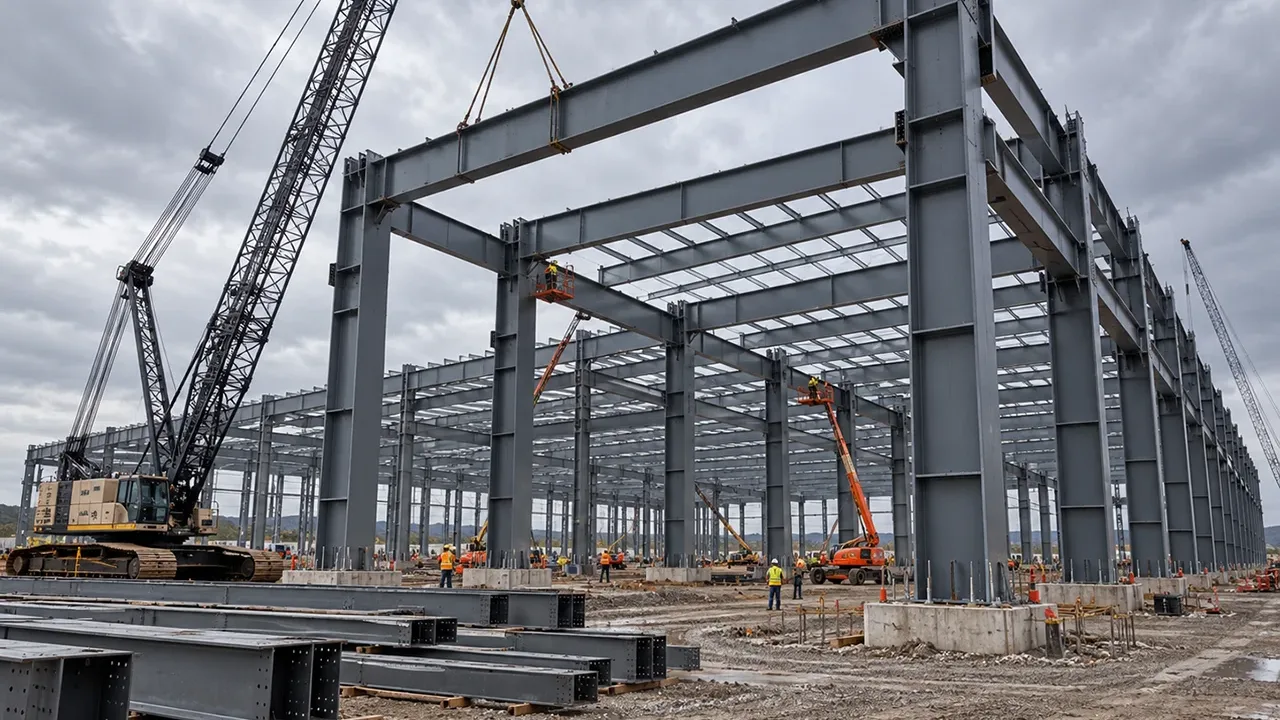
Heavy duty steel structure construction refers to the engineering, fabrication, and installation of steel buildings and structural systems designed to support exceptionally high structural loads. These projects typically require larger structural members, reinforced connections, thicker steel plates, and specialized fabrication techniques compared to standard steel buildings.
Heavy-duty structures are commonly used where equipment loads, crane operations, vibration, wind forces, or future expansion requirements exceed the capabilities of conventional steel construction.
Designed for Demanding Applications
Heavy-duty structures are engineered to perform under continuous operational stress. The design process considers equipment loads, live loads, seismic requirements, wind resistance, fatigue performance, and long-term structural stability.
Each project is customized according to operational requirements, ensuring that the structure supports both current production needs and future business growth.
Key Structural Components
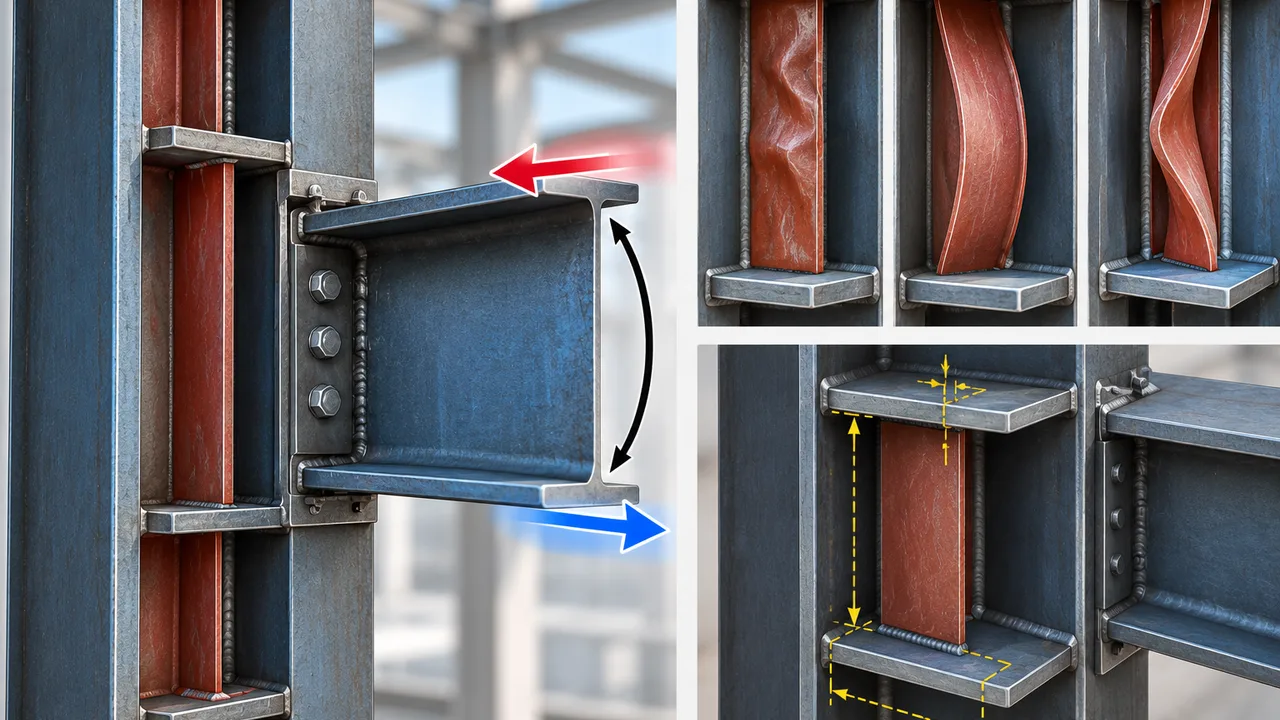
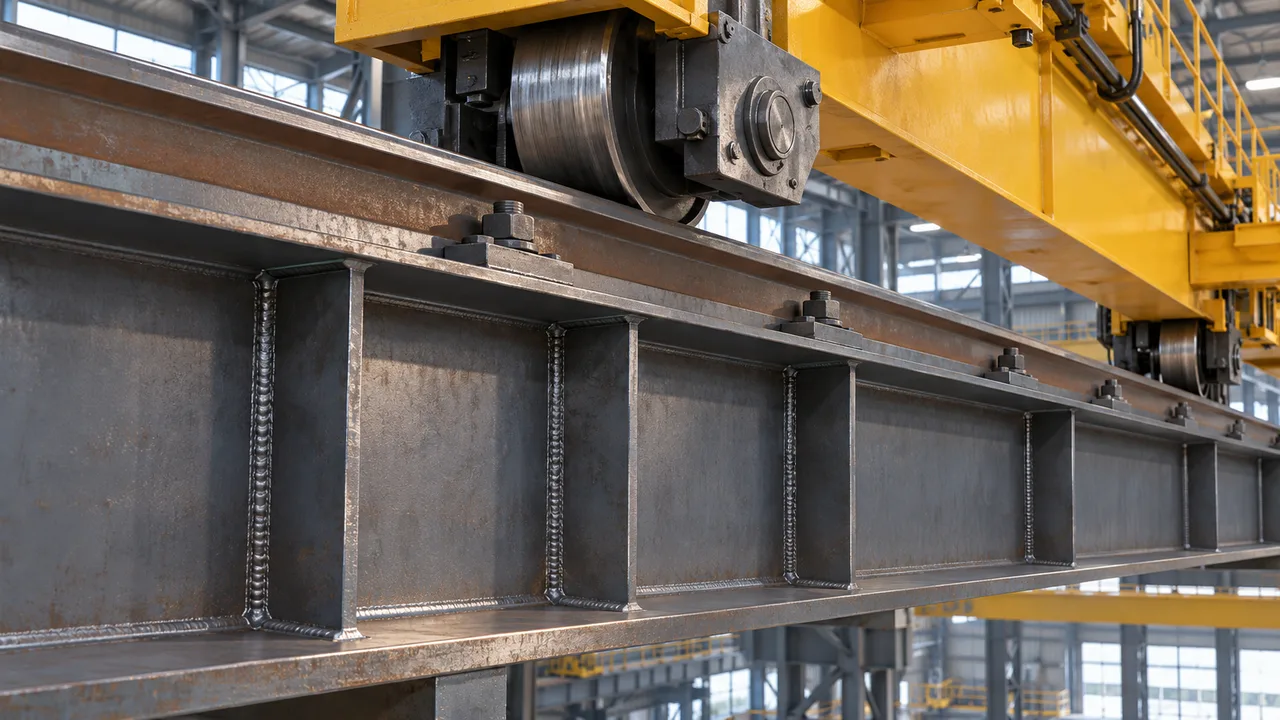
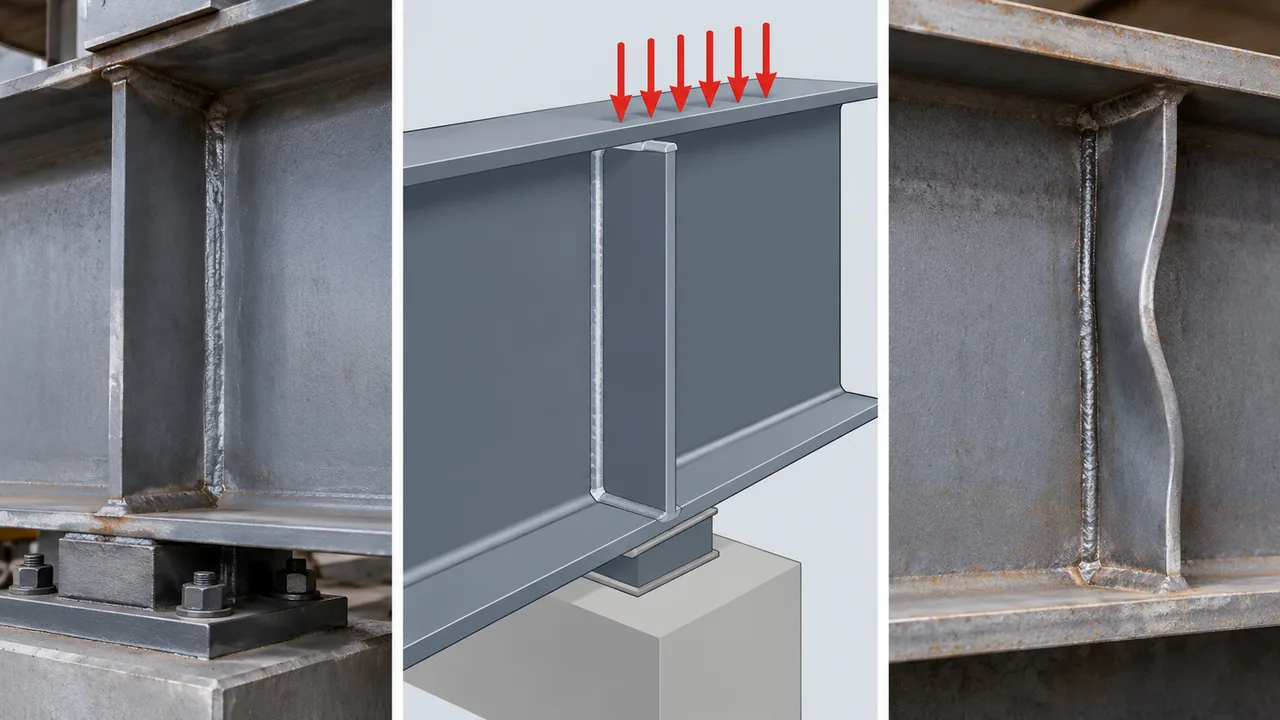
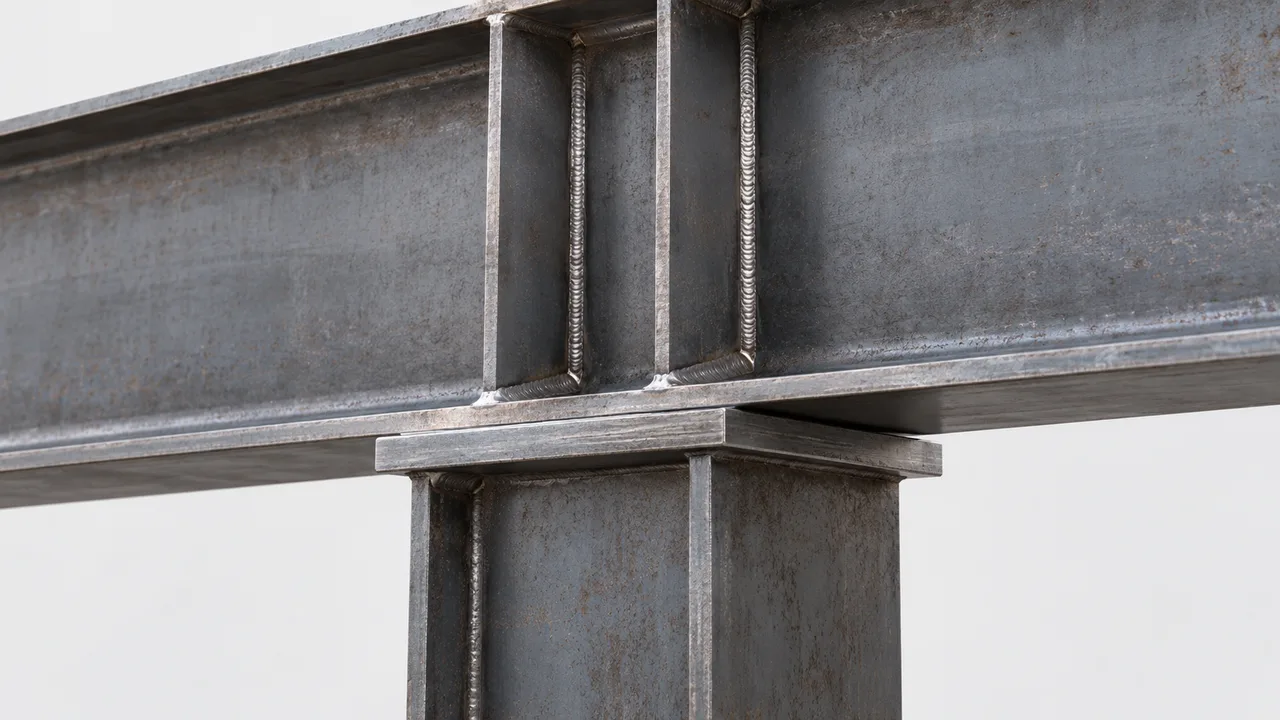
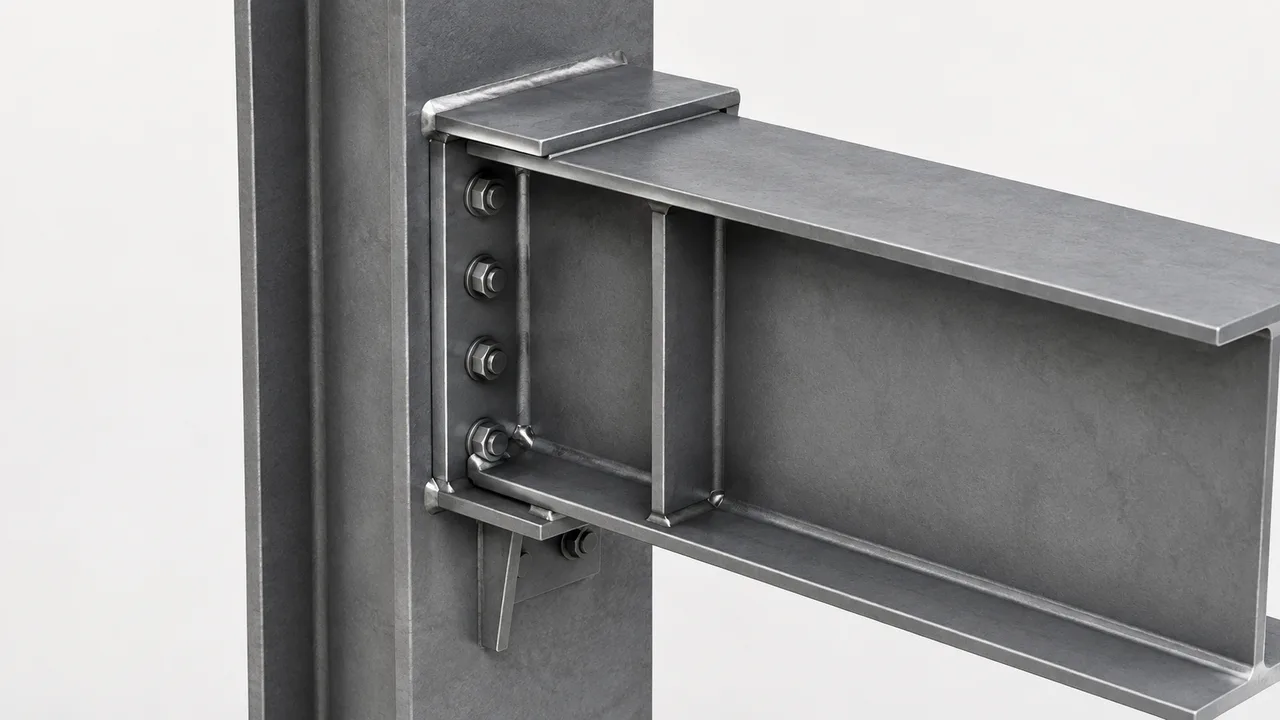
Heavy-duty steel construction typically includes heavy steel columns, wide-flange beams, built-up girders, box columns, steel trusses, crane girders, bracing systems, reinforced base plates, connection plates, and high-strength bolted or welded joints.
These components work together to create rigid, stable structural systems capable of supporting heavy industrial operations for decades.
Key Features of Heavy Duty Steel Structures
High Load Capacity
The primary advantage of heavy-duty construction is its ability to safely support substantial structural loads. Buildings can accommodate heavy production equipment, bridge cranes, storage systems, industrial platforms, and large-span roof systems without compromising structural performance.
Excellent Structural Stability
Heavy steel framing provides excellent resistance against vertical loads, lateral forces, wind pressure, seismic activity, and equipment vibration. Proper engineering minimizes structural movement and improves operational reliability.
Large Clear Span Design
Many industrial facilities require unobstructed interior spaces. Heavy-duty steel systems allow large clear spans that maximize production flexibility while reducing the need for interior columns.
Future Expansion Capability
Industrial businesses often expand over time. Heavy-duty steel buildings can be designed with future expansion in mind, allowing additional bays, production lines, storage areas, or equipment installations with minimal disruption.
Long Service Life
With proper engineering, protective coatings, corrosion protection, and maintenance planning, heavy-duty steel structures provide reliable performance throughout long operating lifecycles.
Heavy Duty Steel Structure Construction Solutions
Industrial Manufacturing Plants
Manufacturing facilities require structures capable of supporting production equipment, crane systems, heavy machinery, ventilation systems, and utility installations. Heavy steel framing provides the strength necessary for continuous industrial operation.
Heavy Equipment Manufacturing
Factories producing construction equipment, machinery, transportation equipment, or large industrial products require reinforced structural systems capable of supporting oversized manufacturing processes.
Mining and Energy Facilities
Mining plants, mineral processing facilities, power generation stations, and energy infrastructure demand structures capable of supporting heavy mechanical equipment while operating in challenging environments.
Large Logistics Centers
Heavy-duty steel construction is suitable for logistics hubs with automated storage systems, high-capacity shelving, loading equipment, and heavy freight operations.
Infrastructure Projects
Steel structures are widely used for transportation terminals, industrial platforms, equipment support structures, bridges, utility buildings, and other infrastructure requiring exceptional structural performance.
Engineering and Fabrication Capabilities
Structural Engineering
Every project begins with comprehensive engineering analysis. Load calculations, connection design, member sizing, foundation coordination, transportation planning, and installation sequencing are carefully developed before fabrication begins.
Heavy Steel Fabrication
Modern CNC equipment processes thick steel plates, large structural sections, box columns, welded girders, trusses, and custom structural assemblies with high dimensional accuracy.
Advanced Welding Procedures
Heavy structural members require qualified welding procedures that meet project specifications. Welding quality is monitored throughout production to ensure reliable structural performance.
Surface Protection
Protective coatings, industrial paint systems, and hot-dip galvanizing can be applied according to project requirements to improve corrosion resistance and extend service life.
Benefits of Heavy Duty Steel Structure Construction
Supports Heavy Industrial Operations
Heavy-duty structures safely accommodate demanding production environments with large equipment, heavy loads, and continuous operation.
Improves Operational Efficiency
Large clear spans and optimized layouts provide flexible production spaces that improve workflow and equipment arrangement.
Reduces Long-Term Maintenance
High-quality fabrication and protective systems help reduce maintenance requirements while increasing structural durability.
Faster Construction Compared to Conventional Methods
Although the structural members are significantly larger, prefabrication allows much of the work to be completed before arriving on site, reducing installation time compared to traditional construction methods.
Excellent Return on Investment
Long service life, expansion flexibility, and operational efficiency contribute to lower lifecycle costs and improved investment value.
Quality Assurance and Safety
Material Inspection
Structural steel materials are verified before production to ensure compliance with engineering specifications and project standards.
Dimensional Verification
Critical dimensions, hole locations, connection details, and fabrication tolerances are inspected throughout manufacturing.
Welding Inspection
Qualified inspection procedures verify weld quality before protective coating systems are applied.
Protective Coating Inspection
Surface preparation, coating thickness, and corrosion protection systems are inspected to ensure long-term durability.
Installation Readiness
Components are identified, packaged, documented, and organized according to installation sequences to improve construction efficiency.
Industries We Serve
- Heavy manufacturing facilities
- Mining operations
- Power generation plants
- Oil and gas facilities
- Large logistics centers
- Infrastructure projects
- Transportation facilities
- Industrial processing plants
Why Choose XTD Steel Structure?
XTD Steel Structure combines engineering expertise, advanced heavy steel fabrication, precision manufacturing, quality management, and international project experience to deliver reliable structural solutions for demanding industrial applications.
- Complete structural engineering support
- Advanced CNC heavy steel fabrication
- High-capacity manufacturing facilities
- Comprehensive quality inspection procedures
- Export packaging and global logistics support
- Extensive experience with complex industrial projects
Frequently Asked Questions
What makes heavy-duty steel construction different from standard steel construction?
Heavy-duty construction uses larger structural members, reinforced connections, higher load capacities, and specialized engineering for demanding industrial applications.
Can heavy-duty steel buildings support overhead cranes?
Yes. Structures can be engineered to accommodate overhead bridge cranes, crane runways, and other heavy lifting systems according to project requirements.
Is heavy-duty steel construction suitable for large-span buildings?
Yes. Heavy steel framing is widely used for factories, warehouses, aircraft hangars, logistics centers, and industrial buildings requiring large column-free spaces.
Can the building be expanded in the future?
Yes. Many heavy-duty steel buildings are designed with future expansion in mind, allowing additional structural bays and production areas to be added efficiently.
Do you support international industrial projects?
Yes. We provide engineering support, fabrication, quality inspection, export packaging, logistics coordination, and technical assistance for international projects.
Request a Quote for Heavy Duty Steel Structure Construction
Every heavy industrial project requires reliable engineering, precision manufacturing, strict quality control, and coordinated project execution. Our heavy duty steel structure construction solutions are designed to meet demanding structural requirements while supporting efficient installation and long-term operational performance.
Share your architectural drawings, structural requirements, equipment loads, crane specifications, project location, and construction schedule. Our engineering team will prepare a customized heavy steel structure solution tailored to your project.