What Is Heavy Steel Fabrication?
Definition of Heavy Steel Fabrication
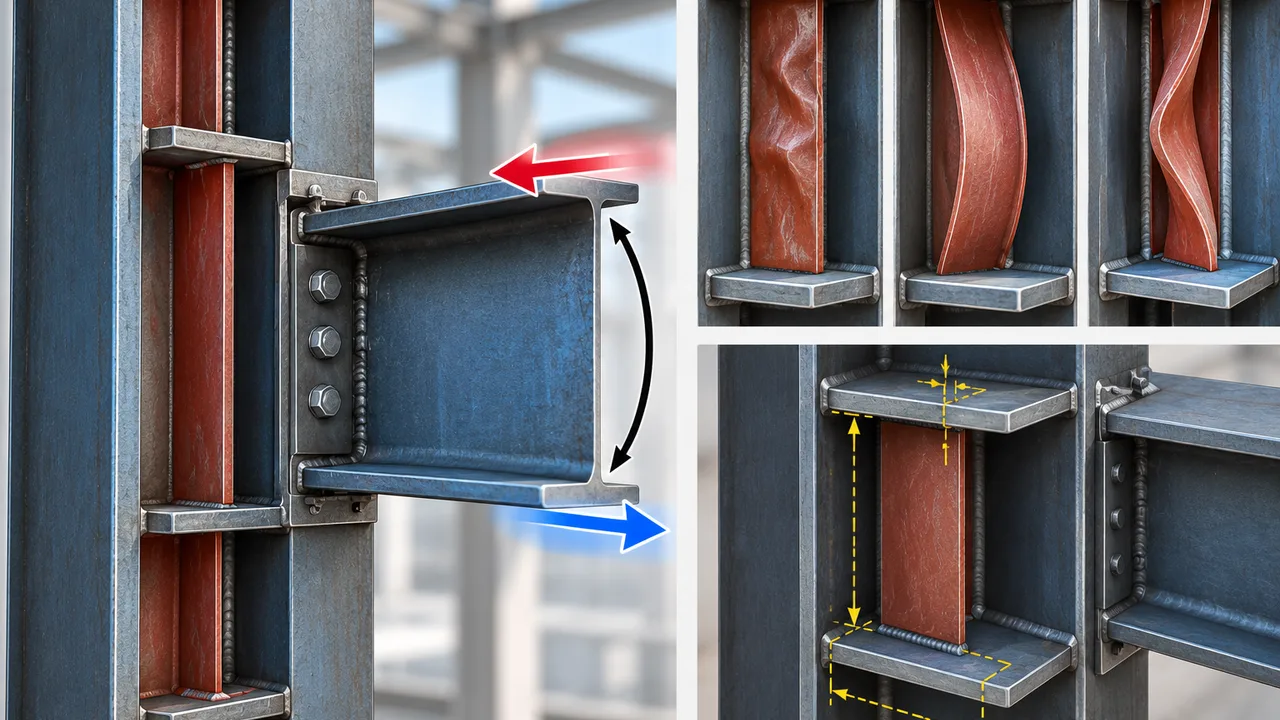
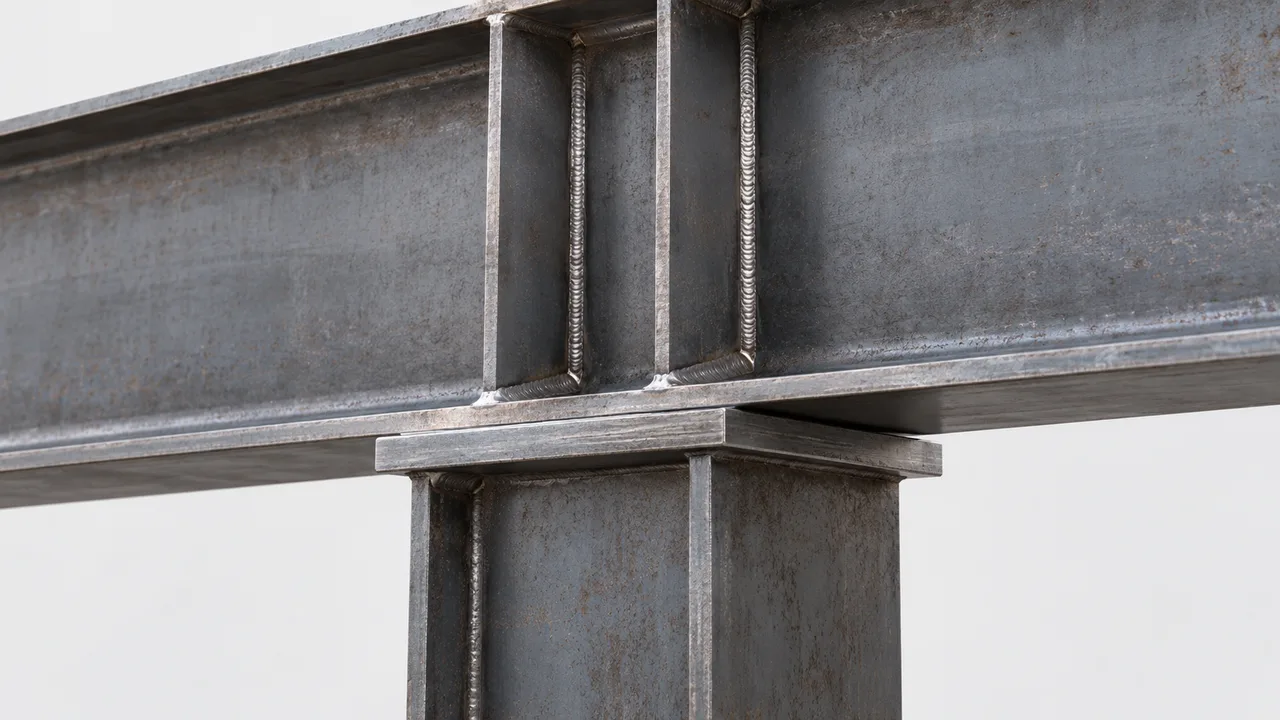
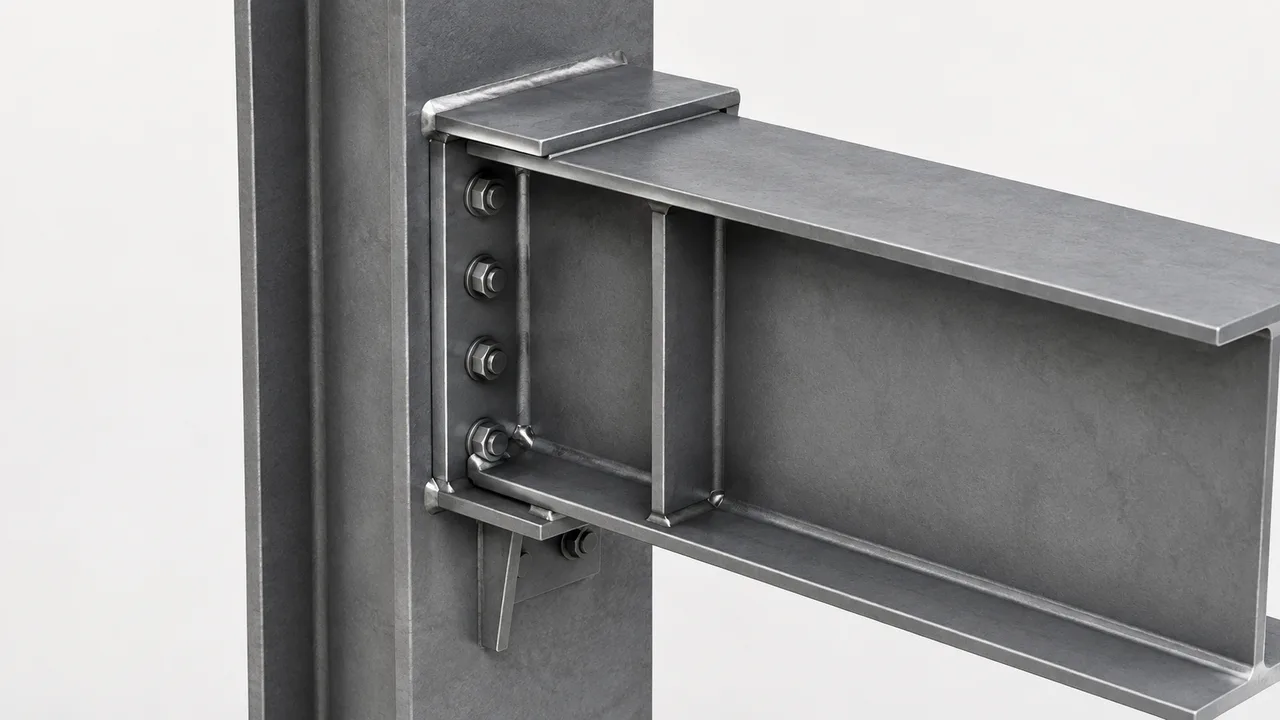
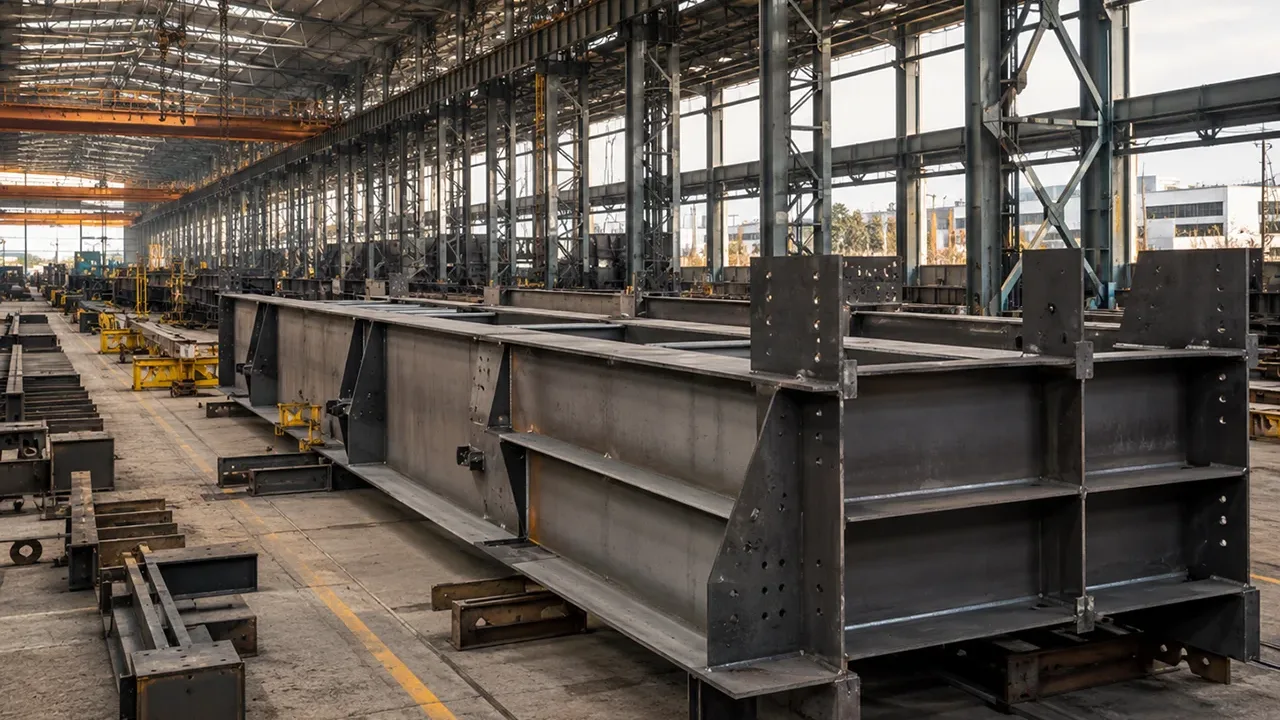
Heavy steel fabrication refers to the manufacturing of large structural steel components using thick steel plates, heavy sections, and specialized fabrication techniques. Unlike standard fabrication, heavy fabrication involves handling oversized members, higher material weights, complex welding procedures, and stricter dimensional requirements.
The objective is to produce structural components capable of supporting heavy equipment, long-span buildings, industrial machinery, cranes, and infrastructure subjected to significant operational loads.
Characteristics of Heavy Steel Structures
Heavy fabricated steel components are engineered to provide outstanding strength and durability while maintaining dimensional accuracy throughout manufacturing.
Typical characteristics include:
- Large structural dimensions
- Heavy steel plate fabrication
- High load-bearing capacity
- Complex welded assemblies
- Precision machining requirements
- Strict fabrication tolerances
- Excellent structural stability
- Long service life in demanding environments
Industries That Require Heavy Steel Fabrication
Many industries depend on heavy fabricated steel components because of their strength and reliability.
Common sectors include:
- Industrial manufacturing
- Mining operations
- Oil and gas facilities
- Power generation plants
- Infrastructure construction
- Transportation terminals
- Logistics centers
- Marine engineering
Our Heavy Steel Fabrication Capabilities
Heavy Plate Cutting
Our fabrication facility processes thick steel plates using advanced cutting equipment capable of producing precise profiles for heavy structural applications. Accurate cutting minimizes material waste while ensuring consistent fit-up during assembly.
CNC Precision Processing
Computer-controlled machining equipment performs drilling, beveling, slotting, milling, and profiling operations with high accuracy. Automated processing improves manufacturing consistency while reducing production time.
Heavy Structural Welding
Large structural members require qualified welding procedures and experienced welders to maintain structural integrity. Welded assemblies are produced according to approved fabrication procedures with continuous quality monitoring throughout production.
Large Component Assembly
Heavy steel components are assembled using dedicated fabrication stations designed to accommodate oversized structures. Proper alignment and dimensional verification help ensure that every assembly matches approved engineering drawings.
Surface Treatment
Depending on project specifications, fabricated components may receive abrasive blasting, industrial primer systems, protective coatings, or hot-dip galvanizing to improve corrosion resistance and extend service life.
Comprehensive Quality Inspection
Quality inspections are performed throughout fabrication, covering material verification, dimensional measurements, weld examinations, coating inspections, and final product verification before shipment.
Heavy Steel Products We Fabricate
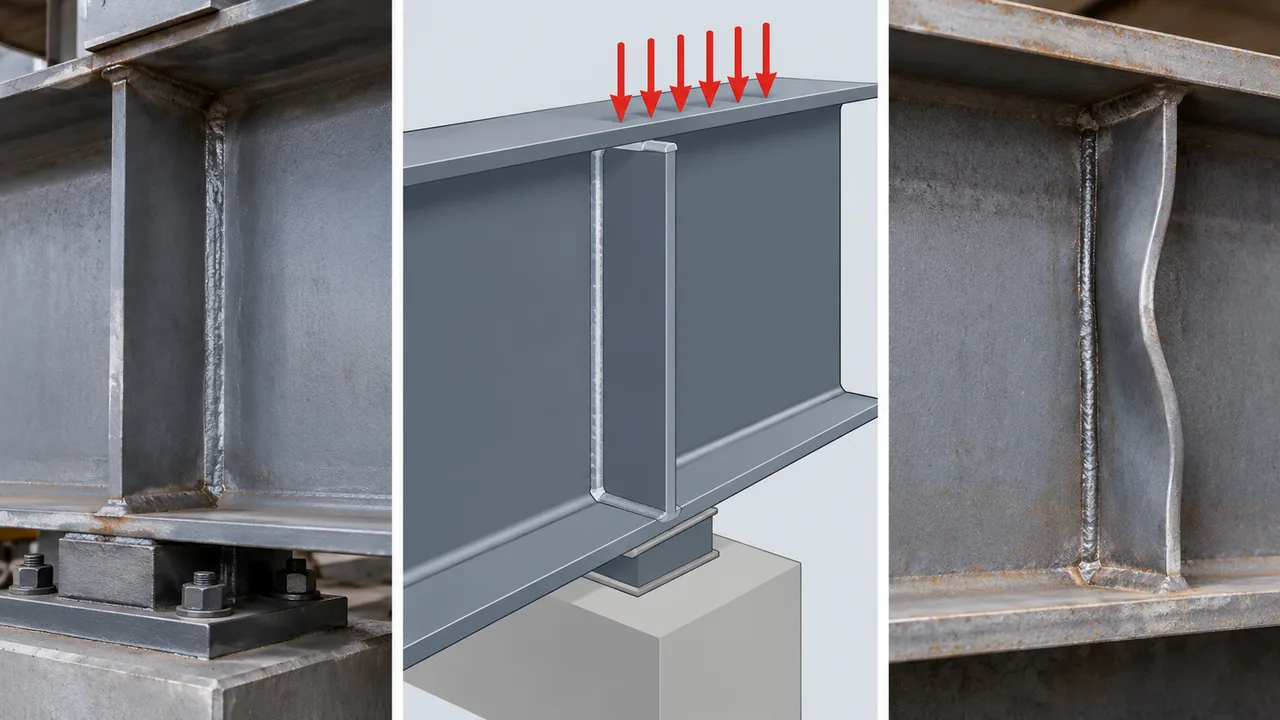
Heavy Steel Beams
Heavy-duty beams are manufactured for industrial buildings, power plants, bridges, and facilities requiring exceptional structural strength.
Heavy Steel Columns
Columns are fabricated to support high-rise industrial buildings, crane systems, production facilities, and large-span structures.
Large Steel Trusses
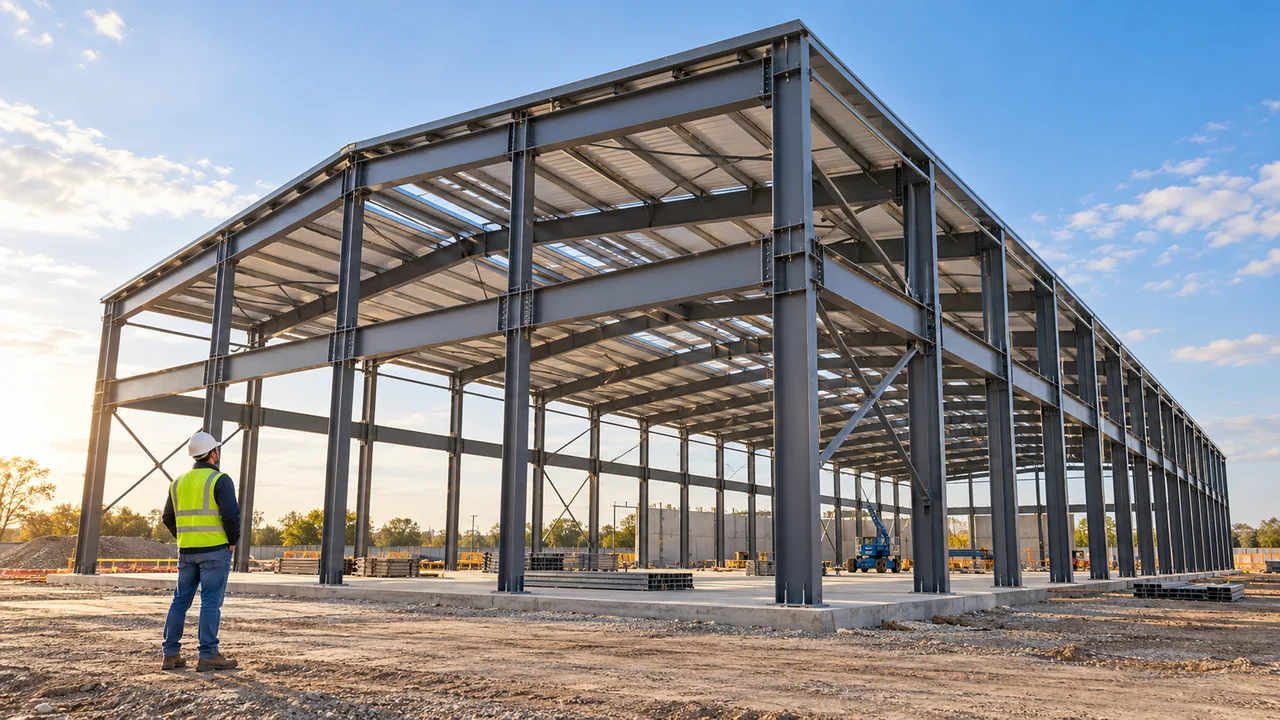
Heavy trusses provide long-span roof solutions for warehouses, aircraft hangars, sports facilities, logistics centers, and manufacturing plants.
Industrial Steel Frames
Complete structural framing systems are produced for factories, processing facilities, industrial workshops, and complex manufacturing environments.
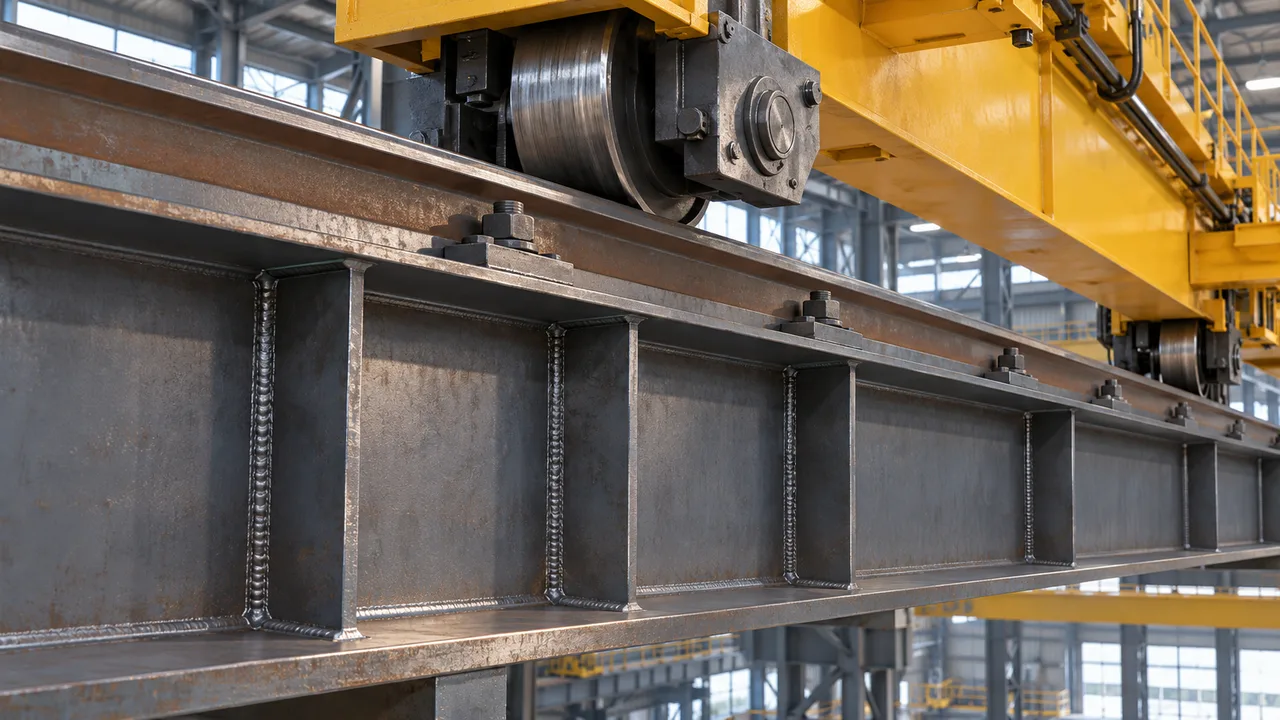
Crane Supporting Structures
Heavy crane beams, runway girders, supporting columns, and reinforcement systems are fabricated for overhead crane installations with demanding operational loads.
Equipment Support Structures
Custom steel supports are manufactured for industrial machinery, production equipment, pressure vessels, tanks, and processing systems.
Heavy Industrial Platforms
Fabricated platforms provide safe maintenance access and equipment support for industrial facilities, power stations, petrochemical plants, and mining operations.
Custom Heavy Steel Components
Every industrial project has unique engineering requirements. Our team fabricates customized heavy steel components according to client drawings, technical specifications, and project standards.
Our Heavy Steel Fabrication Process
Engineering Review
The fabrication process begins with a comprehensive review of structural drawings, material specifications, fabrication requirements, welding details, tolerances, and project schedules.
Material Procurement
Certified structural steel materials are selected according to approved project specifications. Incoming materials are inspected before entering production.
CNC Cutting and Processing
Steel plates and structural sections undergo cutting, drilling, beveling, and machining using precision CNC equipment to achieve accurate dimensions.
Assembly and Welding
Fabricated components are assembled according to approved shop drawings before welding operations are completed under controlled manufacturing procedures.
Surface Finishing
After fabrication, steel components receive specified surface preparation and protective coating systems based on environmental exposure conditions.
Inspection and Testing
Multiple inspections verify dimensions, weld quality, structural alignment, coating performance, and overall fabrication accuracy before shipment.
Packaging and Shipment
Finished components are clearly identified, securely packaged, and organized according to installation sequences to simplify transportation and field erection.
Quality Control in Heavy Steel Fabrication
Raw Material Verification
Every batch of structural steel is inspected to confirm material grade, dimensions, certifications, and compliance with project specifications.
Dimensional Inspection
Critical dimensions are verified throughout fabrication to ensure accurate assembly and smooth installation on site.
Welding Quality Control
Welded joints undergo visual inspection and additional testing when required by project specifications to ensure structural reliability.
Coating Inspection
Surface preparation quality, coating thickness, and finish consistency are checked before finished products leave the factory.
Final Factory Inspection
Before shipment, all fabricated components are inspected to verify quantities, dimensions, identification markings, documentation, and overall product quality.
Applications of Heavy Steel Fabrication
Industrial Manufacturing Plants
Heavy fabricated steel structures provide the strength required for production lines, heavy machinery, overhead cranes, and industrial equipment.
Manufacturing Facilities
Factories rely on heavy steel framing systems to create spacious production environments with excellent load-bearing performance.
Mining Projects
Mining facilities require durable structural components capable of supporting conveyors, crushers, processing equipment, and heavy operational loads.
Power Plants
Heavy steel fabrication supports turbine buildings, boiler structures, equipment platforms, pipe racks, and maintenance facilities.
Warehouses and Logistics Centers
Large-span structural systems provide efficient storage facilities with flexible layouts and high operational capacity.
Steel Bridges
Bridge projects require fabricated girders, trusses, support members, and structural assemblies designed for long-term performance under heavy traffic loads.
Infrastructure Projects
Transportation terminals, industrial parks, ports, and public infrastructure developments frequently utilize heavy fabricated steel structures because of their strength and construction efficiency.
Why Choose XTD Steel Structure?
- Extensive experience in heavy steel fabrication projects
- Advanced CNC fabrication equipment
- Large-capacity manufacturing facilities
- Experienced engineering and fabrication teams
- Strict quality management throughout production
- Customized fabrication solutions
- Reliable production scheduling and project management
- Professional export packaging and global shipping support
As an experienced provider of heavy steel fabrication services, XTD Steel Structure delivers reliable manufacturing solutions that help contractors, EPC companies, and industrial clients complete complex steel structure projects with confidence.
Frequently Asked Questions
What is considered heavy steel fabrication?
Heavy steel fabrication involves manufacturing large, thick, and high-strength structural steel components for industrial, infrastructure, mining, and heavy engineering applications.
What steel thickness can you fabricate?
Fabrication capability depends on project specifications, material type, and structural requirements. Our engineering team reviews each project individually.
Can you manufacture oversized steel structures?
Yes. We fabricate large structural assemblies and oversized steel components while considering transportation methods and installation requirements.
What quality inspections are performed?
Quality control includes raw material verification, dimensional inspection, weld inspection, coating evaluation, and final factory inspection before shipment.
Do you provide export packaging?
Yes. Components are marked, packaged, and prepared according to international shipping requirements to support efficient overseas transportation.
Request a Heavy Steel Fabrication Quote
If you are looking for a reliable partner specializing in heavy steel fabrication, send us your drawings, specifications, and project requirements. Our engineering team will provide a customized fabrication solution, competitive quotation, and production plan tailored to your industrial project.