What Is an Industrial Steel Structure Manufacturer?
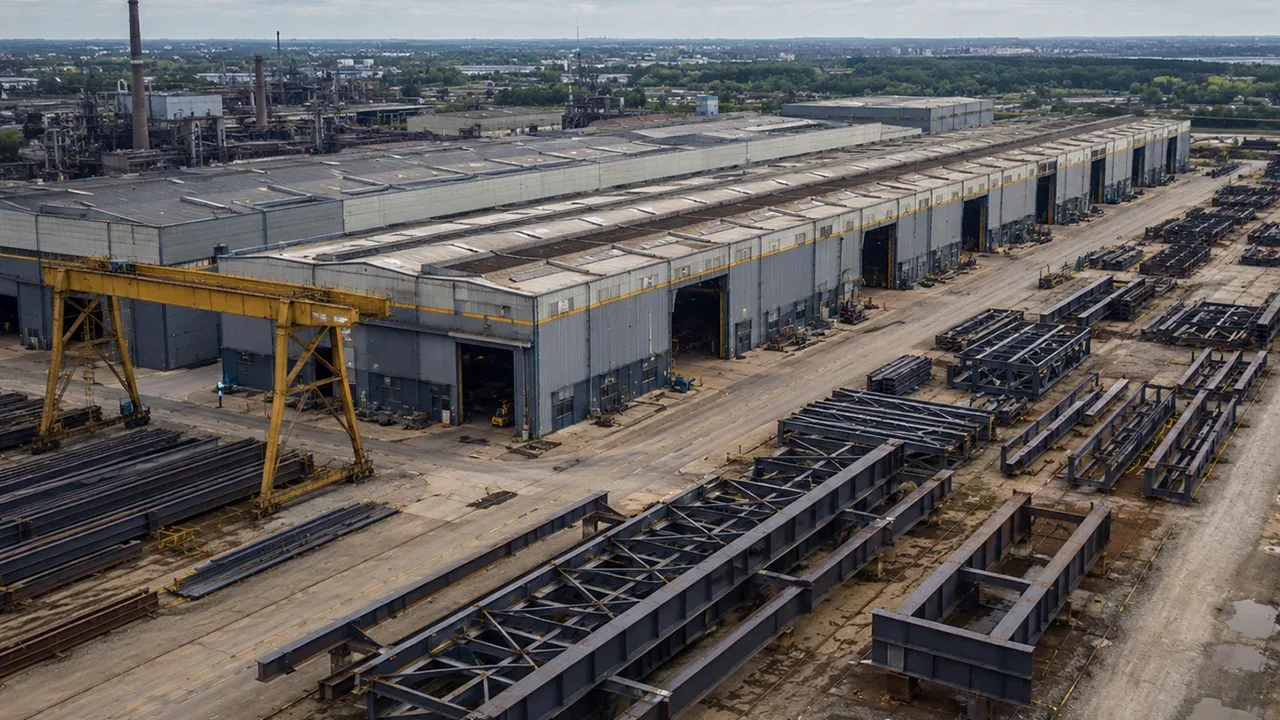
An industrial steel structure manufacturer is a company that designs, fabricates, and supplies structural steel systems used in industrial construction projects. These manufacturers produce steel components that form the primary load-bearing framework of industrial facilities.
Unlike general steel suppliers, industrial steel structure manufacturers offer integrated services that combine engineering expertise, manufacturing capability, quality management, and project coordination. Their role extends beyond supplying materials to delivering complete structural solutions.
Modern manufacturers support projects from the early planning phase through production, shipment, and site installation, helping clients achieve efficient project delivery and long-term building performance.
Industrial Steel Structures Manufactured
Industrial Factory Buildings
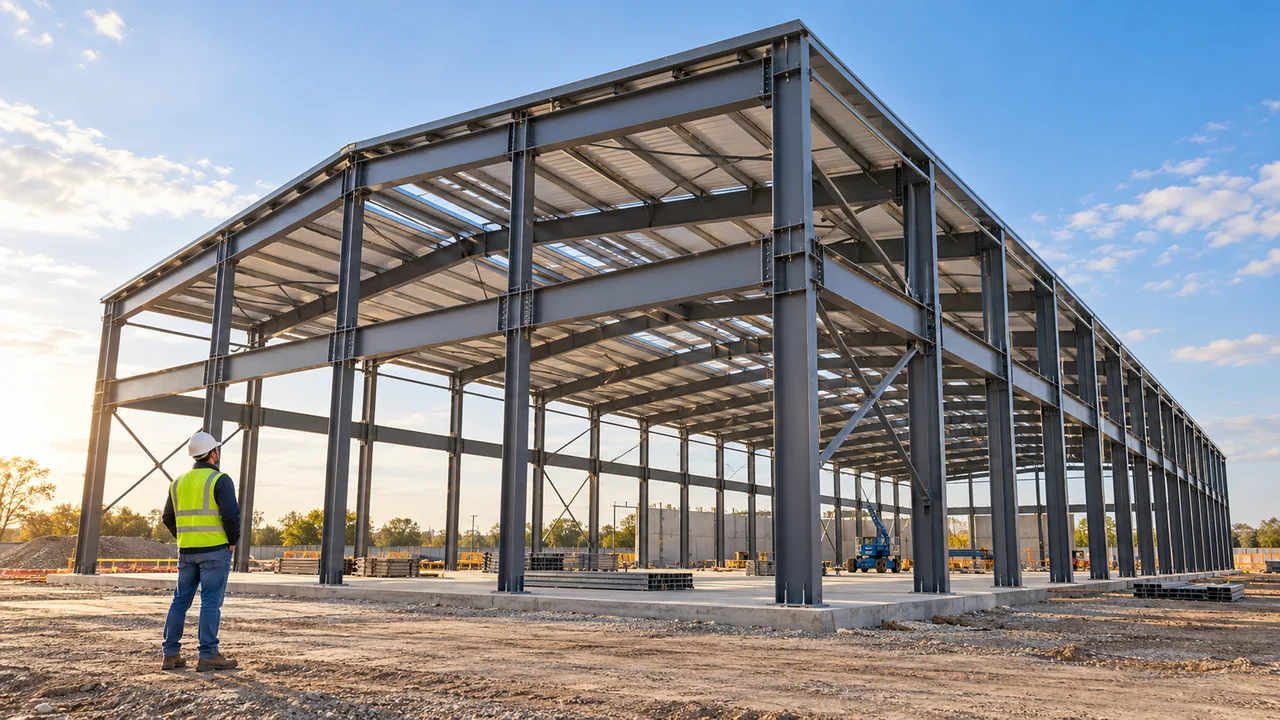
Factory buildings are among the most common applications for industrial steel structures. Manufacturing facilities require large open spaces, high ceilings, equipment support systems, and layouts that can adapt to changing production needs.
Steel structures provide the strength and flexibility needed for:
- Manufacturing plants
- Production workshops
- Assembly facilities
- Industrial processing buildings
The ability to create wide column spacing and large-span structures makes steel the preferred choice for factory construction.
Industrial Warehouses
Warehouses and logistics centers require durable structures capable of supporting high-capacity storage systems, loading operations, and material handling equipment. Industrial steel buildings allow efficient space utilization while minimizing internal obstructions.
These structures are widely used for distribution centers, inventory storage facilities, logistics hubs, and e-commerce warehouses.
Heavy Industrial Steel Structures
Heavy industrial projects often involve demanding operational environments and significant structural loads. These facilities require specialized steel systems designed to support industrial processes and heavy equipment.
Examples include:
- Power generation facilities
- Mining operations
- Petrochemical plants
- Material processing facilities
Heavy industrial structures often require advanced engineering and specialized fabrication procedures to achieve safe and reliable performance.
Industries Served
Manufacturing Industry
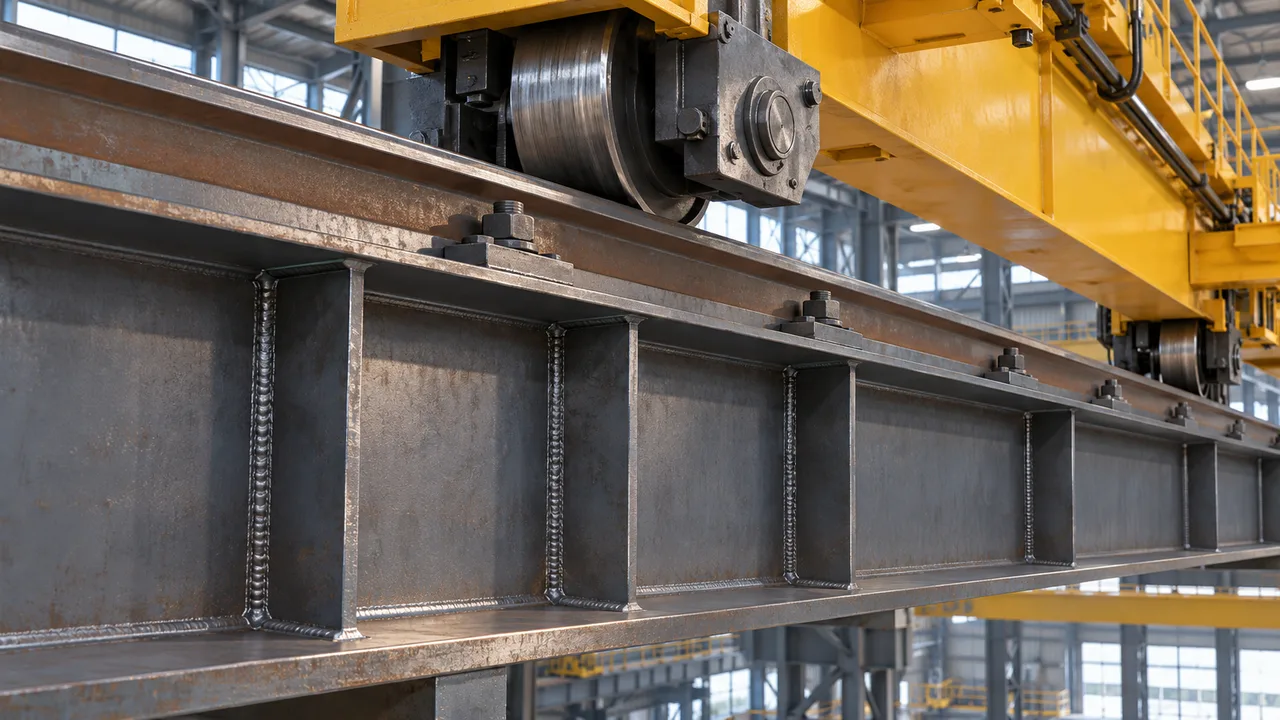
The manufacturing sector relies heavily on steel structures because they provide adaptable layouts and efficient construction schedules. Industrial steel systems support machinery, production lines, overhead cranes, and other operational equipment.
Manufacturers serving this sector often deliver buildings for automotive production, machinery manufacturing, electronics assembly, and equipment fabrication.
Energy and Utilities
Energy facilities require durable structural systems capable of operating under demanding environmental and operational conditions. Steel structures are widely used in power generation plants, substations, renewable energy facilities, and utility infrastructure projects.
Their high strength-to-weight ratio makes them suitable for supporting complex equipment and utility systems.
Mining and Resource Processing
Mining operations and resource processing facilities require structures capable of handling heavy loads, vibration, material handling systems, and harsh environmental exposure.
Industrial steel structures support conveyor systems, processing equipment, maintenance facilities, storage buildings, and operational infrastructure throughout mining projects.
Engineering Capabilities
Structural Design Support
Engineering support is a fundamental part of industrial steel structure manufacturing. Engineers evaluate building loads, operational requirements, environmental conditions, and project specifications before production begins.
This process helps optimize structural performance while ensuring compliance with project standards and design criteria.
Shop Drawings and Detailing
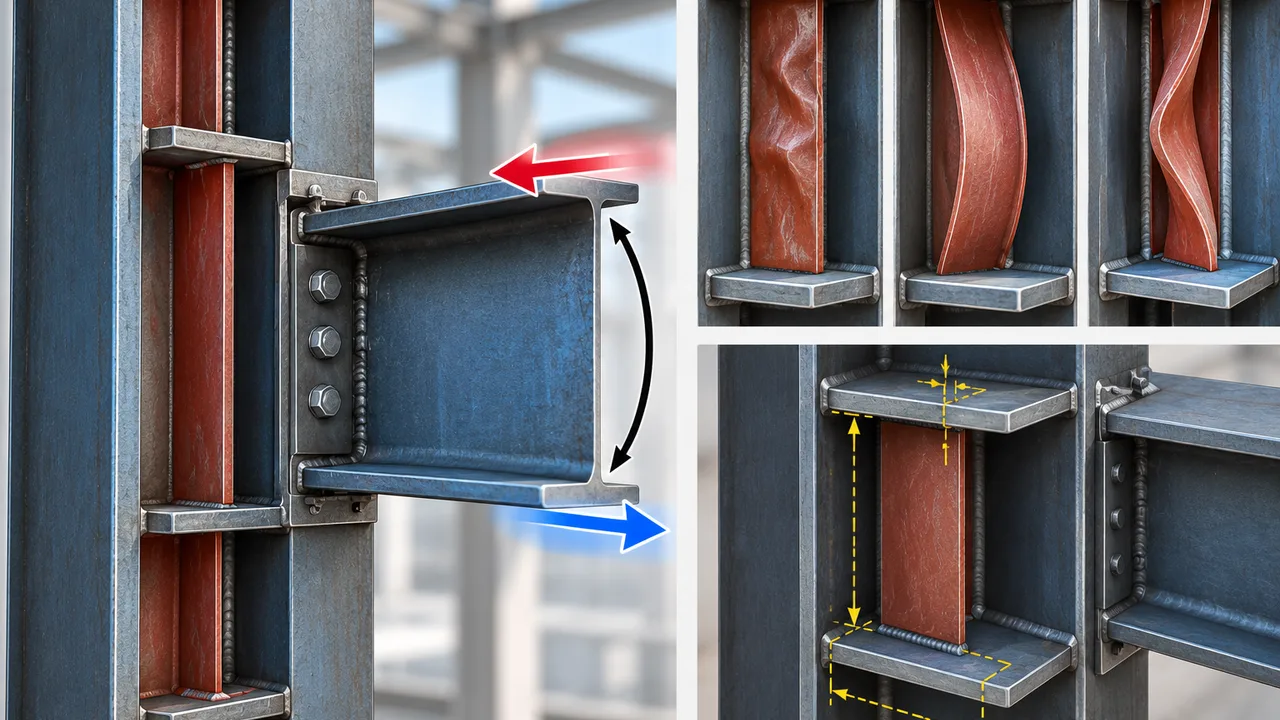
Detailed shop drawings are essential for efficient fabrication and installation. These drawings define component dimensions, connection details, assembly requirements, and production instructions.
Accurate detailing reduces fabrication errors and improves coordination between engineering, manufacturing, and construction teams.
Material Engineering
Material selection directly affects structural performance and service life. Engineers consider factors such as:
- Steel grades and strength requirements
- Corrosion resistance needs
- Environmental exposure conditions
- Long-term maintenance expectations
Proper material engineering helps ensure that structures perform reliably throughout their operational lifespan.
Industrial Steel Structure Manufacturing Process
Material Procurement
Production begins with sourcing steel materials that meet project specifications. Raw materials undergo inspection and verification to confirm quality, grade, and compliance with engineering requirements.
Material traceability is often maintained throughout the manufacturing process to support quality assurance programs.
CNC Processing and Fabrication
Modern manufacturing facilities utilize CNC equipment to achieve high levels of accuracy and consistency. Steel components undergo cutting, drilling, forming, and machining operations according to approved fabrication drawings.
Automated processing improves efficiency while maintaining precise dimensional tolerances.
Welding and Structural Assembly
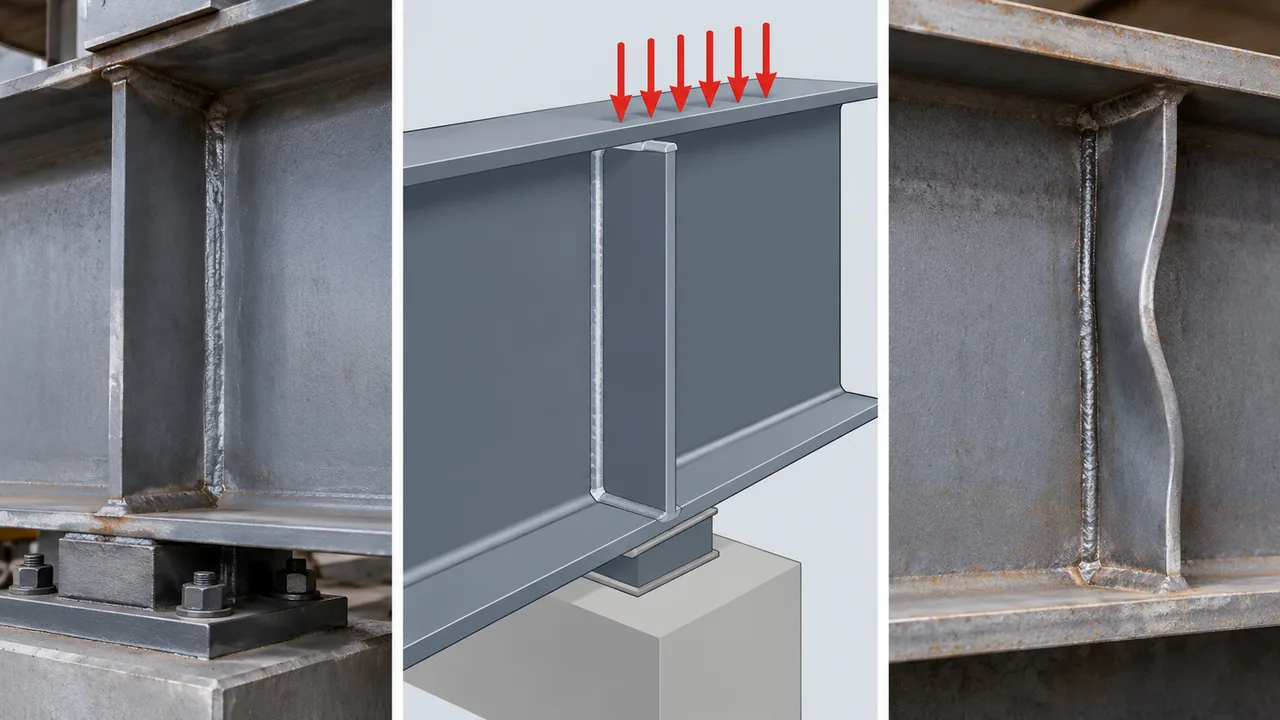
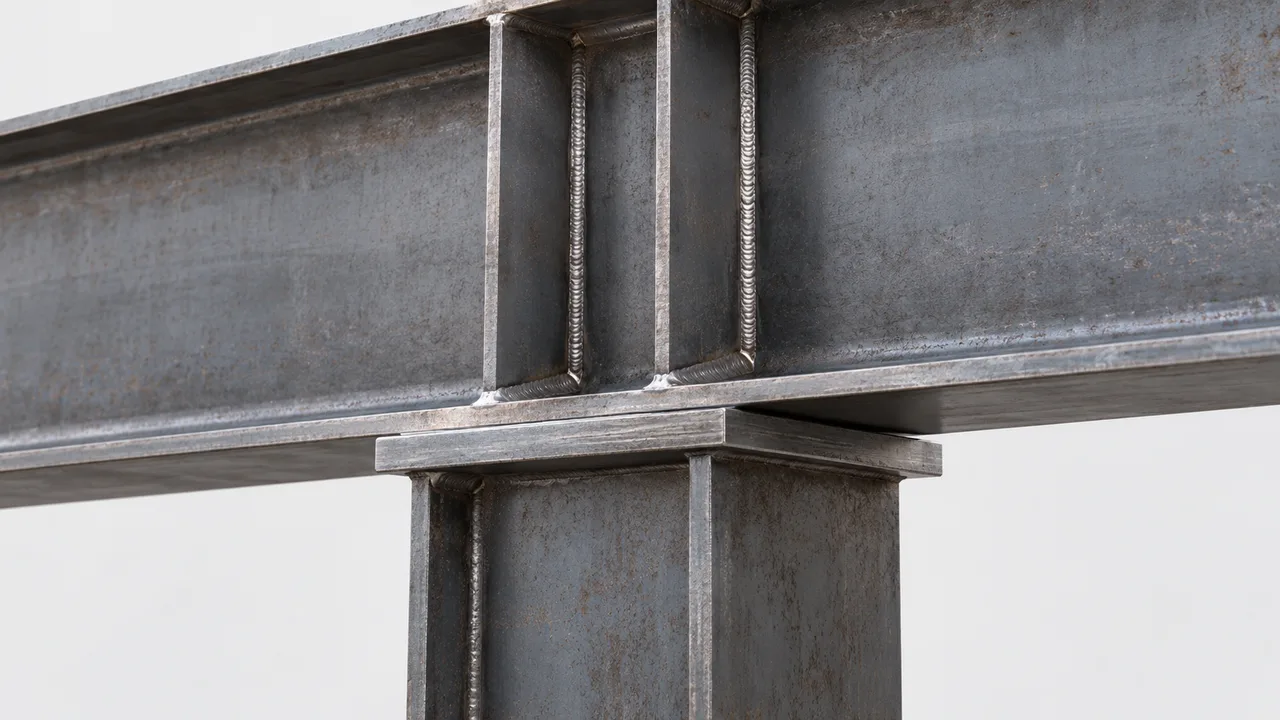
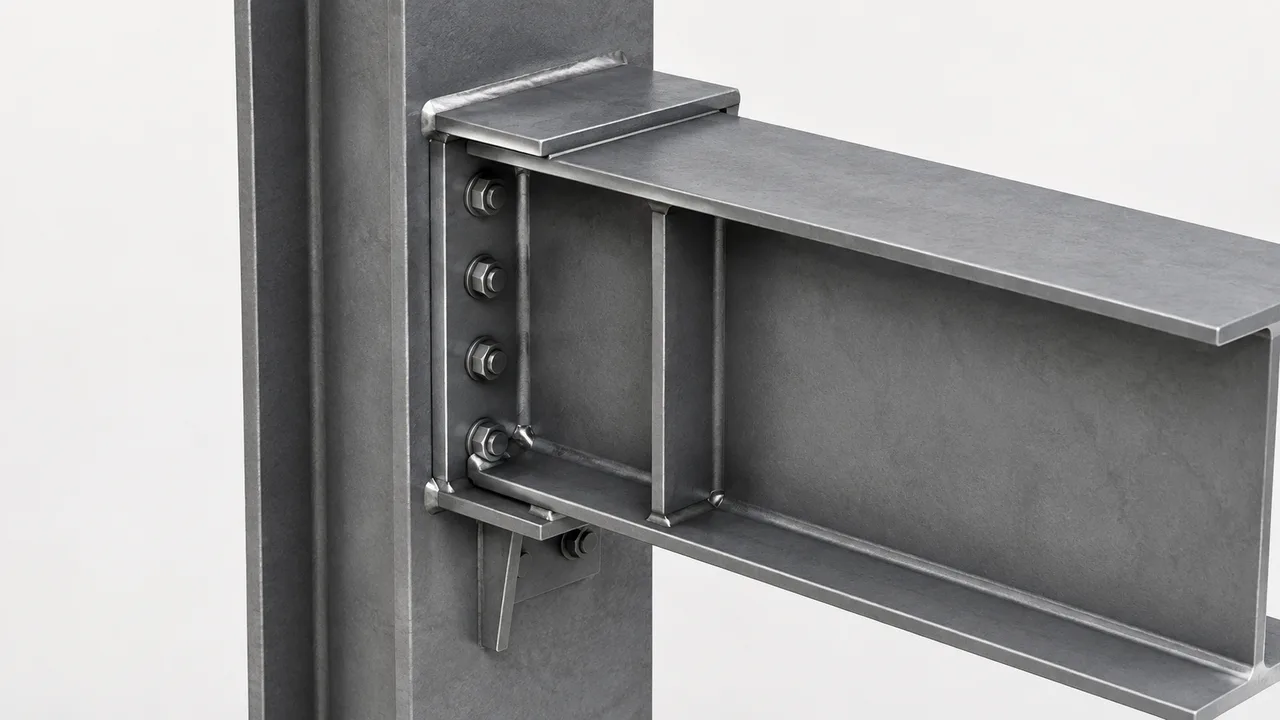
Following material processing, components are welded and assembled according to approved procedures. Qualified welding personnel and controlled production processes help ensure structural reliability.
Assembly operations are carefully monitored to maintain alignment, dimensional accuracy, and overall product quality.
Surface Treatment and Protection
Hot-Dip Galvanizing
Hot-dip galvanizing provides long-term corrosion protection by applying a zinc coating to steel surfaces. This treatment is commonly used for structures exposed to moisture, outdoor environments, and industrial conditions.
Galvanized steel structures often require less maintenance over their service life.
Industrial Painting Systems
Industrial coating systems provide additional protection against corrosion and environmental exposure. Coating specifications vary depending on project requirements and operating conditions.
Protective paint systems can also improve appearance and support corporate branding objectives.
Specialized Protective Coatings
Certain industrial environments require advanced protective systems designed to withstand chemical exposure, extreme temperatures, or aggressive operating conditions.
Specialized coatings help extend structural lifespan and improve reliability in challenging applications.
Quality Assurance and Inspection
Welding Inspection
Welding quality plays a major role in structural performance. Inspection procedures may include visual examinations, ultrasonic testing, magnetic particle testing, and other non-destructive testing methods.
These inspections help verify compliance with project requirements before shipment.
Dimensional Verification
Dimensional inspection ensures that fabricated components meet approved drawings and assembly tolerances. Accurate verification helps minimize installation issues and construction delays.
This process is particularly important for large industrial projects involving complex assemblies.
International Manufacturing Standards
Industrial steel structure projects often follow international manufacturing standards, welding specifications, and quality management systems. Compliance with recognized standards supports consistent product quality and project reliability.
Logistics and Global Delivery
Export Packaging
After fabrication and inspection, components are packaged according to transportation and project requirements. Proper packaging protects steel components during loading, shipment, unloading, and site handling.
Export packaging also helps improve logistics efficiency and reduce transportation risks.
Shipping Coordination
Large industrial projects often require carefully planned delivery schedules. Coordinated shipping helps ensure that components arrive according to construction sequencing and site requirements.
Efficient logistics planning contributes to smoother project execution.
Installation Support
Many manufacturers provide technical assistance during erection and installation. Engineering support can help resolve site issues, clarify installation procedures, and maintain structural accuracy during construction.
Advantages of Choosing an Industrial Steel Structure Manufacturer
- Large-scale production capacity for complex projects
- Consistent quality through factory-controlled manufacturing
- Faster construction schedules through prefabrication
- Integrated engineering and fabrication services
- Global supply capabilities for international projects
These advantages make professional manufacturers valuable partners for industrial developments requiring dependable structural systems and efficient project execution.
Why Work with an Experienced Industrial Steel Structure Manufacturer
Advanced Manufacturing Facilities
Modern production facilities utilize automated equipment, CNC processing lines, digital production management systems, and advanced quality control procedures to improve efficiency and consistency.
Industrial Project Experience
Experienced manufacturers understand the unique requirements of industrial projects, including heavy loads, complex layouts, specialized equipment support, and demanding operational conditions.
International Supply Experience
Global project experience helps manufacturers manage export documentation, logistics planning, international standards, and project coordination across multiple regions.
As an experienced industrial steel structure manufacturer, XTD Steel Structure provides integrated engineering, fabrication, quality control, and project coordination services for industrial developments worldwide.
Frequently Asked Questions
What does an industrial steel structure manufacturer produce?
Manufacturers produce structural steel systems for factories, warehouses, logistics centers, power plants, mining facilities, and various industrial construction projects.
Which industries use industrial steel structures?
Common industries include manufacturing, logistics, energy, utilities, mining, petrochemical processing, and heavy industrial operations.
How long does manufacturing take?
Production schedules vary depending on project size, engineering complexity, material availability, fabrication requirements, and surface treatment specifications.
What quality standards are followed?
Projects typically follow international structural steel standards, welding specifications, quality management systems, and inspection procedures required by project stakeholders.
Start Your Industrial Steel Structure Project
Choosing the right industrial steel structure manufacturer can significantly improve project efficiency, structural reliability, and long-term building performance. Professional manufacturing capabilities help transform engineering concepts into high-quality steel structures ready for installation.
With experienced engineering support, advanced fabrication facilities, and comprehensive project coordination, XTD Steel Structure helps clients successfully deliver industrial projects from concept to completion.