Inventory Storage Applications Across Industries
Manufacturing Inventory Storage
Manufacturing facilities frequently require dedicated storage for raw materials, production components, spare parts, and finished goods. Steel storage buildings provide open layouts that simplify inventory organization and material movement.
High-clearance interiors also support vertical storage systems and heavy-duty shelving.
Logistics and Distribution Inventory
Distribution centers and logistics hubs rely on efficient inventory flow between receiving, storage, and dispatch operations. A properly designed inventory storage steel structure helps improve warehouse circulation and loading efficiency.
Large access areas and flexible layouts support forklift movement and pallet handling operations.
Retail and E-Commerce Storage
Retail and e-commerce businesses often manage fast-moving inventory with seasonal fluctuations. Steel storage facilities allow businesses to scale operations more efficiently while supporting fulfillment workflows.
Flexible interior arrangements help optimize storage density and order processing speed.
Industrial Equipment and Bulk Inventory
Heavy machinery, industrial tools, and oversized inventory require facilities with strong structural performance and open access zones.
Steel structures are suitable for these environments because they support heavy loads while maintaining operational flexibility.
Key Features of an Inventory Storage Steel Structure
Large Clear-Span Interior Layouts
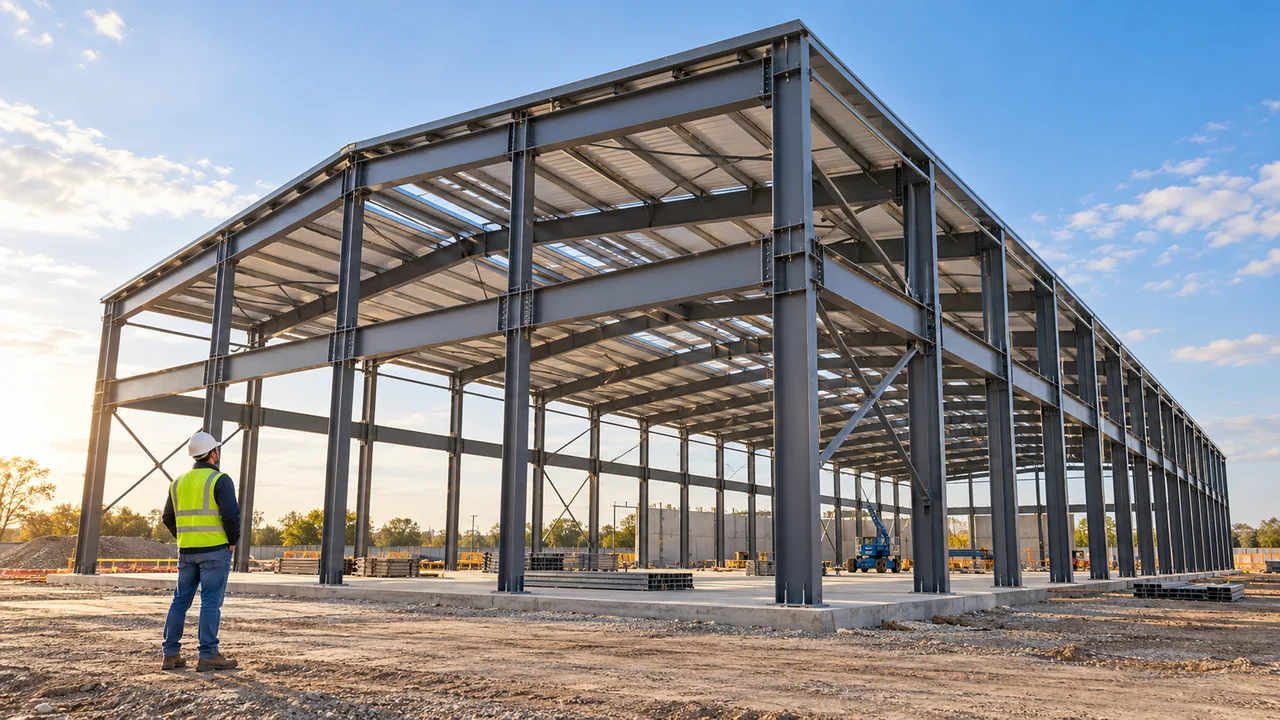
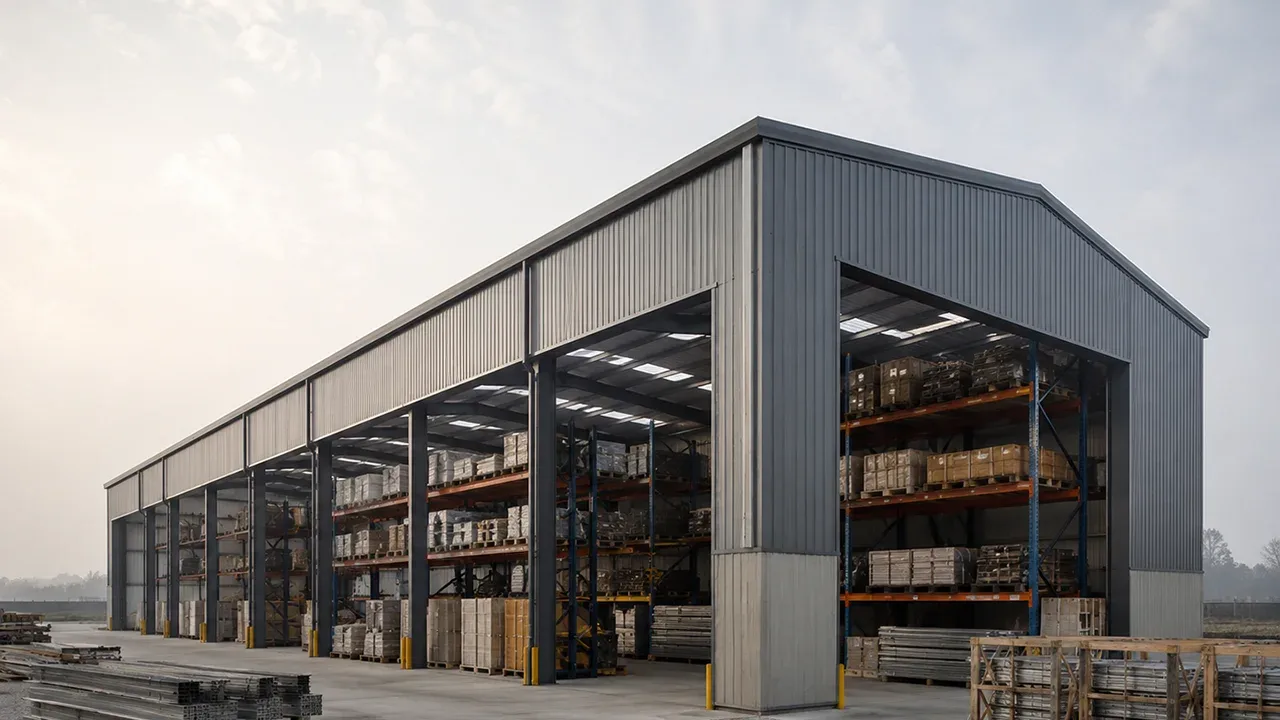
One of the main advantages of steel systems is the ability to create large uninterrupted storage areas without excessive internal columns.
This improves inventory accessibility and allows more efficient warehouse layouts.
High Ceiling Storage Optimization
Modern inventory operations increasingly rely on vertical storage systems to maximize floor space utilization.
- High rack systems
- Automated storage solutions
- Multi-level shelving
- Pallet stacking systems
Steel structures can support these high-clearance storage requirements effectively.
Flexible Expansion Capability
Inventory demand often changes over time. A modular inventory storage steel structure can be expanded more easily than many conventional building systems.
This flexibility supports long-term operational growth.
Fast Construction for Operational Continuity
Faster project completion reduces operational disruption and allows businesses to activate storage facilities sooner.
Prefabricated steel systems help shorten construction schedules significantly.
Storage Efficiency and Warehouse Workflow
Forklift and Equipment Accessibility
Warehouse layouts must support safe and efficient equipment movement. Steel structures allow wider circulation paths and optimized loading zones.
This improves operational efficiency and reduces internal congestion.
Inventory Organization Systems
Modern inventory facilities often integrate organized storage systems designed around operational workflow.
- Barcode inventory systems
- Zoned storage layouts
- Automated inventory tracking
- Dedicated dispatch areas
Loading and Dispatch Efficiency
Efficient loading operations are critical for distribution and shipping performance. Steel storage facilities can integrate loading docks, access ramps, and large vehicle entry points.
This helps streamline shipping and receiving activities.
Structural Performance for Inventory Facilities
Heavy Load Capacity
Inventory buildings must support concentrated loads from shelving systems, pallet storage, and industrial equipment.
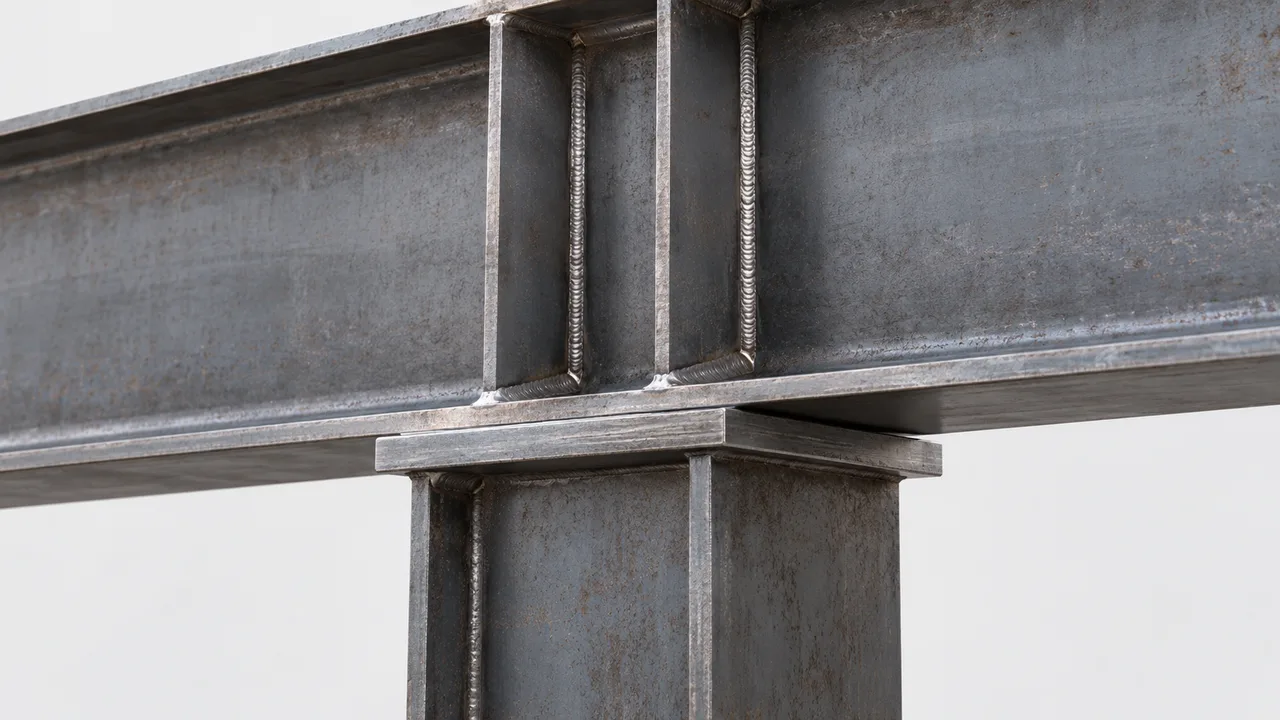
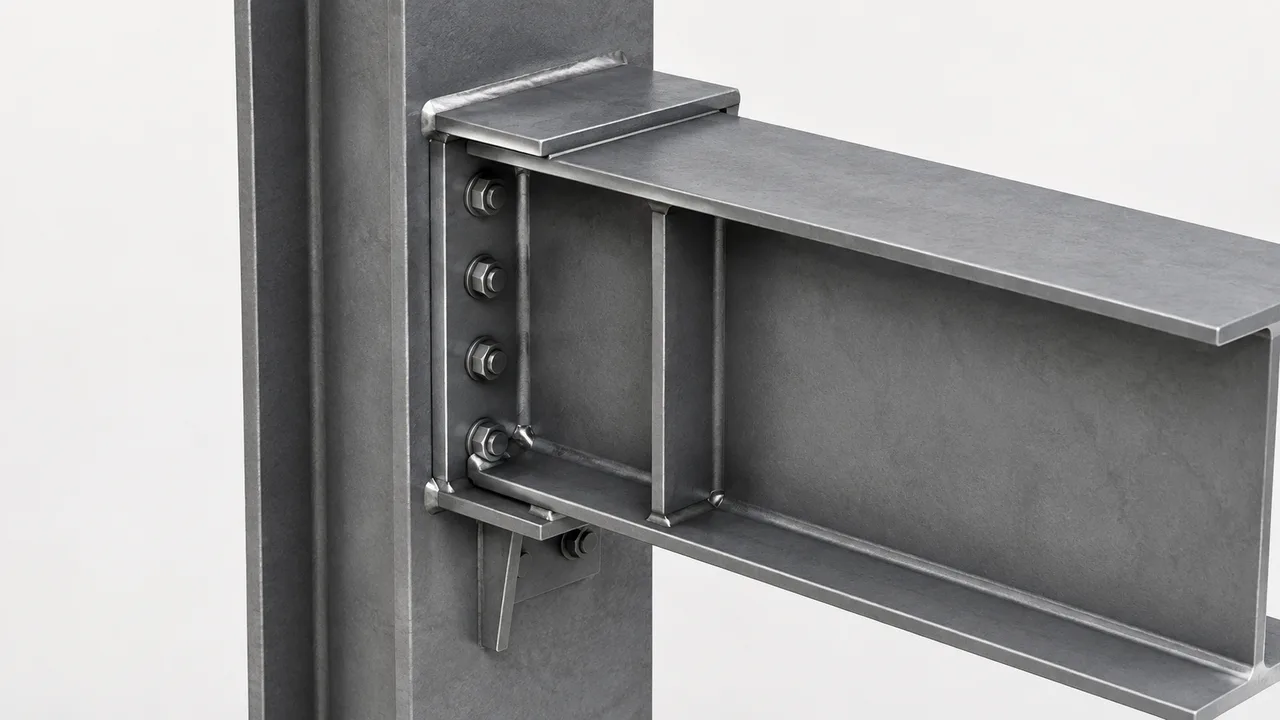
Steel framing systems provide strong load-bearing performance for these demanding applications.
Durability in High-Usage Environments
Inventory facilities typically experience constant operational activity. Steel structures are designed for long-term durability under continuous use.
Protective coatings and proper engineering further improve structural lifespan.
Ventilation and Environmental Control
Some inventory operations require controlled environments for product protection and operational safety.
Steel structures can integrate ventilation systems, insulation, and environmental management technologies.
Fabrication and Construction Process
Precision Steel Manufacturing
Steel components are manufactured using controlled fabrication processes to ensure accuracy and quality consistency.
Modular Construction Approach
Prefabricated systems allow many building components to be prepared before on-site installation begins.
This improves coordination and construction speed.
Site Installation and Expansion Planning
Installation teams coordinate structural assembly while considering future operational expansion requirements.
As an experienced structural provider, XTD Steel Structure supports inventory storage projects with integrated fabrication and installation solutions.
Advantages for Modern Inventory Operations
Efficient inventory management depends heavily on facility performance and layout flexibility.
- Better space utilization
- Scalable storage capacity
- Lower maintenance requirements
- Faster operational deployment
- Flexible warehouse configuration
- Improved logistics efficiency
Steel structures help businesses adapt more efficiently to changing inventory demands.
Frequently Asked Questions
What industries use inventory storage steel structures?
Manufacturing, logistics, retail, e-commerce, and industrial sectors commonly use these facilities.
Can the structure support heavy inventory loads?
Yes. Steel systems are designed to support shelving systems, pallet storage, and industrial inventory.
Is future expansion possible?
Yes. Modular steel construction allows easier expansion compared to many traditional building systems.
Build Scalable Inventory Storage Facilities
A properly planned inventory storage steel structure supports efficient inventory management, operational continuity, and long-term storage scalability. Steel systems provide the flexibility needed for modern warehousing and logistics operations.
Careful engineering and efficient construction planning help businesses create organized and adaptable inventory environments for future operational growth.