What Is Precision Steel Fabrication?
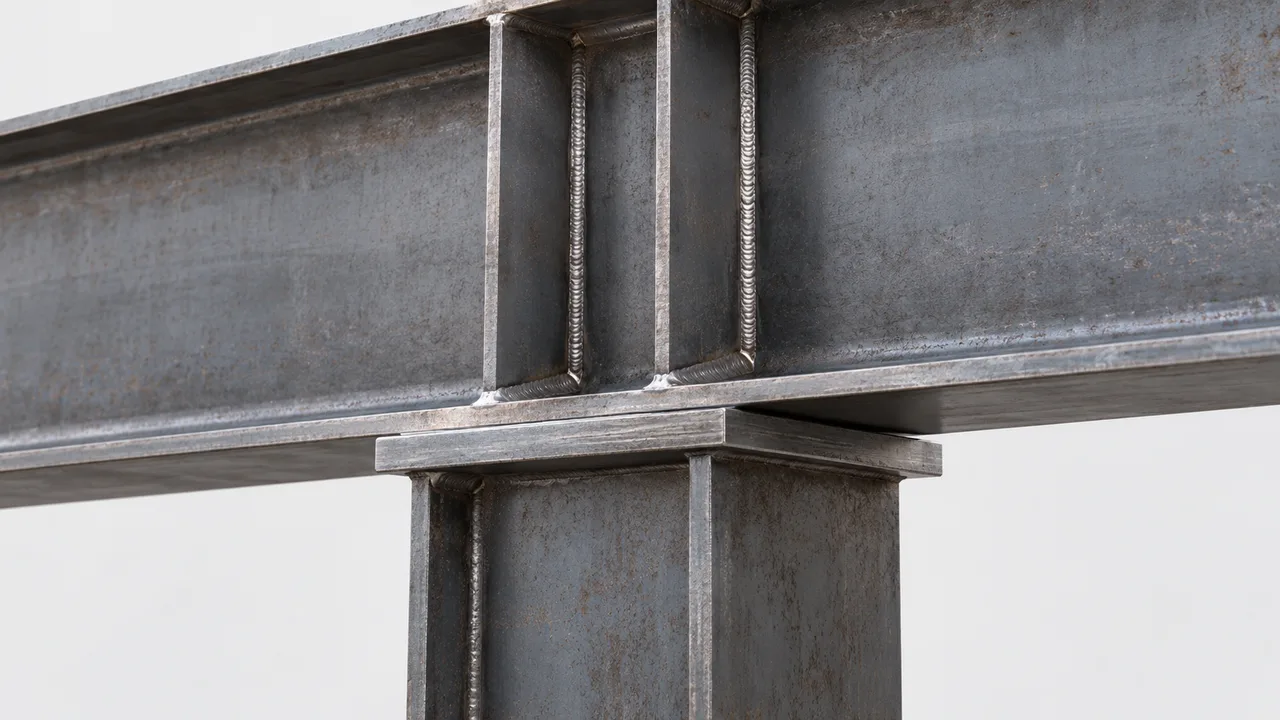
Precision steel fabrication refers to the engineering, processing, manufacturing, and inspection of steel components using highly controlled methods designed to achieve strict dimensional tolerances and consistent quality.
Unlike conventional fabrication approaches that may allow wider manufacturing variations, precision fabrication focuses on accuracy throughout every stage of production.
Precision fabrication typically involves:
- Advanced engineering review
- Digital production planning
- CNC-controlled processing
- Automated fabrication systems
- Dimensional verification
- Comprehensive quality inspections
The goal is to deliver steel components that fit correctly during assembly while maintaining structural performance and project efficiency.
Why Precision Matters in Steel Fabrication
Dimensional Accuracy
Accurate dimensions are essential for successful steel structure assembly. Even minor deviations can create alignment problems that affect installation schedules and project costs.
Precision fabrication helps ensure:
- Consistent measurements
- Accurate hole locations
- Proper member lengths
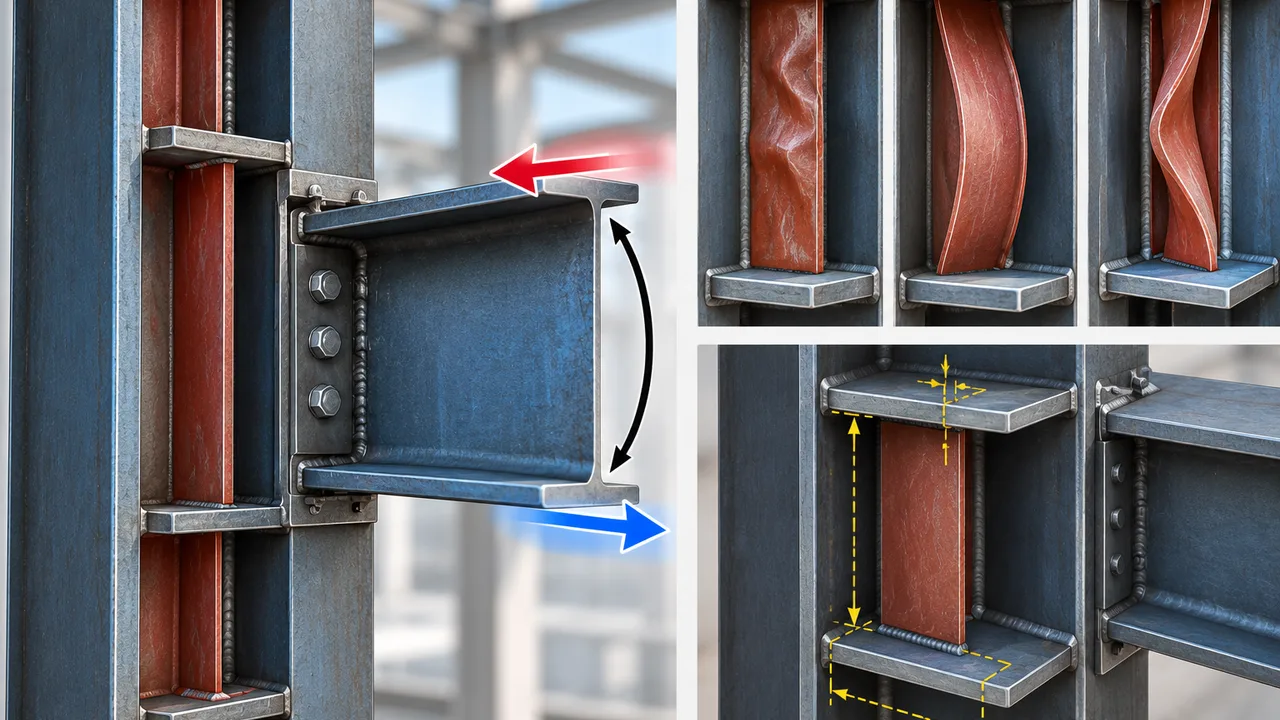
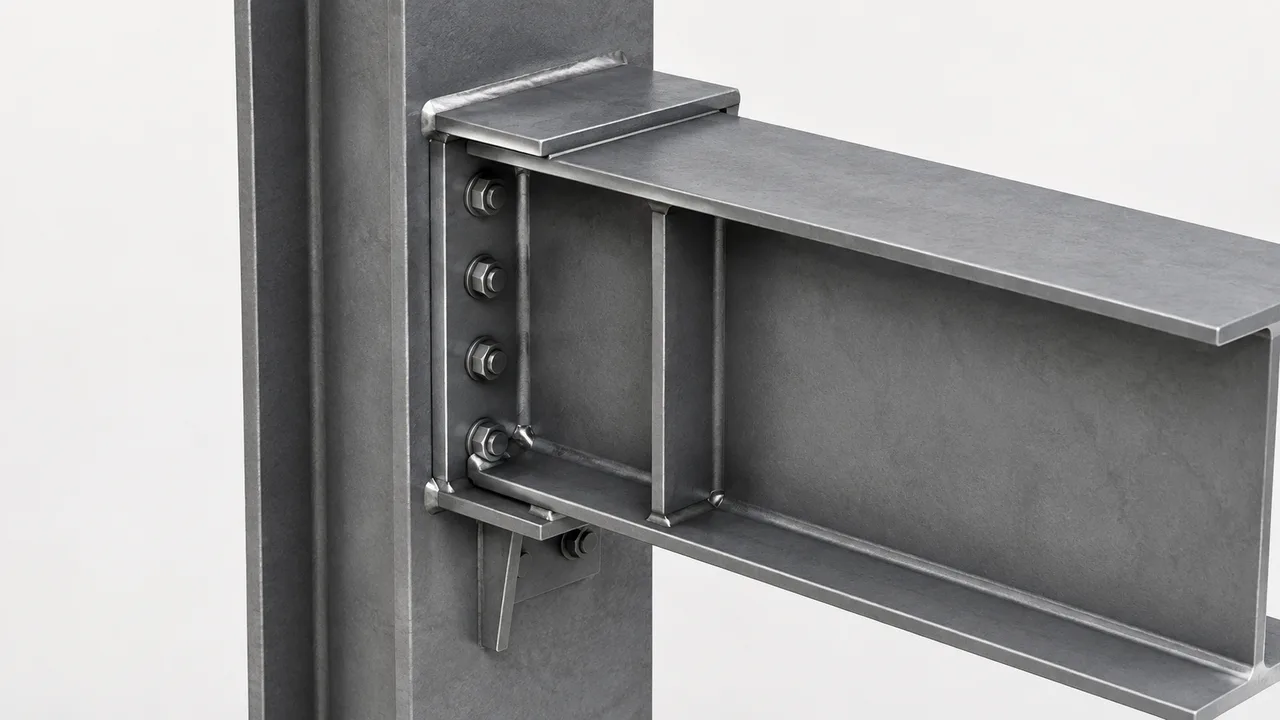
- Reliable connection alignment
- Compliance with project specifications
High dimensional accuracy supports smoother construction activities and minimizes field adjustments.
Improved Assembly Efficiency
When fabricated components arrive at the project site with accurate dimensions, installation teams can work more efficiently.
Benefits include:
- Faster erection schedules
- Reduced installation delays
- Fewer alignment corrections
- Lower labor requirements
- Improved productivity
Precision fabrication helps reduce unnecessary construction interruptions and supports faster project completion.
Better Structural Performance
Accurately manufactured components contribute to improved structural behavior and reliable load transfer throughout the building system.
Precision fabrication supports:
- Correct connection performance
- Consistent load distribution
- Reliable structural stability
- Improved engineering compliance
- Long-term structural integrity
These advantages are particularly important for large industrial and infrastructure projects.
Enhanced Project Quality
Precision fabrication reduces manufacturing errors and improves overall project quality.
Project teams benefit from:
- Higher manufacturing consistency
- Reduced rework
- Improved quality control
- Better installation outcomes
- Greater client satisfaction
Consistent fabrication quality supports successful project delivery from start to finish.
Precision Steel Fabrication Technologies
CNC Cutting Systems
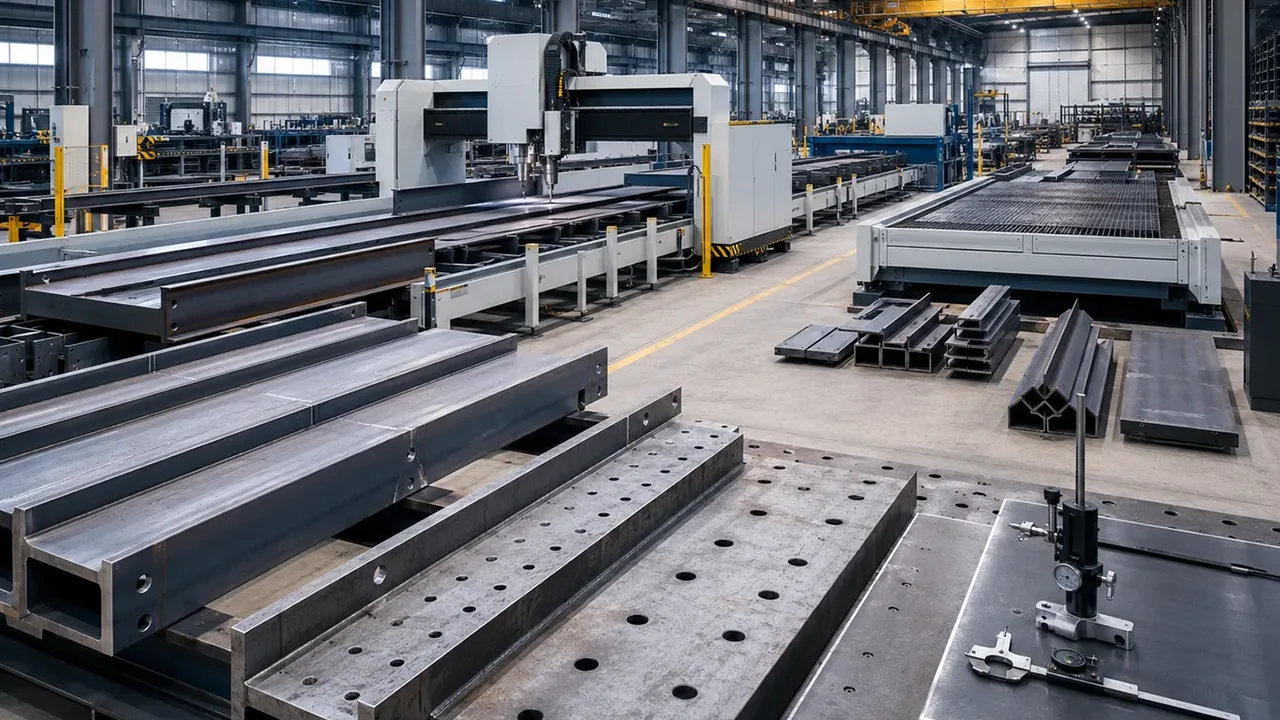
CNC cutting technology plays a major role in modern precision steel fabrication. Computer-controlled equipment allows steel plates, beams, and structural sections to be cut with exceptional accuracy.
Advantages include:
- Consistent dimensions
- Improved edge quality
- Reduced material waste
- Higher production efficiency
- Repeatable manufacturing results
CNC systems help eliminate many of the variations associated with manual processing methods.
CNC Drilling Equipment
Connection accuracy is critical for structural steel assembly. CNC drilling equipment ensures that bolt holes are positioned according to engineering specifications.
Benefits include:
- Accurate hole placement
- Improved fit-up performance
- Reduced field modifications
- Enhanced assembly efficiency
- Reliable structural connections
Precision drilling contributes significantly to successful project installation.
Automated Welding Systems
Welding quality directly affects structural performance. Automated and semi-automated welding systems help improve consistency throughout the fabrication process.
These systems provide:
- Uniform weld quality
- Reduced variability
- Improved productivity
- Better process control
- Enhanced repeatability
Proper welding procedures help ensure compliance with structural standards and project requirements.
Digital Measurement Tools
Modern fabrication facilities utilize digital measurement systems to verify dimensions and monitor production quality.
Common tools include:
- Laser measuring equipment
- Digital inspection devices
- Coordinate measurement systems
- Electronic calibration tools
- Quality verification software
These technologies improve inspection accuracy and support reliable quality control.
BIM and Digital Manufacturing
Building Information Modeling (BIM) and digital manufacturing systems improve coordination between engineering, fabrication, and construction teams.
Advantages include:
- Improved design coordination
- Enhanced fabrication planning
- Reduced conflicts
- Better production sequencing
- Improved project visibility
Digital workflows help increase overall project efficiency while reducing manufacturing errors.
Precision Steel Components Produced
Steel Columns
Precision-fabricated steel columns provide reliable vertical support and accurate connection alignment for structural systems.
Steel Beams
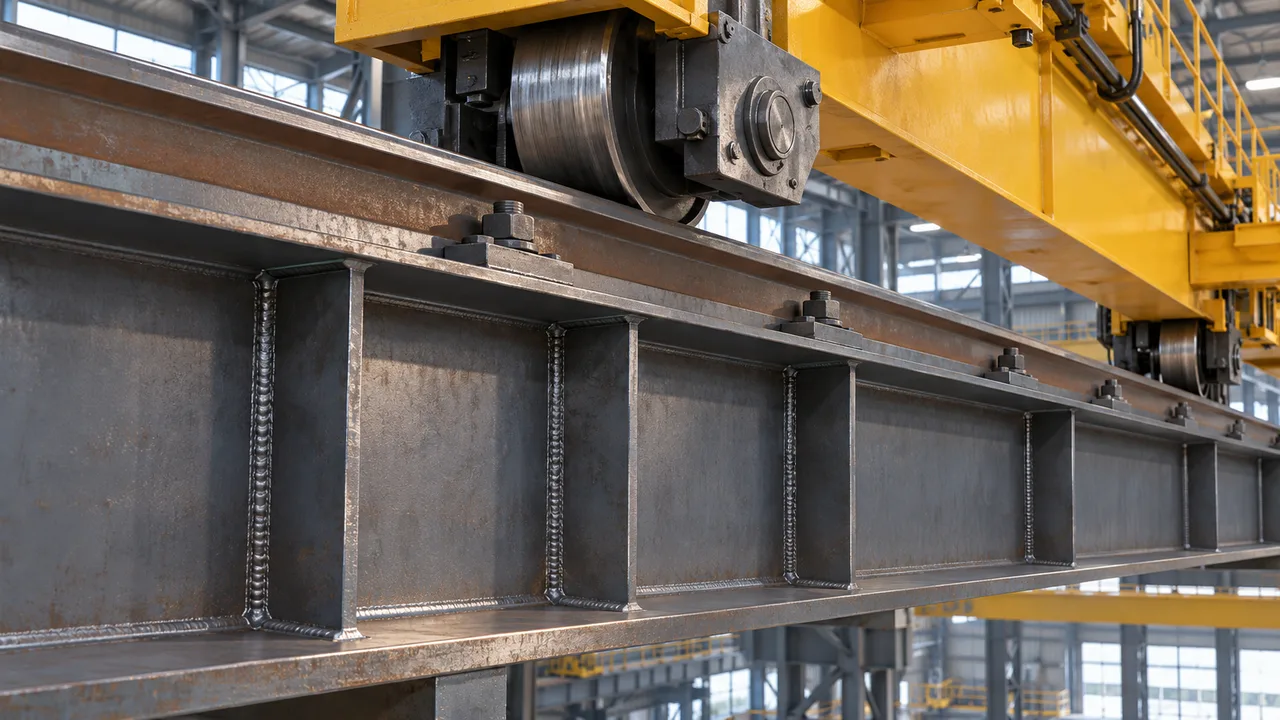
Accurately manufactured beams contribute to efficient load transfer and smoother installation processes.
Steel Trusses
Large-span trusses require precise fabrication to ensure proper geometry and structural performance.
Portal Frame Components
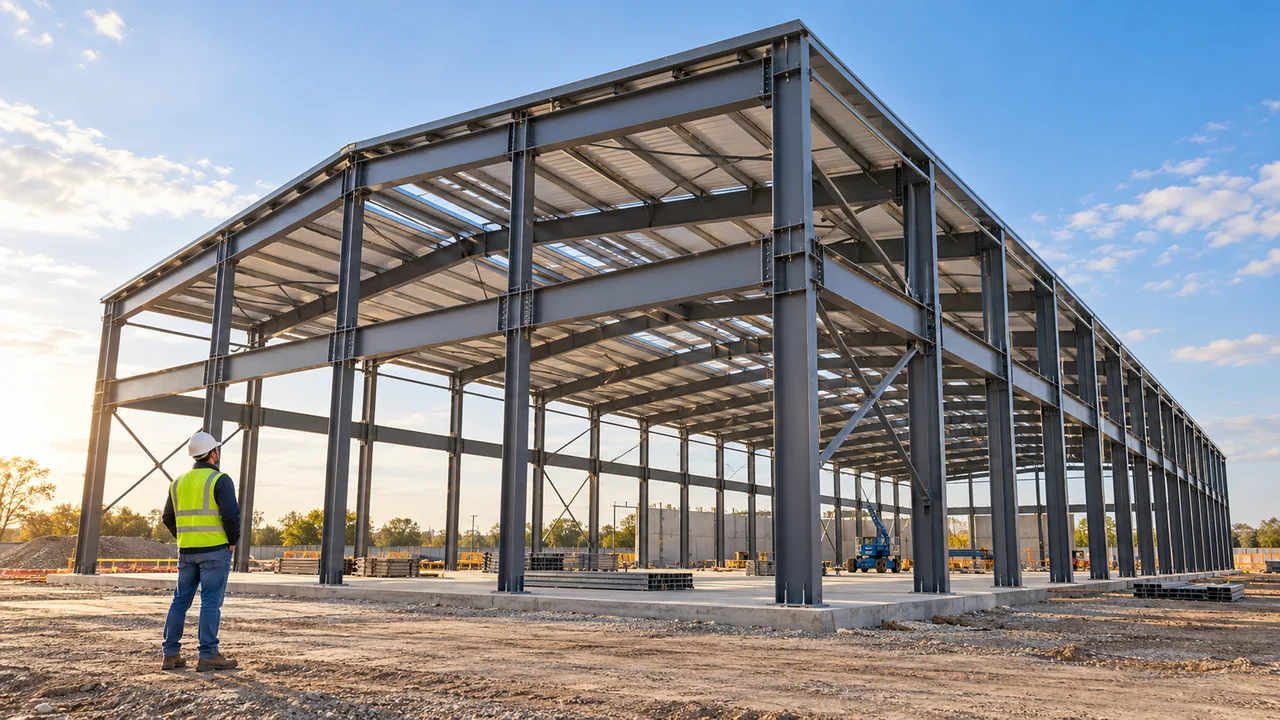
Portal frame systems depend on accurate fabrication for efficient assembly and long-term reliability.
Custom Structural Assemblies
Complex projects often require customized components manufactured according to strict engineering specifications.
Precision Fabrication Process
Engineering Review
The process begins with a detailed engineering review to verify drawings, dimensions, connection requirements, and project specifications.
Material Preparation
Certified steel materials are selected and prepared according to project requirements and quality standards.
CNC Processing
Cutting, drilling, marking, and machining operations are performed using CNC-controlled equipment to achieve consistent accuracy.
Assembly and Welding
Fabrication teams assemble components according to approved procedures while maintaining dimensional control throughout production.
Inspection and Verification
Finished components undergo dimensional inspections and quality verification before approval for delivery.
Industries That Require Precision Steel Fabrication
Industrial Manufacturing
Manufacturing facilities require accurately fabricated components to support production equipment and structural systems.
Warehousing and Logistics
Large-span warehouse projects depend on precise fabrication for efficient installation and operational performance.
Infrastructure Projects
Transportation facilities, bridges, and public developments require high levels of fabrication accuracy.
Energy Facilities
Power plants and energy infrastructure projects rely on precision fabrication for reliable structural performance.
Commercial Buildings
Commercial developments benefit from accurate fabrication that supports construction efficiency and project quality.
Quality Control in Precision Steel Fabrication
Material Inspection
Raw materials are inspected to verify compliance with project specifications and quality requirements.
Process Monitoring
Production activities are continuously monitored to maintain fabrication accuracy.
Weld Quality Verification
Weld inspections help ensure structural integrity and compliance with applicable standards.
Dimensional Inspection
Critical dimensions are verified throughout fabrication to maintain required tolerances.
Final Product Documentation
Inspection records and quality documentation provide traceability and project verification.
Benefits of Precision Steel Fabrication
Reduced Installation Time
Accurate components fit together more efficiently, reducing erection time on site.
Lower Project Costs
Less rework and fewer installation issues help reduce overall project expenses.
Improved Construction Efficiency
Precision fabrication supports smoother workflows throughout the construction process.
Higher Structural Reliability
Consistent manufacturing quality contributes to dependable structural performance.
Better Long-Term Performance
Well-fabricated components support durability and long service life.
Why Choose XTD Steel Structure
Advanced CNC Equipment
XTD Steel Structure utilizes modern CNC processing systems to support high-accuracy steel fabrication projects.
Experienced Fabrication Teams
Skilled technicians and engineers work together to maintain precision throughout every production stage.
Strict Quality Management
Comprehensive inspection procedures help ensure compliance with project requirements and quality standards.
International Project Experience
XTD Steel Structure has supplied precision-fabricated steel components for industrial, logistics, infrastructure, and commercial projects across international markets.
Frequently Asked Questions
What is precision steel fabrication?
Precision steel fabrication is a manufacturing process focused on producing steel components with strict dimensional accuracy and consistent quality.
Why is fabrication accuracy important?
Accurate fabrication improves installation efficiency, reduces rework, and supports reliable structural performance.
What technologies improve fabrication precision?
CNC cutting, CNC drilling, automated welding systems, digital inspection tools, and BIM-based workflows all contribute to improved precision.
How does precision fabrication reduce project costs?
By minimizing fabrication errors, reducing installation delays, and improving construction efficiency, precision fabrication can lower overall project costs.
Start Your Precision Fabrication Project
Precision steel fabrication helps ensure that steel structures meet demanding engineering requirements while improving construction efficiency and long-term performance. From industrial facilities and warehouses to infrastructure and commercial developments, precision manufacturing provides the accuracy required for successful project execution.
Working with an experienced partner such as XTD Steel Structure helps ensure quality engineering, advanced fabrication, reliable quality control, and efficient global project delivery.