What Is Steel Component Fabrication?
Definition and Scope
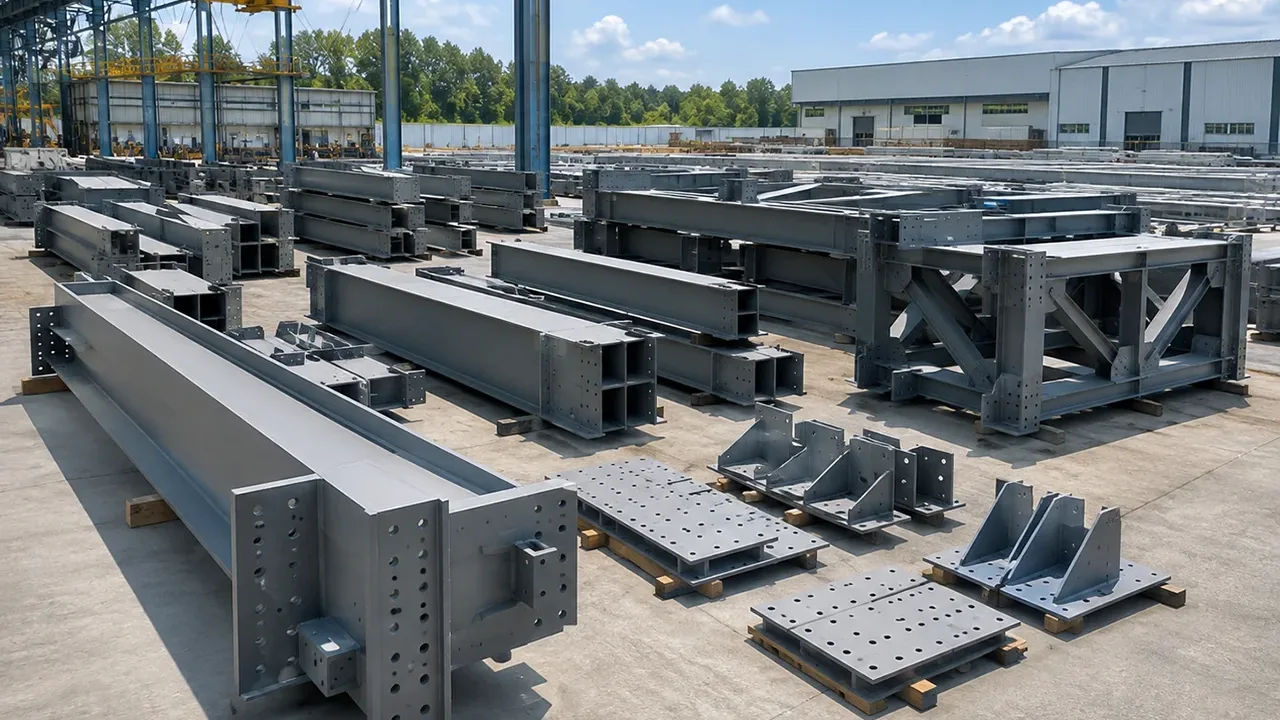
Steel component fabrication is the process of converting raw steel plates, sections, tubes, and profiles into finished structural parts. The work may involve cutting, drilling, forming, assembly, welding, surface treatment, inspection, marking, and packaging.
The final products can range from simple base plates and connection plates to large welded beams, columns, trusses, bracing systems, and complex assemblies. Each component is produced according to approved shop drawings and technical specifications.
Raw Steel Processing vs Finished Components
Raw steel processing normally refers to basic operations such as cutting plates or drilling holes. Finished component fabrication involves a broader production sequence in which several processed parts are assembled into a complete structural item.
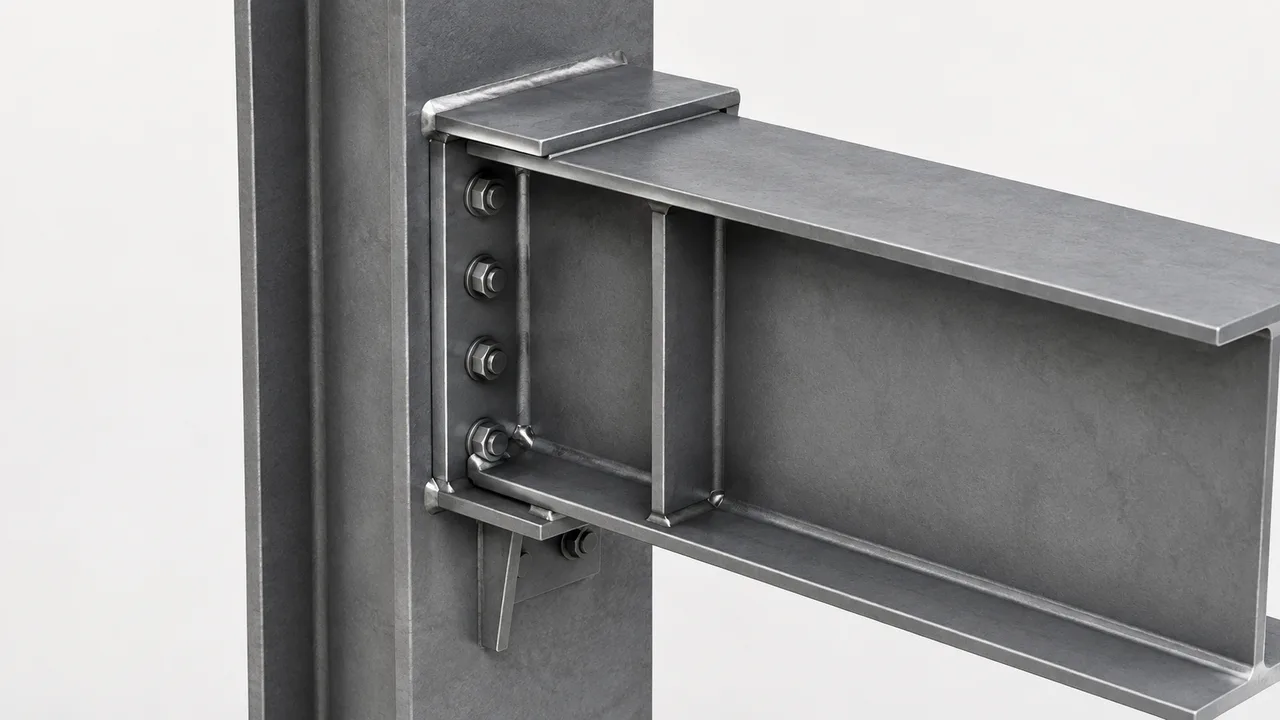
For example, a welded steel column may include flange plates, web plates, base plates, stiffeners, connection plates, bolt holes, and surface coatings. All these elements must be coordinated so the completed column can be installed without extensive site modification.
Why Fabrication Accuracy Matters
Dimensional accuracy has a direct impact on structural alignment and erection efficiency. Incorrect hole positions, excessive distortion, or inconsistent component lengths can create installation problems and increase labor requirements.
Controlled fabrication improves connection accuracy, reduces rework, supports structural performance, and helps maintain the construction schedule. It also provides better traceability because each part can be linked to drawings, material records, and inspection documents.
Steel Components We Fabricate
Steel Beams
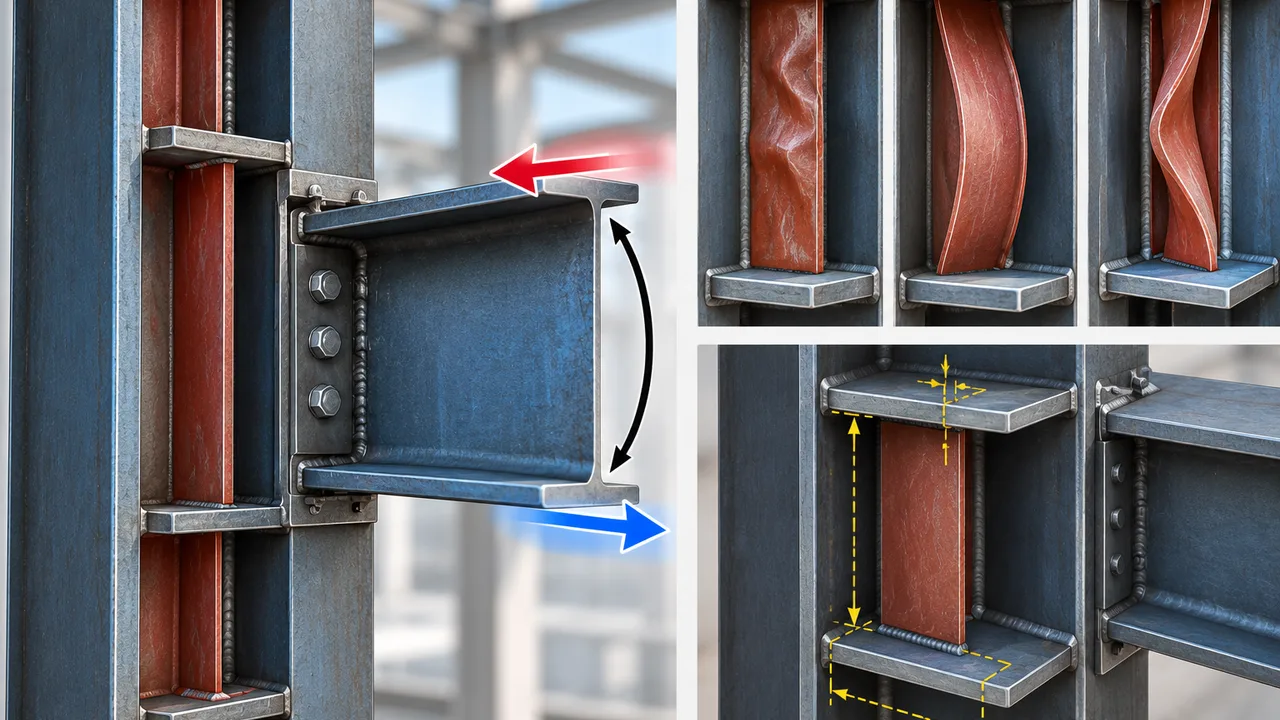
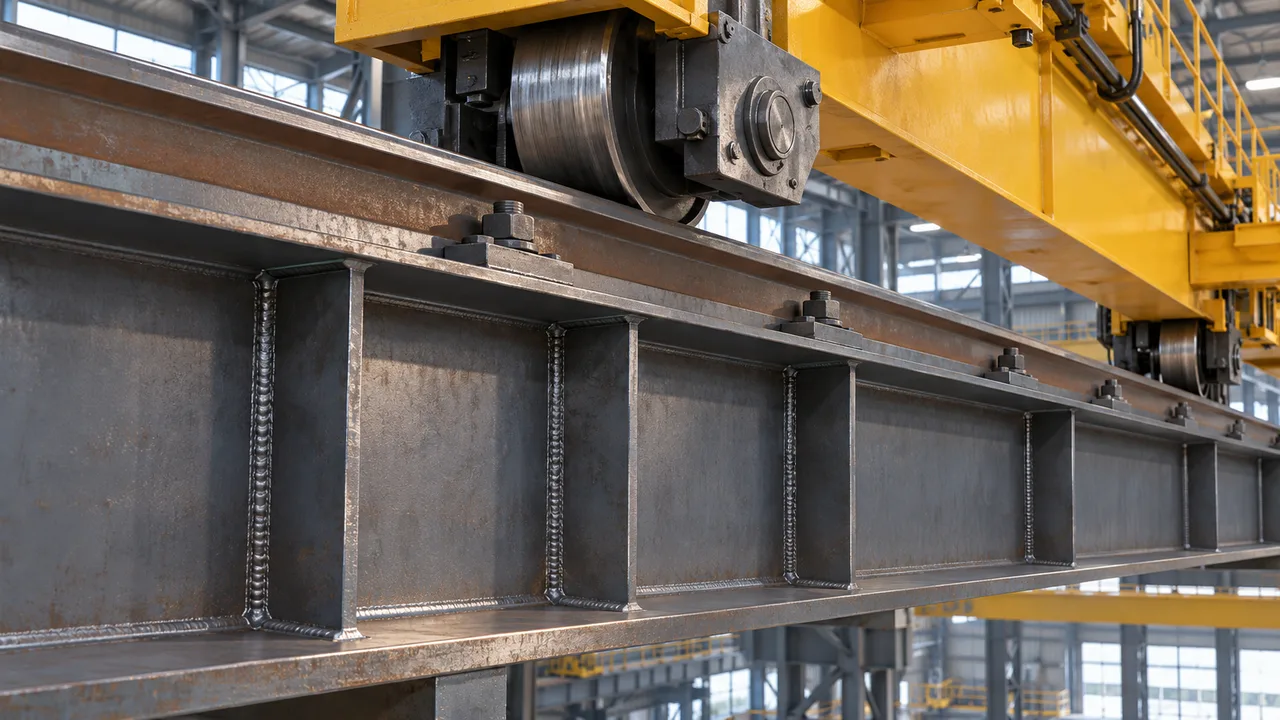
Steel beams transfer roof, floor, equipment, and operational loads to columns or supporting structures. Fabricated beams may include welded H-sections, plate girders, crane beams, transfer beams, secondary beams, and custom members.
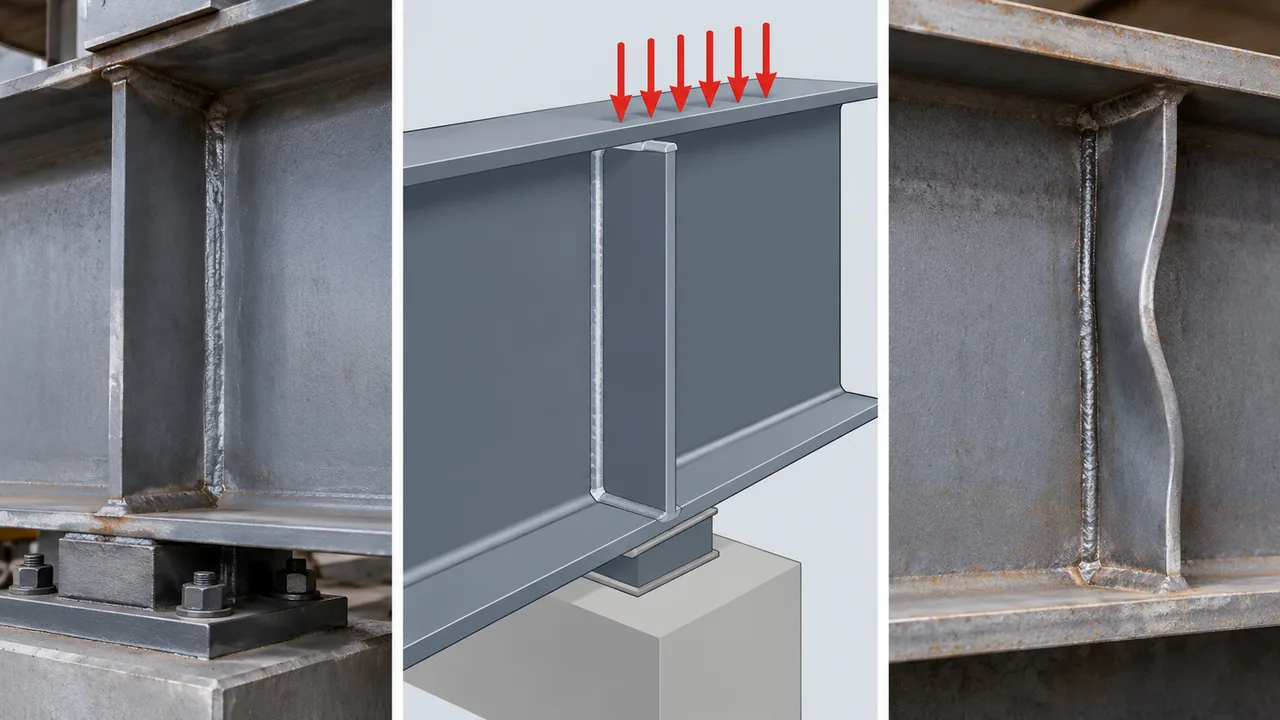
Depending on the design, beams can be produced with stiffeners, end plates, splice plates, brackets, lifting points, and prepared connections.
Steel Columns
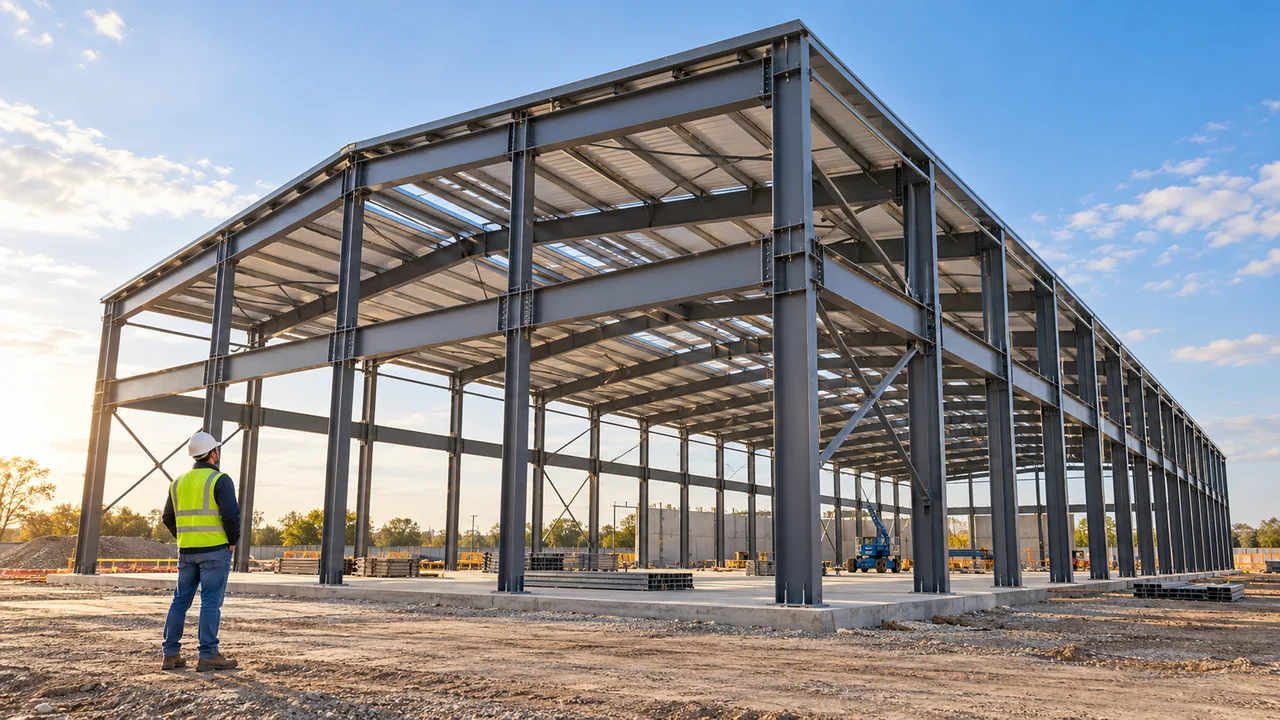
Columns form the primary vertical support system of many steel buildings. They may be manufactured from rolled sections, welded plate sections, box sections, tubular members, or built-up profiles.
Column fabrication can include base plates, anchor bolt holes, connection plates, brackets, stiffeners, and attachment points for beams, bracing, walls, or equipment.
Steel Trusses
Trusses are commonly used where long spans, reduced structural weight, or open interior space are required. Typical applications include factories, warehouses, aircraft hangars, sports buildings, terminals, and industrial roofs.
Truss components require careful control of member lengths, node geometry, connection positions, and overall alignment. Shop assembly or trial fitting may be arranged where needed.
Steel Frames
Fabricated frame systems may include portal frames, equipment frames, support frames, platform frames, modular units, and special industrial structures. Frames can be delivered as separate members or partially assembled sections depending on transport limitations.
Bracing Systems
Bracing members help stabilize buildings against wind, seismic forces, and operational loads. Fabricated bracing can include rods, angles, channels, hollow sections, gusset plates, clevis connections, and bolted assemblies.
Base Plates and Connection Plates
Base plates distribute column loads to concrete foundations, while connection plates join beams, columns, braces, and other members. Accurate plate dimensions and hole locations are essential for proper installation.
Plate fabrication may include CNC cutting, drilling, slotting, beveling, bending, and welding to larger assemblies.
Purlins and Girts
Purlins support roof panels, while girts support wall systems. These secondary components can be manufactured from C-sections, Z-sections, channels, angles, or other cold-formed profiles.
Hole patterns, overlaps, connection details, and corrosion protection can be adjusted to suit the building design.
Custom Steel Components
Custom fabrication may include machinery supports, pipe racks, industrial platforms, stairs, ladders, walkways, equipment bases, conveyor supports, access structures, and unusual architectural or industrial assemblies.
These components are produced according to project-specific drawings, load conditions, installation requirements, and operational constraints.
Our Steel Component Fabrication Capabilities
Engineering Review
Before production begins, drawings and technical documents are reviewed for material grades, dimensions, connections, tolerances, welding requirements, surface treatments, and transport limitations.
This review helps identify missing details, conflicting dimensions, impractical assemblies, and other issues that could affect manufacturing or installation.
CNC Cutting and Plate Processing
CNC equipment can be used to cut steel plates and profiles accurately according to digital production data. Processing may include straight cutting, shaped cutting, beveling, notching, and preparation for welded assemblies.
Automated cutting supports consistent dimensions across repeated parts and reduces manual variation.
CNC Drilling
Accurate drilling is essential for bolted connections. CNC drilling equipment helps maintain hole diameter, spacing, edge distance, and alignment according to approved fabrication drawings.
Section Processing
Rolled sections, tubes, channels, and other profiles can be cut, drilled, notched, and prepared for assembly. Processing plans are organized according to the component type and production batch.
Welding and Assembly
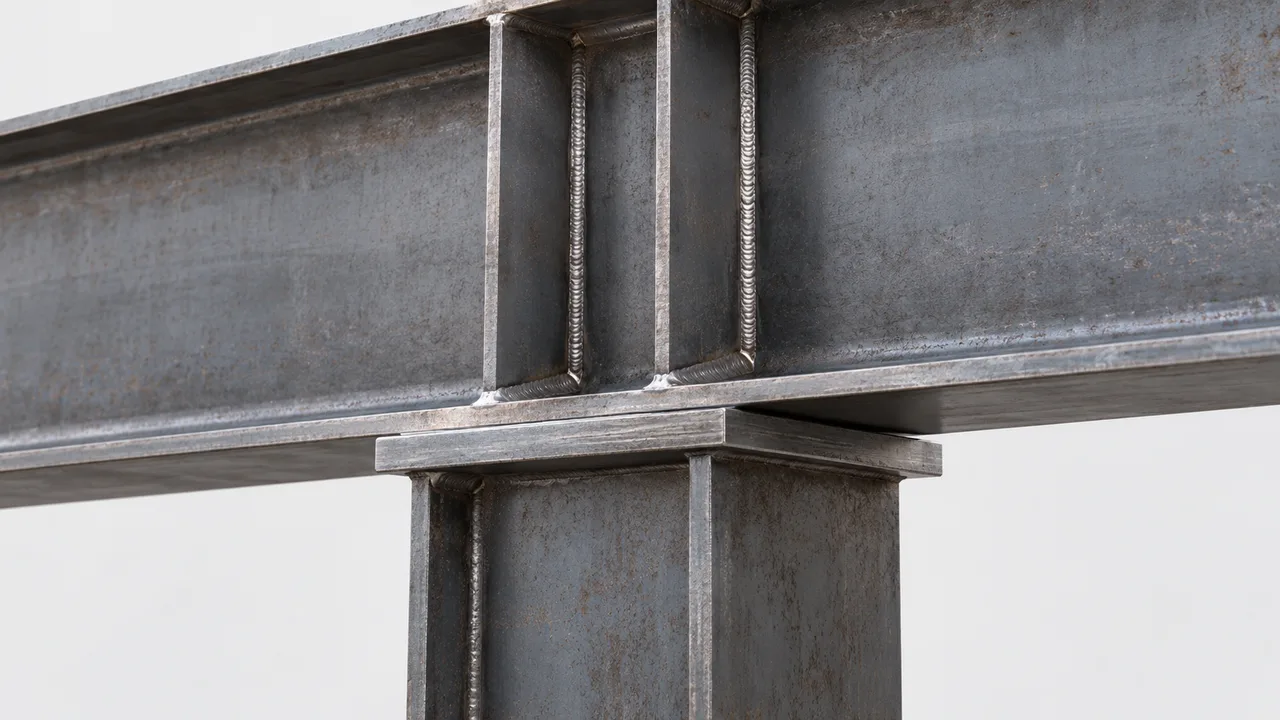
Individual plates and profiles are positioned, fitted, and welded into finished components. Assembly fixtures and dimensional checks help control geometry before and during welding.
Welding sequences are planned to reduce distortion and maintain the required shape of the finished member.
Surface Preparation and Coating
Fabricated components can receive shot blasting, primer, intermediate coatings, finish paint, or hot-dip galvanizing depending on the project environment.
The selected protection system should reflect exposure conditions, expected service life, maintenance requirements, and customer specifications.
Identification and Packaging
Every component can be marked with a unique identification code linked to the packing list and erection drawings. Clear marking helps site teams sort and install the components efficiently.
Packaging can be arranged by building zone, installation sequence, component type, container size, or customer-defined logistics requirements.
Steel Component Fabrication Process
Drawing Review and Technical Confirmation
The process begins with a review of shop drawings, material schedules, welding notes, coating requirements, inspection plans, and delivery conditions. Technical questions are resolved before production release.
Material Procurement and Verification
Steel plates, sections, tubes, bolts, and other materials are selected according to the approved specifications. Material grade, dimensions, surface condition, and certification documents can be checked before processing.
Precision Manufacturing
Raw materials are cut, drilled, prepared, assembled, and welded according to the production drawings. Work is organized by batch to maintain traceability and support delivery planning.
Dimensional Inspection
Critical dimensions are checked during and after fabrication. Typical inspection points include overall length, width, height, diagonal measurements, hole spacing, plate position, straightness, and connection alignment.
Surface Treatment
After fabrication and inspection, components are cleaned and coated according to the specified surface protection system. Areas requiring special handling, such as bolted friction surfaces or field-welded zones, can be prepared accordingly.
Final Quality Inspection
Before release, finished components are checked for quantity, identification, dimensional conformity, weld condition, coating quality, and overall appearance. Nonconforming items are corrected before packing.
Packing and Shipment
Components are grouped and secured for transport. Packing methods are selected to reduce movement, protect coated surfaces, and simplify unloading at the destination.
Applications of Steel Component Fabrication
Industrial Buildings
Industrial projects require columns, beams, crane supports, platforms, equipment frames, and other components designed for operational loads and demanding environments.
Warehouses and Logistics Facilities
Warehouse projects commonly use portal frames, roof beams, columns, purlins, bracing, loading canopies, mezzanine structures, and connection components.
Manufacturing Plants
Manufacturing facilities may require structural components coordinated with production lines, overhead cranes, service platforms, ventilation systems, and future expansion plans.
Commercial Buildings
Commercial structures can use fabricated steel members to create open layouts, fast construction schedules, flexible floor plans, and architectural features.
Agricultural Buildings
Steel components are used in grain storage buildings, livestock facilities, machinery sheds, processing plants, and agricultural warehouses. Surface protection can be selected for humid or corrosive environments.
Infrastructure Projects
Infrastructure applications may include stations, pedestrian bridges, corridors, canopies, toll facilities, support frames, and specialized transport structures.
Mining and Energy Facilities
Mining and energy projects often require heavy-duty platforms, equipment supports, pipe racks, conveyor structures, workshops, and maintenance buildings.
Quality Assurance for Fabricated Components
Material Verification
Material records can be reviewed to confirm the required steel grade and product specification. Traceability procedures may be applied according to project requirements.
Dimensional Accuracy
Inspection is performed at key production stages to ensure that fabricated members remain within the specified tolerances.
Welding Inspection
Welds can be visually inspected and, when required, evaluated through additional testing methods defined in the project inspection plan.
Coating Inspection
Surface cleanliness, paint coverage, coating thickness, and finish condition can be checked before shipment.
Factory Final Inspection
The final inspection confirms that the completed order matches the approved drawings, quantities, identification system, and delivery documentation.
Why Choose XTD Steel Structure?
- In-house production for primary and secondary steel components
- Advanced CNC cutting and drilling equipment
- Support for standard and custom fabrication requirements
- Engineering coordination before production
- Controlled welding, assembly, and dimensional inspection
- Multiple surface treatment options
- Export-ready marking, packaging, and documentation
- Production planning for phased or large-volume deliveries
Our steel component fabrication service is designed to give contractors and project owners a reliable manufacturing source for both complete structural packages and individual component orders.
Frequently Asked Questions
Can you fabricate components from our drawings?
Yes. Components can be manufactured from customer-provided engineering drawings, shop drawings, material schedules, and technical specifications.
Can we order individual steel components?
Yes. Orders can include individual beams, columns, plates, trusses, frames, bracing members, or other selected components without requiring a complete building package.
What surface treatments are available?
Available options may include shot blasting, primer, multi-layer painting systems, and hot-dip galvanizing, depending on component size and project requirements.
Do you provide export packaging?
Yes. Components can be marked, bundled, protected, and packed for containerized or conventional international shipment.
Can you manufacture custom components?
Yes. Custom components can be produced according to project-specific geometry, connection details, load requirements, and installation conditions.
Request a Steel Component Fabrication Quote
Send your drawings, bill of materials, steel grades, component quantities, surface treatment requirements, delivery location, and target schedule. Our team will review the technical information and prepare a tailored steel component fabrication proposal for your project.