Complete Fabrication-to-Installation Support for Steel Projects
Steel structure work involves more than producing separate steel members in a factory. Each column, beam, rafter, bracing member, base plate, connection plate, and secondary component must be designed, processed, marked, packed, and delivered in a way that supports efficient assembly on site.
A complete steel fabrication and installation solution connects factory production with the actual construction sequence. This helps the project team avoid mismatches between drawings, fabricated components, transportation planning, site access, lifting equipment, and installation order.
For project owners and contractors, this integrated approach creates better control over schedule and quality. Instead of treating fabrication and erection as separate responsibilities, the project is managed around the final assembled structure.
Why Fabrication and Installation Should Be Planned Together
Fewer Site Errors and Rework
Site problems often begin long before installation starts. Inaccurate shop drawings, unclear member numbers, poor connection detailing, or inconsistent bolt-hole tolerances can create delays during erection. When components are already painted, packed, and delivered, correcting these problems on site becomes more expensive and time-consuming.
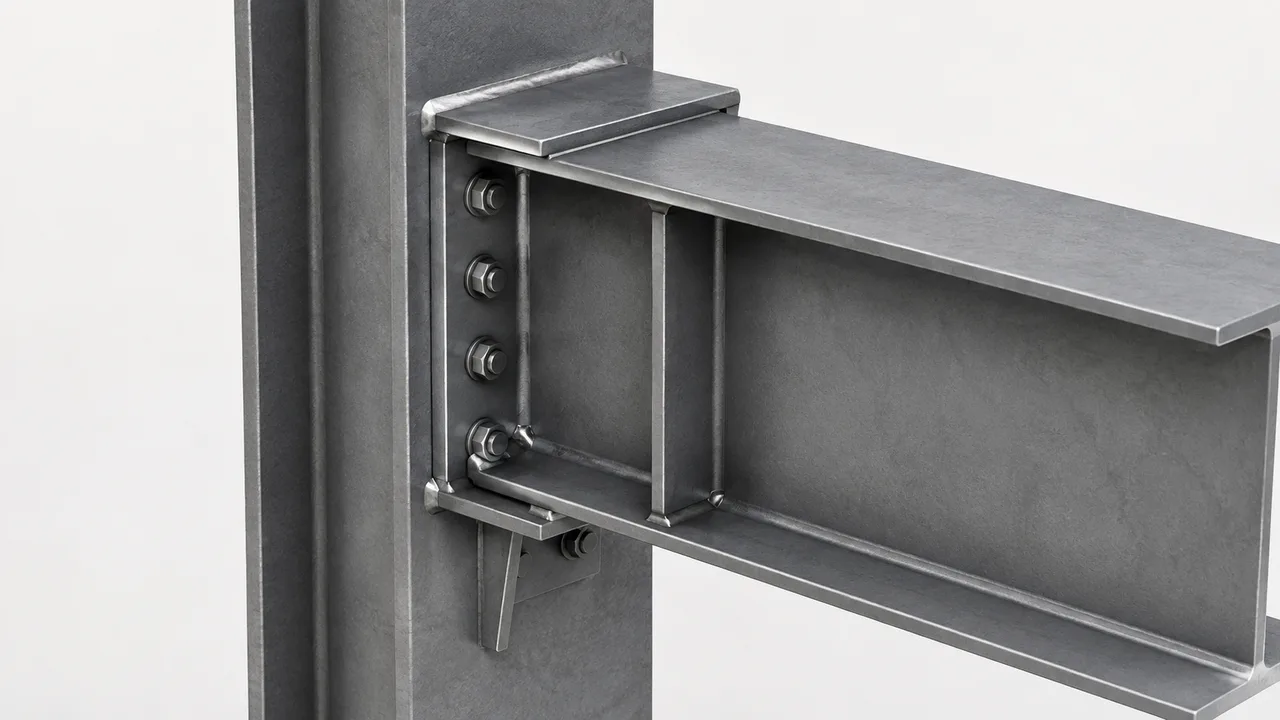
Planning fabrication and installation together helps reduce these risks. Connection plates, base plates, bolt positions, lifting points, and assembly sequence can be checked before production is completed. This gives the installation team components that are easier to identify, lift, align, and fasten.
Faster Steel Structure Erection
Prefabricated steel components are valuable because most of the cutting, drilling, welding, and surface treatment work is completed before the material reaches the site. However, prefabrication only saves time when the components are manufactured and delivered in a logical erection sequence.
Proper marking, packing, and delivery coordination allow columns, beams, bracing, purlins, wall supports, and roof members to be installed with fewer interruptions. This is especially important for projects with limited site storage, tight schedules, or phased construction requirements.
Better Control Over Quality and Schedule
Factory fabrication provides a more controlled environment for material processing, welding, dimensional checking, and surface protection. Installation planning then ensures that these components are used correctly in the field. Together, they create a more predictable construction process.
For export projects, coordination becomes even more important. Once steel components are shipped internationally, fixing fabrication or packing issues becomes difficult. A coordinated workflow helps reduce missing parts, wrong sequence delivery, and unclear site assembly information.
Steel Fabrication Services Before Installation
Material Preparation and Cutting
The fabrication stage starts with material preparation. Steel plates, H-beams, columns, rafters, tubes, channels, angles, and other sections are selected and processed according to approved drawings. CNC cutting, drilling, punching, and profiling help improve component accuracy and reduce manual adjustment during installation.
Accurate material preparation is essential because small errors can affect the entire structure. If bolt holes, member lengths, or connection plates are not controlled properly, the erection process may face alignment issues later.
Welding, Assembly, and Dimensional Control
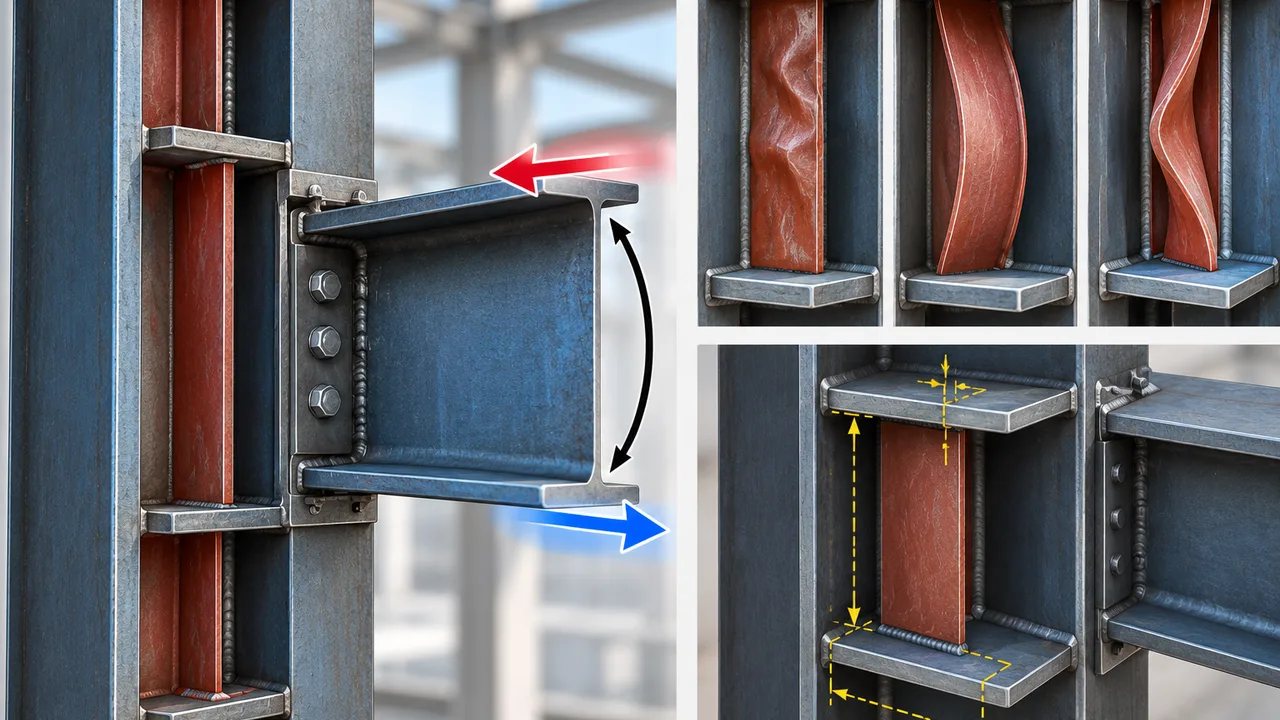
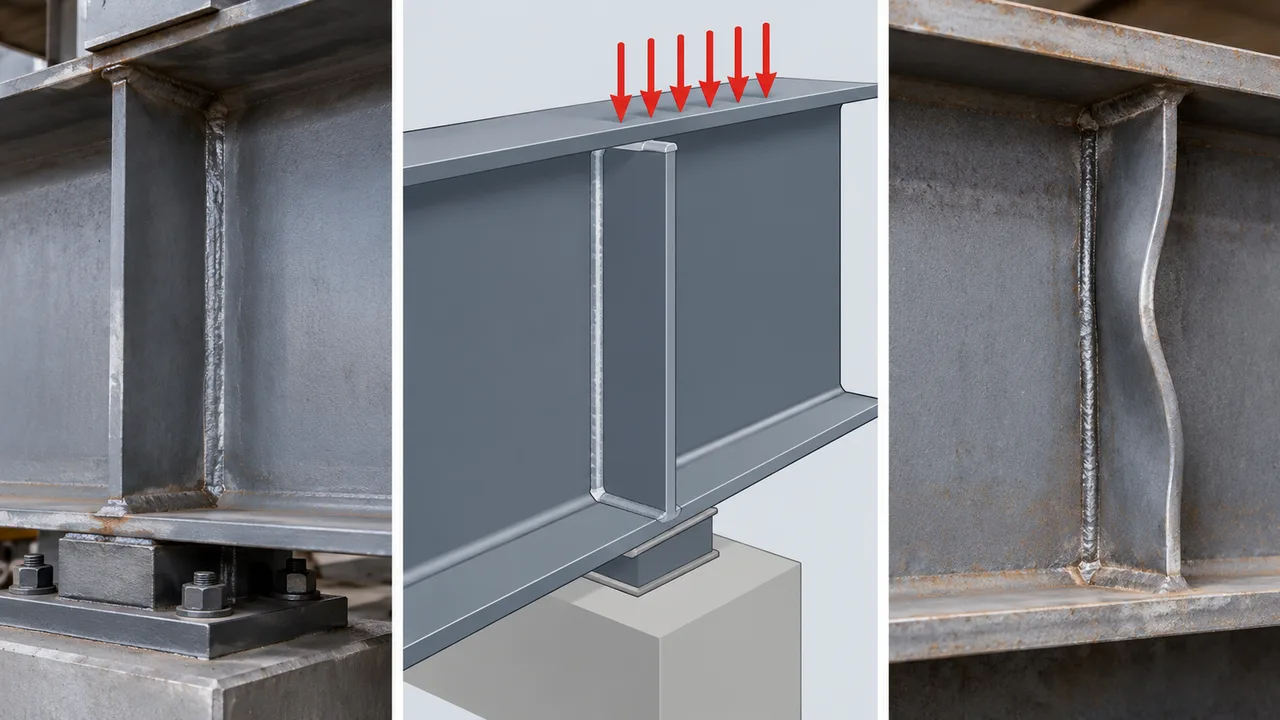
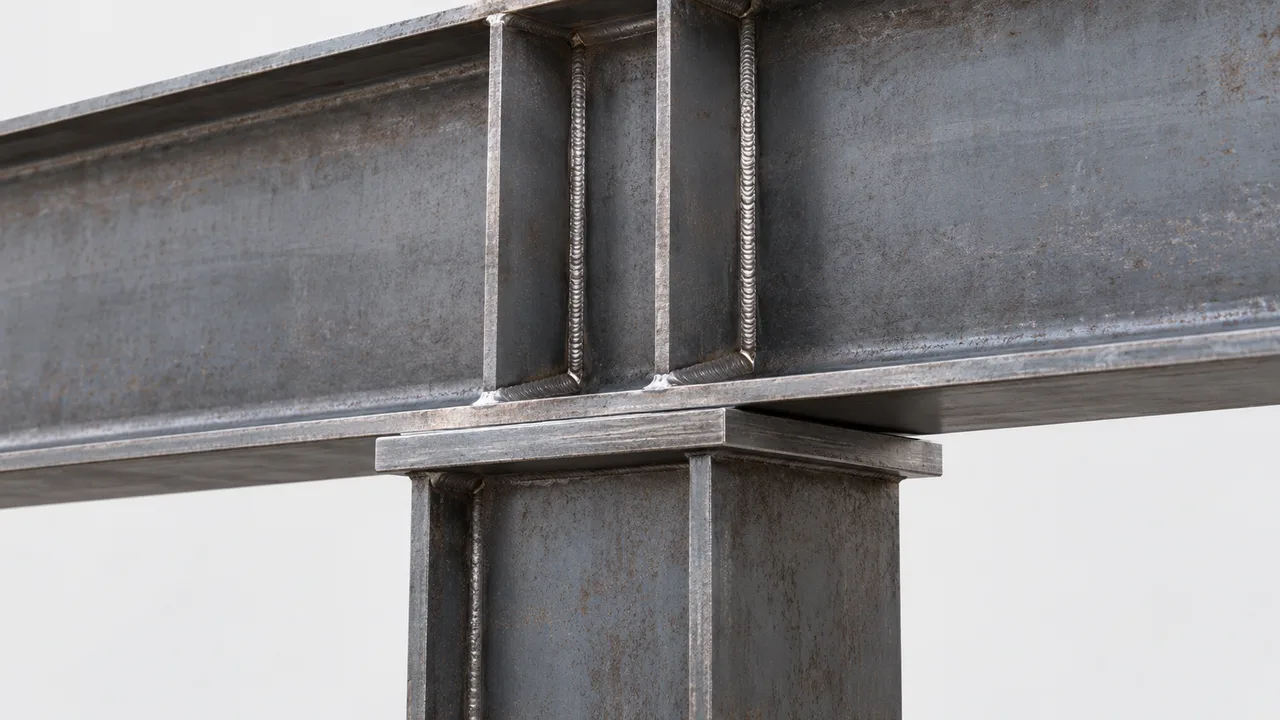
Welding and assembly are key parts of structural steel fabrication. Built-up members, connection assemblies, stiffeners, base plates, and bracing components must be welded according to project requirements. Dimensional checks help confirm that fabricated components match the drawings and can connect correctly during installation.
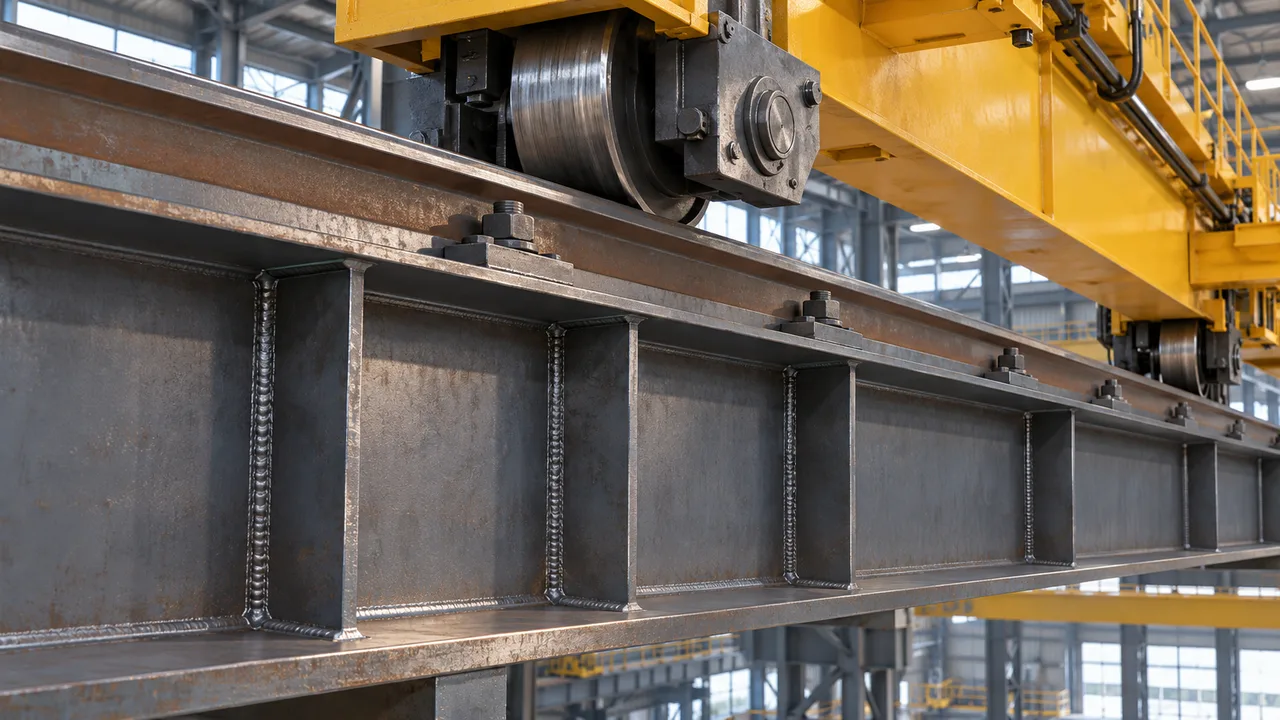
For more complex structures, trial assembly or additional fit-up checks may be useful before shipment. This can be especially important for long-span structures, crane-supported buildings, industrial platforms, and custom steel components where site tolerance is limited.
Surface Treatment and Corrosion Protection
Surface treatment helps protect steel components during transportation, installation, and long-term service. Depending on the project environment, steel members may require blasting, primer, finish coating, hot-dip galvanizing for selected components, or industrial anti-corrosion paint systems.
The protection system should be selected based on climate, humidity, corrosion exposure, building use, and expected service life. Proper coating also requires attention during packing and handling so that surface damage is minimized before installation.
Installation Planning for Steel Structure Projects
Component Marking and Packing Sequence
Clear component marking is one of the simplest ways to improve site efficiency. Each fabricated member should be identified according to the erection drawings and packing list. This helps the installation team find the right part quickly and reduces confusion during assembly.
Packing should also reflect the construction sequence. If the first components required on site are buried behind later-stage members, unloading and handling become inefficient. For international delivery, organized packing and labeling are even more important because the site team may depend heavily on the accuracy of shipment documentation.
Site Assembly and Frame Erection
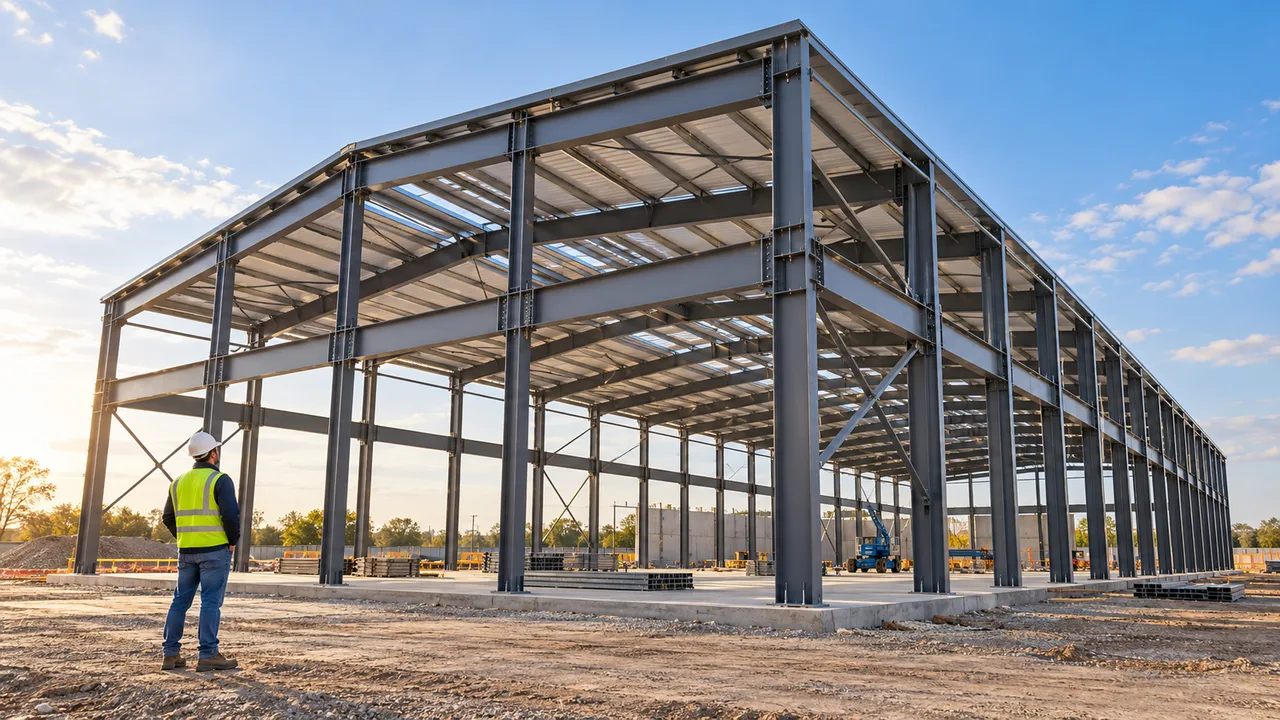
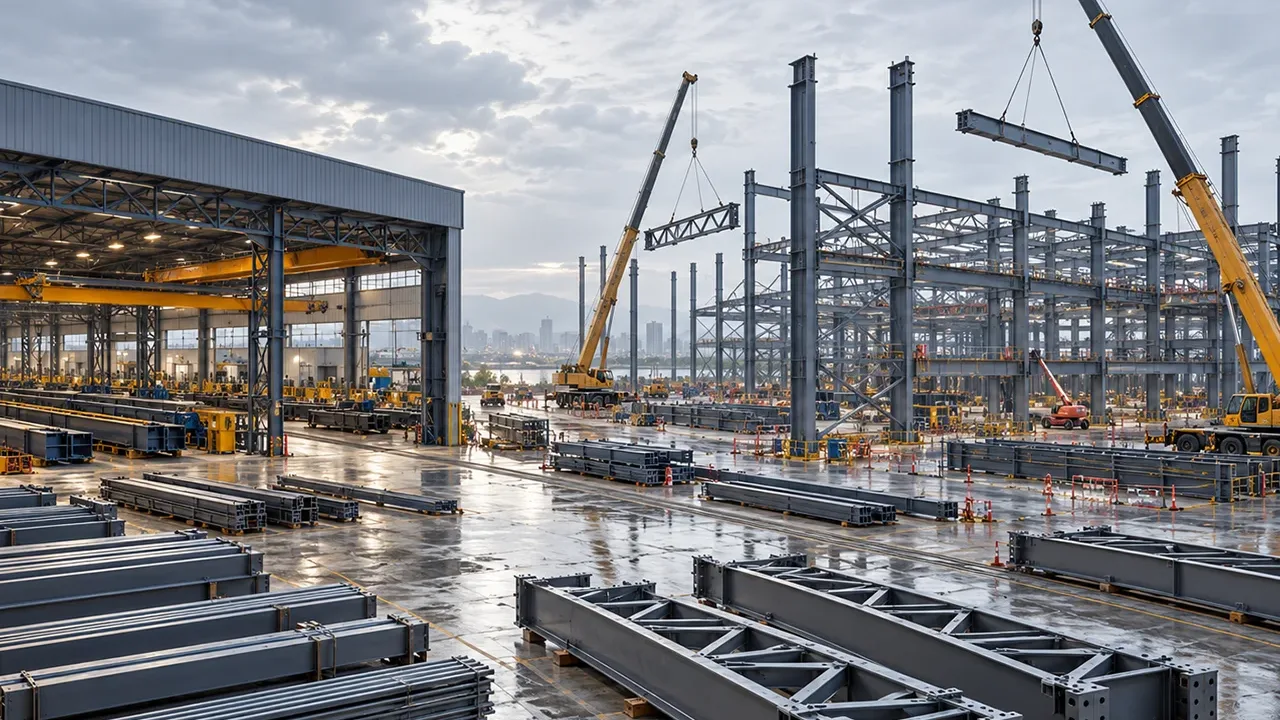
Steel structure installation usually begins with anchor bolt checking, column erection, primary frame assembly, and bracing installation. After the main structure is stabilized, secondary members such as purlins, girts, roof supports, wall supports, and other accessories can be installed.
Correct frame alignment is important before the structure is fully tightened or enclosed. Temporary bracing, measurement checks, and connection inspection help ensure that the final steel building performs as designed.
Crane, Access, and Safety Coordination
Installation planning must consider lifting equipment, crane capacity, site access, unloading area, storage space, weather conditions, and safety procedures. Large or heavy steel members may require special lifting arrangements, while narrow sites may need a more controlled delivery and erection sequence.
Safety coordination is also essential. Temporary stability, fall protection, lifting control, bolt tightening, and work zone management should be considered before the installation team begins site work.
Project Types That Need Integrated Fabrication and Installation
Integrated fabrication and installation planning is useful for many types of steel structure projects. It is especially valuable when the project involves large dimensions, heavy members, export delivery, tight construction schedules, or complex site conditions.
- Steel structure warehouses requiring fast erection and organized shipment
- Industrial factory buildings with production areas, cranes, or equipment zones
- Workshops and manufacturing facilities that need durable steel frames and flexible layouts
- Commercial steel buildings combining structural performance with façade and service coordination
- Heavy steel platforms requiring precise connections and load-bearing reliability
- Pipe racks and industrial supports where alignment and installation sequence are critical
- Truss structures and long-span buildings with more complex fabrication and lifting requirements
Key Technical Details That Affect Installation Quality
The quality of installation is strongly influenced by decisions made during detailing and fabrication. Even when the steel material itself is strong, poor coordination can create unnecessary site problems. Important technical details include shop drawing accuracy, connection design, bolt-hole tolerance, weld quality, and member identification.
Base plate alignment and anchor bolt coordination also need careful attention. If foundation information and steel fabrication details are not coordinated, columns may be difficult to position correctly on site. Connection plates, splice locations, and bracing points should be reviewed with the erection process in mind.
Surface protection during transport is another practical detail. Coated members need proper packing, handling, and loading to reduce damage before installation. When coating damage does occur, repair procedures should be clear so that corrosion protection is maintained.
Fabrication and Installation Workflow
A clear workflow helps project owners understand how steel fabrication and installation move from technical planning to final assembly. The process may vary by project, but the main stages usually include the following:
| Stage | Main Work | Why It Matters |
|---|---|---|
| Requirement Review | Confirm building function, dimensions, loads, site conditions, and schedule | Creates a clear technical basis before detailing and production begin |
| Engineering and Detailing | Prepare structural design, shop drawings, connection details, and erection information | Reduces fabrication errors and improves installation readiness |
| Steel Fabrication | Cutting, drilling, welding, assembly, and component preparation | Turns design information into accurate steel members |
| Inspection and Surface Treatment | Check dimensions, welding, coating, marking, and component quality | Improves reliability before components leave the factory |
| Packing and Delivery | Pack components by shipment and erection sequence | Helps site teams unload, identify, and install components efficiently |
| On-Site Installation Support | Support frame erection, bracing, alignment, and connection completion | Helps the structure reach the intended design condition |
| Final Alignment and Completion | Verify alignment, connection completion, and installation quality | Supports long-term structural performance and project handover |
Benefits of Choosing One Coordinated Partner
When fabrication and installation support come from one coordinated team, communication becomes simpler. The same project logic can be carried from technical review to factory production, packing, delivery, and site assembly. This reduces responsibility gaps and helps the owner manage the project more efficiently.
XTD Steel Structure supports projects that require structural steel fabrication, component processing, export packing, delivery coordination, and installation planning. This makes it easier to connect factory work with site requirements, especially for overseas steel structure projects.
- One communication chain from detailing to delivery and installation support
- Fewer responsibility gaps between fabrication and site assembly
- Better delivery control through organized marking and packing
- Faster installation when components arrive in a practical erection sequence
- Improved quality consistency through factory-controlled processing and inspection
- Easier export coordination for international steel structure projects
What Clients Should Prepare Before Requesting a Quote
To receive a more accurate proposal, clients should prepare basic project information before requesting a quotation. The more clearly the requirements are defined, the easier it is to estimate material use, fabrication work, delivery needs, and installation support.
- Building dimensions, including length, width, height, and span requirements
- Project drawings, sketches, or layout plans if available
- Project location and local design conditions
- Steel structure type, such as warehouse, factory, platform, truss, or commercial building
- Expected installation scope and site support requirements
- Crane, equipment, mezzanine, or special loading requirements
- Target schedule for fabrication, delivery, and installation
- Surface treatment preference, such as painting or galvanizing
These details help the engineering and fabrication team provide a more practical solution rather than a generic estimate.
Steel Fabrication and Installation FAQs
What is included in steel fabrication and installation?
It usually includes material processing, cutting, drilling, welding, assembly, inspection, surface treatment, component marking, packing, delivery coordination, and support for on-site steel structure installation.
Why should fabrication and installation be coordinated together?
Coordination helps ensure that fabricated components match the erection sequence, connection details, site conditions, and installation requirements. This reduces rework, delays, and confusion during site assembly.
Can prefabricated steel components reduce site work?
Yes. Prefabricated components reduce the amount of cutting, welding, and adjustment required on site. Most of the main processing is completed in the factory, allowing the site team to focus on assembly and alignment.
Does installation support include overseas projects?
Yes. For overseas projects, support may include export packing, component marking, delivery coordination, installation drawings, technical guidance, and project-specific communication with the site team.
What information is needed before quotation?
Useful information includes building size, project location, drawings if available, structural type, loading requirements, surface treatment expectations, delivery destination, and required installation support.
Start Your Steel Fabrication and Installation Project
Reliable steel fabrication and installation depends on coordination before production begins. When drawings, fabrication details, packing sequence, delivery planning, and site erection requirements are connected, the final structure can be assembled with fewer problems and stronger quality control.
Share your drawings, building dimensions, project location, structure type, installation requirements, and expected schedule to begin planning a steel structure solution that connects fabrication, delivery, and site assembly from the start.