What Is Steel Fabrication for Mining Projects?
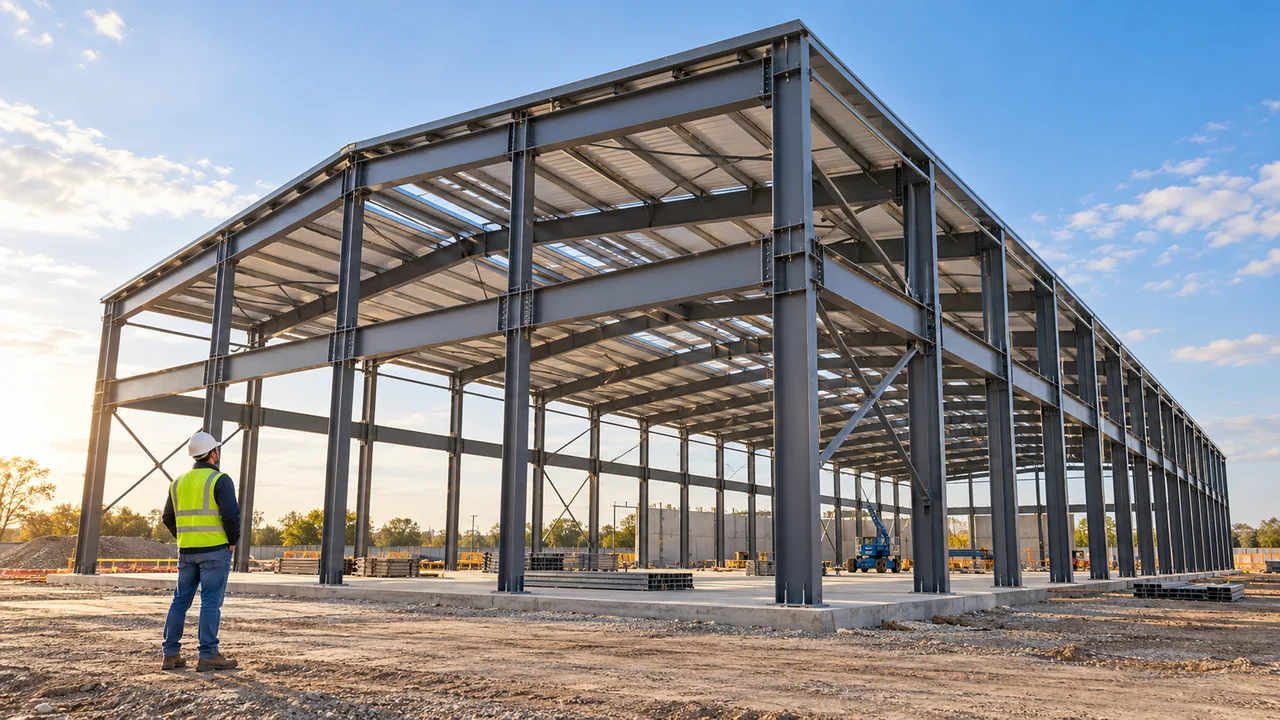
Steel fabrication for mining projects refers to the engineering, cutting, welding, assembly, and finishing of structural steel components designed specifically for mining facilities and supporting infrastructure. These fabricated components are engineered to support heavy equipment, material handling systems, processing operations, and operational facilities throughout the mining lifecycle.
Unlike conventional building fabrication, mining projects often require structures capable of supporting significant dynamic loads, resisting vibration, and performing reliably in harsh environments.
Mining steel fabrication may include:
- Processing plant structures
- Conveyor support systems
- Equipment platforms
- Crusher support buildings
- Maintenance workshops
- Storage facilities
- Pipe rack structures
- Access platforms and walkways
Each component must be designed and manufactured according to project-specific engineering requirements.
Why Mining Projects Depend on Steel Fabrication
Heavy Equipment Support
Mining facilities contain some of the largest and heaviest equipment used in industrial operations. Structural systems must safely support this equipment while maintaining operational reliability.
Examples include:
- Ore crushers
- Grinding mills
- Conveyor systems
- Screening equipment
- Material handling systems
Fabricated steel structures provide the strength required for these demanding applications.
High Structural Strength
Mining operations generate significant operational loads that require robust structural solutions.
Steel fabrication supports:
- Heavy static loads
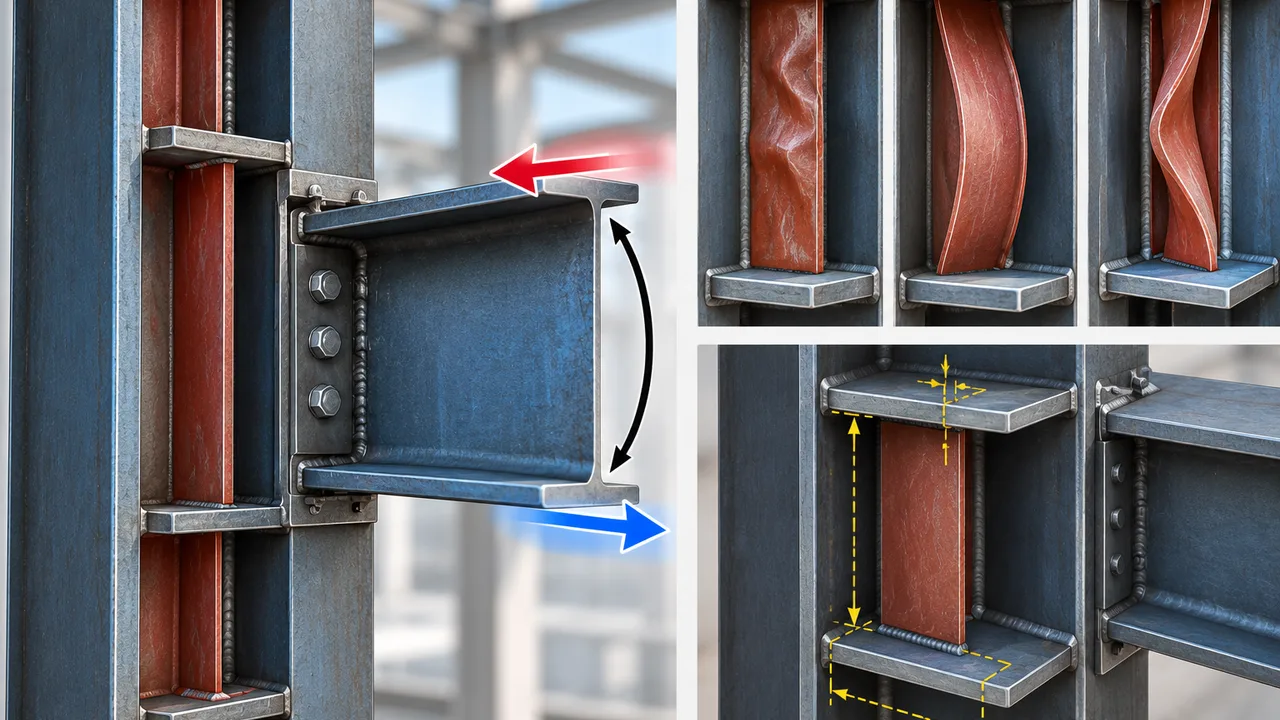
- Dynamic operational forces
- Equipment vibration
- Material movement loads
- Long-term structural stability
Proper engineering helps ensure safe and efficient performance throughout the facility’s service life.
Remote Project Locations
Many mining projects are located in remote regions where construction resources and labor may be limited.
Prefabricated steel structures offer advantages such as:
- Reduced site labor requirements
- Faster installation schedules
- Improved quality consistency
- Simplified logistics planning
- Reduced project risks
These benefits can significantly improve overall project efficiency.
Long-Term Durability
Mining facilities are exposed to dust, moisture, chemicals, and extreme weather conditions that can affect structural performance.
Professional steel fabrication incorporates:
- Corrosion protection systems
- Durable coatings
- Quality welding procedures
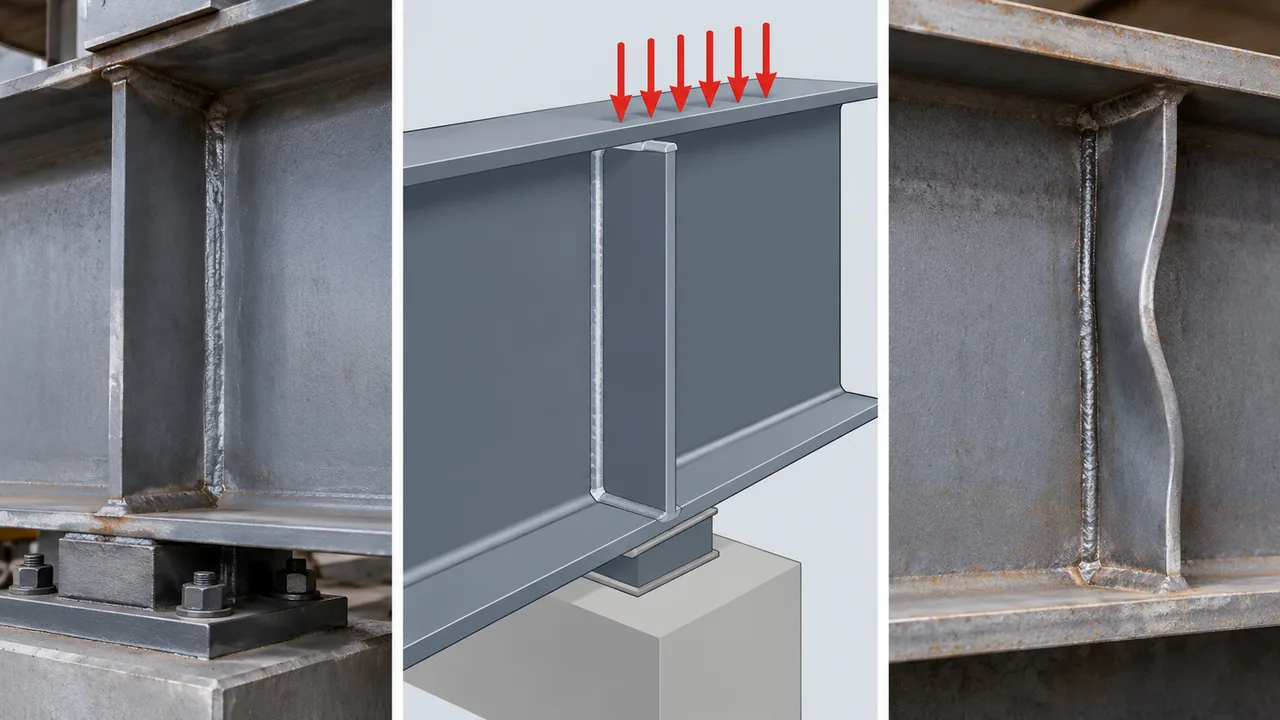
- Structural reinforcement strategies
- Maintenance-friendly designs
These measures help extend service life and reduce operational costs.
Types of Steel Structures Used in Mining Projects
Processing Plant Structures
Processing facilities are among the most critical structures within mining operations.
These buildings support:
- Ore processing equipment
- Material handling systems
- Control rooms
- Operational platforms
- Production infrastructure
Structural systems must accommodate both equipment loads and operational requirements.
Conveyor Support Structures
Conveyors transport large volumes of material throughout mining sites and often require extensive structural support systems.
Steel fabrication is used to produce:
- Conveyor galleries
- Support frames
- Transfer towers
- Elevated conveyor structures
- Maintenance access systems
These systems help ensure efficient material movement across mining facilities.
Crusher and Screening Buildings
Crusher stations and screening facilities generate substantial operational forces and vibration.
Structural systems for these facilities may include:
- Heavy-duty support frames
- Equipment foundations
- Maintenance platforms
- Structural bracing systems
- Equipment access structures
Engineering design must account for both static and dynamic loading conditions.
Maintenance Facilities
Mining operations require dedicated facilities for servicing equipment and maintaining production systems.
Typical maintenance buildings include:
- Repair workshops
- Equipment service centers
- Fabrication shops
- Tool storage facilities
- Maintenance support structures
Steel construction provides durability and flexibility for these operational facilities.
Mining Warehouses and Storage Buildings
Storage facilities help support continuous mining operations by housing spare parts, materials, and equipment.
Applications include:
- Inventory storage buildings
- Parts warehouses
- Equipment storage facilities
- Material storage structures
- Supply chain support buildings
Large-span steel structures maximize storage efficiency while maintaining operational flexibility.
Major Components Fabricated for Mining Operations
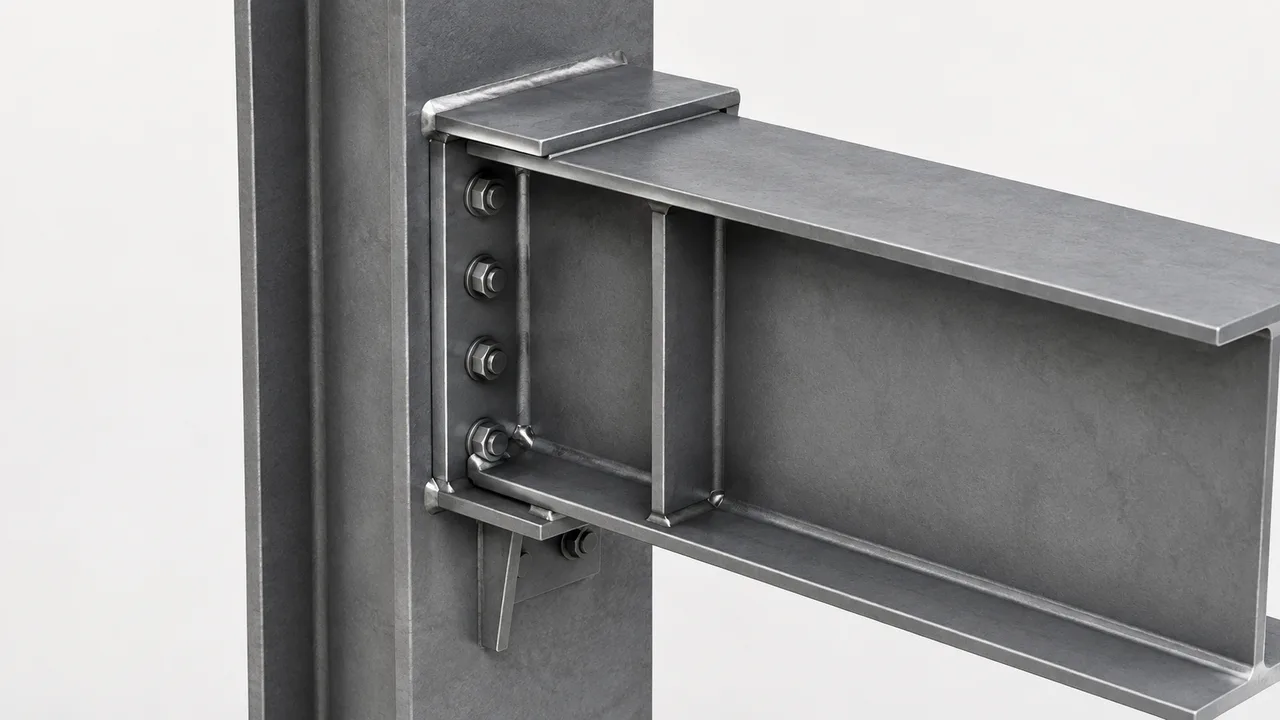
Heavy Steel Columns
Heavy steel columns support equipment, platforms, roof systems, and operational structures throughout mining facilities.
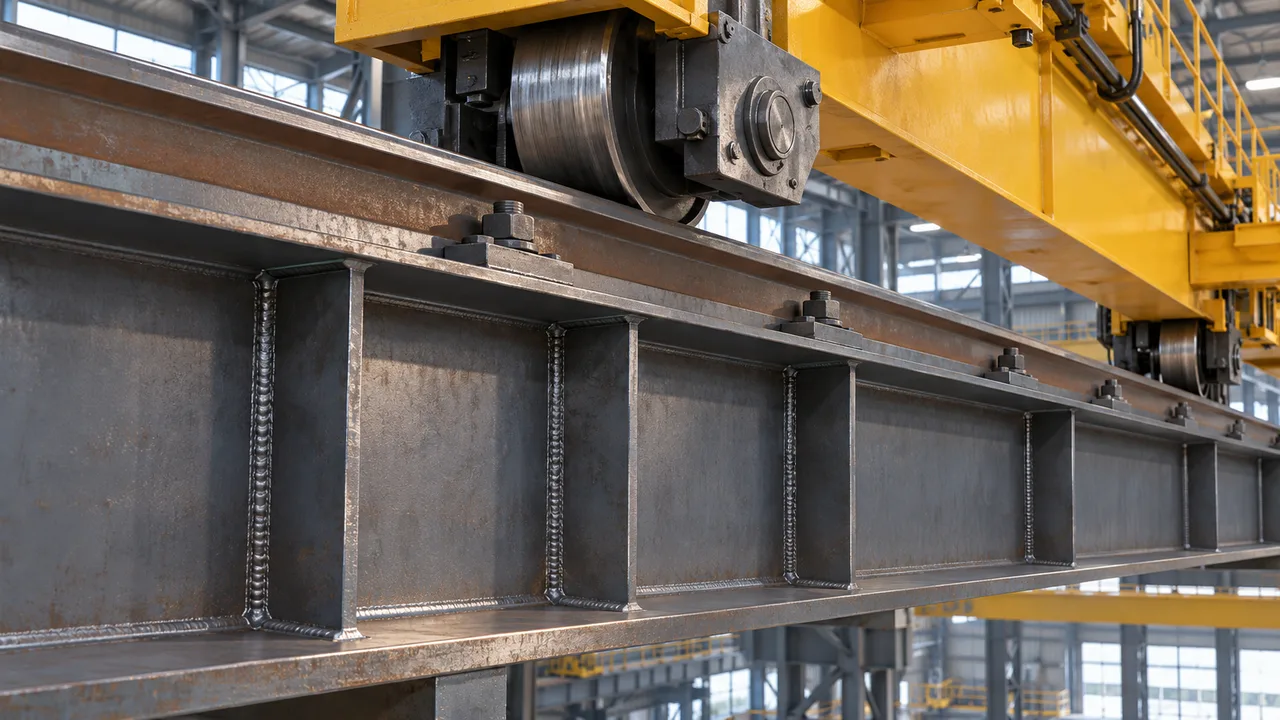
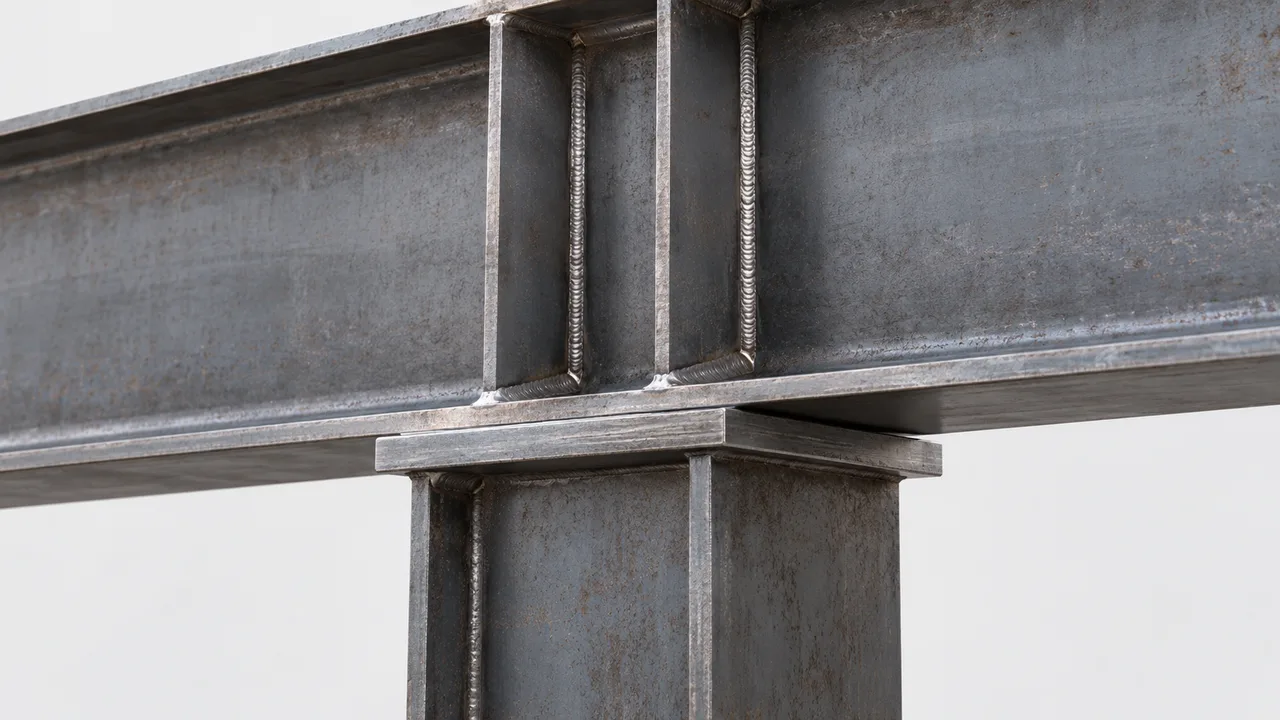
Structural Steel Beams
Steel beams transfer loads between columns while supporting equipment and building systems.
Equipment Support Platforms
Specialized platforms provide stable foundations for processing equipment, pumps, motors, and other operational systems.
Pipe Rack Structures
Pipe racks organize process piping and utility systems while improving maintenance access and operational efficiency.
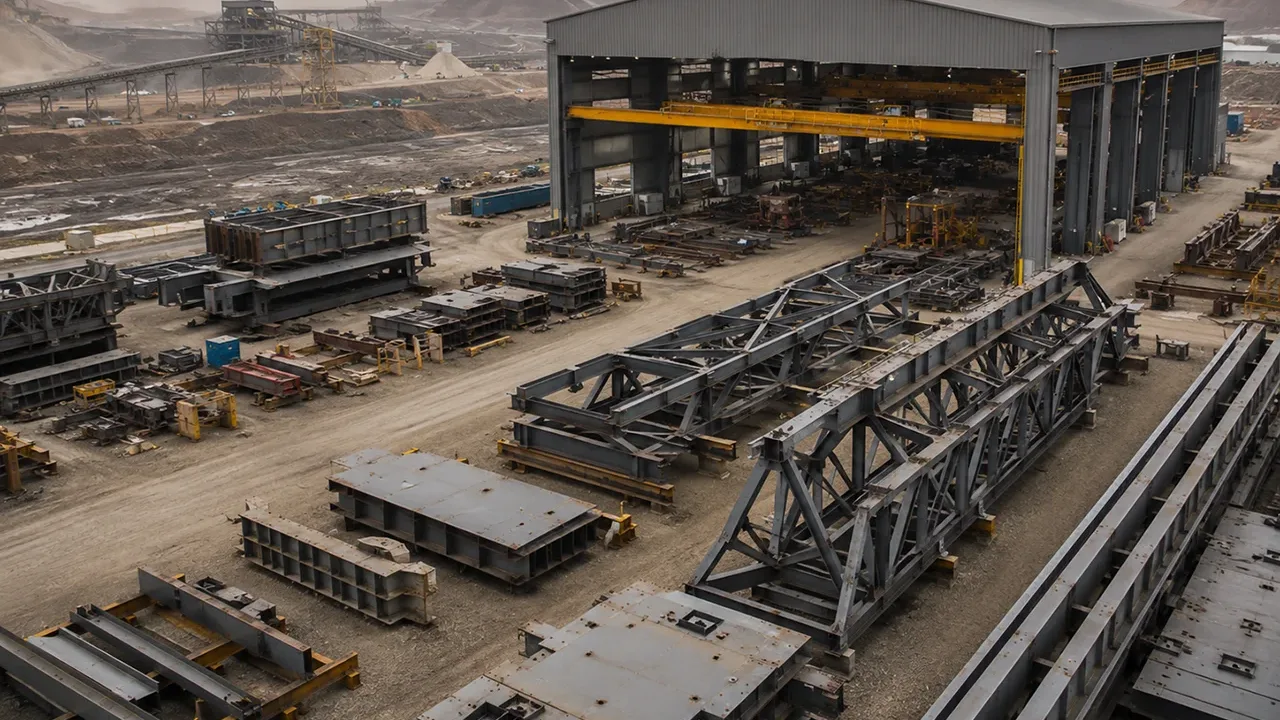
Conveyor Trusses
Steel trusses provide long-span support for conveyor systems transporting materials across mining sites.
Access Stairs and Walkways
Access systems improve safety and facilitate maintenance activities throughout mining operations.