Overview of Steel Factory Building Solutions
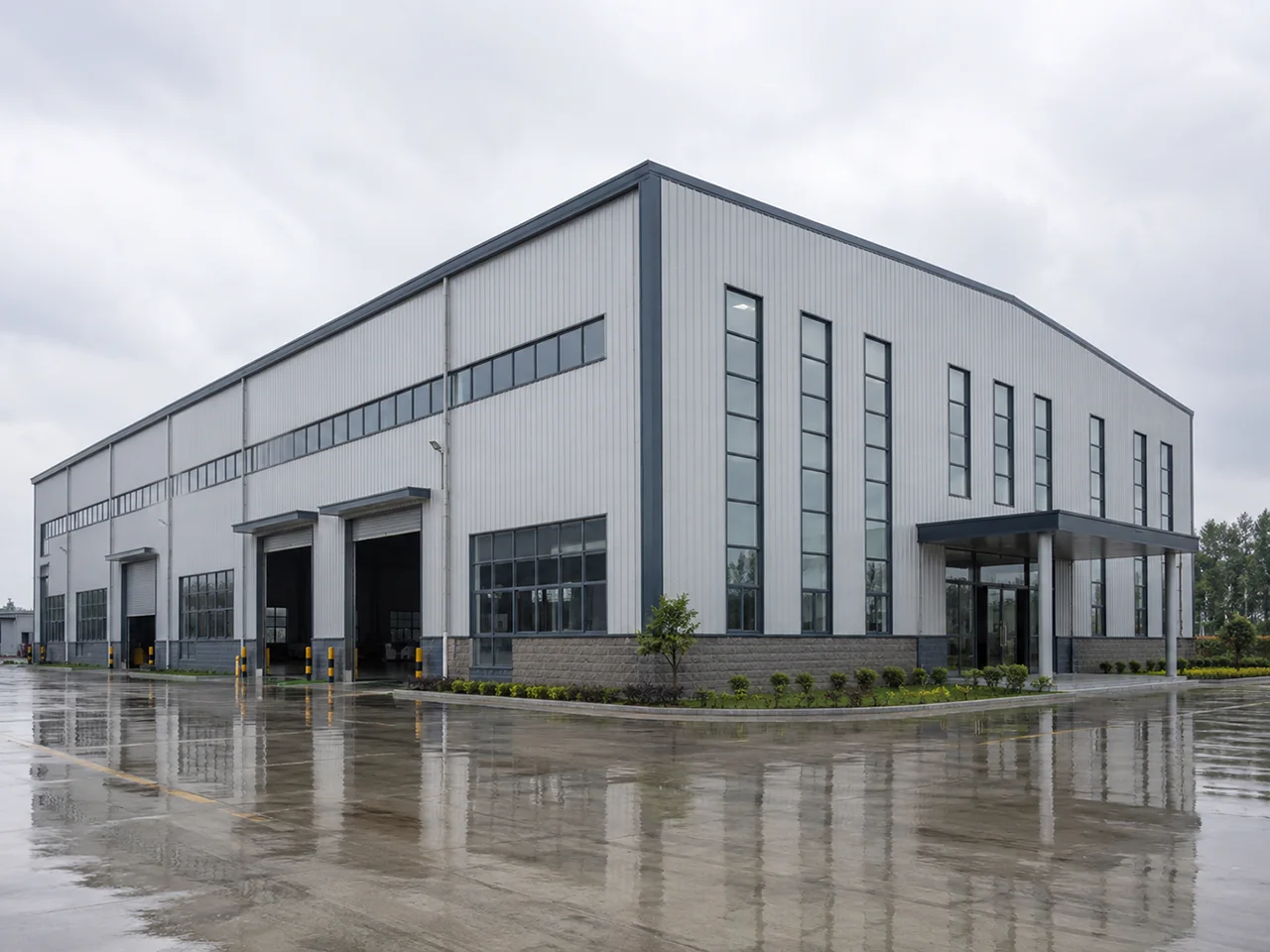
Industrial production requires facilities that can support continuous operations, heavy equipment, and efficient workflows. A well-designed steel factory building ensures structural reliability while enabling optimized production processes.
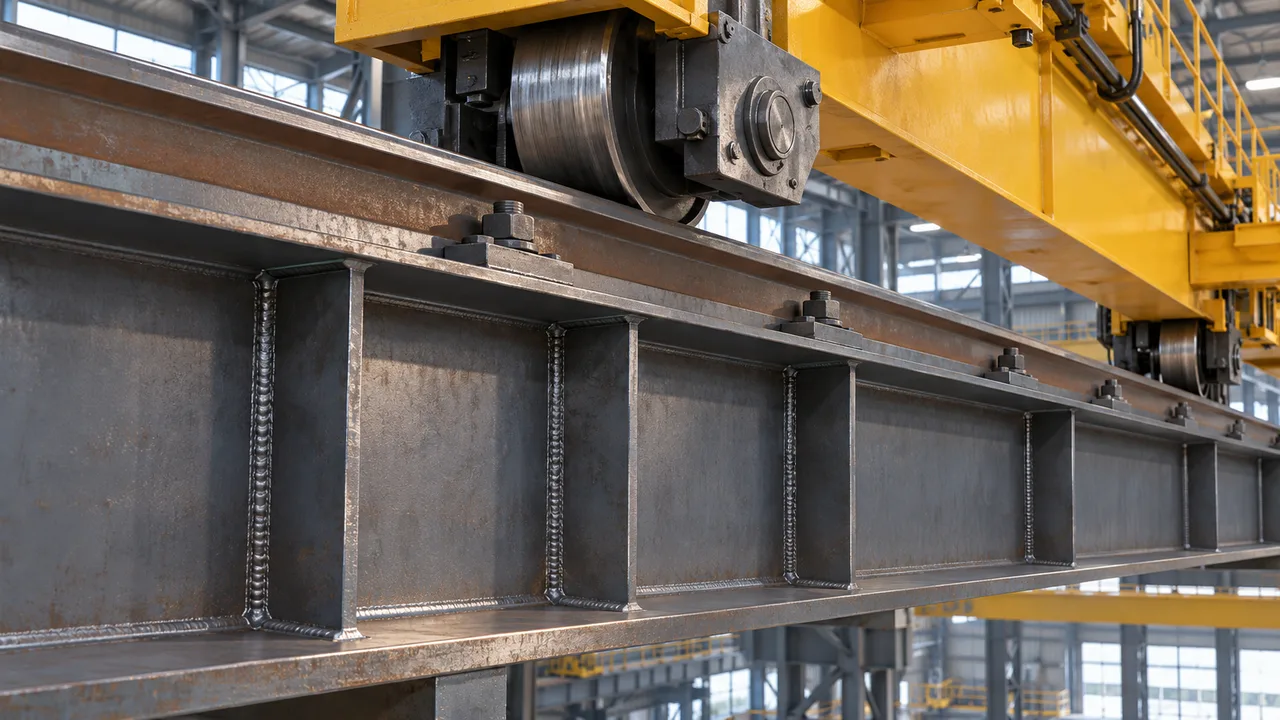
Steel construction allows for large spans and high clear heights, making it easier to install machinery, cranes, and industrial systems. This flexibility supports efficient layout planning and operational flow.
Additionally, steel factory buildings can be designed for future expansion, allowing companies to scale their operations as business demands grow.
Types of Steel Factory Building Structures
Portal Frame Steel Factory Buildings
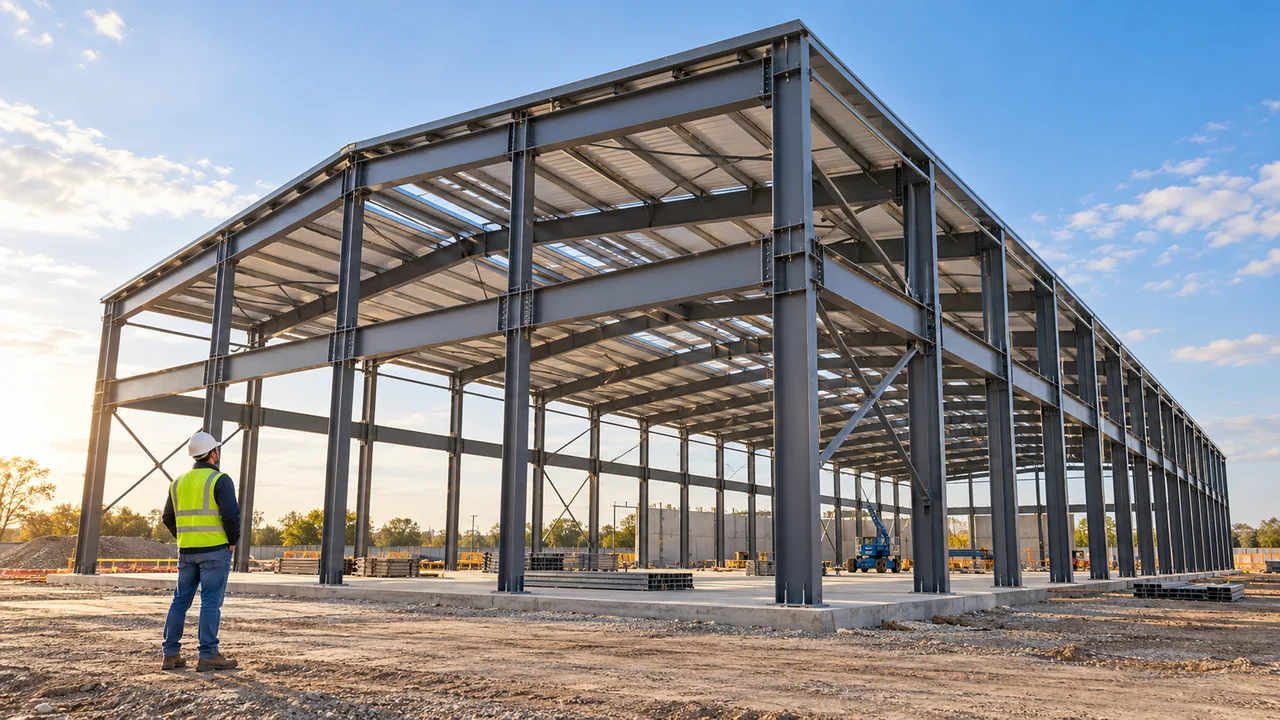
Portal frame structures are widely used in factory construction. They consist of rigid steel frames that create large open spaces with minimal internal columns.
Key benefits include:
- Cost-effective structural design
- Fast construction
- Flexible interior layout
- Efficient material usage
These features make portal frame systems suitable for a wide range of industrial applications.
Large Span Factory Buildings
Large span structures provide column-free spaces that are ideal for production lines, heavy equipment, and material handling systems. This design improves workflow efficiency and reduces operational constraints.
Such buildings are commonly used in large-scale manufacturing facilities.
Multi-Story Steel Factory Buildings
Multi-story factory buildings allow vertical expansion, making efficient use of limited land. A steel factory building can be designed with multiple levels to accommodate different production processes.
This approach increases space utilization and supports complex industrial operations.
Applications of Steel Factory Buildings
Manufacturing Plants
Steel factory buildings are widely used in manufacturing plants for assembly lines, production areas, and equipment installation.
They provide a stable and durable environment for industrial processes.
Industrial Processing Facilities
These buildings are suitable for both heavy and light industrial processing operations. They can support various production systems and machinery.
A properly designed steel factory building ensures efficient production flow.
Specialized Factory Buildings
Some industries require specialized factory environments, such as electronics manufacturing, automotive production, or food processing. Steel structures can be customized to meet specific operational requirements.
Structural Design Considerations
Load and Structural Requirements
Factory buildings must support various loads, including machinery, equipment, and dynamic forces. Engineers design steel structures to ensure stability and safety under these conditions.
Proper load analysis is essential for long-term performance.
Layout Planning and Workflow Optimization
Efficient layout planning is critical for production efficiency. Structural design must align with workflow, equipment placement, and logistics systems.
This ensures smooth operations and maximizes productivity.
Safety and Environmental Design
Factory buildings must meet safety and environmental standards. Important considerations include:
- Ventilation systems
- Fire safety design
- Compliance with regulations
These factors contribute to a safe and efficient working environment.
Fabrication and Manufacturing Process
Steel Component Production
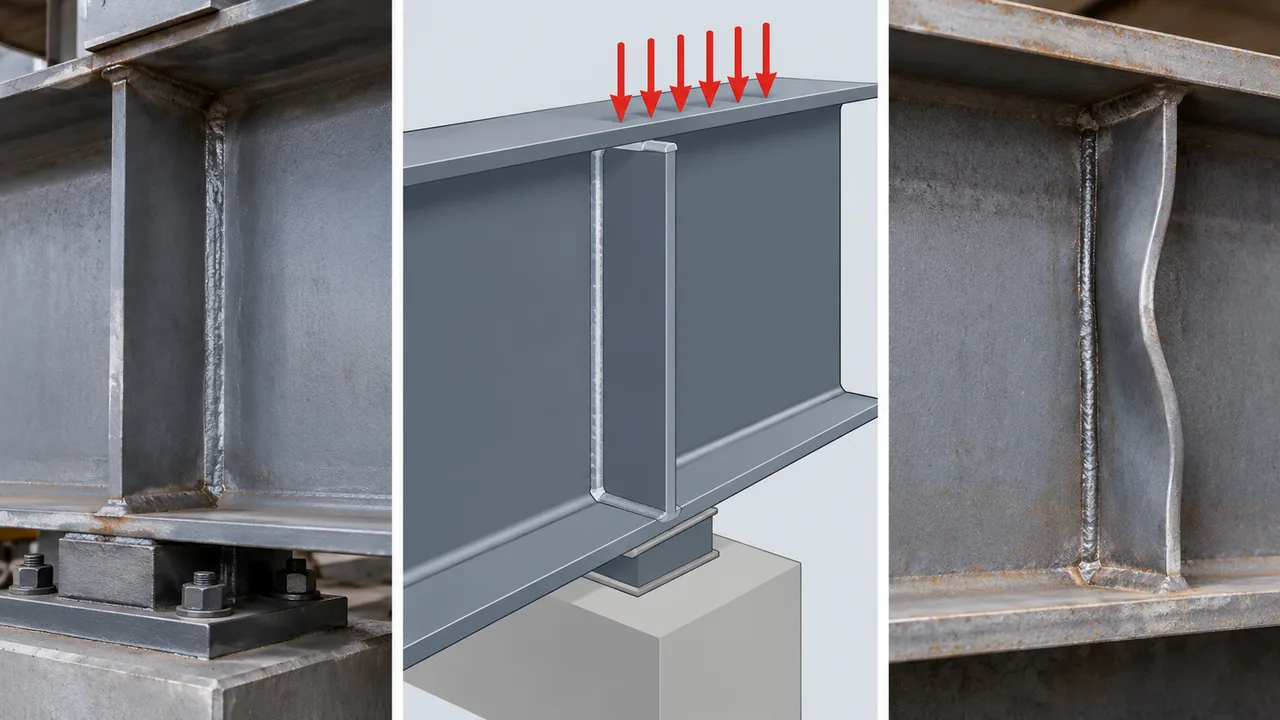
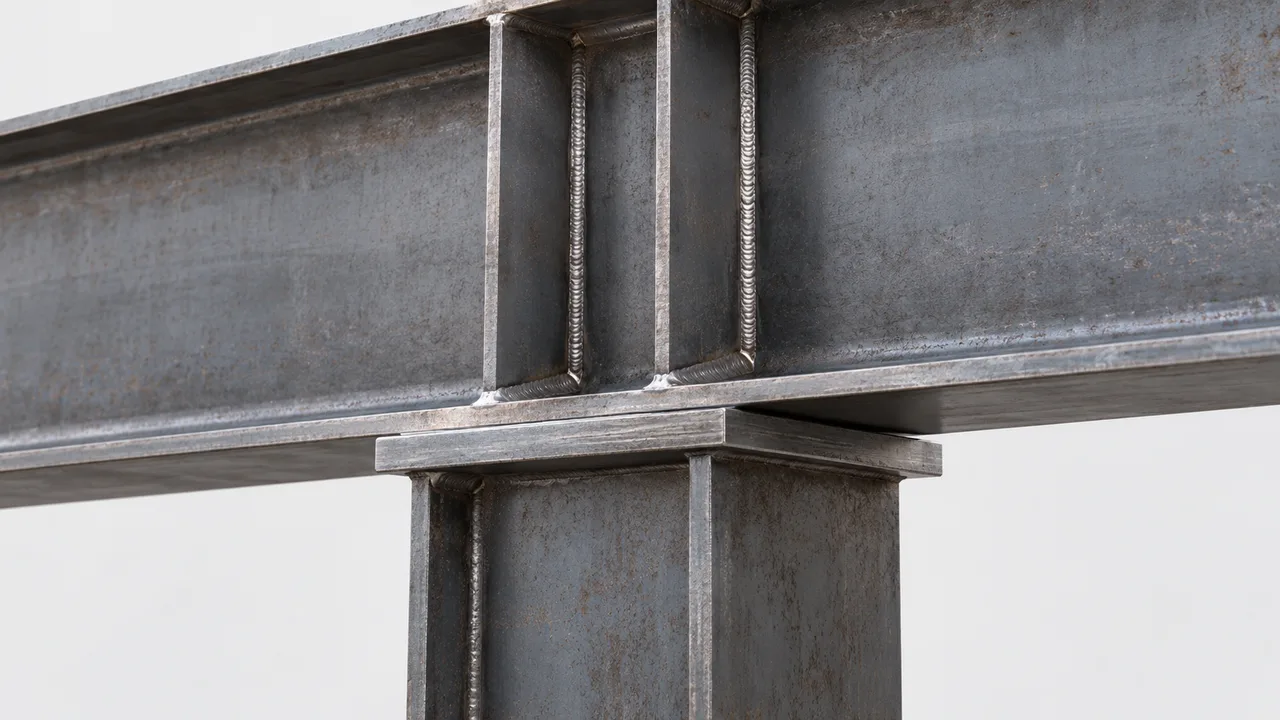
Steel components are manufactured using advanced techniques such as cutting, welding, and assembling. Precision engineering ensures high-quality structural elements.
This process guarantees durability and accuracy.
Surface Protection and Coating
To improve durability, steel components are treated with protective coatings such as:
- Hot-dip galvanizing
- Anti-corrosion coatings
- Industrial paint systems
These treatments extend the lifespan of the building.
Quality Control and Precision Engineering
Strict quality control procedures are applied during manufacturing, including inspection of welds, dimensional accuracy, and material testing.
This ensures reliable structural performance.
Construction and Installation
Prefabrication Advantages
Prefabrication allows most structural elements of a steel factory building to be produced off-site, reducing construction time and improving efficiency.
Logistics and Transportation
Components are transported to the site using efficient logistics planning to ensure timely delivery.
On-Site Assembly
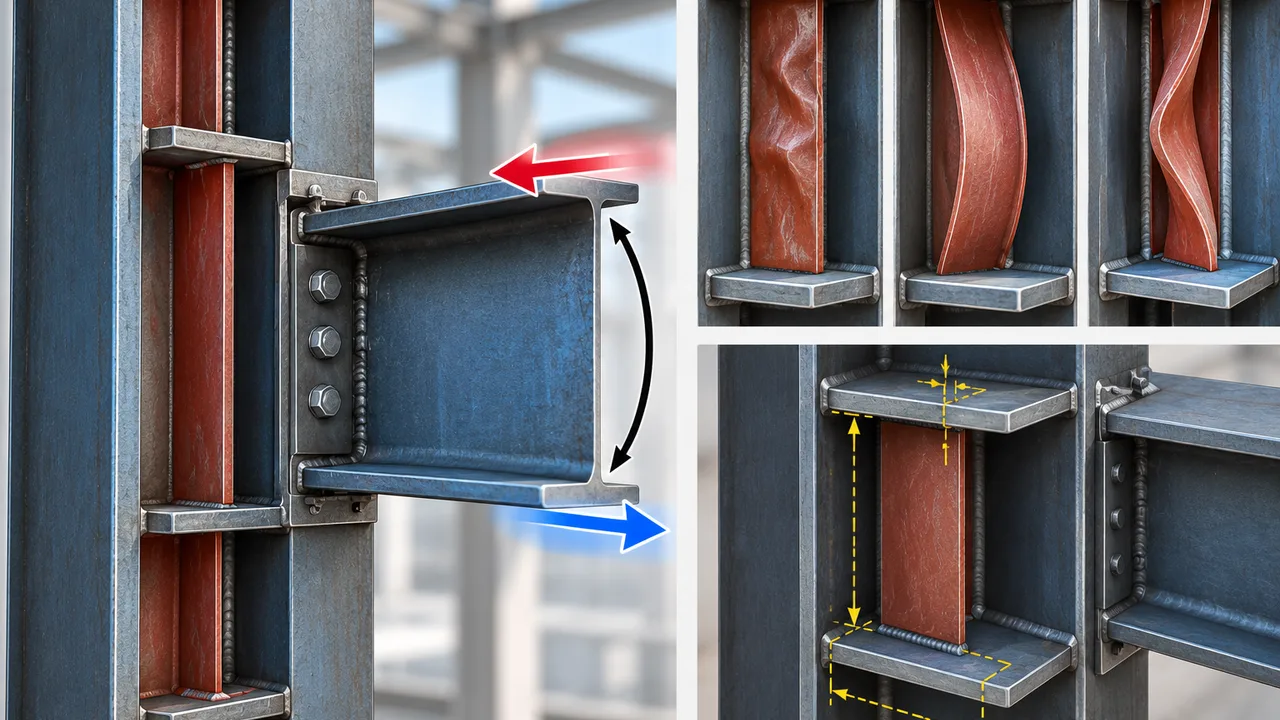
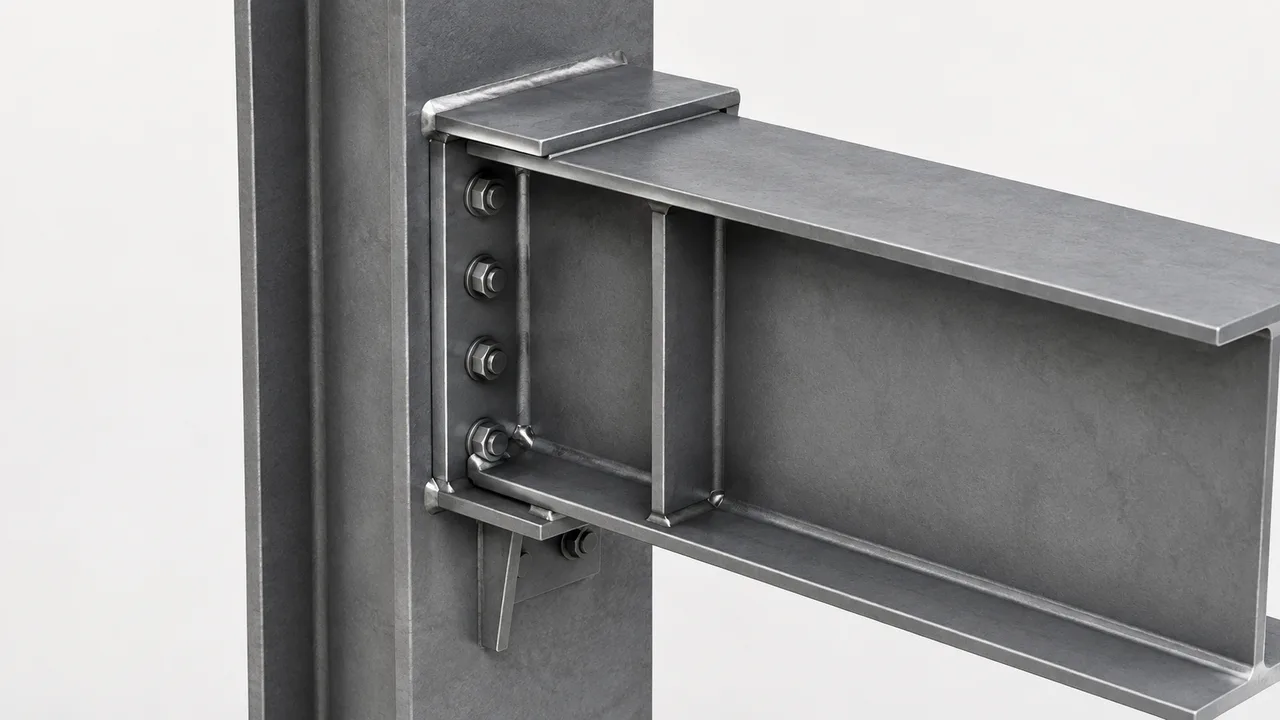
At the site, components are assembled using bolted connections or welding. Proper alignment and installation are essential for structural stability.
Advantages of Steel Factory Building
- Fast construction
- High structural strength
- Flexible layout
- Long service life
- Expandable design
These advantages make steel factory buildings a preferred choice for industrial projects.
Why Choose a Steel Factory Building Supplier
Engineering Expertise
Professional engineering ensures optimized design tailored to specific industrial requirements.
Manufacturing Capability
Advanced production facilities enable efficient fabrication and consistent quality.
Global Project Experience
International experience allows effective execution of complex industrial projects.
As a trusted provider, XTD Steel Structure delivers integrated solutions covering design, fabrication, and installation for factory building projects worldwide.
Frequently Asked Questions
What is a steel factory building?
It is an industrial building constructed using steel structures to support manufacturing and production operations.
Can it support heavy machinery?
Yes, it is designed to handle heavy equipment and industrial loads.
How fast can it be constructed?
Construction is typically faster than traditional methods due to prefabrication.
Can it be expanded in the future?
Yes, it can be designed for future expansion and modification.
Start Your Steel Factory Building Project
A well-designed steel factory building provides strength, efficiency, and flexibility for modern industrial operations. With proper engineering and manufacturing, these facilities ensure long-term performance.
Working with experienced professionals ensures successful project execution from concept to completion.