What Is Steel Processing and Fabrication?
Definition and Service Scope
Steel processing refers to the preparation and modification of raw steel materials through cutting, drilling, punching, bending, rolling, machining, and surface preparation. Fabrication involves assembling those processed materials into finished structural members, frames, trusses, platforms, connection systems, and other components required by the project.
Together, these services transform steel plates, sections, pipes, tubes, angles, and channels into components that are ready for transportation and installation. The scope may include simple plate processing, repetitive production of standardized members, heavy structural fabrication, or the manufacture of complex assemblies with demanding geometric and welding requirements.
An Integrated Manufacturing Workflow
A coordinated workflow begins with a review of drawings, specifications, material grades, connection requirements, and production priorities. Engineers and production teams verify dimensions, fabrication feasibility, assembly sequences, welding details, coating systems, and transportation limitations before material enters the workshop.
Once the production plan is confirmed, materials are inspected, identified, and released for processing. Components then move through cutting, drilling, forming, fitting, welding, dimensional inspection, blasting, coating, marking, and packaging. This controlled sequence supports traceability and helps maintain consistent quality throughout the project.
Our Steel Processing and Fabrication Services
CNC Steel Cutting
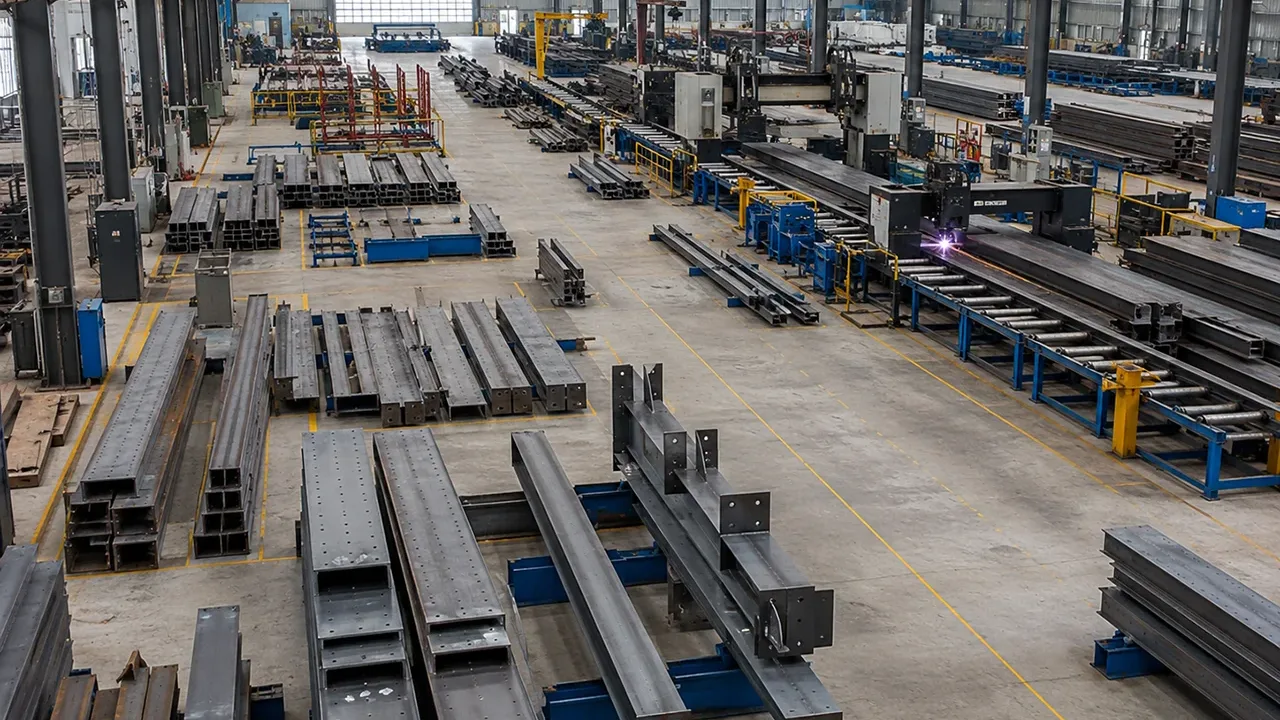
Accurate cutting establishes the foundation for every subsequent manufacturing stage. CNC-controlled cutting equipment processes plates and structural sections according to digital production data, improving dimensional consistency and reducing manual errors.
Available cutting methods may include flame cutting for thick carbon steel plates, plasma cutting for efficient profile production, laser cutting for detailed components, and mechanical sawing for beams, pipes, and sections. The selected method depends on the material thickness, component geometry, tolerance requirements, production quantity, and project specifications.
Steel Drilling and Machining
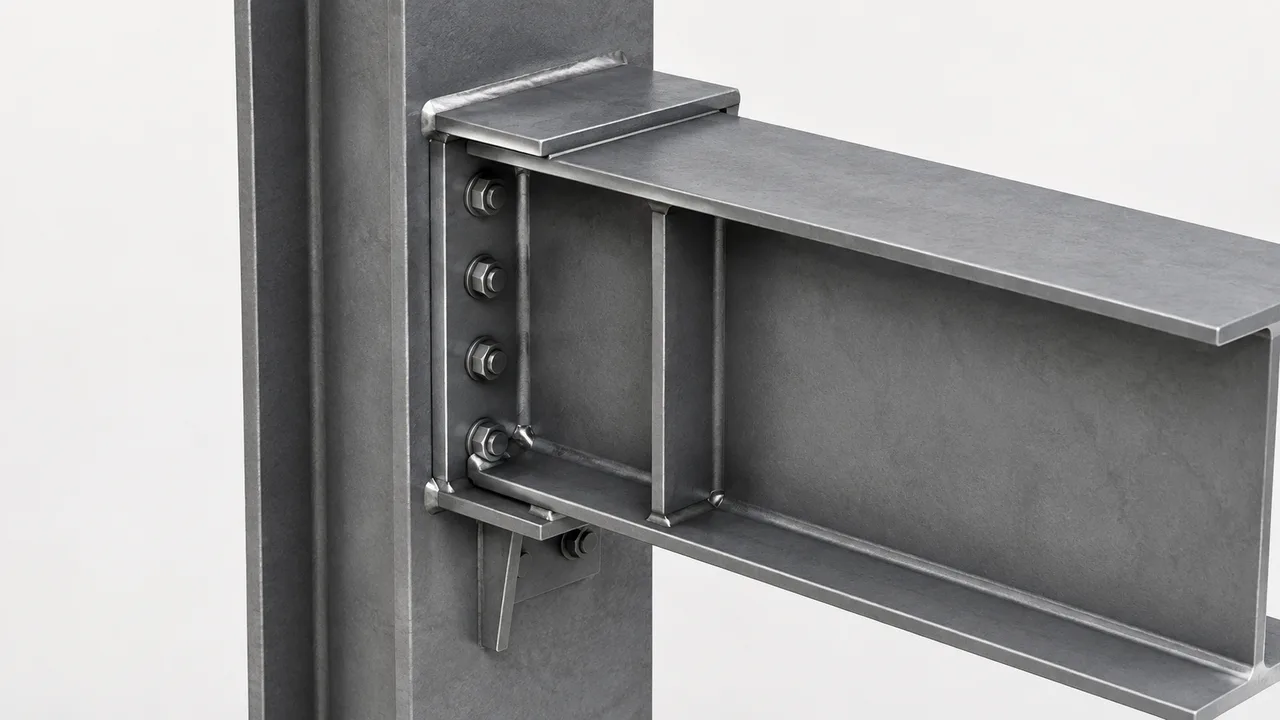
Precision holes and prepared connection surfaces are essential for efficient site assembly. CNC drilling equipment can create bolt holes, slots, grouped connection patterns, and openings in beams, columns, plates, and other members.
Additional machining operations may include milling, tapping, countersinking, edge preparation, beveling, and surface finishing. Accurate drilling and machining help bolts, plates, and structural members align correctly during trial assembly and final installation.
Steel Bending and Forming
Steel forming services are used to create components that cannot be produced from straight sections alone. Plates and profiles may be bent, pressed, rolled, or shaped to achieve the required geometry.
These processes support curved roof members, cylindrical shells, folded plates, stiffeners, transition sections, custom brackets, architectural features, and specialized industrial components. Forming procedures are selected according to the steel grade, thickness, bend radius, dimensional tolerance, and structural function.
Structural Steel Fabrication
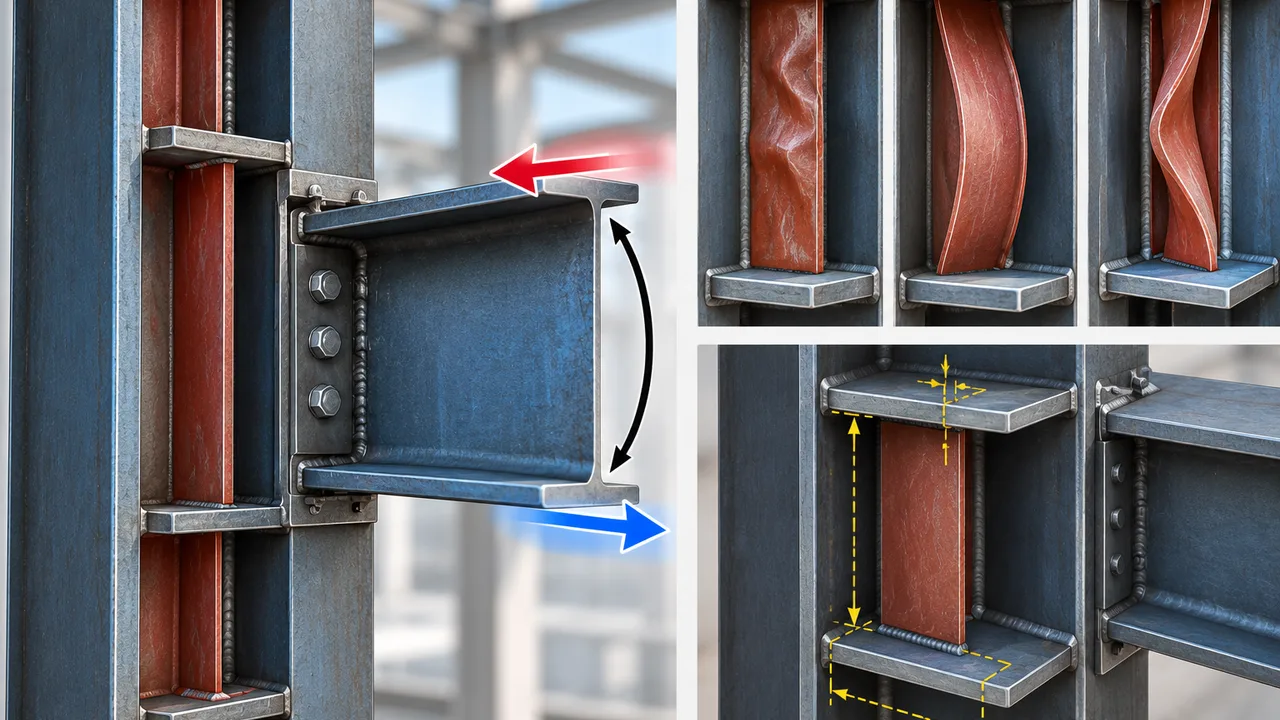
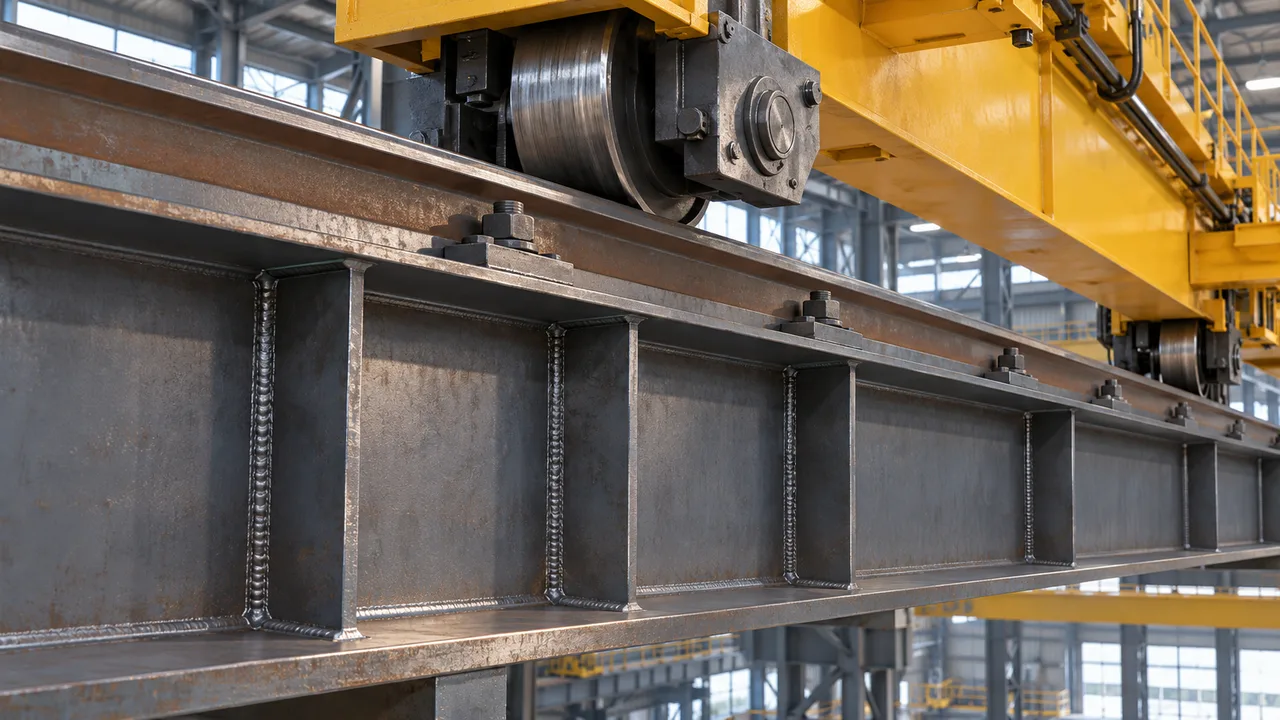
Structural fabrication converts processed materials into load-bearing members and complete assemblies. Typical products include welded beams, steel columns, portal frame members, roof trusses, bracing systems, crane beams, industrial platforms, pipe supports, stair structures, equipment frames, and connection plates.
Fabrication may involve positioning multiple parts in dedicated fixtures, verifying alignment, completing tack welds, performing final welding, correcting distortion, and checking the finished dimensions. Production planning is especially important for large components that must be manufactured, transported, and erected in a specific sequence.
Professional Steel Welding
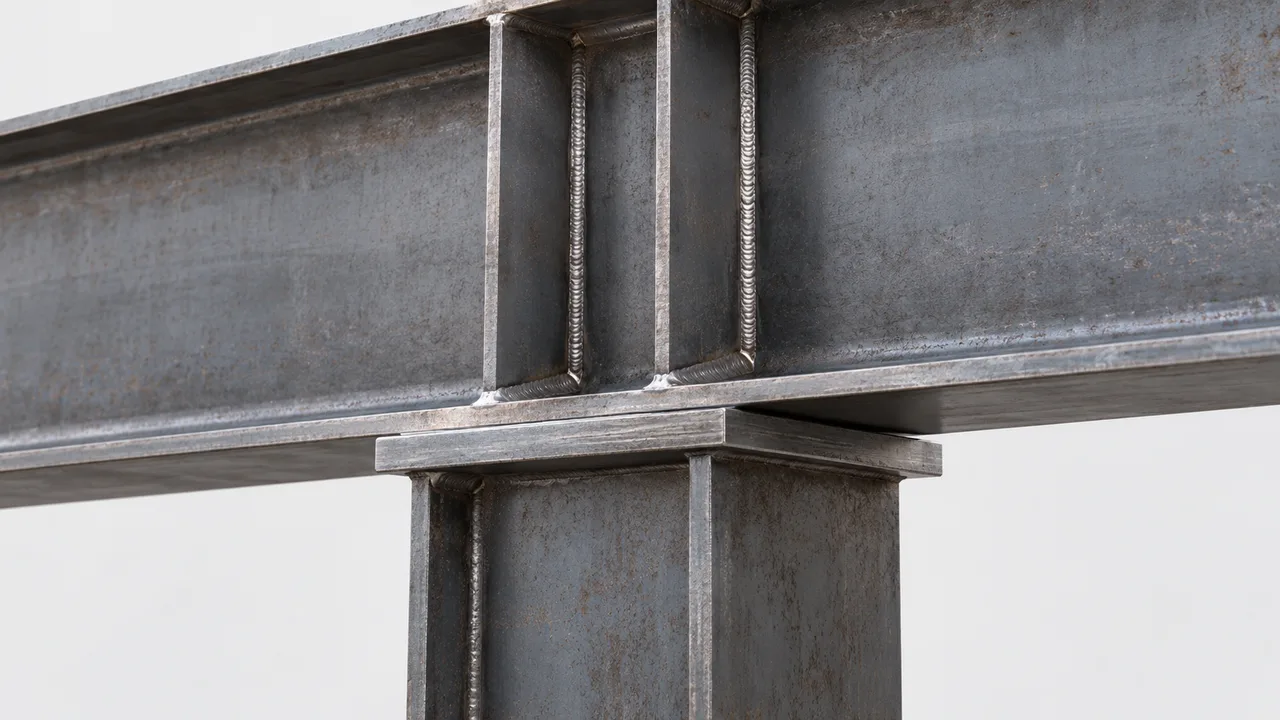
Welding quality directly affects structural reliability. Welding procedures must match the material grade, plate thickness, joint type, loading requirements, and applicable project standards.
Experienced welders carry out fillet welds, butt welds, full-penetration joints, multi-pass welds, and complex assembly work under controlled workshop conditions. Joint preparation, welding parameters, consumables, preheating requirements, and interpass temperatures are managed according to approved procedures.
Visual inspection is completed throughout production, while additional nondestructive testing can be arranged when required by the project specification. Testing methods may include ultrasonic testing, magnetic particle testing, or penetrant testing.
Surface Preparation and Protective Coating
Fabricated steel must be protected according to its operating environment. Surface preparation removes rust, mill scale, welding residue, oil, and other contaminants before the protective system is applied.
Shot blasting or abrasive blasting can create the required surface profile for industrial primers and coating systems. Depending on project conditions, components may receive shop primer, multi-layer industrial paint, fire-protective coating preparation, or hot-dip galvanizing. The correct system helps extend service life in humid, coastal, chemical, agricultural, mining, or heavy industrial environments.
Steel Components We Manufacture
Our production facilities can process and fabricate a broad range of structural and industrial components, including:
- Structural steel beams and welded girders
- Steel columns and built-up sections
- Portal frame rafters and columns
- Roof trusses and space-frame components
- Bracing systems and connection assemblies
- Crane beams and runway support structures
- Industrial platforms and access structures
- Pipe racks and equipment support frames
- Heavy welded steel assemblies
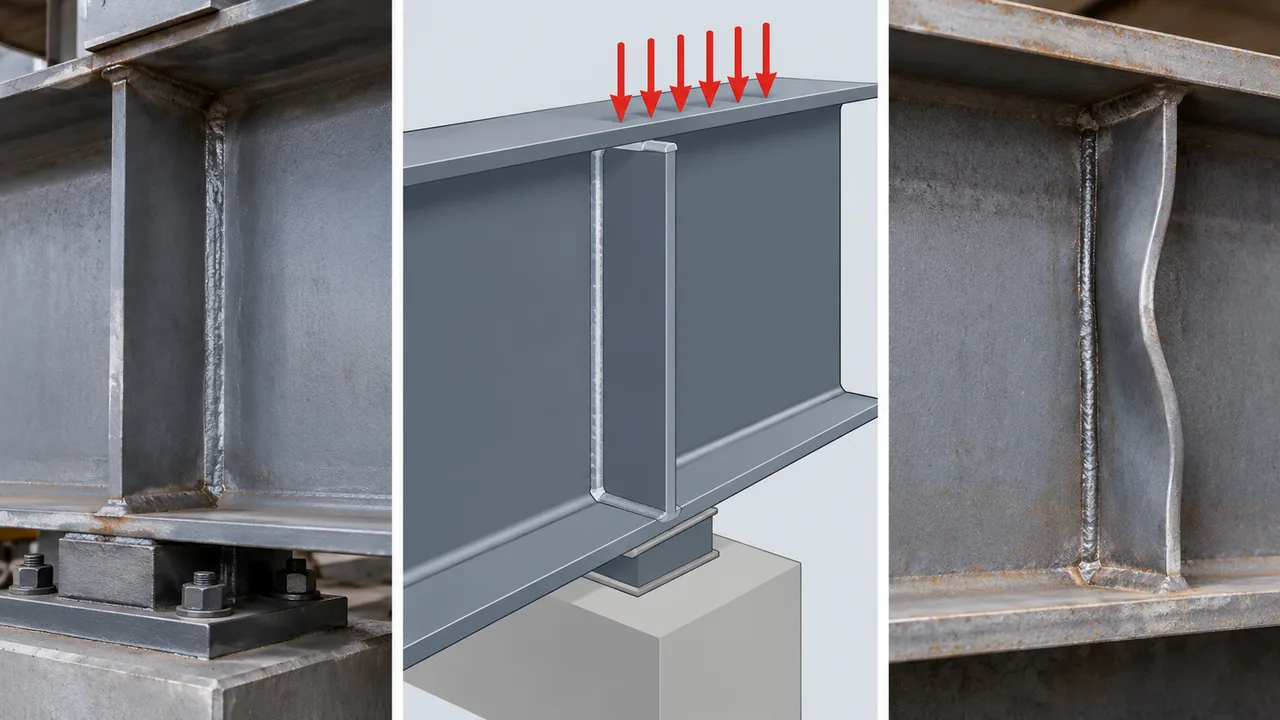
- Base plates, gusset plates, stiffeners, and brackets
- Custom steel parts produced from client drawings
Components can be manufactured as individual items, scheduled production batches, or complete building packages. Clear identification and organized packaging simplify material control and installation at the project site.
Industries and Project Applications
Industrial and Manufacturing Facilities
Factories and production plants require steel structures capable of supporting machinery, overhead cranes, utilities, mezzanines, production lines, and future expansion. Precision fabrication helps ensure that structural members align with equipment foundations and operational layouts.
Warehouses and Logistics Centers
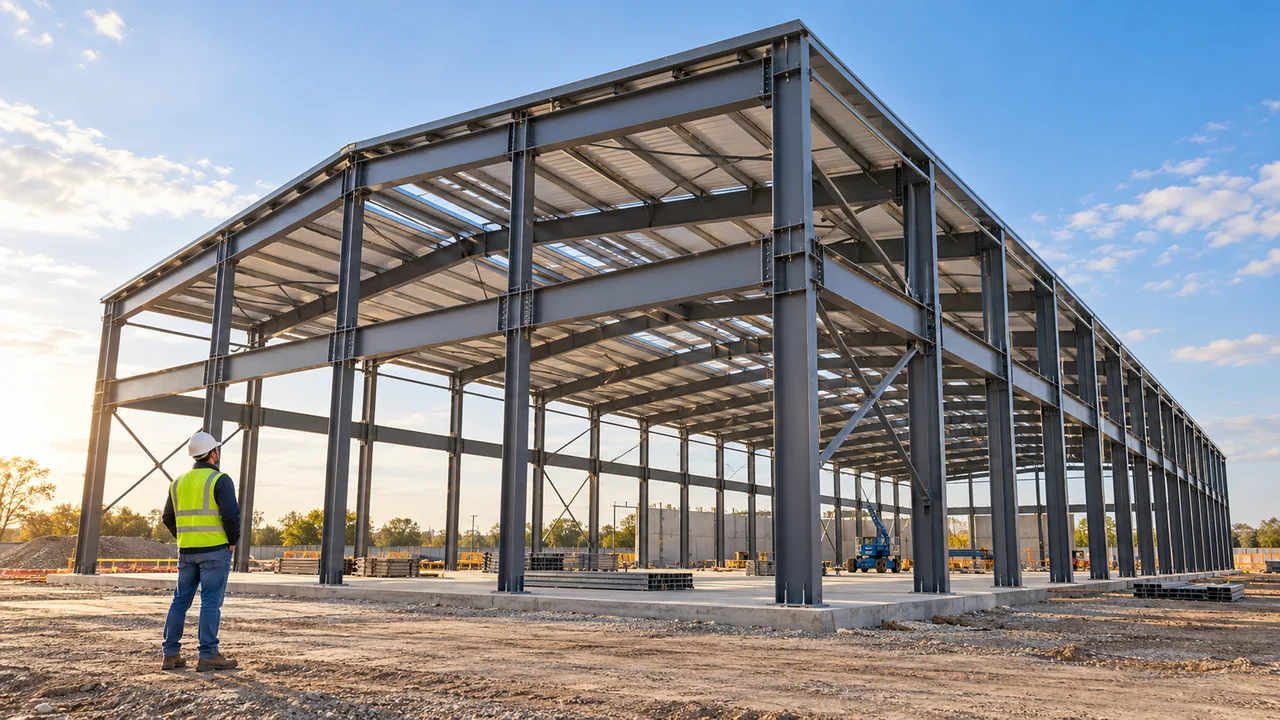
Warehouse projects frequently use portal frames, long-span roof systems, loading structures, mezzanines, canopies, and storage-support components. Factory manufacturing allows these elements to be delivered in an organized erection sequence.
Infrastructure Projects
Infrastructure applications may include transport terminals, pedestrian bridges, pipe corridors, equipment platforms, support towers, utility structures, and specialized public facilities. These projects often require complex geometry, strict inspection, and detailed documentation.
Mining and Energy
Mining and energy facilities use heavy steel components for processing plants, conveyor supports, equipment frames, maintenance platforms, pipe racks, and operational buildings. Fabrication must account for high loads, vibration, abrasive conditions, and demanding service environments.
Agricultural and Processing Buildings
Agricultural projects may require storage buildings, livestock facilities, machinery sheds, grain-handling structures, and food-processing plants. Steel components can be manufactured with suitable corrosion-protection systems for humid, dusty, or chemically exposed conditions.
Manufacturing Capabilities
Advanced CNC Equipment
Automated cutting, drilling, and profiling equipment improves accuracy, repeatability, and production efficiency. Digital manufacturing data also supports better coordination between approved drawings and workshop operations.
Scalable Production Capacity
Production planning can be adapted to prototype components, small custom batches, repetitive manufacturing, or large structural packages. Multiple production activities can be coordinated to meet installation priorities and phased delivery schedules.
Complex Fabrication
Projects with unusual geometry, heavy sections, curved members, dense connections, or large welded assemblies require careful planning and skilled execution. Fixtures, templates, dimensional checks, and controlled welding sequences are used to manage accuracy and deformation.
Engineering and Detailing Coordination
Before production, technical teams review fabrication drawings for material availability, connection access, welding feasibility, component dimensions, transportation limits, and installation requirements. Identifying issues early reduces production interruptions and field modifications.
Quality Control Throughout Production
Material Verification
Incoming steel is checked against purchase specifications and project requirements. Material identification and supporting documentation are managed to maintain traceability throughout manufacturing.
Dimensional Inspection
Critical lengths, hole locations, cross-sections, angles, plate positions, and assembly dimensions are checked during processing and after fabrication. This helps confirm that finished members can be installed as intended.
Welding Inspection
Welds are monitored for profile, size, continuity, surface condition, and visible defects. Additional testing is completed when required by engineering documents or quality plans.
Coating Inspection
Surface cleanliness, coating application, coverage, and dry-film thickness can be inspected before components are approved for shipment. Particular attention is given to weld zones, edges, corners, and difficult-to-access areas.
Final Release and Documentation
Finished components are marked, checked, and released according to the project schedule. Packing lists, inspection records, material documents, and other required files can be prepared to support project handover and international delivery.
Advantages of Professional Steel Manufacturing
Well-managed steel processing and fabrication provides practical benefits throughout the project lifecycle:
- Higher dimensional accuracy: CNC equipment and systematic inspections improve component consistency.
- Faster site installation: Properly processed holes, connections, and assemblies reduce field adjustments.
- Consistent structural quality: Controlled workshop conditions support repeatable welding and fabrication.
- Reduced project risk: Early engineering review identifies manufacturability and transportation issues.
- Efficient material use: Cutting plans and production scheduling help minimize unnecessary waste.
- Scalable output: Manufacturing resources can support both customized and high-volume requirements.
- Better schedule control: Organized production and phased shipment support construction priorities.
International Manufacturing and Export Support
Export projects require more than accurate fabrication. Components must also be designed and organized for transportation, customs documentation, unloading, storage, and overseas installation.
Packaging plans are developed according to component size, coating protection, shipping method, and destination. Smaller parts can be bundled or placed in identified containers, while oversized members may require break-bulk or specialized transport. Clear markings help installation teams locate components quickly after delivery.
Production records, packing lists, material certificates, inspection documents, and shipment information can be coordinated according to contractual requirements. This structured approach supports reliable delivery to international construction sites.
Why Choose XTD Steel Structure?
Our integrated capabilities combine engineering coordination, automated steel processing, structural fabrication, welding, quality inspection, surface treatment, packaging, and export preparation within one manufacturing system.
- Experience with industrial, commercial, agricultural, and infrastructure projects
- Advanced cutting, drilling, forming, and welding capabilities
- Fabrication of light, heavy, standard, and custom steel components
- Strict dimensional, welding, and coating inspections
- Flexible production planning for different project volumes
- Organized packaging and international logistics support
Frequently Asked Questions
What is included in steel processing and fabrication?
The service can include material inspection, cutting, drilling, machining, bending, rolling, fitting, welding, blasting, coating, marking, quality inspection, packaging, and preparation for delivery.
Can you manufacture custom steel components?
Yes. Components can be produced according to customer drawings, engineering specifications, approved fabrication drawings, or project-specific technical requirements.
What steel grades can you process?
Available grades depend on material specifications, regional standards, and project requirements. The selected steel must be confirmed before procurement and manufacturing begin.
Do you provide galvanized steel fabrication?
Yes. Components can be prepared for hot-dip galvanizing when galvanization is specified. Hole placement, drainage, venting, component dimensions, and distortion control should be considered during detailing.
Can you produce complete structural steel packages?
Yes. We can manufacture primary members, secondary steelwork, connection plates, bracing, platforms, and other project components as an integrated package.
Do you export fabricated steel internationally?
Yes. Components can be inspected, marked, packed, documented, and prepared for containerized, break-bulk, or other international shipping methods.
Request a Steel Processing and Fabrication Quote
For a customized quotation, submit your structural drawings, material specifications, component quantities, coating requirements, inspection standards, project location, and expected delivery schedule. Our team will review the manufacturing scope and develop a practical production proposal for your project.
Whether you require individual fabricated members, repetitive production, heavy structural assemblies, or a complete steel processing and fabrication package, we can coordinate the technical review, manufacturing, quality control, and delivery stages needed to support efficient project execution.