What Makes Automotive Facilities Different?
The automotive sector operates on efficiency, precision, and scalability. Production interruptions can affect supply chains, inventory levels, and delivery schedules across multiple regions. As a result, building design plays a direct role in manufacturing performance.
High-Volume Manufacturing Environments
Automotive plants typically operate continuous production systems that rely on synchronized equipment and assembly processes. Structural systems must support production lines without creating workflow bottlenecks.
Large machinery, robotic welding stations, automated inspection equipment, and material handling systems all require stable structural environments.
Complex Internal Logistics
Material movement inside automotive facilities is often as important as the production process itself. Raw materials, components, subassemblies, and finished vehicles move through multiple stages before final delivery.
A well-planned steel structure building for automotive industry allows efficient traffic flow for workers, forklifts, automated guided vehicles, and logistics systems.
Expansion and Future Production Changes
Vehicle manufacturers regularly introduce new models, production technologies, and manufacturing processes. Industrial facilities must therefore be capable of adapting without major structural reconstruction.
Steel structures provide the flexibility necessary for future modifications and production expansion.
Typical Automotive Steel Structure Facilities
Vehicle Assembly Plants
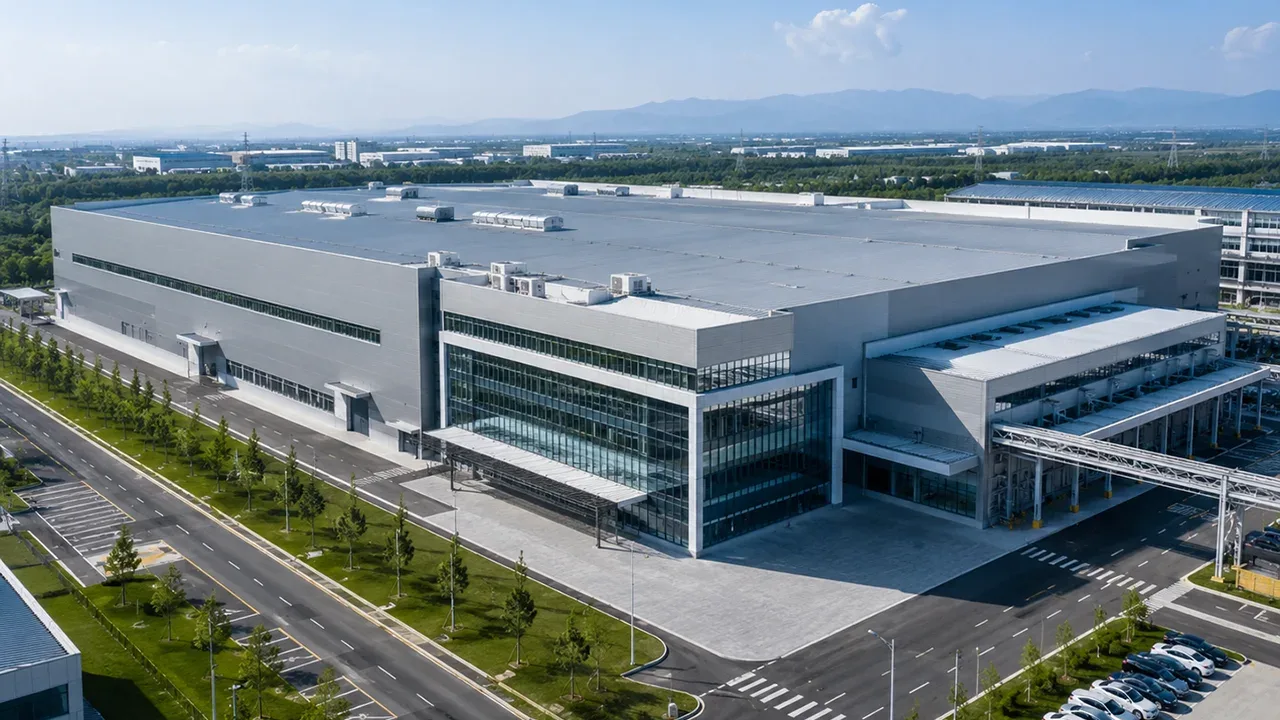
Assembly plants require extensive floor space, high ceilings, and integrated mechanical systems. Large-span steel structures create open production areas capable of supporting assembly operations and future layout adjustments.
Auto Parts Manufacturing Facilities
Component production facilities manufacture parts such as chassis systems, body panels, suspension components, and interior assemblies. Steel buildings provide the structural capacity necessary for specialized equipment and automated production systems.
Automotive Logistics and Distribution Centers
Automotive supply chains depend on efficient warehousing and distribution operations. Large steel structures can accommodate inventory storage, loading operations, and logistics management functions within a single facility.
Battery and EV Component Production Buildings
The growth of electric vehicle manufacturing has increased demand for specialized production environments. Battery plants often require controlled production areas, specialized ventilation systems, and flexible utility infrastructure.
Steel construction supports these technical requirements while allowing future technology upgrades.
Building Features That Support Automotive Production
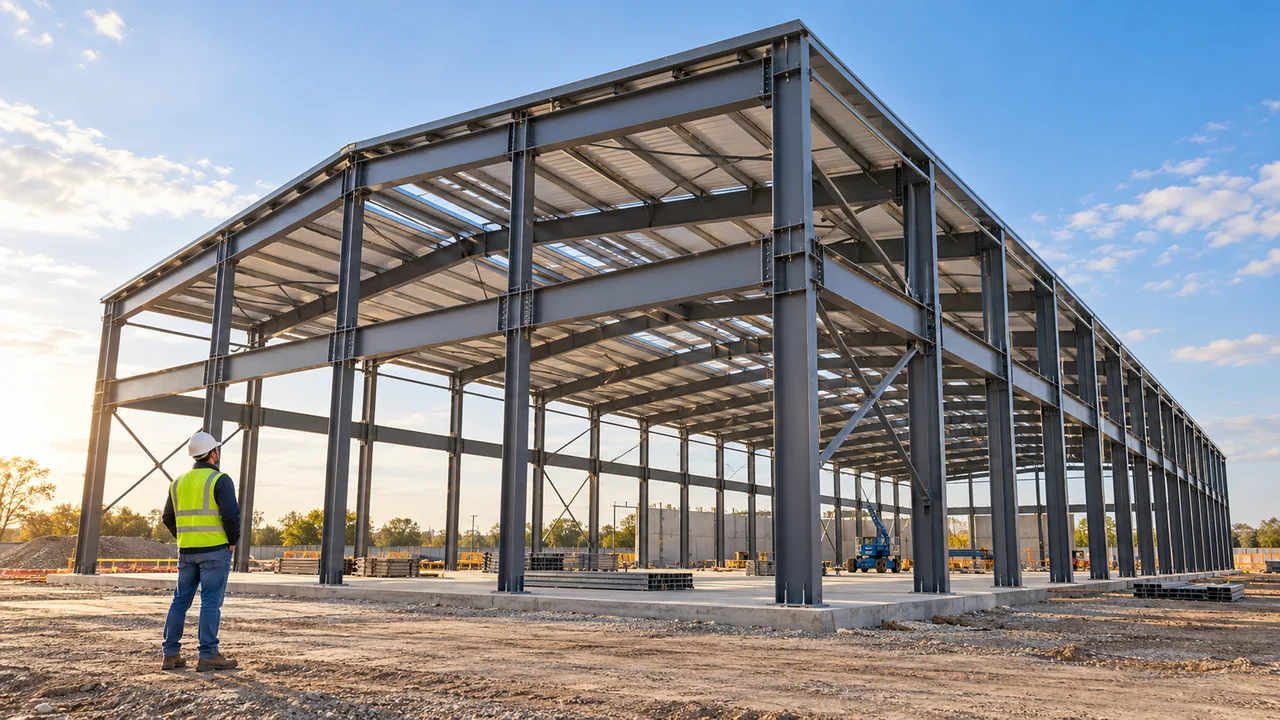
Large Clear-Span Interiors
Automotive manufacturers benefit from uninterrupted production floors. Long-span steel framing systems minimize internal columns and maximize operational flexibility.
This creates more efficient assembly line layouts and easier equipment installation.
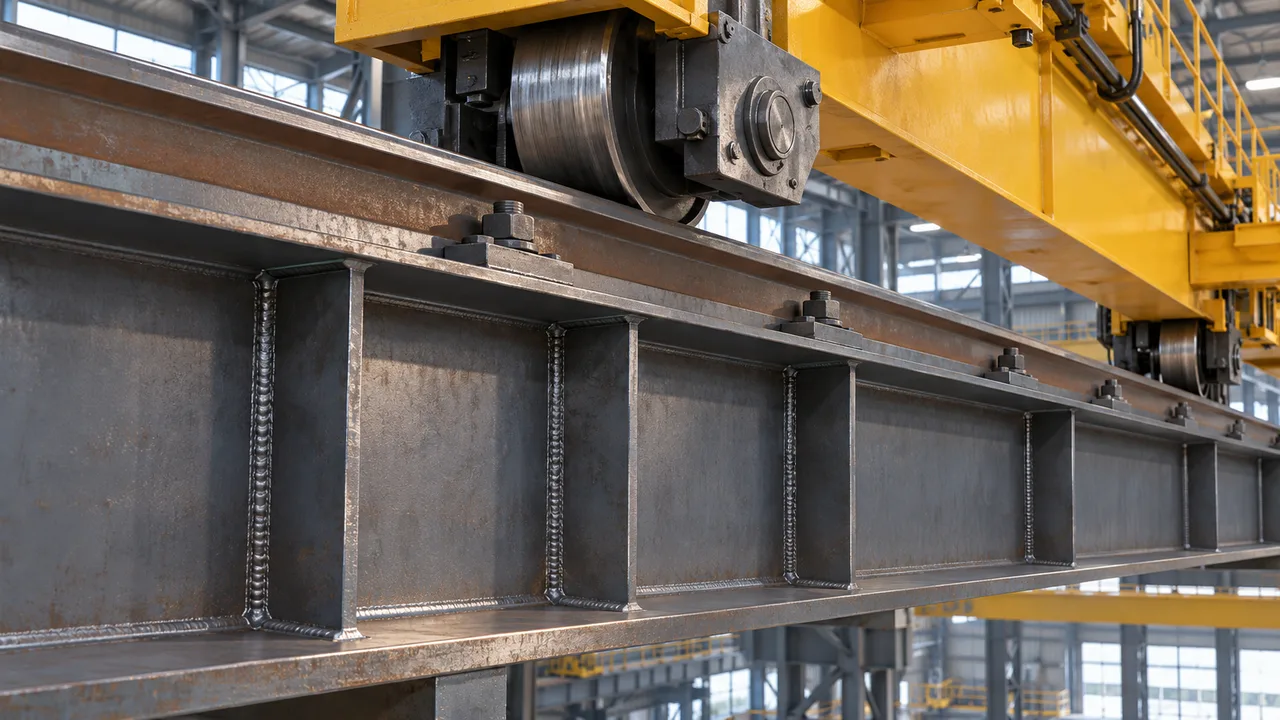
Overhead Crane Integration
Many automotive facilities rely on overhead cranes for moving equipment, production tooling, and large components.
Steel structural systems can be designed to support crane loads directly within the building framework.
Heavy Equipment Load Capacity
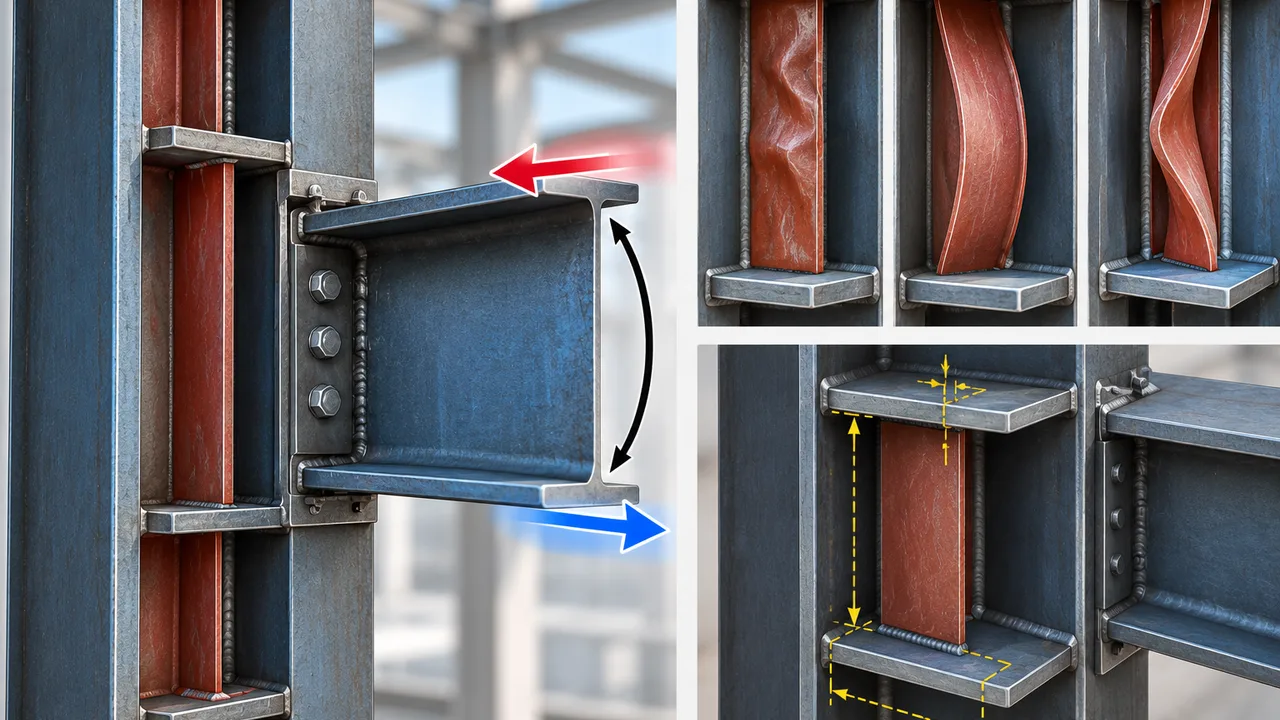
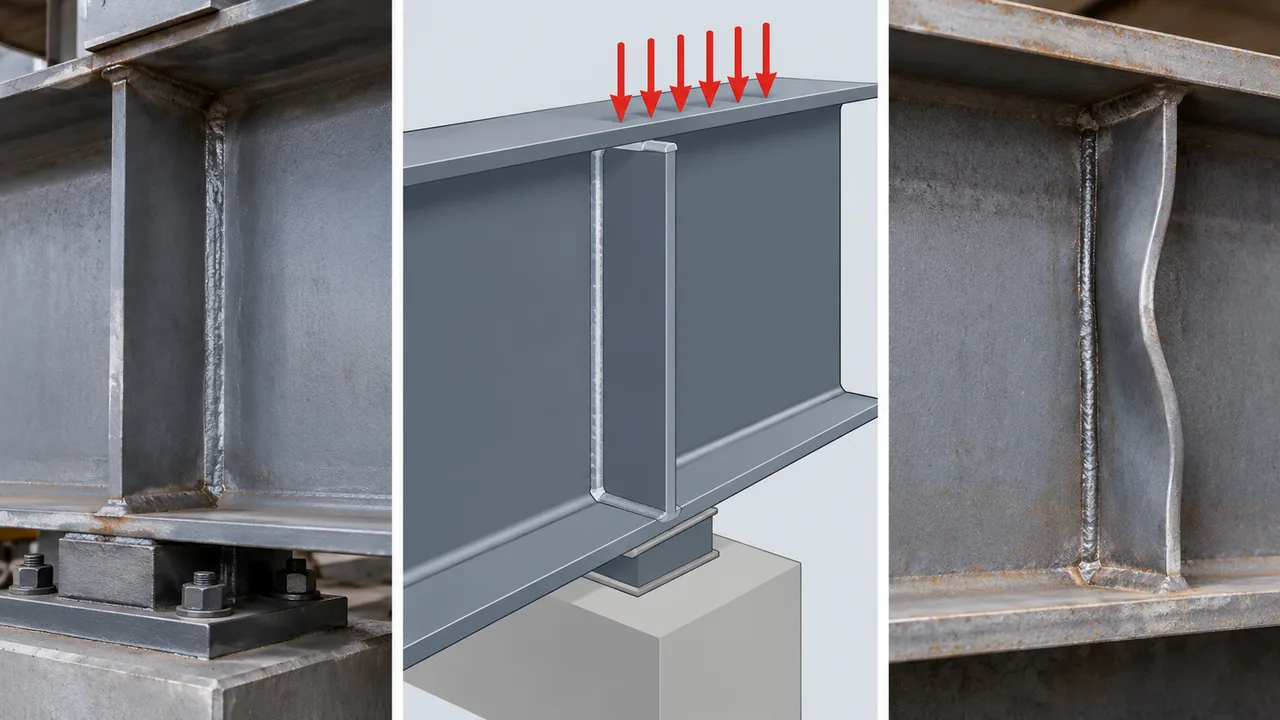
Automotive manufacturing equipment can generate significant structural loads. Engineers must account for machinery weight, vibration, dynamic loading, and operational requirements.
Steel structures provide the strength necessary to support these industrial demands.
Flexible Utility and Mechanical Systems
Production facilities require extensive electrical, compressed air, ventilation, process piping, and automation systems.
The open nature of steel construction simplifies utility routing and future system modifications.
Why Steel Structures Fit Automotive Manufacturing
Automotive companies prioritize production efficiency, operational flexibility, and long-term investment value. Steel construction directly supports these objectives.
- Faster construction schedules
- Reduced disruption to production planning
- Flexible manufacturing layouts
- Simplified future expansion
- Efficient integration of automated systems
- High structural reliability
- Support for large-span production areas
For manufacturers competing in rapidly evolving markets, the ability to adapt production facilities quickly can provide a significant operational advantage.
Engineering Considerations for Automotive Buildings
Floor Loading Requirements
Production machinery, storage systems, and logistics equipment create varying floor load conditions. Structural engineers must evaluate load distribution to ensure long-term performance.
Ventilation and Environmental Control
Automotive facilities often contain painting systems, welding operations, battery production lines, and other processes requiring environmental management.
Ventilation design plays a critical role in worker safety and production quality.
Fire Safety Systems
Modern automotive facilities typically incorporate comprehensive fire protection systems including:
- Sprinkler networks
- Smoke management systems
- Emergency evacuation routes
- Fire-resistant building materials
Long-Term Maintenance Planning
Industrial buildings must remain operational for decades. Protective coatings, corrosion prevention systems, and planned maintenance programs help maximize service life.
From Fabrication to Installation
Precision Manufacturing
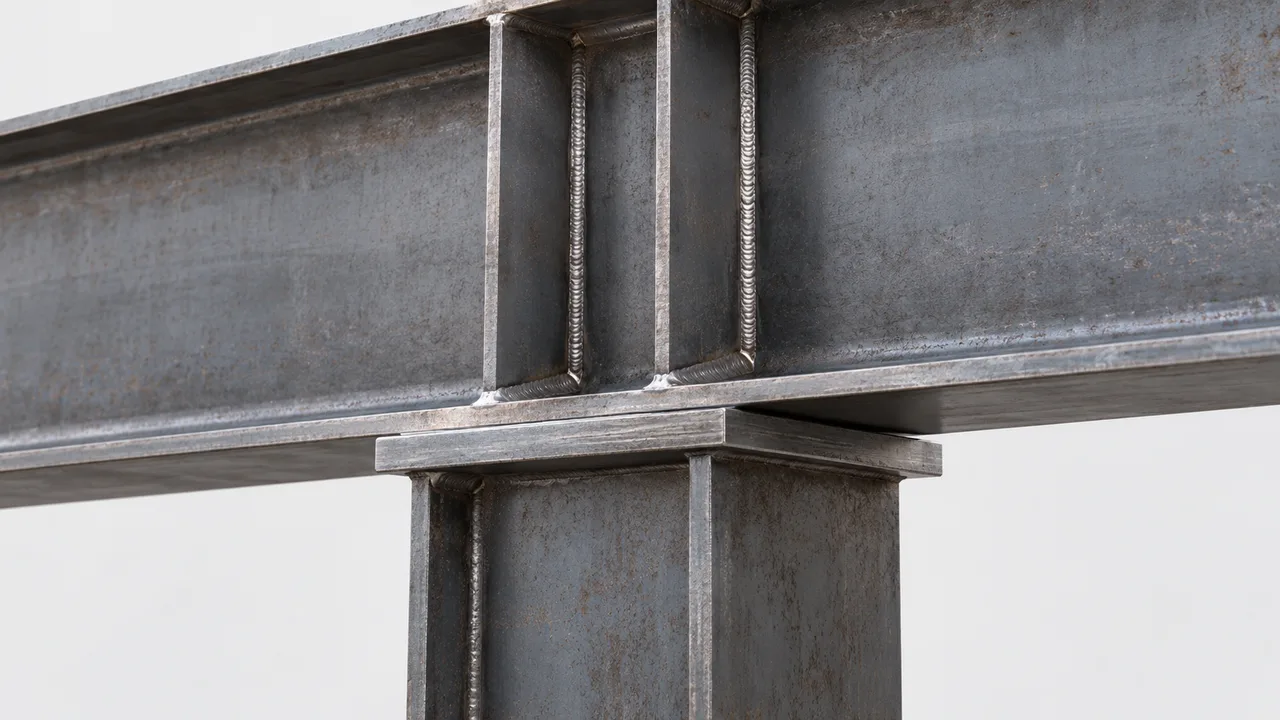
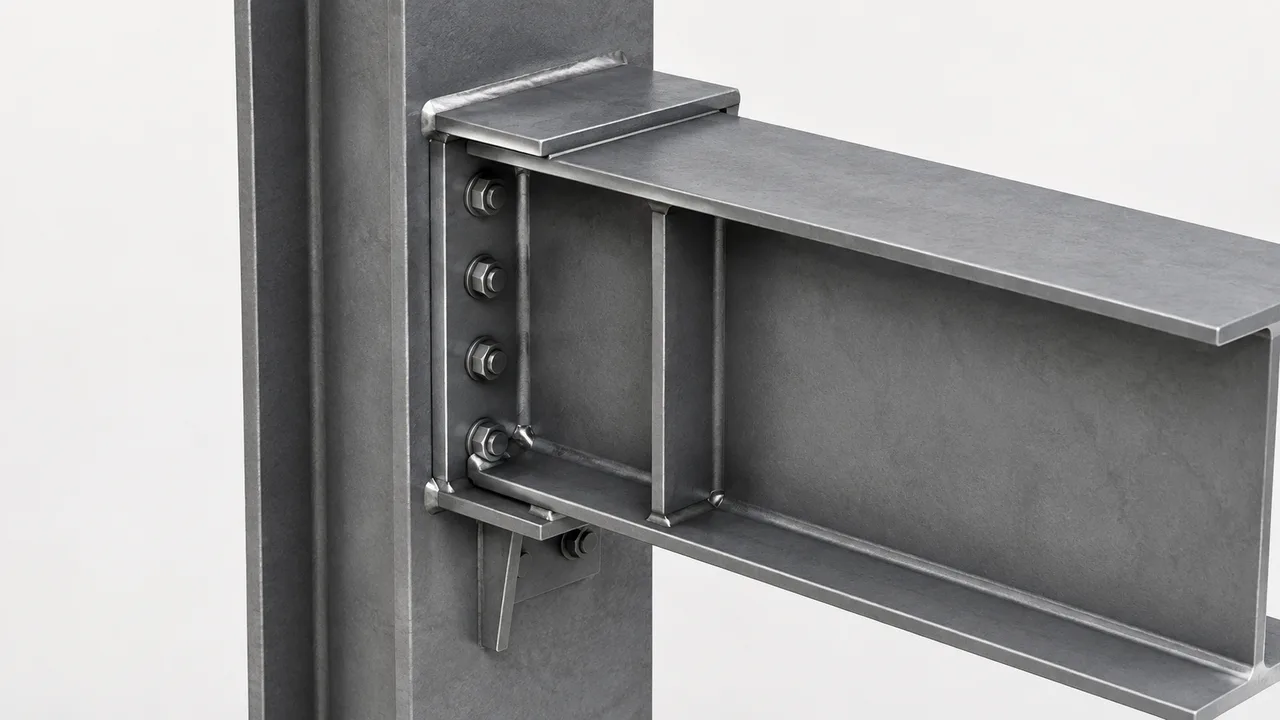
Steel components are fabricated using advanced cutting, drilling, welding, and assembly technologies. Dimensional accuracy is essential for large-scale industrial projects.
Factory-controlled production helps maintain quality consistency throughout the project.
Delivery and Construction Sequencing
Automotive projects often involve strict deadlines and coordinated installation schedules. Construction sequencing must align with equipment delivery and production startup requirements.
Installation Around Active Industrial Sites
Many expansion projects occur adjacent to operating facilities. Construction teams must coordinate installation activities while minimizing disruption to ongoing production.
Successful project execution requires careful planning, logistics coordination, and site management.
Selecting an Automotive Steel Structure Partner
Automotive projects demand more than basic building construction. Engineering expertise, fabrication capacity, schedule control, and industrial project experience all contribute to successful delivery.
Manufacturers should evaluate potential partners based on technical capability, quality systems, production capacity, and experience with large-scale industrial developments.
XTD Steel Structure supports industrial projects through integrated engineering, fabrication, and installation services tailored to complex manufacturing environments.
Common Questions
Can steel structures support automotive assembly lines?
Yes. Steel structures are widely used in vehicle assembly plants because they provide large open spaces and support heavy industrial equipment.
Are steel buildings suitable for EV manufacturing facilities?
Yes. Steel structures can accommodate battery production systems, environmental controls, and future technology upgrades.
Can automotive facilities be expanded later?
In many cases, steel buildings can be modified or expanded more easily than traditional construction systems.
How long do automotive steel buildings last?
With proper engineering, protective treatments, and maintenance, steel industrial facilities can operate reliably for many decades.
Building the Next Generation of Automotive Facilities
The future of automotive manufacturing depends on facilities that can adapt to changing technologies, production methods, and market demands. A properly designed steel structure building for automotive industry provides the flexibility, durability, and efficiency needed to support long-term manufacturing success.
By combining advanced engineering, precision fabrication, and scalable building systems, steel structures continue to play a critical role in modern automotive infrastructure around the world.