Manufacturing Environments Require Flexible Industrial Structures
Large-Span Production Areas
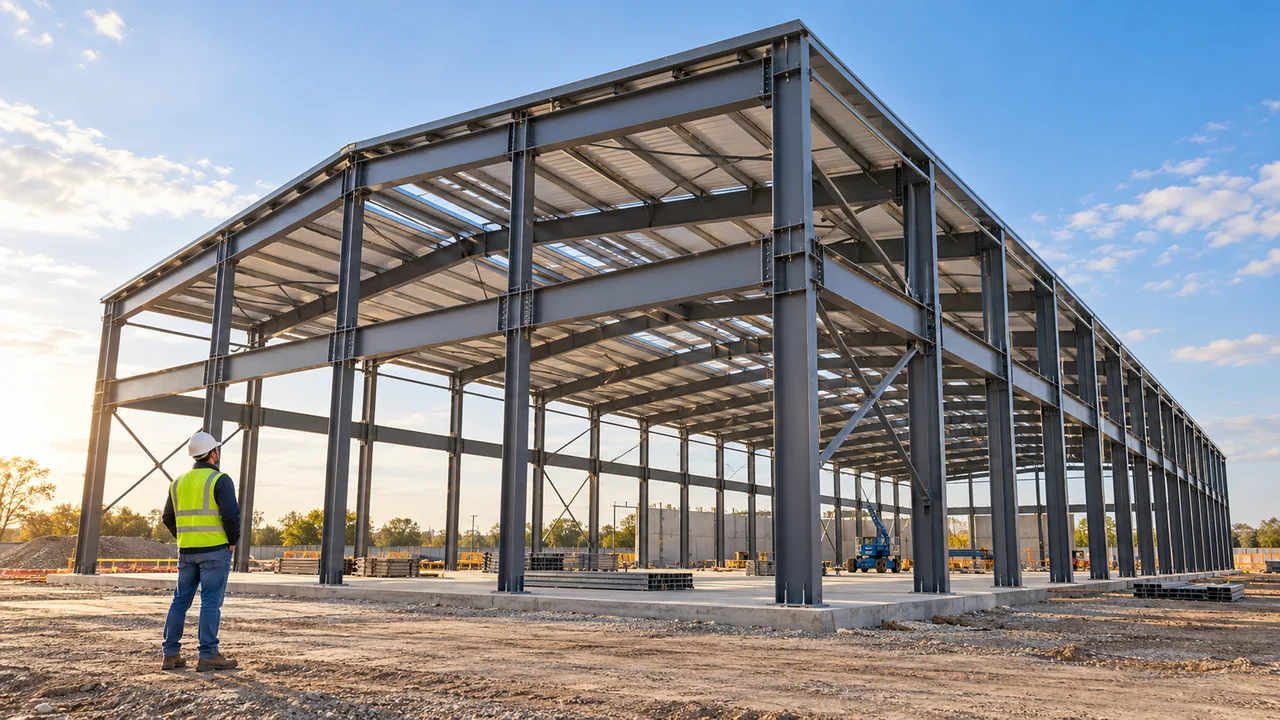
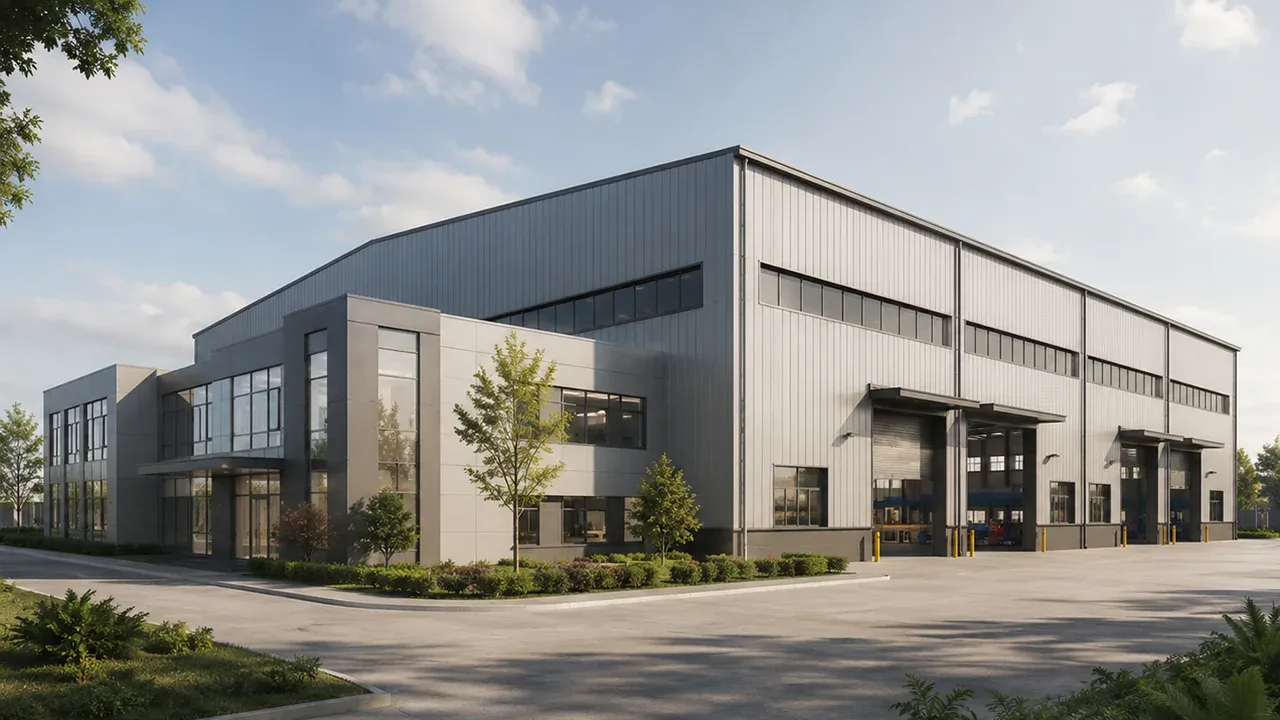
Manufacturing facilities often rely on continuous production lines, large machinery arrangements, and unrestricted movement between operational zones. Steel structures allow wide-span layouts with fewer internal columns, helping improve workflow efficiency inside the factory.
Open production areas also make it easier to reorganize equipment layouts when manufacturing processes evolve.
High Ceiling and Crane Support Systems
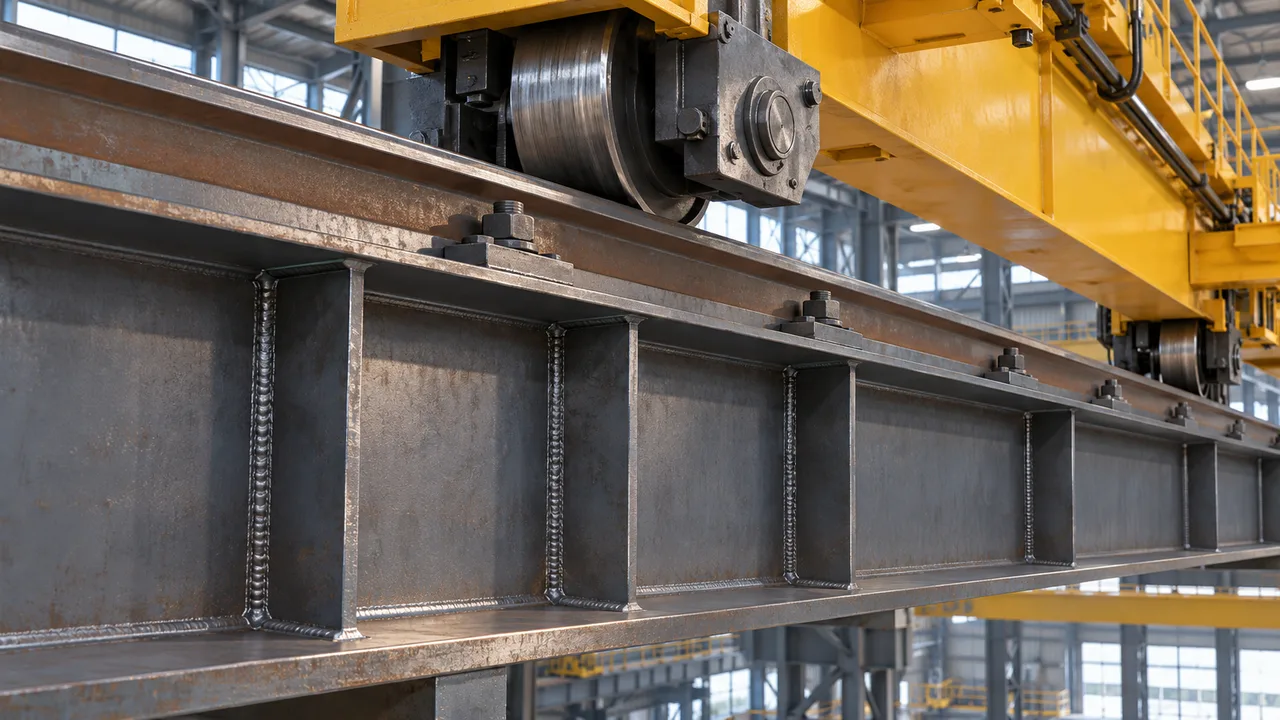
Many industrial plants require overhead crane systems for material handling and heavy equipment movement. A properly engineered steel structure factory for manufacturing can integrate crane beams, lifting systems, and elevated operational platforms directly into the structural framework.
Higher ceiling clearance also improves ventilation and operational flexibility.
Expansion-Friendly Factory Design
Manufacturing businesses frequently expand production capacity over time. Steel structures support modular expansion strategies by allowing additional spans, production lines, or storage areas to be integrated with minimal structural disruption.
This flexibility helps manufacturers adapt to future operational growth.
Industrial Sectors Using Steel Structure Factories
Heavy Manufacturing
Heavy industrial operations require durable structures capable of supporting large equipment loads and demanding production environments.
- Industrial machinery plants
- Mechanical fabrication workshops
- Large-scale assembly facilities
Machinery Production
Machinery manufacturers benefit from open production layouts and crane-compatible structural systems.
Steel structures also simplify future equipment upgrades.
Automotive Components
Automotive parts manufacturing facilities often require organized production flow, separated operational zones, and efficient logistics movement.
Metal Processing
Steel structures are widely used in metal processing plants because of their ability to support heavy-duty industrial activity.
- Cutting operations
- Welding production lines
- Material processing systems
Equipment Assembly
Industrial assembly facilities require adaptable layouts capable of supporting changing production requirements and workflow optimization.
Workflow Efficiency Inside a Steel Manufacturing Facility
Material Flow Optimization
Factory layouts directly affect production efficiency. Steel structures allow engineers to create optimized material flow paths between storage, fabrication, assembly, and shipping areas.
This reduces operational bottlenecks and improves productivity.
Separation Between Production and Storage Zones
Modern manufacturing facilities often separate operational areas into:
- Raw material storage
- Production zones
- Assembly sections
- Finished goods storage
A steel structure factory for manufacturing can support these layouts through flexible internal planning.
Ventilation and Industrial Safety Planning
Industrial facilities must maintain safe working environments with proper ventilation, heat management, and operational safety systems.
Steel factory buildings can integrate ventilation systems, skylights, smoke extraction systems, and industrial safety infrastructure.
Maintenance Accessibility
Efficient maintenance access is important for long-term industrial performance. Steel structures allow easier access to utilities, crane systems, roof structures, and mechanical equipment.
Structural Systems Used in Manufacturing Factories
Portal Frame Systems
Portal frame structures are commonly used in industrial factories because they provide efficient span capability and cost-effective construction.
These systems are ideal for manufacturing facilities requiring large open areas.
Crane Beam Structures
Crane beam systems are integrated into factories that require heavy lifting operations. Structural engineers carefully design these systems to support dynamic operational loads.
Multi-Span Industrial Layouts
Large manufacturing projects may use multi-span layouts to separate production zones and improve workflow organization.
| Structural System | Industrial Advantage |
|---|---|
| Portal Frame | Large open production space |
| Crane Beam System | Heavy lifting support |
| Multi-Span Layout | Operational zoning flexibility |
Fabrication and Industrial Construction Process
1. Engineering and Production Drawings
Industrial steel structures begin with detailed engineering analysis and production planning. Structural drawings coordinate factory operations, equipment requirements, and installation sequencing.
2. Steel Fabrication and Welding
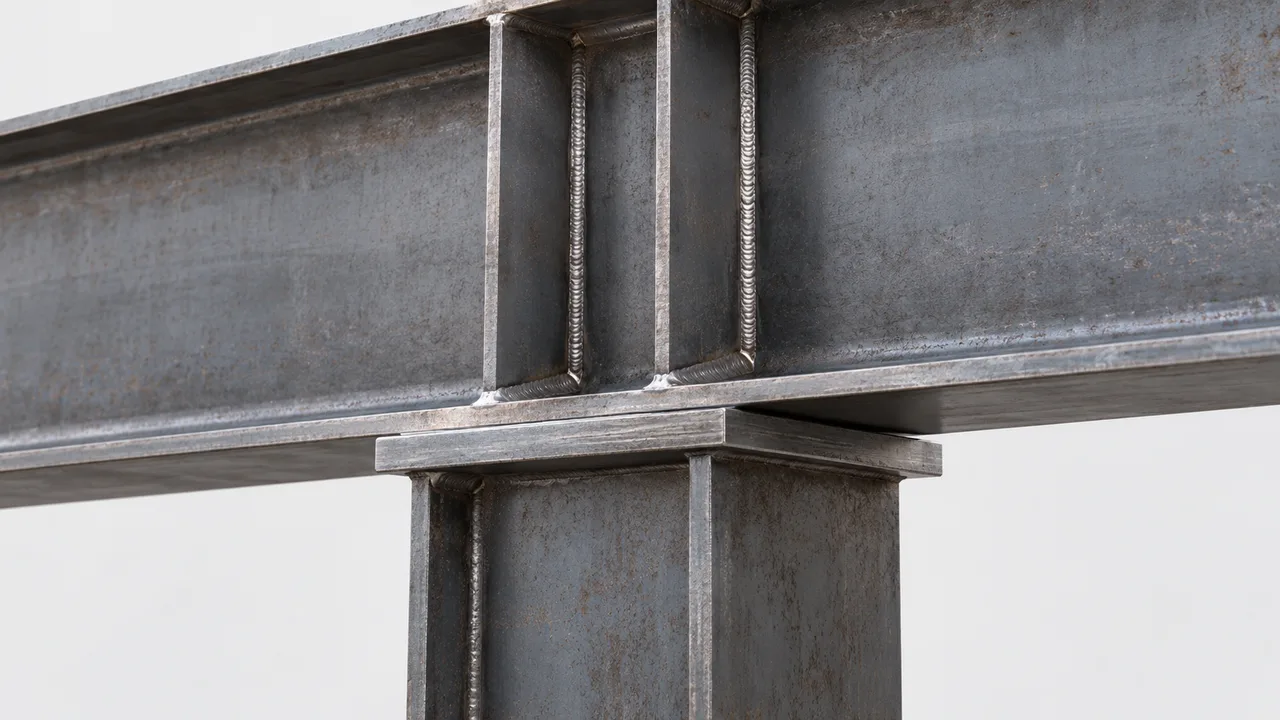
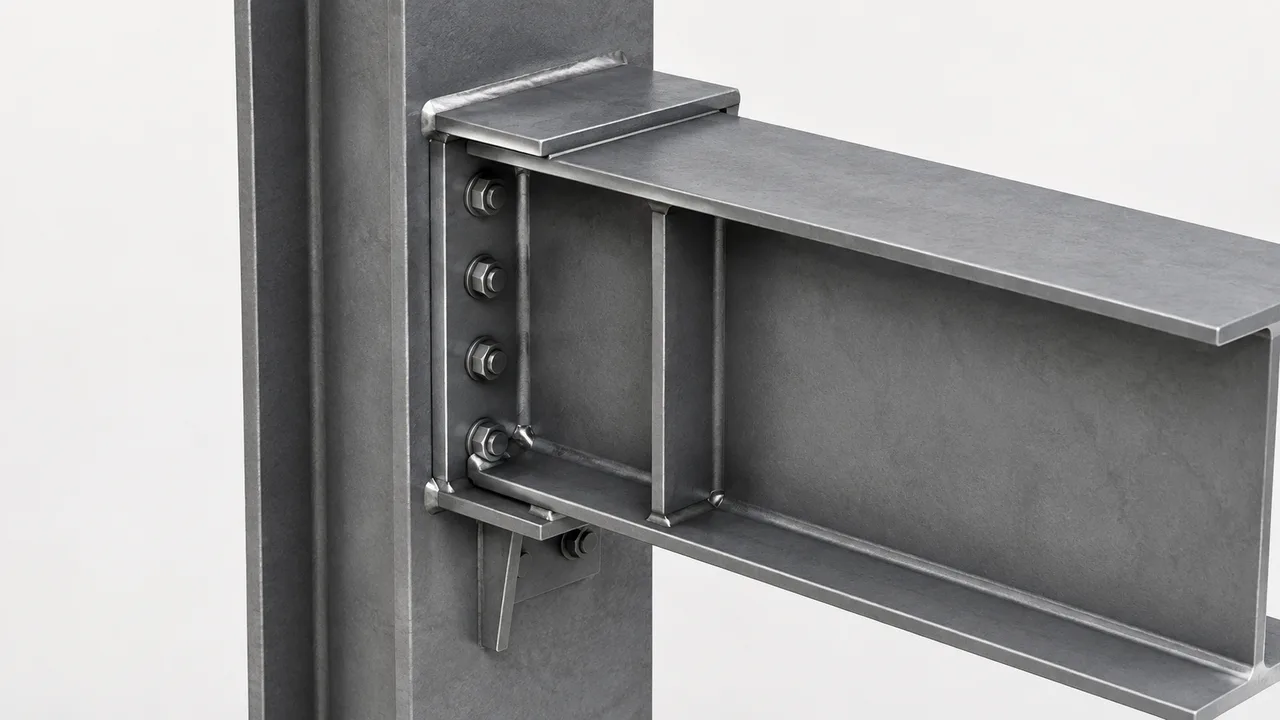
Structural components are manufactured using cutting, welding, drilling, and assembly processes under factory-controlled conditions.
3. Surface Protection Systems
Steel components typically receive protective systems such as:
- Anti-corrosion coatings
- Industrial painting systems
- Fire-resistant treatments
4. Transportation and On-Site Erection
After fabrication, components are transported to the project site for structural installation and final assembly.
Why Manufacturers Prefer Steel Structures
Industrial efficiency is one of the main reasons manufacturers continue to adopt steel construction systems.
- Faster factory startup timelines
- Flexible production layouts
- Simplified future expansion
- Reduced operational interruption
- Long-term structural durability
- Improved workflow organization
Steel systems also support more efficient modernization of industrial production environments.
Selecting an Industrial Steel Structure Partner
Manufacturing projects require more than basic structural construction. Industrial facilities involve workflow planning, equipment coordination, operational safety requirements, and future production scalability.
Choosing an experienced industrial steel structure partner helps improve project coordination and reduce long-term operational limitations.
With experience in industrial facility engineering and fabrication, XTD Steel Structure supports manufacturing projects across different industrial sectors.
Frequently Asked Questions
Can steel structures support heavy manufacturing equipment?
Yes. Steel structures can be engineered to support heavy industrial machinery and operational loads.
Are crane systems compatible with steel factories?
Yes. Crane beams and overhead lifting systems are commonly integrated into industrial steel buildings.
Can manufacturing factories expand later?
Yes. Steel structures allow modular expansion and future production upgrades.
How long does factory construction usually take?
Construction timelines depend on project size, but steel structures generally reduce installation duration compared to conventional systems.
Build Efficient Manufacturing Infrastructure
A properly designed steel structure factory for manufacturing helps improve industrial productivity, operational flexibility, and long-term facility performance. Modern steel systems allow manufacturers to create scalable production environments that support evolving industrial requirements.
Efficient engineering, fabrication precision, and organized installation planning all contribute to reliable manufacturing infrastructure development.