Understanding the Role of a Steel Structure Supplier
A steel structure supplier is responsible for providing structural steel systems used in a wide range of construction projects. These suppliers often manage multiple stages of the project lifecycle, including material sourcing, engineering support, fabrication coordination, quality control, packaging, and delivery.
Unlike conventional steel traders, professional suppliers typically offer integrated solutions that help contractors and developers streamline procurement and construction activities. Their involvement often begins during the engineering phase and continues through final project delivery.
Because structural steel represents one of the most important components of modern buildings, selecting the right supplier can significantly influence project quality, cost control, and construction speed.
What Does a Steel Structure Supplier Provide?
A steel structure supplier provides more than steel products. Modern suppliers often offer comprehensive services that support the entire project.
These services may include:
- Structural steel systems and components
- Engineering coordination and technical support
- Fabrication management
- Surface treatment solutions
- Quality inspection services
- Packaging and logistics planning
- Installation guidance
By combining these services, suppliers help simplify project execution and improve communication between stakeholders.
Types of Steel Structures Supplied
Industrial Steel Structures
Industrial facilities require durable structural systems capable of supporting heavy operational loads, equipment, and production activities. Steel structure suppliers commonly provide building systems for manufacturing plants, processing facilities, workshops, and industrial complexes.
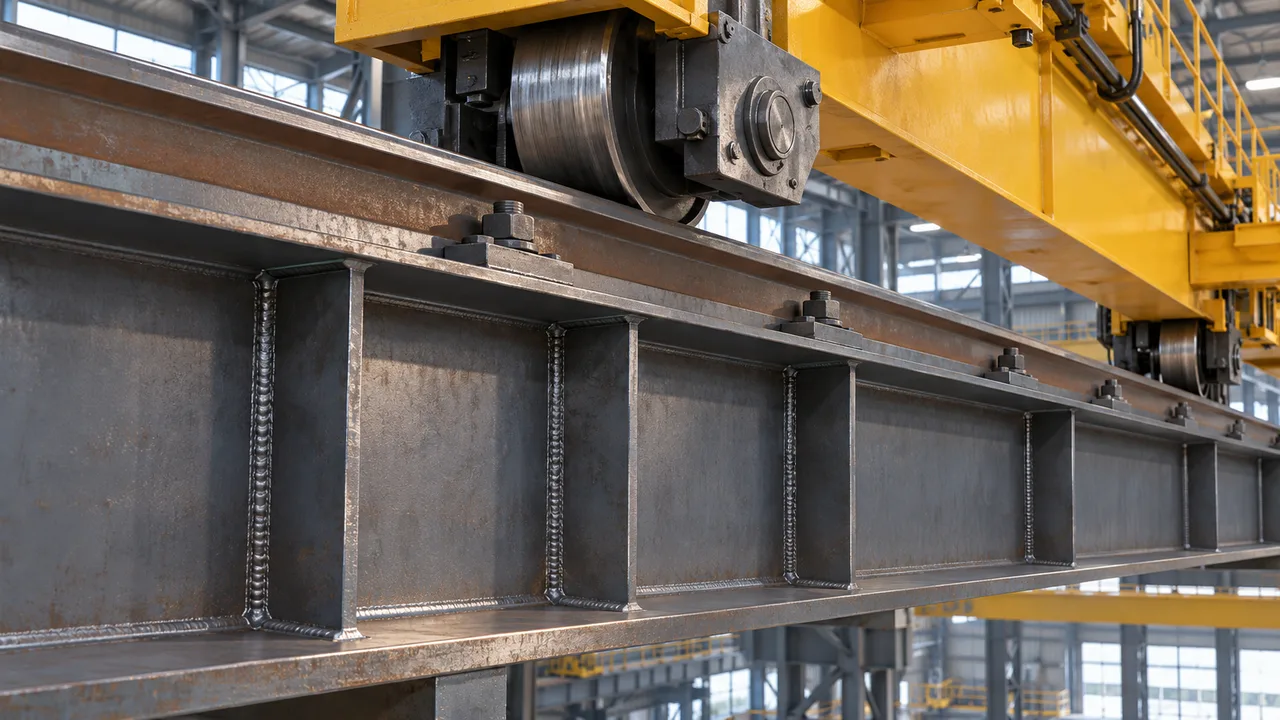
These projects often require long-span structures, crane-supporting systems, equipment platforms, and customized layouts that maximize operational efficiency.
Warehouse Steel Structures
Warehousing and logistics facilities represent one of the largest application sectors for structural steel. Suppliers provide complete warehouse systems designed to support inventory management, logistics operations, and distribution activities.
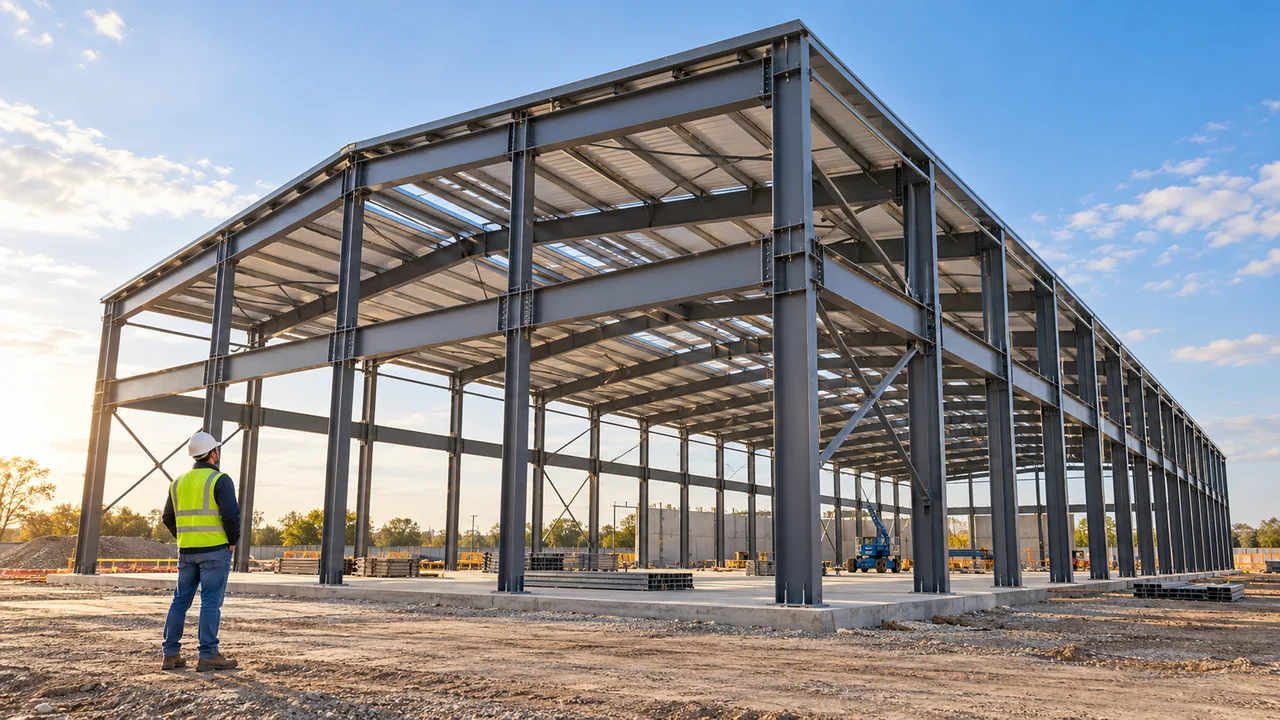
Large-span warehouse buildings help reduce internal columns, allowing greater flexibility for storage layouts, automated systems, and material handling equipment.
Commercial and Public Buildings
Steel structures are also widely used in office buildings, exhibition centers, transportation hubs, educational facilities, and public infrastructure projects.
The versatility of steel enables architects and engineers to create open spaces, unique building forms, and efficient structural systems that support modern architectural requirements.
Industries Served by Steel Structure Suppliers
Industrial Manufacturing
Manufacturing industries depend on reliable structural systems for production operations. Steel structure suppliers support industries such as machinery manufacturing, automotive production, energy facilities, metal processing, and heavy industry.
These facilities often require robust structural frameworks capable of supporting dynamic loads and future expansion.
Logistics and Warehousing
Distribution centers, logistics hubs, e-commerce fulfillment facilities, and storage warehouses require efficient structural solutions that maximize usable space and support rapid operational workflows.
Steel structure systems allow businesses to optimize inventory storage while maintaining flexibility for future operational changes.
Infrastructure and Public Projects
Infrastructure projects often require large structural systems with demanding engineering requirements. Steel structure suppliers support airports, railway stations, stadiums, bridges, terminals, and public facilities.
For these projects, structural reliability and manufacturing precision are especially important due to safety and performance requirements.
Engineering Support and Design Coordination
Structural Design Review
Professional suppliers frequently participate in design reviews to help ensure that structural concepts can be manufactured and installed efficiently.
Early engineering collaboration may identify opportunities for design optimization, material savings, and improved constructability.
Material Selection and Specifications
Material selection affects both structural performance and long-term durability. Suppliers often assist project teams in selecting appropriate materials based on:
- Steel grade requirements
- Structural loading conditions
- Environmental exposure
- Corrosion protection needs
- Project budget considerations
Proper specification helps ensure that the completed structure meets performance expectations throughout its service life.
Shop Drawings and Detailing
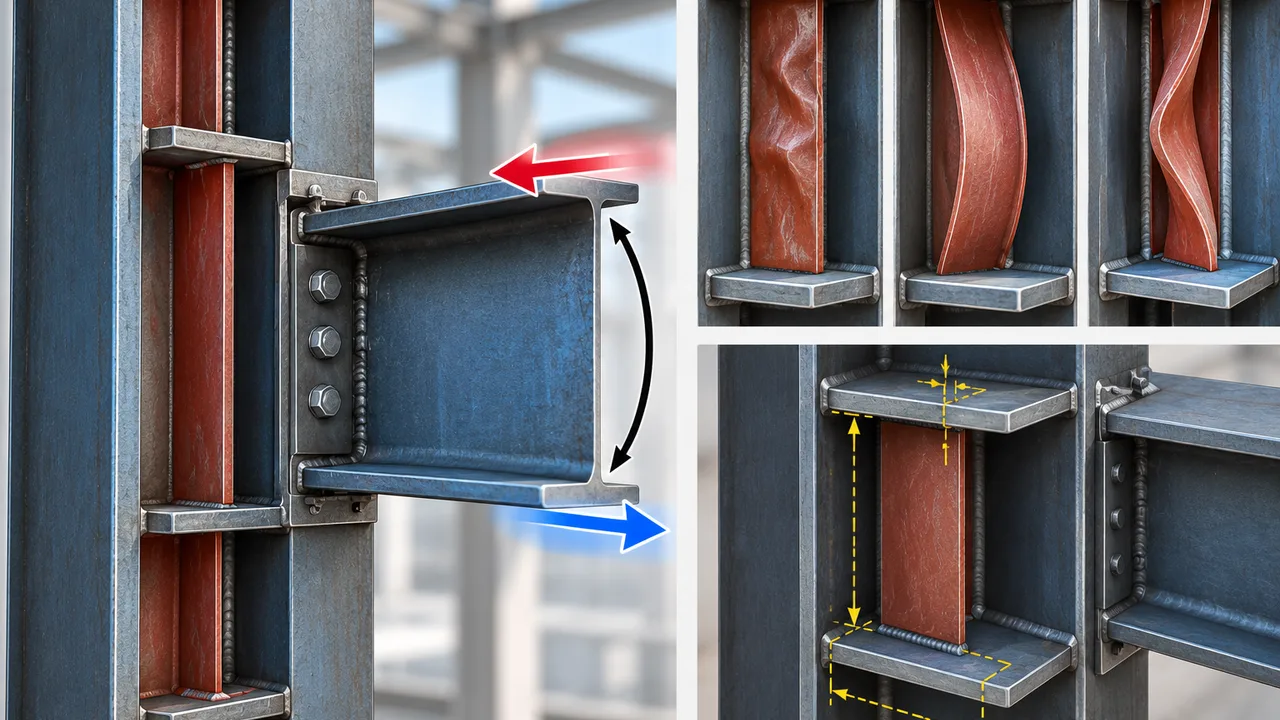
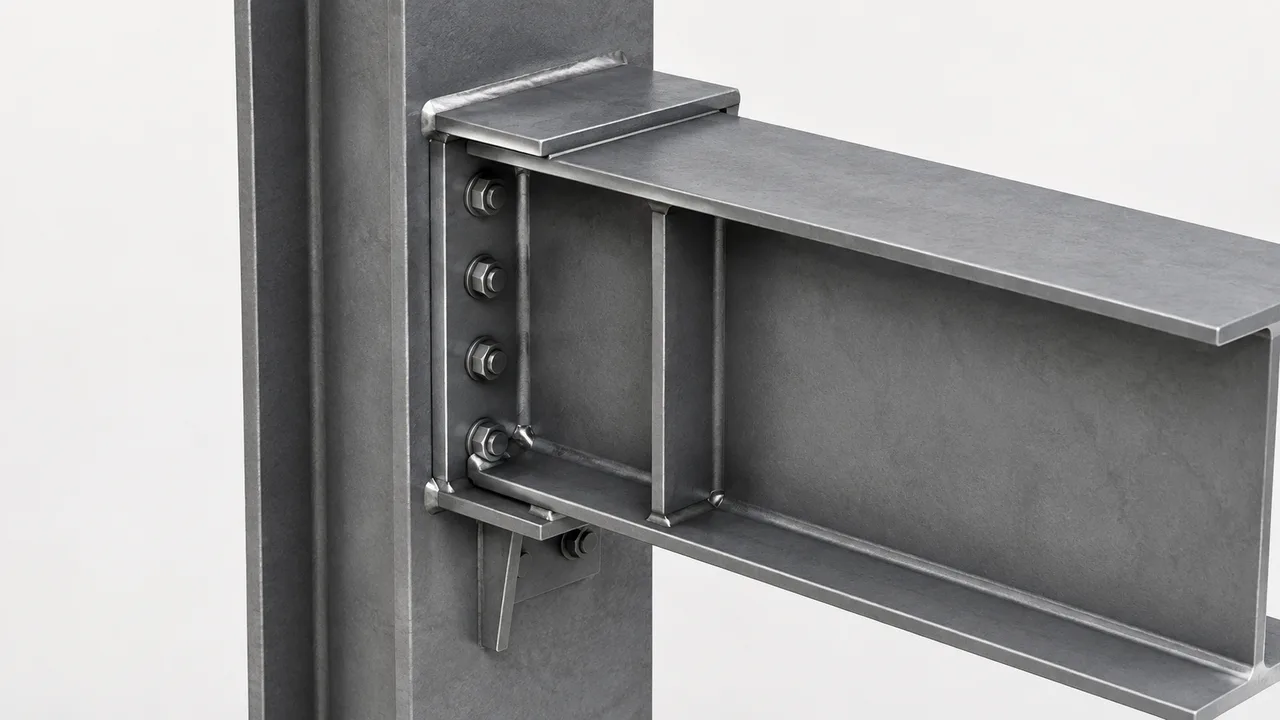
Detailed fabrication drawings are critical for manufacturing accuracy. Suppliers frequently coordinate shop drawings, connection details, and project documentation before fabrication begins.
Many projects also utilize BIM coordination to improve communication among engineers, fabricators, contractors, and owners.
Steel Structure Supply Process
Material Procurement
The supply process begins with procurement of raw materials that meet project specifications. Material traceability and quality verification are important steps in maintaining manufacturing consistency.
Reliable procurement practices help minimize delays and support predictable project schedules.
Fabrication and Production
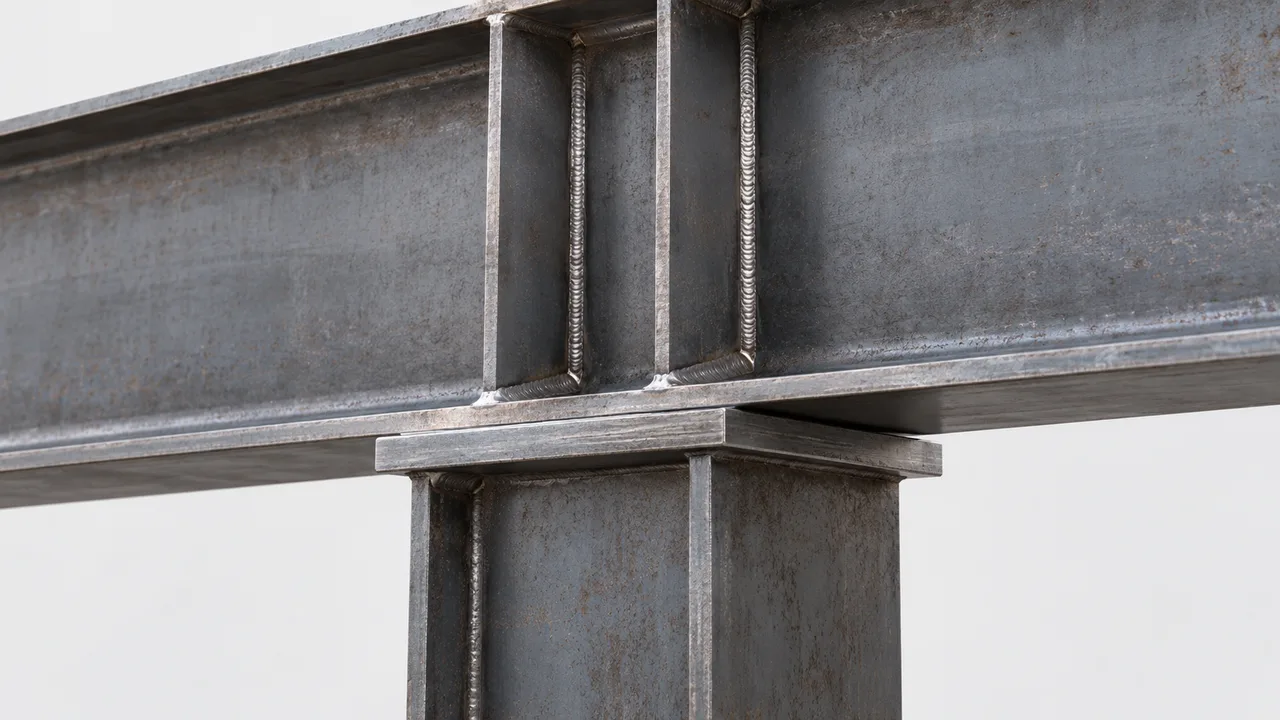
Once materials are approved, fabrication begins through cutting, drilling, welding, forming, and assembly operations. Modern manufacturing facilities utilize CNC equipment and automated production technologies to improve precision and productivity.
Production management systems help monitor quality and maintain manufacturing schedules throughout the fabrication process.
Surface Treatment and Packaging
After fabrication, steel components often receive protective treatments to improve corrosion resistance and long-term durability.
Common treatments include:
- Hot-dip galvanizing
- Industrial anti-corrosion coatings
- Protective paint systems
Components are then packaged according to transportation requirements and project sequencing plans.
Quality Control and Inspection
Manufacturing Quality Assurance
Quality assurance procedures are implemented throughout production to verify compliance with engineering requirements. Inspections occur during material preparation, fabrication, welding, assembly, and finishing.
Continuous monitoring helps reduce defects and maintain product consistency.
Structural Component Inspection
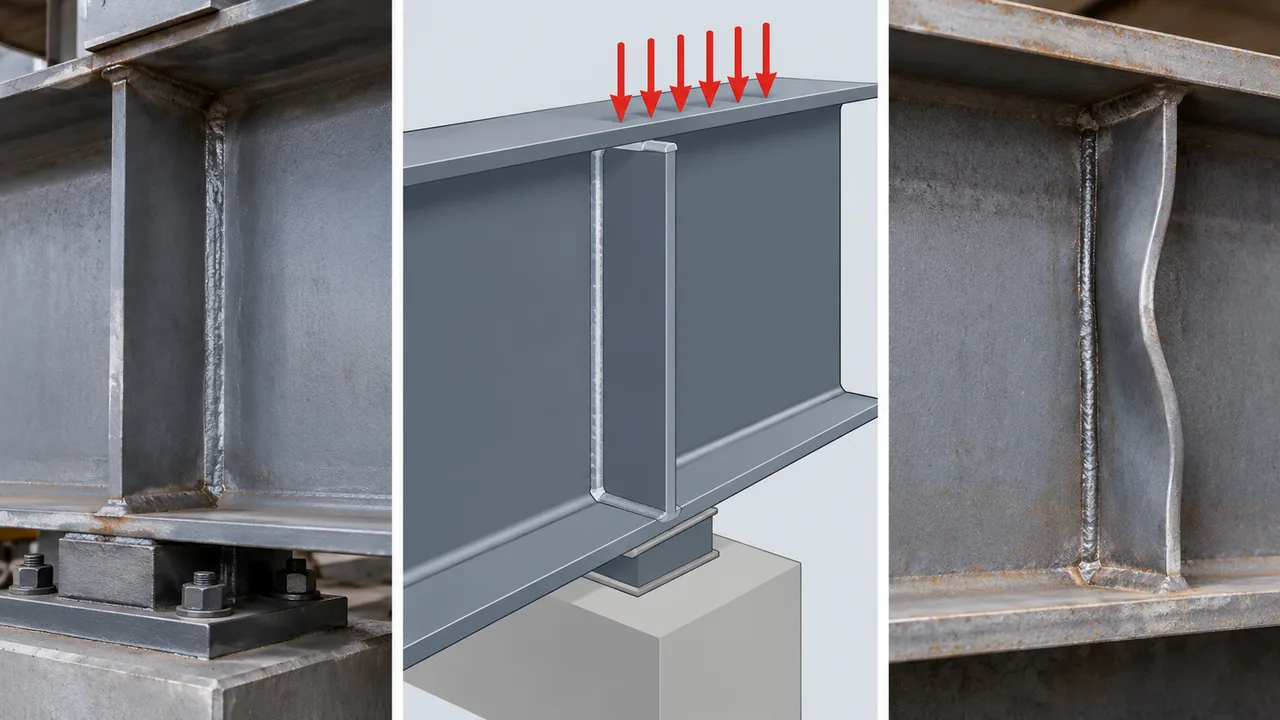
Finished components undergo dimensional verification and visual inspection before shipment. Additional testing may be conducted depending on project specifications.
Inspection activities help ensure that structural components meet required tolerances and performance criteria.
Compliance with International Standards
Many international projects require compliance with recognized steel structure standards, welding specifications, and quality management systems.
Meeting these standards helps improve project reliability and supports successful project approvals.
Logistics and Global Delivery
Export Packaging Solutions
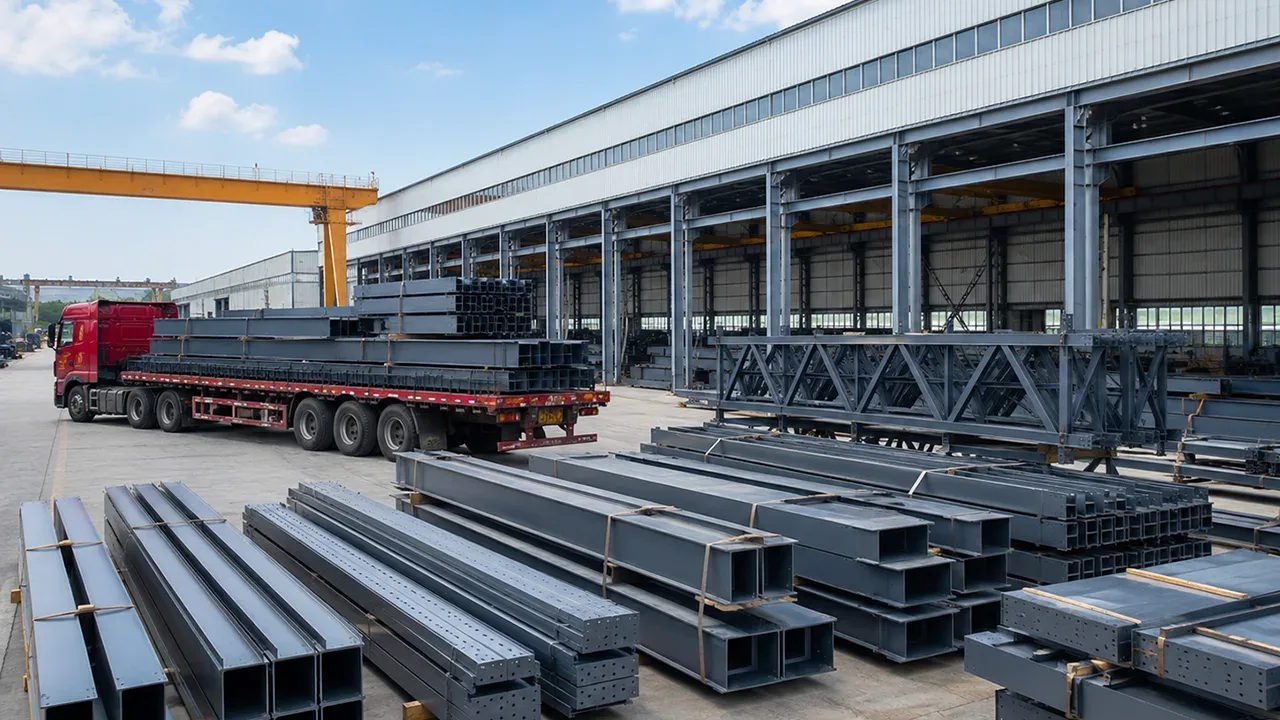
International projects require careful packaging to protect structural components during transportation. Packaging strategies must consider shipping methods, handling requirements, and project schedules.
Proper packaging reduces the risk of damage and simplifies site organization upon arrival.
Delivery Planning
Coordinated delivery planning helps ensure that components arrive according to construction schedules. Sequenced deliveries can reduce site congestion and improve installation efficiency.
This becomes particularly important for large projects involving multiple construction phases.
Installation Support
Many suppliers provide technical guidance during erection and installation. This support helps contractors interpret drawings, resolve site questions, and maintain installation accuracy.
Technical assistance can improve project execution and reduce potential delays.
Advantages of Working with a Professional Steel Structure Supplier
- Reliable supply chain management
- Consistent product quality
- Faster project execution
- Engineering and technical support
- International project experience
These advantages help project owners, contractors, and developers achieve more predictable project outcomes while reducing procurement and coordination challenges.
Why Choose an Experienced Steel Structure Supplier
Advanced Manufacturing Resources
Experienced suppliers typically work with modern fabrication facilities equipped with advanced machinery, automated systems, and comprehensive production capabilities.
These resources help support projects ranging from standard industrial buildings to highly customized structural systems.
Integrated Engineering and Supply
Combining engineering, fabrication, logistics, and project management within a single supply framework reduces communication barriers and improves coordination.
This integrated approach can help reduce project risks and improve overall efficiency.
Global Project Experience
International experience enables suppliers to manage export requirements, shipping documentation, customs procedures, and project coordination across different markets.
As an experienced steel structure supplier, XTD Steel Structure provides engineering support, fabrication coordination, quality control, and global delivery services for industrial, logistics, commercial, and infrastructure projects worldwide.
Frequently Asked Questions
What is a steel structure supplier?
A steel structure supplier provides structural steel systems, engineering coordination, fabrication support, logistics services, and project delivery solutions for construction projects.
What products can a steel structure supplier provide?
Suppliers can provide industrial buildings, warehouses, commercial structures, heavy steel components, structural frames, trusses, and customized steel assemblies.
How are steel structures shipped internationally?
Steel structures are typically packaged according to project requirements and transported through container shipping, break-bulk cargo, or specialized freight services depending on component size.
What standards do steel structure suppliers follow?
Projects commonly follow international structural steel standards, welding codes, fabrication specifications, and quality management requirements depending on the target market.
Start Your Steel Structure Project
A professional steel structure supplier helps transform project concepts into reliable structural solutions through coordinated engineering, manufacturing, quality control, and logistics support. With proper planning and experienced project management, steel structures can be delivered efficiently while meeting demanding construction schedules.
Partnering with an experienced supplier helps ensure reliable quality, smooth coordination, and successful project execution from design development through final installation.