How Steel Warehouses Support Manufacturing Operations
Raw Material Storage
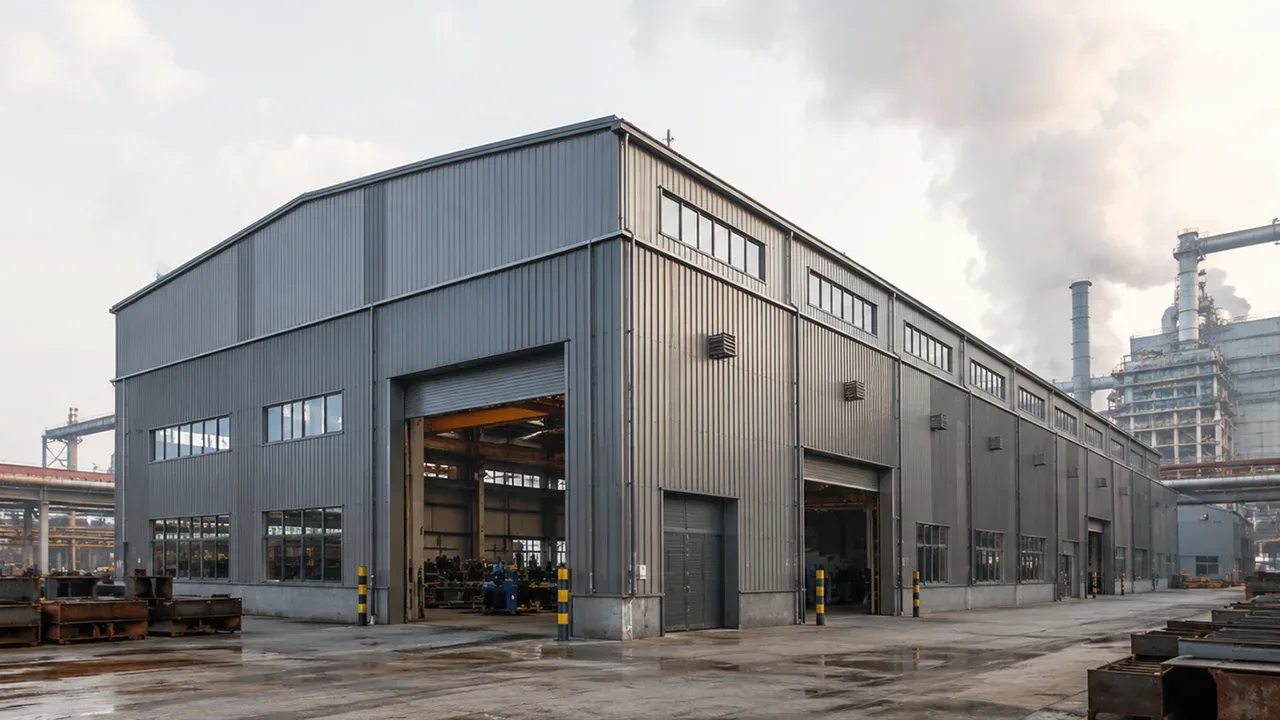
Manufacturing operations depend on stable and organized raw material storage. Industrial warehouses are commonly used for storing:
- Steel coils and sheets
- Machine components
- Industrial tools
- Bulk production materials
A well-planned steel warehouse for manufacturing improves inventory management while reducing internal transportation inefficiencies.
Production Flow Integration
Many industrial facilities integrate warehouse operations directly into production workflows. Materials move from storage zones into fabrication or assembly lines with minimal interruption.
Steel structures support this process through open layouts, efficient circulation paths, and flexible equipment positioning.
Finished Goods Management
Manufacturing warehouses are also used for handling completed products before shipment. This may include packaging, inspection, pallet storage, and export preparation.
Efficient warehouse organization helps improve logistics performance and shipping coordination.
Structural Features Required in Manufacturing Warehouses
High Clear Span Layouts
Industrial production environments often require wide interior spaces without excessive columns. Steel structures can support large-span roof systems that improve operational flexibility.
This allows manufacturers to optimize machinery arrangement and material handling routes.
Heavy Equipment Load Capacity
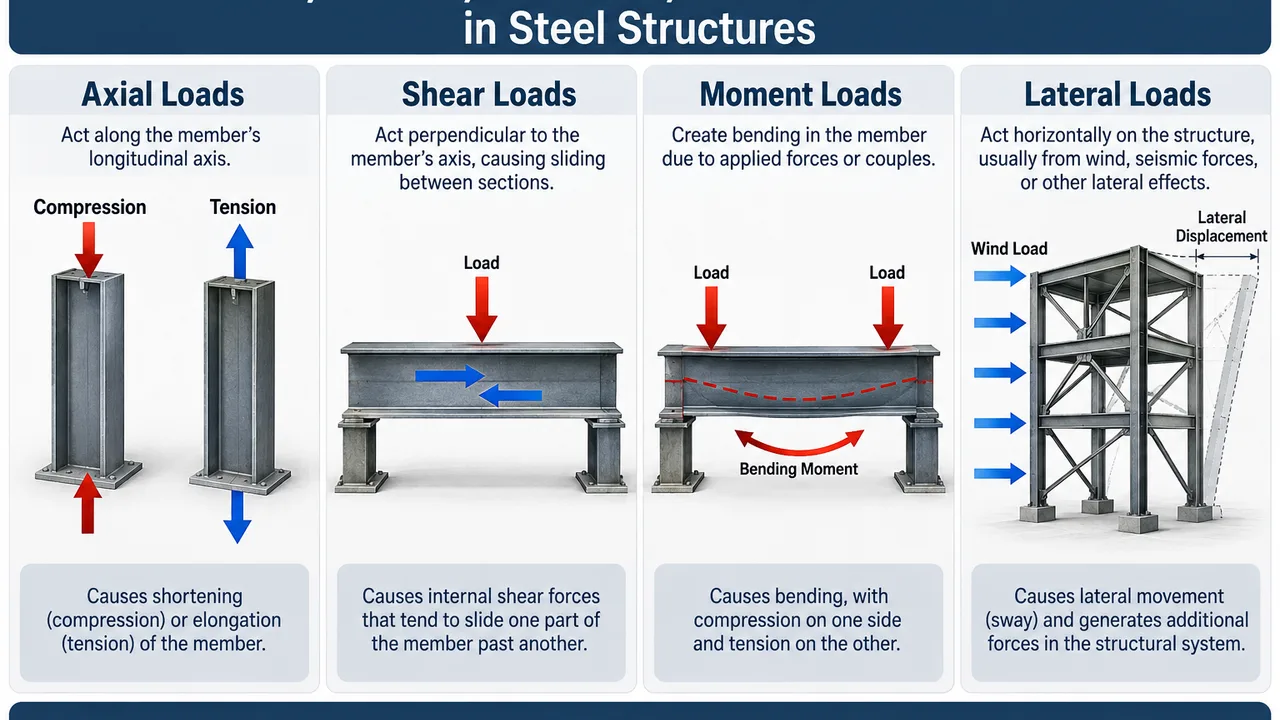
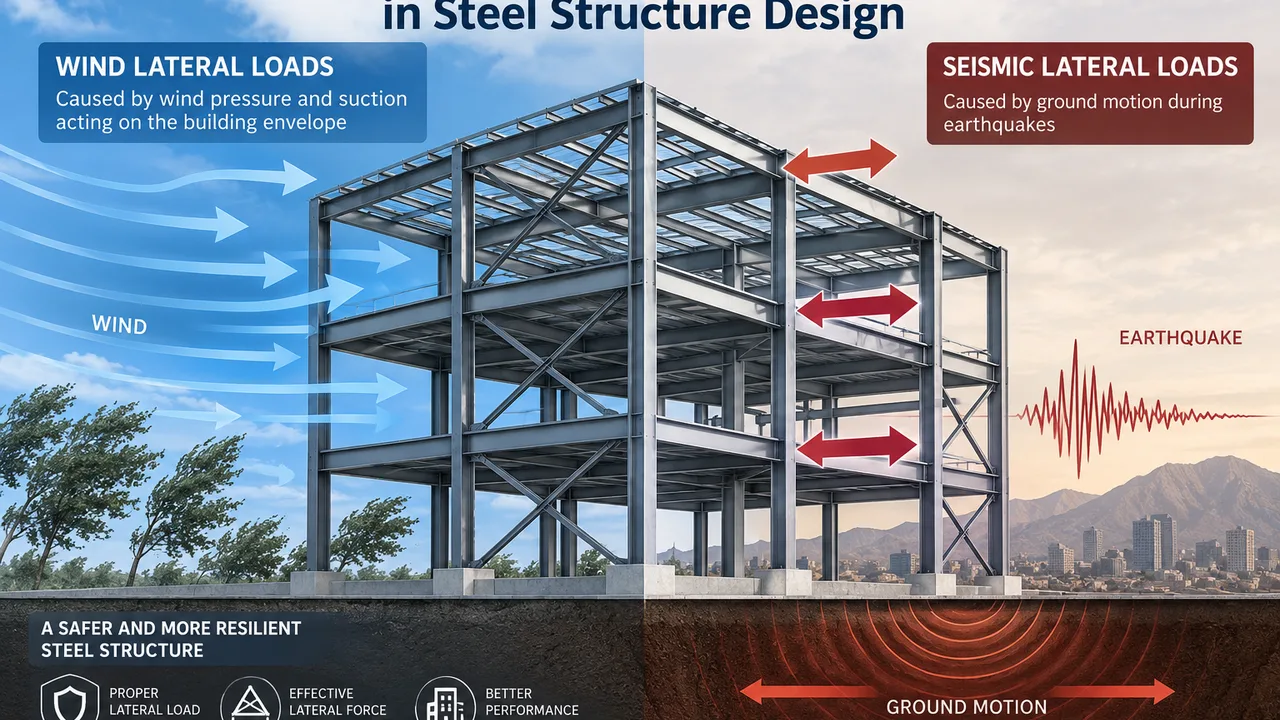
Manufacturing buildings frequently support heavy industrial equipment, production lines, and storage systems. Structural engineering must account for both static and dynamic loads.
| Industrial Requirement | Steel Structure Advantage |
|---|---|
| Heavy machinery support | High structural strength |
| Large production areas | Clear-span capability |
| Future equipment upgrades | Flexible layout modification |
| Continuous operations | Long-term durability |
Crane System Compatibility
Many industrial facilities integrate overhead cranes into warehouse operations. Steel framing systems can be engineered to support crane rails and lifting systems efficiently.
This improves internal logistics and production handling capacity.
Ventilation and Industrial Airflow
Manufacturing environments often generate heat, dust, or fumes that require effective ventilation systems. Steel warehouse buildings can integrate:
- Roof ventilation systems
- Wall louvers
- Natural airflow openings
- Mechanical ventilation integration
Common Manufacturing Industries Using Steel Warehouses
Machinery and Equipment Production
Machinery manufacturers require strong structural systems capable of supporting heavy fabrication equipment and organized production zones.
Steel warehouses provide the durability and flexibility necessary for industrial machinery operations.
Automotive Manufacturing
Automotive facilities rely on efficient logistics, organized assembly flow, and large operational areas. Steel structures support production efficiency through adaptable layouts and scalable expansion capability.
Steel Processing Facilities
Steel fabrication and processing plants commonly use steel warehouses because of their compatibility with heavy industrial operations and crane systems.
- Plate storage
- Cutting operations
- Welding production
- Material handling systems
Industrial Component Factories
Factories producing industrial components require reliable storage and efficient workflow integration. A steel warehouse for manufacturing supports organized production and long-term operational consistency.
Why Prefabricated Steel Systems Fit Industrial Projects
Industrial construction schedules directly affect production planning.
Prefabricated steel systems allow manufacturing facilities to reduce project timelines while improving installation efficiency.
Factory-produced steel components also improve dimensional accuracy and construction consistency.
- Faster installation process
- Reduced operational interruption
- Simplified future expansion
- More standardized fabrication quality
This makes prefabricated steel systems highly practical for industrial development projects.
Engineering Considerations for Manufacturing Warehouses
Floor Load Requirements
Industrial facilities often require reinforced flooring systems capable of supporting equipment loads, forklifts, and continuous movement.
Structural Stability for Continuous Operations
Manufacturing environments typically operate for extended hours or continuous production cycles. Structural systems must maintain reliability under long-term industrial usage.
Fire and Safety Compliance
Industrial projects must comply with fire protection and workplace safety standards. Steel warehouse designs may integrate:
- Fire-resistant coatings
- Emergency exit planning
- Industrial safety systems
Future Production Expansion Planning
Manufacturing facilities frequently expand over time. Steel systems support phased expansion without requiring complete reconstruction.
Manufacturing Warehouse Construction Workflow
Structural Design Coordination
Engineering teams coordinate warehouse layout, equipment requirements, structural loading, and production workflow planning during the design phase.
Factory Fabrication Process
Steel components are manufactured under controlled factory conditions using cutting, welding, drilling, and surface treatment processes.
This improves installation precision and reduces on-site delays.
Site Installation and Equipment Integration
Installation teams coordinate structural assembly alongside industrial equipment integration and utility system preparation.
As an experienced industrial supplier, XTD Steel Structure supports manufacturing warehouse projects through engineering, fabrication, and installation coordination.
Selecting a Steel Warehouse Manufacturing Partner
Industrial warehouse projects require more than structural fabrication alone. Engineering capability, industrial workflow understanding, and project coordination all influence long-term operational performance.
Choosing an experienced steel structure partner helps manufacturers improve construction efficiency while reducing operational risks.
Industrial Questions About Manufacturing Warehouses
Can steel warehouses support heavy manufacturing operations?
Yes. Steel structures are commonly engineered for heavy industrial equipment and continuous operations.
Are overhead cranes compatible with steel warehouses?
Yes. Steel framing systems can integrate crane beams and lifting systems.
Can manufacturing warehouses be expanded later?
Yes. Steel structures allow phased expansion and layout modification.
How quickly can installation be completed?
Prefabricated steel systems generally reduce construction timelines compared to traditional building methods.
Build Efficient Manufacturing Infrastructure
A properly engineered steel warehouse for manufacturing helps industrial facilities improve workflow efficiency, material management, and long-term production stability. Modern steel systems support scalable manufacturing operations while maintaining flexibility for future industrial growth.
Efficient structural planning, reliable fabrication quality, and coordinated installation all contribute to stronger industrial infrastructure performance.