Why Steel Structures Are Suitable for Pharmaceutical Warehousing
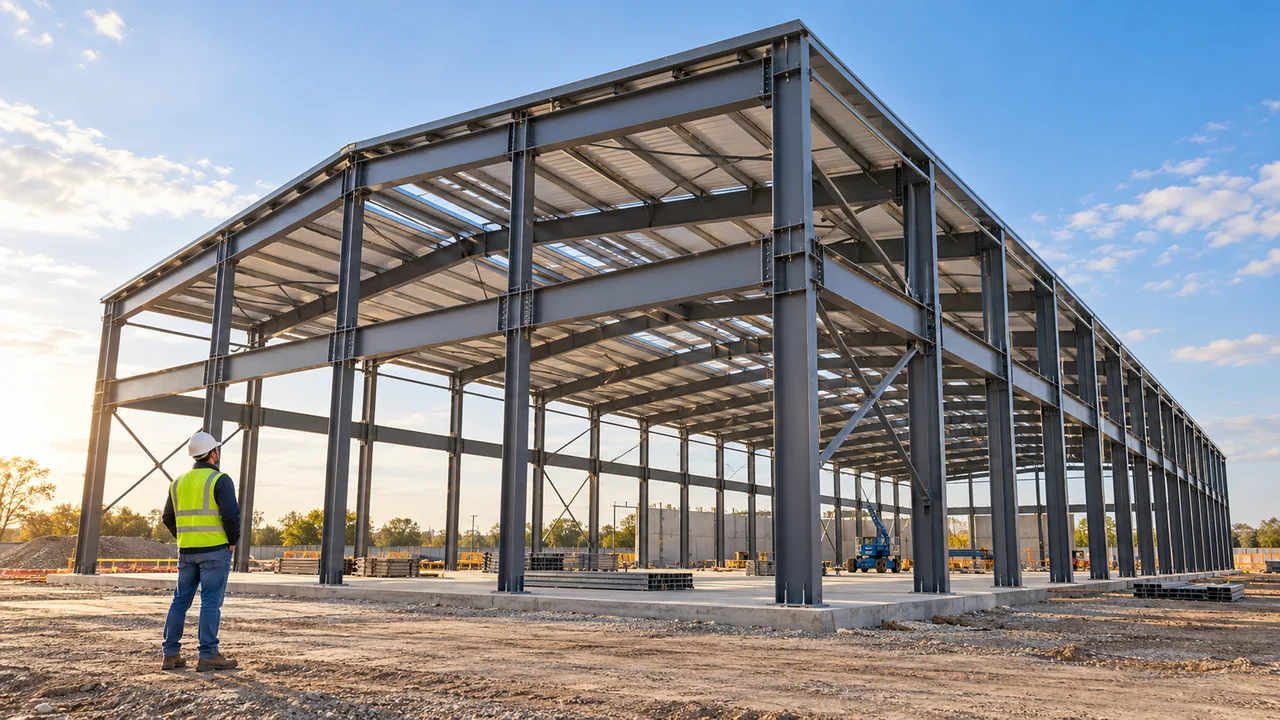
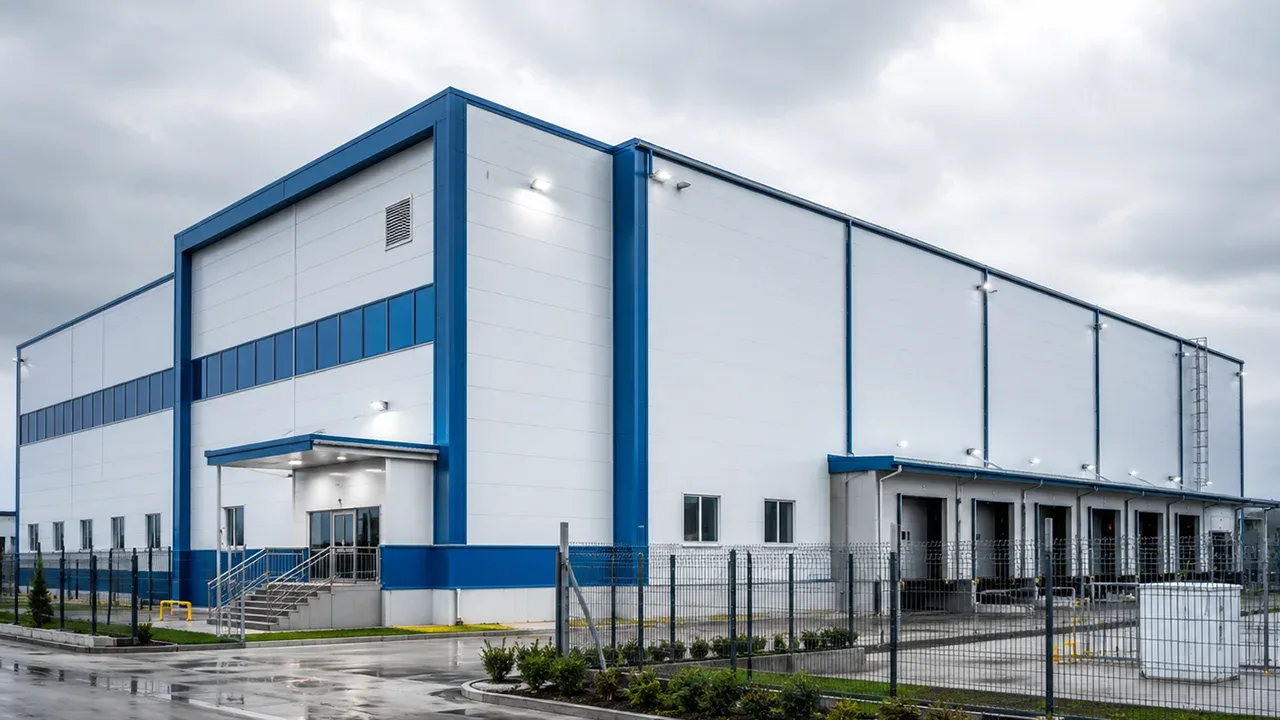
Pharmaceutical warehousing depends on consistency. The building must remain stable, clean, and easy to operate even under strict storage requirements. Steel structures support these needs through predictable engineering, efficient spans, and compatibility with insulated enclosure systems.
- Wide interior space: easier zoning for raw materials, packaging, finished goods, and dispatch areas.
- Fast deployment: prefabricated steel components reduce construction time for time-sensitive logistics projects.
- Modular expansion: the warehouse can be extended as storage volume increases.
- Mechanical integration: steel frames can support HVAC, ventilation, fire protection, and monitoring systems.
For pharmaceutical businesses managing sensitive inventory, the value is not only structural strength. The real advantage is the ability to create a controlled, adaptable, and inspection-ready storage environment.
Environmental Requirements in Pharmaceutical Storage
Temperature and Humidity Stability
Many pharmaceutical products require specific temperature and humidity conditions. A warehouse designed for this sector must support insulation panels, HVAC equipment, air distribution systems, and monitoring devices. The steel frame provides the structural backbone, while the envelope and mechanical systems maintain the required environment.
Roof and wall insulation should be planned together with ventilation and climate-control equipment. This prevents uneven temperature zones and helps maintain consistent storage conditions across the facility.
Clean Storage Zoning
Pharmaceutical warehouses usually need clear separation between different material categories. A well-planned steel warehouse for pharmaceutical storage can include dedicated zones for incoming goods, quarantine storage, released inventory, rejected materials, packaging supplies, and outbound dispatch.
This layout supports traceability and reduces the risk of operational mix-ups during daily warehouse activity.
Airflow and Ventilation Design
Ventilation is important for maintaining interior air quality and reducing contamination risks. Steel buildings can be designed with roof-mounted units, duct routing, exhaust systems, and service platforms without disrupting warehouse workflow.
For projects with higher hygiene requirements, airflow planning should be coordinated early with mechanical engineers and process consultants.
Structural Features of Pharmaceutical Steel Warehouses
Wide-Span Warehouse Layouts
Wide-span steel structures reduce internal columns, allowing more efficient storage rack placement and smoother forklift or automated vehicle movement. This is particularly useful when pharmaceutical operators need clearly defined aisles and controlled picking routes.
Modular Interior Configurations
The internal layout can be divided into storage zones, sampling rooms, inspection areas, offices, equipment rooms, and dispatch sections. Steel framing supports these configurations without limiting future changes.
High-Capacity Storage Systems
Pharmaceutical warehouses often use pallet racking, high-bay storage, or semi-automated retrieval systems. The structure must be coordinated with floor loads, rack height, aisle width, and equipment movement patterns.
Integrated Mezzanine or Multi-Level Areas
For operations requiring administrative offices, quality-control rooms, or light processing areas, mezzanine structures can be integrated into the warehouse design. This helps maximize building volume without expanding the footprint.
Compliance and Safety Considerations
GMP-Oriented Facility Planning
While the steel frame itself is not a compliance system, the building layout must support Good Manufacturing Practice-oriented storage operations. That means clear zoning, controlled access, cleanable surfaces, documentation-friendly workflows, and suitable environmental control infrastructure.
Important planning points include:
- separation between received, inspected, approved, and rejected materials;
- clean circulation routes for staff and materials;
- maintenance access for HVAC and monitoring equipment;
- space for quality inspection and documentation processes.
Fire Protection and Emergency Systems
Pharmaceutical storage facilities need carefully planned fire protection. Steel structures can integrate sprinkler systems, fire-resistant coatings, emergency lighting, smoke extraction, and safe evacuation routes.
Fire safety planning should match local regulations and the storage classification of pharmaceutical materials.
Corrosion Protection and Cleanability
Steel components may require anti-corrosion coatings, galvanizing, or protective paint systems depending on the storage environment. Interior surfaces should also support cleaning and maintenance routines.
This is especially important in facilities where hygiene and long-term durability are both priorities.
Controlled Access and Operational Security
Pharmaceutical inventory often has high commercial value and strict handling requirements. The warehouse design can include access-controlled areas, separated loading zones, security rooms, and monitored circulation paths.
Pharmaceutical Logistics and Operational Efficiency
Inventory Flow Optimization
Warehouse efficiency depends on how materials move through the facility. A practical flow may follow this sequence:
- Receiving and unloading
- Initial inspection or quarantine
- Approved storage
- Order picking or batch allocation
- Packing and dispatch
Steel warehouse layouts can be customized around this sequence to reduce unnecessary movement and improve inventory control.
Loading and Dispatch Areas
Loading docks should be designed for secure and weather-protected transfer. Dock shelters, staging areas, temperature-sensitive handling zones, and truck access must be considered early in the building plan.
Automation and Warehouse Management Systems
Many pharmaceutical warehouses use barcode systems, automated storage systems, conveyors, or digital inventory management platforms. The steel building can be designed to support equipment loads, cable routing, maintenance access, and future automation upgrades.
Fabrication and Construction Process
Precision Steel Manufacturing
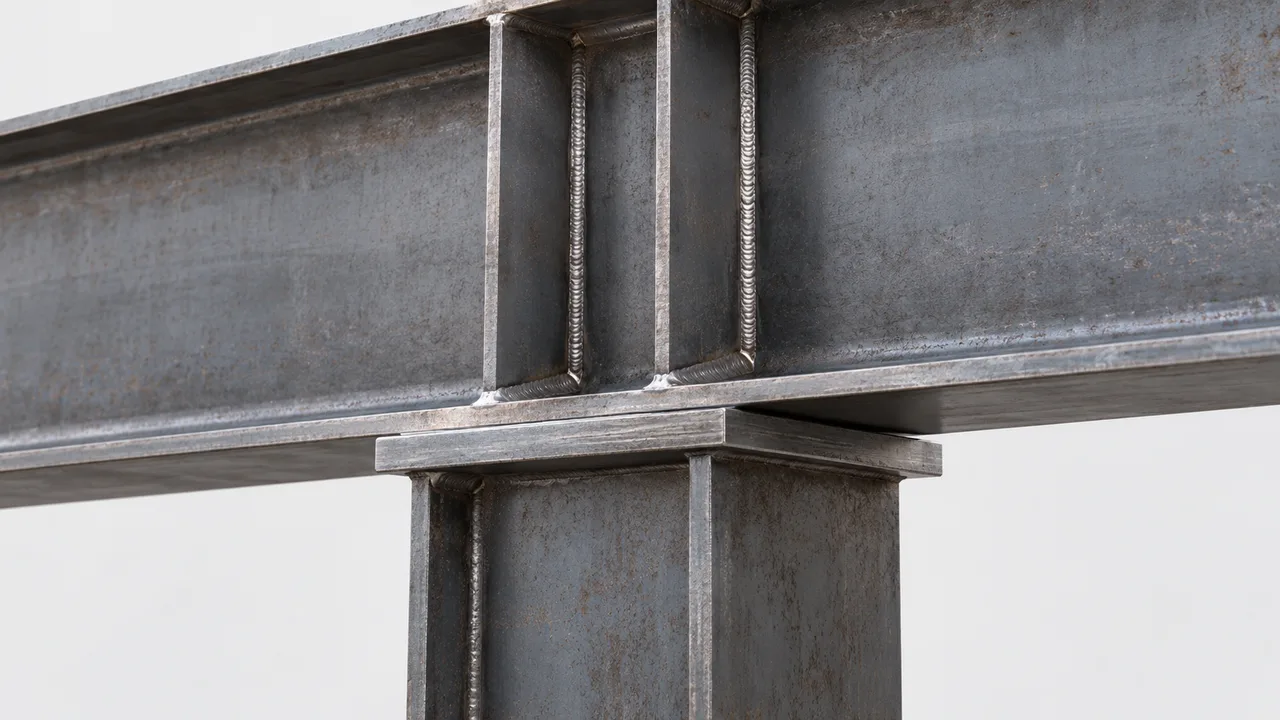
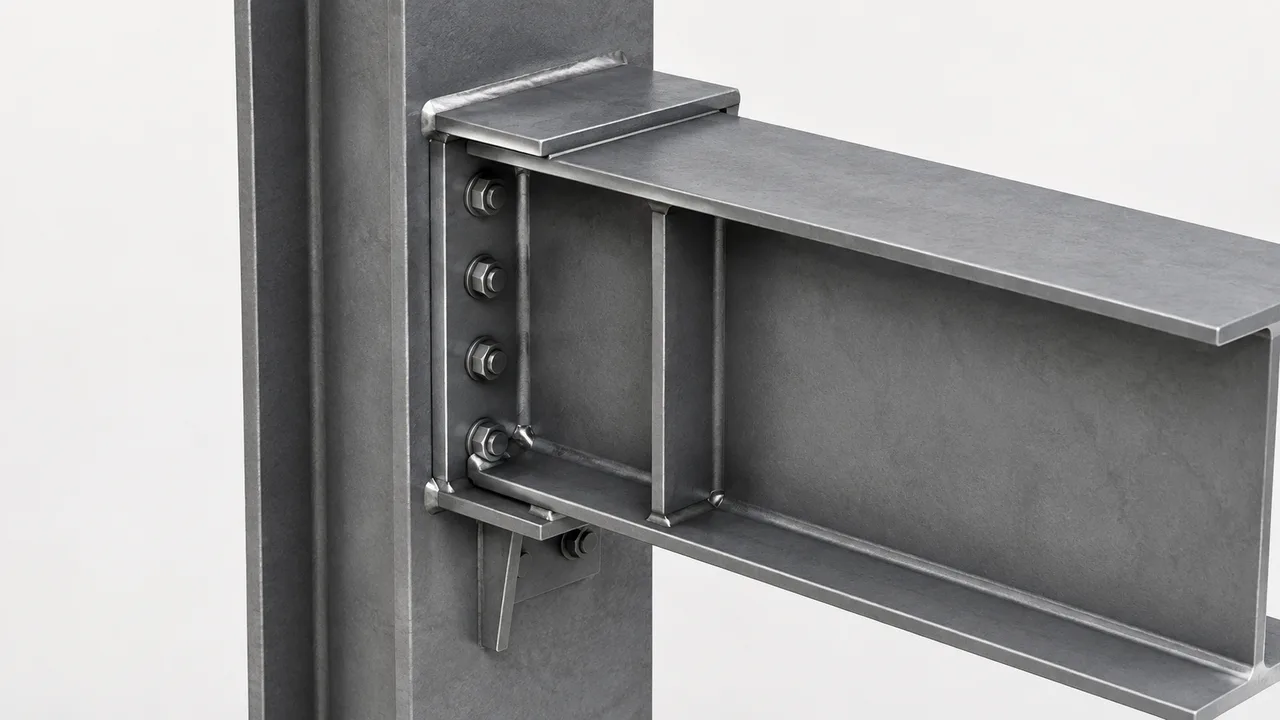
Steel columns, beams, trusses, bracing, and connection components are fabricated in controlled workshops. Cutting, welding, drilling, and assembly are completed according to engineering drawings before delivery to the site.
This factory-based process helps reduce on-site uncertainty and improves dimensional accuracy.
Fast Installation for Pharmaceutical Projects
A steel warehouse for pharmaceutical storage can often be installed faster than many traditional building systems because major components arrive prefabricated. This is useful when companies need to expand storage capacity quickly or respond to market demand.
Coordination with Mechanical and Cleanroom Systems
Pharmaceutical projects require close coordination between structural design, HVAC design, insulation systems, fire protection, and internal partitions. XTD Steel Structure can support project teams by aligning steel fabrication and installation with these technical requirements.
Advantages of Steel Warehouse for Pharmaceutical Storage
Faster deployment. Prefabricated steel components reduce the time required for structural installation.
Clean operational planning. Large interior spaces make it easier to create separated storage zones and controlled material flow.
Scalable capacity. Steel buildings can be expanded as pharmaceutical storage demand grows.
Durable performance. Proper surface treatment and maintenance planning help extend the service life of the facility.
System integration. HVAC, insulation, fire safety, and warehouse automation can be coordinated with the structural design.
Questions Commonly Asked by Pharmaceutical Investors
Can steel warehouses support pharmaceutical storage requirements?
Yes. Steel warehouses can be designed to support controlled temperature, humidity management, clean zoning, and secure logistics workflows.
Are insulated steel warehouses suitable for medicine storage?
Yes. With proper insulation, HVAC systems, and environmental monitoring, steel warehouses can support pharmaceutical storage conditions.
Can pharmaceutical warehouses be expanded later?
Yes. Modular steel design allows future expansion when storage demand or logistics capacity increases.
Building Reliable Pharmaceutical Storage Infrastructure
A well-designed steel warehouse for pharmaceutical storage gives pharmaceutical companies a reliable foundation for controlled storage, efficient logistics, and long-term operational growth. The building must be planned not only as a storage shell, but as an integrated facility that supports environmental control, safety, hygiene, and inventory movement.
With the right engineering coordination, steel construction can help pharmaceutical businesses build storage infrastructure that is durable, scalable, and ready for demanding operational requirements.