Overview of Warehouse Steel Structure Systems
Warehouse buildings must provide efficient storage, smooth logistics flow, and structural reliability. A well-designed warehouse steel structure allows businesses to maximize space utilization while maintaining operational efficiency.
Steel structures enable large spans and high clear heights, which are essential for modern warehouse operations. This allows the integration of racking systems, automated storage systems, and material handling equipment.
Additionally, steel warehouse systems are highly adaptable. Facilities can be expanded or modified as operational needs change, making them a long-term solution for logistics planning.
Types of Warehouse Steel Structure Designs
Portal Frame Warehouse Steel Structures
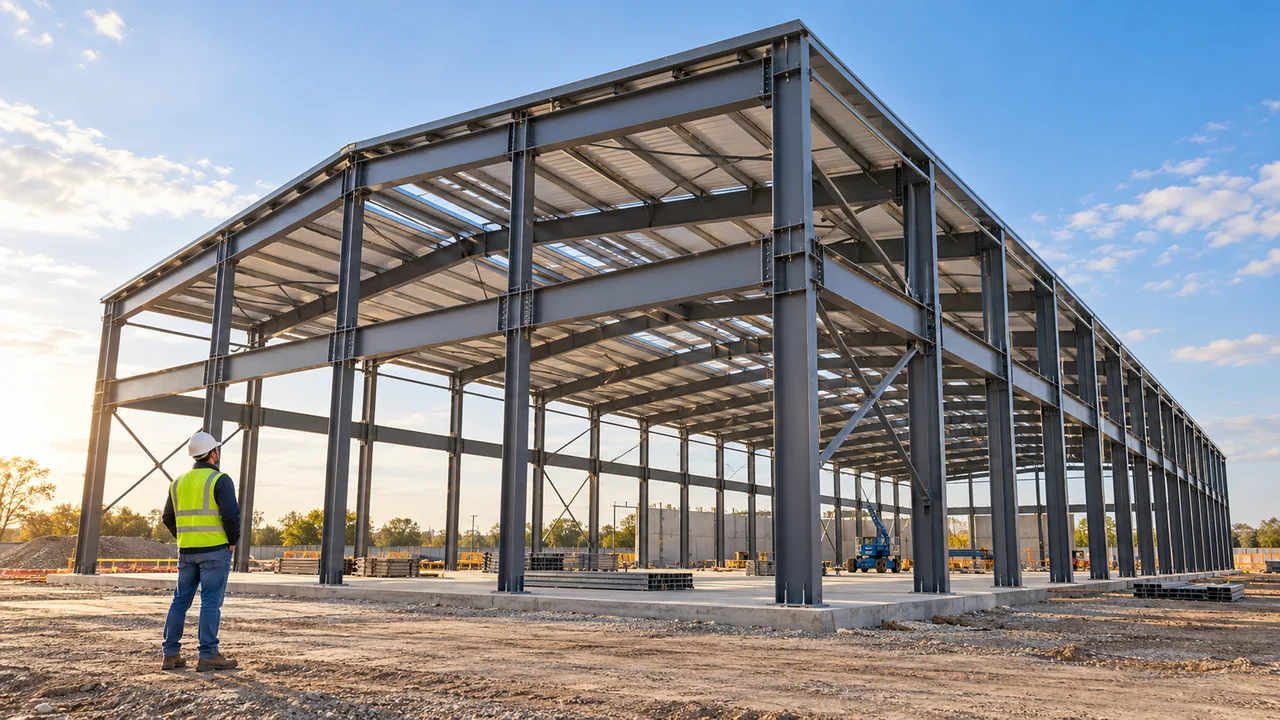
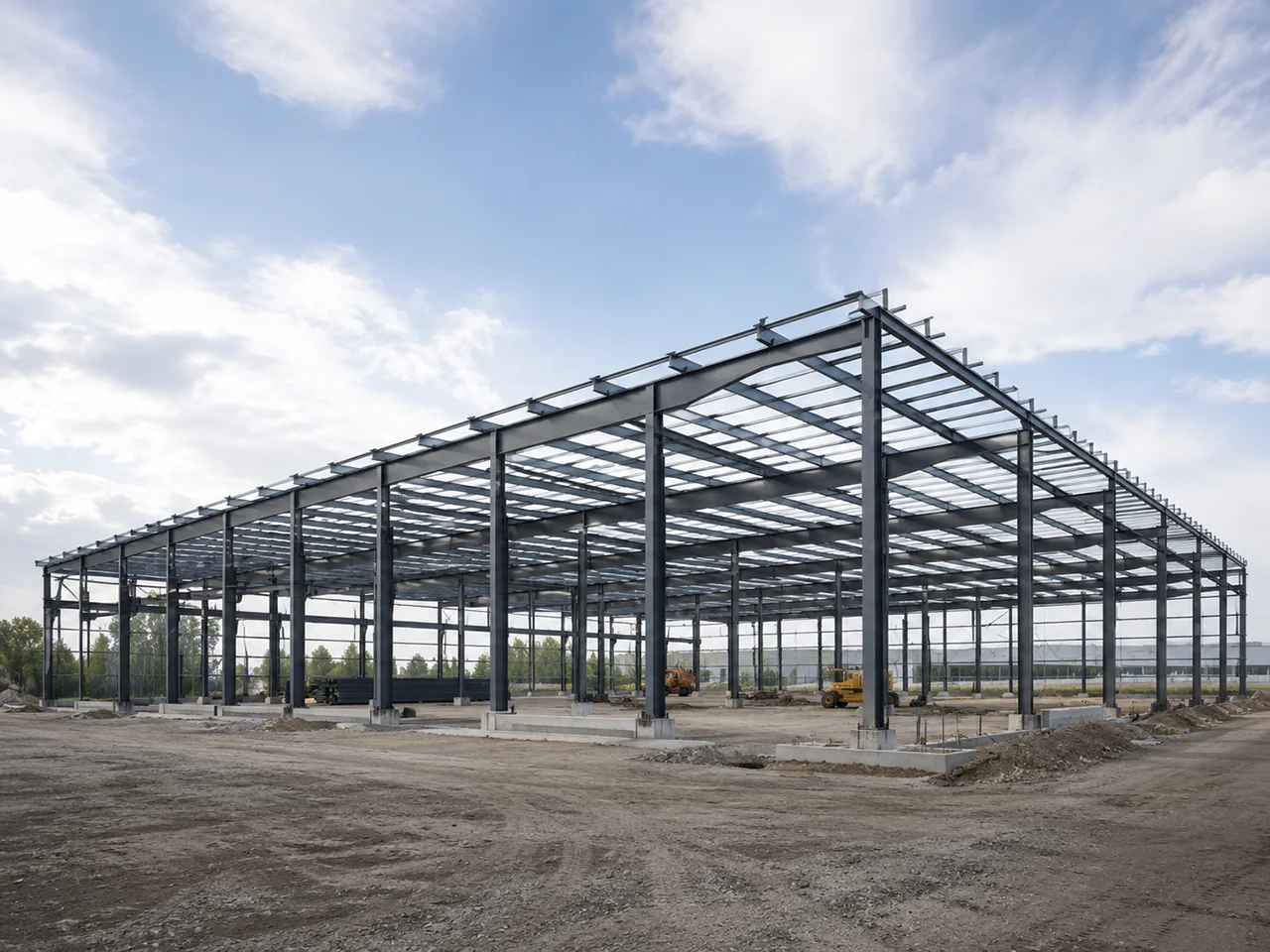
Portal frame systems are the most widely used design in warehouse construction. They consist of rigid steel frames that provide large open spaces with minimal internal supports.
Key advantages include:
- Cost-effective structural design
- Fast construction process
- Flexible interior layout
- Efficient use of materials
These systems are suitable for a wide range of warehouse applications.
Large Span Warehouse Structures
Large span structures provide column-free interiors that support flexible storage layouts and efficient movement of goods. This design is particularly beneficial for automated warehouses and high-volume logistics operations.
By eliminating internal columns, businesses can optimize storage capacity and workflow efficiency.
Multi-Level Steel Warehouse Structures
Multi-level warehouse structures are designed to maximize vertical space. A warehouse steel structure can incorporate multiple floors to increase storage density in limited land areas.
This approach is ideal for urban logistics and high-density storage facilities.
Applications of Warehouse Steel Structure
Logistics and Distribution Warehouses
Steel warehouse structures are widely used in logistics hubs and distribution centers. These facilities require large open spaces, efficient loading zones, and compatibility with automation systems.
The strength and flexibility of steel structures make them ideal for handling high-volume operations.
Industrial Storage Buildings
Industrial facilities use warehouse structures to store raw materials, components, and finished products. Steel structures provide durable and adaptable environments for these purposes.
They also support heavy equipment and industrial processes.
Commercial Warehouse Facilities
Commercial warehouses serve retail and supply chain storage needs. Steel structures offer efficient layouts and reliable performance for commercial storage applications.
Structural Design Considerations
Structural Layout and Space Optimization
Efficient layout design is essential for maximizing warehouse performance. Engineers determine column spacing and structural configuration to optimize usable space.
This ensures efficient storage and smooth operations.
Load Requirements and Stability
Warehouse structures must be designed to withstand various loads, including:
- Wind loads
- Snow loads
- Operational loads
Proper engineering ensures structural stability and safety.
Integration with Warehouse Systems
Modern warehouse operations require integration with advanced systems. Steel structures can accommodate:
- Racking systems
- Conveyor systems
- Automated storage systems
This integration improves efficiency and productivity.
Fabrication and Manufacturing Process
Steel Component Production
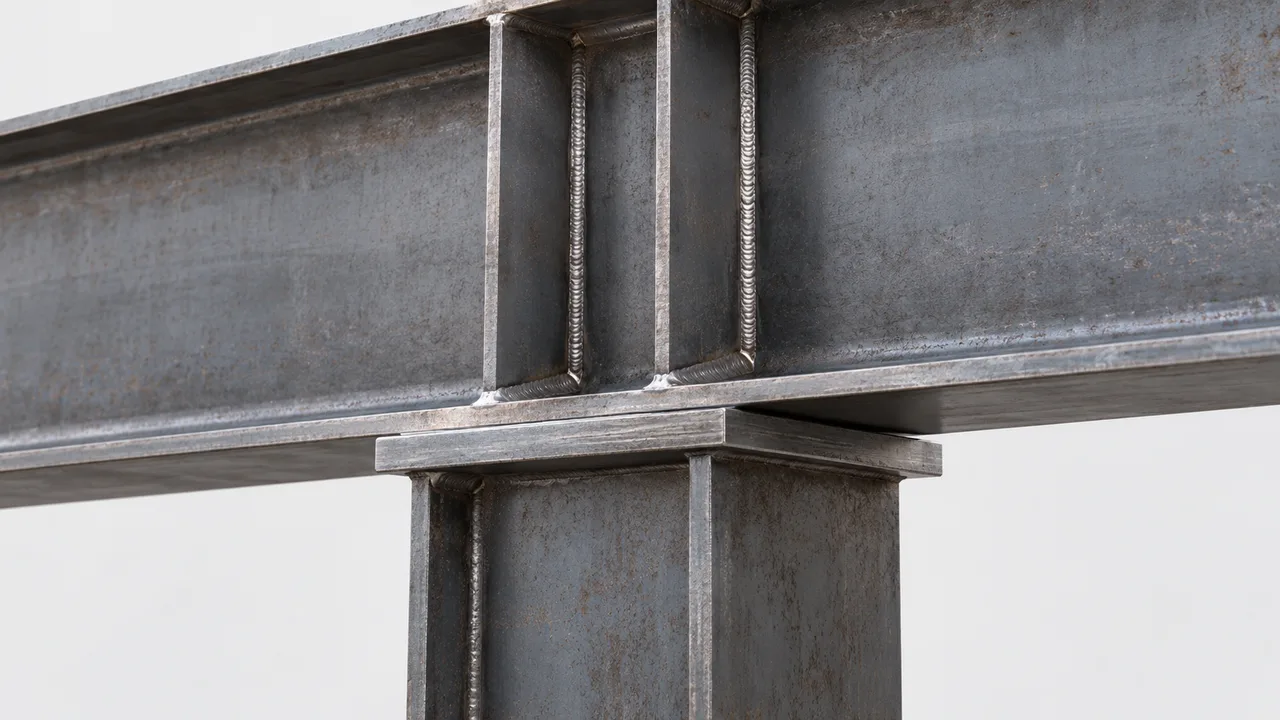
Structural components are manufactured in specialized facilities using advanced techniques such as cutting, welding, and assembly.
This ensures high precision and consistent quality.
Surface Protection Systems
To enhance durability, steel components are treated with protective systems such as:
- Hot-dip galvanizing
- Anti-corrosion coatings
- Protective paint systems
These treatments extend the lifespan of the structure.
Quality Assurance
Strict quality control procedures are implemented during production, including inspections and testing to ensure compliance with standards.
Construction and Installation
Prefabrication Benefits
Prefabrication allows most elements of a warehouse steel structure to be produced off-site, reducing construction time and improving efficiency.
Transportation and Logistics
Components are transported according to a detailed logistics plan to ensure smooth installation.
On-Site Assembly
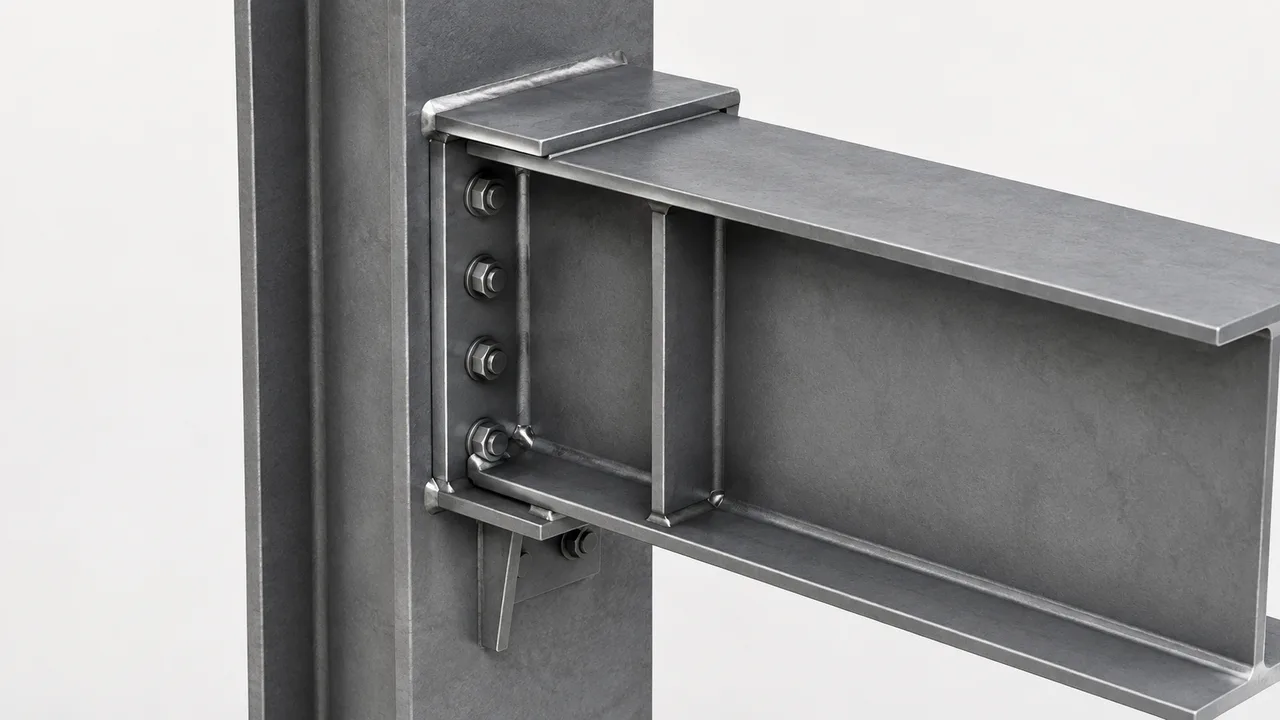
At the construction site, components are assembled using bolted connections or welding. Accurate alignment ensures structural performance.
Advantages of Warehouse Steel Structure
- High structural strength
- Flexible design options
- Fast construction timeline
- Low maintenance requirements
- Expandable system
These advantages make steel structures a preferred choice for warehouse construction.
Why Choose a Warehouse Steel Structure Supplier
Engineering Expertise
Professional engineering ensures optimized structural design and efficient performance.
Manufacturing Capability
Advanced production facilities ensure consistent quality and large-scale fabrication.
Project Experience
Experience in global warehouse projects enables efficient execution of complex designs.
As a trusted provider, XTD Steel Structure offers comprehensive services from design to installation for warehouse steel structure projects worldwide.
Frequently Asked Questions
What is a warehouse steel structure?
It is a building system made of steel components designed for storage and logistics applications.
How durable is it?
Steel structures are highly durable and designed for long-term use.
Can it support automation systems?
Yes, it can integrate with modern automated warehouse systems.
Is it suitable for large-scale storage?
Yes, it is ideal for large-scale and high-capacity storage operations.
Start Your Warehouse Steel Structure Project
A well-designed warehouse steel structure provides strength, flexibility, and efficiency for modern logistics and storage operations. With proper engineering and high-quality manufacturing, these structures deliver long-term value.
Partnering with experienced professionals ensures that every stage of the project is executed with precision and reliability.